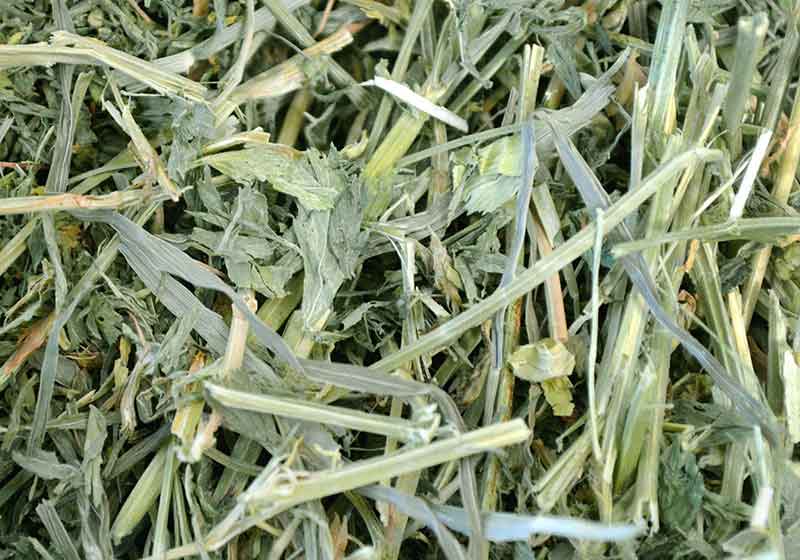
Alfalfa hay is a valuable forage crop whose stems and leaves must be compacted without unnecessary leaf loss or heat damage. Loose or lightly gathered hay is difficult to store and ship, while inconsistent moisture can reduce feed quality and create serious storage hazards.
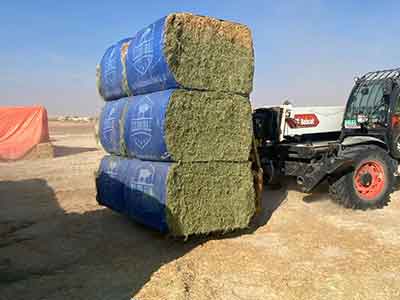
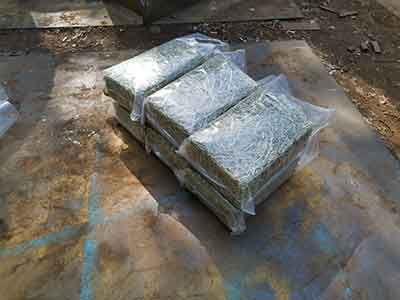
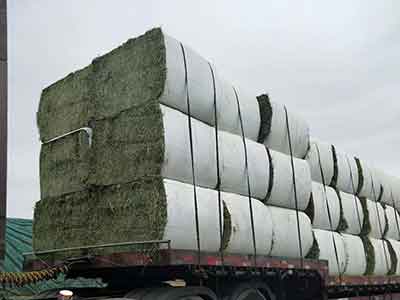
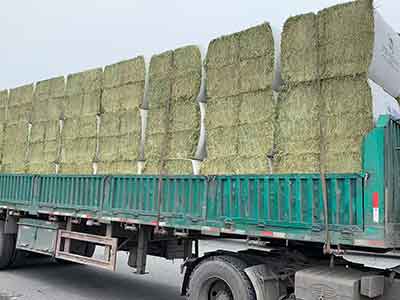
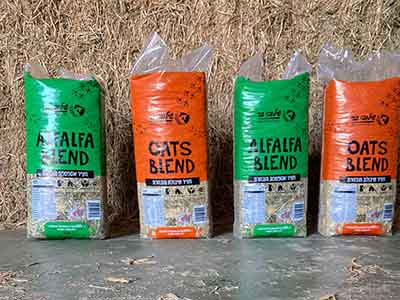
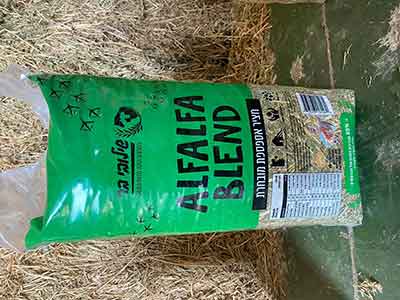
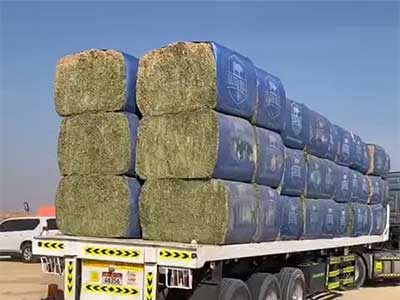
DILOYA agricultural balers compress prepared alfalfa into dense rectangular blocks and transfer each block into a protective bag for closing, weighing, controlled handling, warehousing and export. This Agriculture application uses compression followed by bagging.
Typical Uses of Alfalfa Hay
Alfalfa is valued as protein- and fibre-rich forage for dairy cattle, beef cattle, horses, sheep, goats and other livestock according to a qualified feeding programme. Compressed bagged packages support domestic distribution and export, while selected material may also be processed into cubes or pellets downstream.
Alfalfa Bale Results
Preserve Feed Quality
Alfalfa should be cured to the moisture range required by the producer and buyer before compression. Excessive dryness increases leaf shatter and nutritional loss; wet hay can heat, mould or combust in storage. Remove stones, metal, soil, plastic and spoiled material, and preserve lot identity where feed traceability is required.
Compression and Bagging
Uniform charges are compressed into rectangular blocks at the target density, supported during discharge and inserted into correctly sized bags before excessive rebound. Bag film or woven material, opening dimensions and closure strength must suit the block, handling equipment, container plan and buyer. Compression force is balanced against stem condition, leaf retention and desired package weight.
Storage and Fire Safety
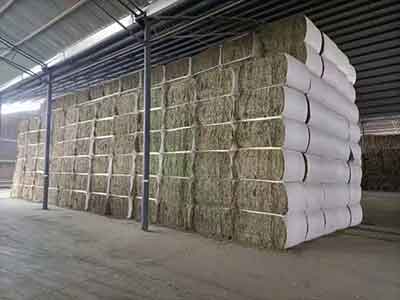
Finished bales should be checked for moisture and abnormal heating, stored in a dry ventilated area and stacked with safe access aisles. Follow local agricultural fire codes, separation distances and monitoring practices. The baler cannot make wet or unstable hay safe for storage.
What DILOYA Engineers Evaluate
DILOYA evaluates alfalfa cut length, stem-to-leaf condition, moisture, loose density, contamination, required throughput, target bale dimensions and weight, compression ratio, bag dimensions and material, closure method, handling and container plan, permitted leaf loss, storage conditions, installation space and local voltage.