Wheat Straw

Wheat straw is a bulky harvest residue used in bedding, horticulture and other agricultural supply chains. DILOYA compresses prepared wheat straw into rectangular blocks and bags them for cleaner handling, reliable stacking and lower-volume transport.

What our engineers evaluate

Our engineers assess wheat straw cut length, moisture, loose density, rebound, dust and contamination, intended end use, target bagged-bale dimensions and weight, hourly output, bag specification, site layout and local power supply.

Discuss your application +
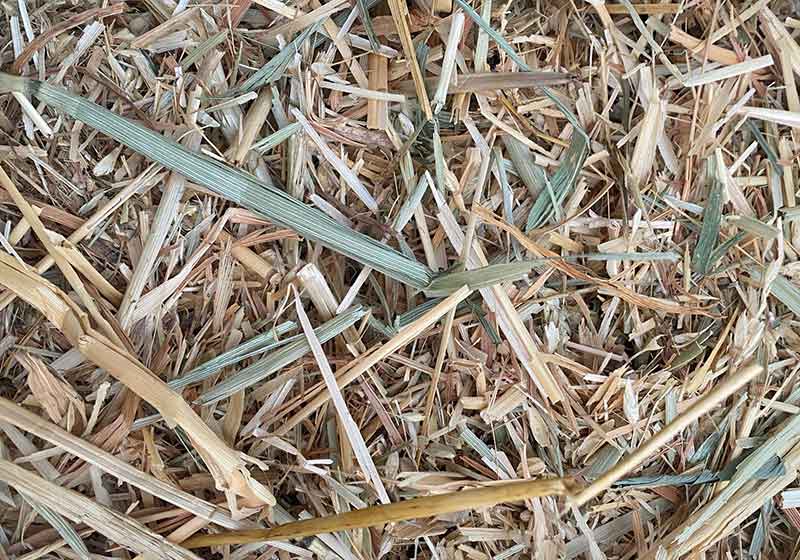
Chopped wheat straw before compression and bagging

Wheat straw consists of the stems and leaves left after wheat grain is harvested. Loose straw is light, springy and variable in length, so large volumes are needed to fill storage and transport space. DILOYA baling and bagging equipment receives prepared wheat straw, meters it into a hydraulic compression chamber, forms a rectangular block and encloses the compressed material in a bag. This creates a more controlled unit for weighing, palletising, warehousing and shipment.

Where compressed wheat straw is used

Depending on grade and local requirements, clean wheat straw can be supplied for livestock bedding, horticultural mulch, mushroom-growing substrate or biomass handling. Each destination has different expectations for moisture, chop length, cleanliness and packaging. Feed use requires independent nutritional assessment and an appropriate ration; compression alone does not make straw suitable as feed. Buyers should define material acceptance standards before production.

From loose straw to bagged block

Incoming straw is inspected for soil, stones, metal, excessive dust and signs of mould. The customer may cut or condition it to the length and moisture required for the selected market. A feeder then delivers repeatable charges to the baler. After compression, the block is inserted into a bag, closed, checked for weight and labelled. Bag strength and sealing are matched to forklift handling, storage duration and shipping conditions.

Choosing the right wheat straw baler

Wheat variety, chop length, loose density, moisture and natural rebound all influence machine sizing and achievable package consistency. DILOYA reviews representative material samples, target block size and net weight, desired hourly capacity, available space, dust-control needs, packaging specification and container or truck loading plan. The configuration is selected around the actual production line rather than a generic bale-density promise.
FAQ

How do I choose the right recycling process for my material?+

The right process is the one that produces a material your next customer or production stage can use. Bulky offcuts intended for transport need a different route from oily machining chips intended for remelting. Define that destination first, then work backwards through sorting, size reduction and compaction. How to Choose a Metal Chip Briquetting Line for a Small CNC Machine Shop illustrates why the upstream chip condition matters as much as the final press.

Baling, shearing, shredding and briquetting solve different handling problems. Send representative photos or samples and the buyer's acceptance requirements so the proposed process can be matched to both the incoming waste and its next use.

What information should I send for an accurate quotation?+

An accurate quotation needs an operating brief, not just a requested tonnage. Show the supplier the most difficult normal feed, describe the accepted finished product and identify the equipment already available at the site. Two quotations labelled “one tonne per hour” can cover very different processing stages; the information below helps make their scope comparable.

Useful information to include

  • Feed: material, size, contamination and sample photos.
  • Workload: daily mass, peak accumulation and available production hours.
  • Result: required package or cut size and the receiver's acceptance criteria.
  • Interfaces: loading method, collection equipment and any existing machines.
  • Site: layout, supply voltage, ambient conditions and destination.

Explain how material will arrive and how finished products will be removed. A floor plan, loading height and downstream equipment details help define the scope. The quotation should clearly distinguish the main machine, options, installation requirements and services.

How should I calculate the capacity my operation needs?+

Calculate demand from accepted processed mass divided by genuinely available production time. Then check peak accumulation separately: a line may meet the daily average yet fall behind during the busiest shift. Do not add an arbitrary safety margin before finding whether feeding, preparation or discharge is the real constraint. For chip-processing projects, How to Choose a Metal Chip Briquetting Line for a Small CNC Machine Shop explains the whole-line approach.

Example: processing 8 tonnes in 8 genuinely available production hours requires an average of 1 tonne/hour. If only 6 hours remain after the necessary tasks and interruptions, the required average during those hours is higher. These values illustrate planning, not a machine rating.

Use realistic measured availability and identify whether the proposed capacity includes all required handling stages.

Also consider the complete line. A fast press cannot compensate for an undersized shredder, slow bag placement or restricted discharge. State both average demand and peak accumulation so working buffers and sustained capacity can be selected sensibly.

Leave A Message

Let's Figure Out The Best Solutions!

Tell us what you need.

Share your material, target hour capacity and other requirements. Our engineering team will reply with a suitable solutions.

01Call DILOYA+86 152 2134 765002Email our teaminfo@diloya.com
We use your details to respond to this enquiry. Read our Privacy Policy.