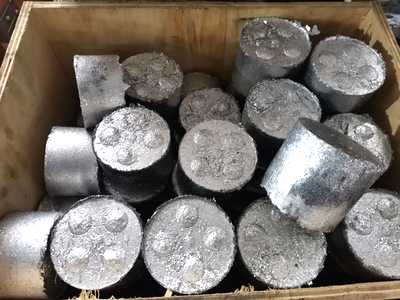
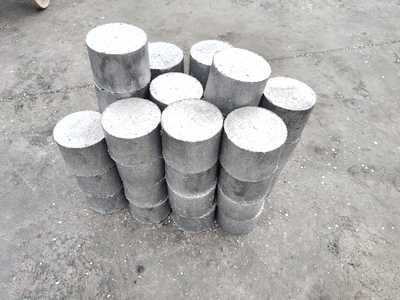
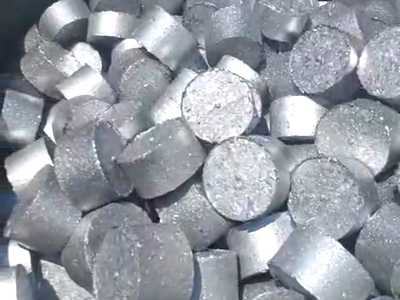
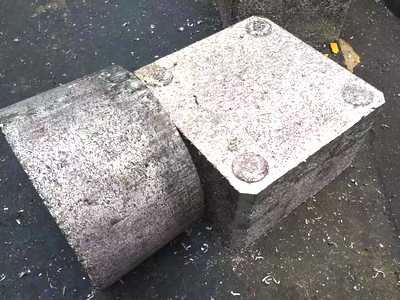
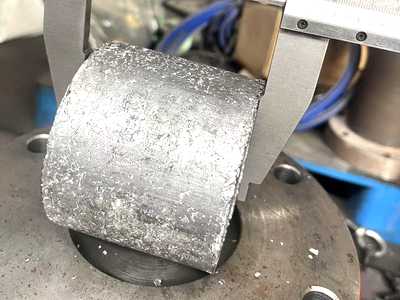
Aluminium chip briquetting machine compresses loose machining chips and swarf into dense, uniform briquettes. It reduces storage and transport volume, improves furnace feeding, supports cutting-fluid recovery and helps reduce oxidation and metal loss during remelting. The appropriate machine configuration depends on chip type, bulk density, oil or moisture content, processing capacity and required briquette specifications.
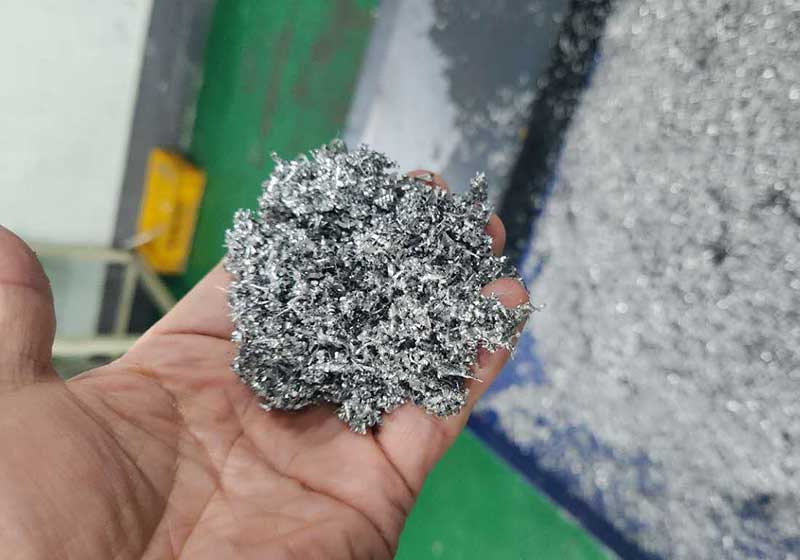
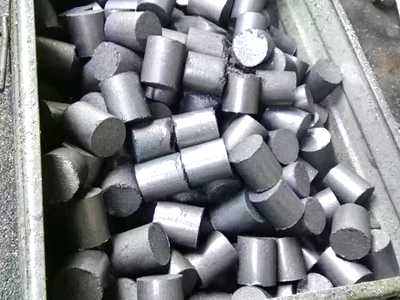
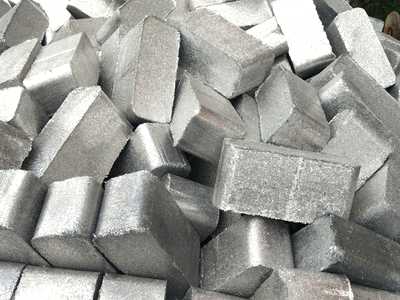
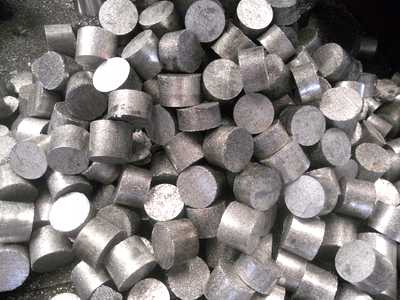
1. Effect After Briquetting:
2. Why briquetting the aluminium chips?
Aluminium chips and turnings are lightweight, bulky and difficult to store, transport and remelt efficiently. Briquetting compresses these loose materials into dense, uniform blocks, creating several operational and economic advantages:
Reduce material volume: High-pressure compaction significantly reduces the space required for storage and transportation.
Improve metal recovery: Dense briquettes reduce oxidation and burning losses during remelting, helping recover more usable aluminium.
Recover cutting fluids: Briquetting can separate residual oil or coolant from the chips, allowing the fluid to be collected, reused or properly treated.
Improve furnace feeding: Uniform briquettes are easier to handle and feed into melting furnaces than loose, tangled turnings.
Reduce material loss: Compact blocks are less likely to scatter during handling, loading and transportation.
Increase scrap value: Clean, dense and consistent briquettes are generally easier to sell and process than loose aluminium chips.
Improve workplace conditions: Briquetting reduces loose chips, oil leakage and clutter, helping maintain a cleaner and safer production environment.
Support automated recycling: Briquetting systems can be integrated with conveyors, crushers, centrifuges and storage equipment to create a continuous chip-processing line.
The final equipment configuration depends on the chip type, size, bulk density, moisture or oil content, required capacity, briquette dimensions and available production space.
3. How Does an Aluminium Chip Briquetting Machine Work?
An aluminium chip briquetting machine uses high hydraulic pressure to compress loose aluminium chips, turnings and swarf into dense, uniform briquettes. The process generally includes the following steps:
Material collection:Aluminium chips generated during machining, milling, drilling or turning are collected and transferred to the briquetting system.
Pre-processing:Long or tangled turnings may be crushed into shorter pieces. Screens or magnetic separators can also remove oversized material and ferrous contaminants.
Feeding:The prepared chips enter a storage hopper and are delivered into the compression chamber by a screw feeder, conveyor or automatic dosing system.
Pre-compaction:Loose chips are evenly distributed and pre-compressed to improve feeding consistency and prevent material bridging.
Hydraulic compression:A hydraulic cylinder applies high pressure inside the chamber, compacting the chips into a solid briquette.
Fluid separation:During compression, residual cutting oil, coolant or water is squeezed from the chips. The recovered fluid can be collected for reuse or treatment.
Briquette discharge:After the required pressure and density are reached, the finished briquette is automatically discharged from the chamber.
Continuous operation:The feeding, compression and discharge cycle repeats automatically. The system can be integrated with crushers, centrifuges, conveyors and fluid-recovery equipment.
The achievable capacity, briquette density and fluid-recovery performance depend on the aluminium grade, chip shape, bulk density, moisture or oil content, feeding consistency and selected machine configuration.
4. Benefits of Aluminium Chip Briquetting machine:
An aluminium chip briquetting machine compresses loose machining chips, turnings and swarf into dense, uniform briquettes. Its main benefits include:
Reduced storage volume: High-pressure compaction considerably reduces the space occupied by loose aluminium chips.
Lower transportation costs: Dense briquettes are easier to load, stack and transport efficiently.
Improved metal recovery: Compact briquettes can reduce oxidation and burning losses during remelting, increasing recoverable aluminium.
Cutting-fluid recovery: Residual coolant and cutting oil can be separated, collected and potentially reused.
Efficient furnace feeding: Uniform briquettes are easier to handle and feed into melting furnaces than loose or tangled chips.
Higher scrap value: Clean, dense and consistent briquettes are generally more valuable and easier for recyclers and foundries to process.
Reduced material loss: Compacted chips are less likely to scatter during handling, storage and transportation.
Cleaner working environment: Briquetting helps reduce loose chips, oil leakage and workplace clutter.
Automated continuous processing: The machine can be integrated with crushers, centrifuges, conveyors, hoppers and other chip-processing equipment.
Lower labor requirements: Automated feeding, compression and discharge reduce manual material handling.
Improved recycling efficiency: Consistent briquette density supports stable downstream handling and remelting operations.
Support for circular production: Recovering aluminium and cutting fluids helps manufacturers reduce waste and improve resource utilization.
5. How to choose suitable briquetting machine for aluminium chips?
Selecting the right aluminium-chip briquetting machine depends on the material characteristics, required capacity, final briquette requirements and factory conditions. The following factors should be evaluated:
Chip type and shape: Identify whether the material consists of short chips, long spiral turnings, fine swarf or mixed machining waste. Long and tangled turnings may require crushing before briquetting.
Material composition: Confirm the aluminium grade and check whether the chips contain steel, copper, plastic or other contaminants. Mixed materials may require sorting or magnetic separation.
Moisture and oil content: Measure the amount of cutting oil, coolant or water in the chips. High fluid content may require draining, centrifuging or a fluid-recovery system.
Required processing capacity: Calculate the hourly or daily chip volume. Choose a machine that can handle normal production as well as peak output without frequent stoppages.
Bulk density: Loose aluminium chips can vary greatly in density. Actual bulk density is essential for determining the feeding system, chamber size and required hydraulic power.
Briquette requirements: Define the required briquette size, density and output form according to storage, transport and furnace-feeding requirements.
Feeding method: Select manual feeding for small volumes or conveyors, screw feeders and storage hoppers for continuous production.
Pre-processing requirements: Determine whether the system needs a crusher, shredder, screen, magnetic separator or centrifuge before briquetting.
Automation level: Choose between manual, semi-automatic and fully automatic operation based on labor availability and the production process.
Installation conditions: Check the available floor area, machine height, foundation, power supply, voltage and access for operation and maintenance.
Safety and maintenance: Consider overload protection, emergency stops, anti-blocking functions, wear-part accessibility and local service support.
Testing and engineering evaluation: Provide representative chip samples, material photographs and production data. A material test can confirm achievable capacity, briquette density and fluid-recovery performance before final machine selection.
For an accurate recommendation, provide the aluminium-chip type, average chip size, bulk density, oil or moisture content, required hourly capacity, operating hours, local voltage and desired briquette specifications.