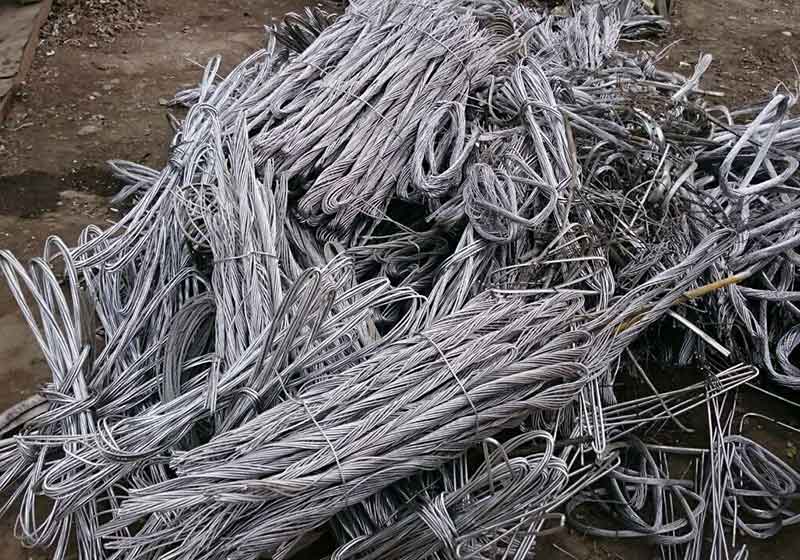
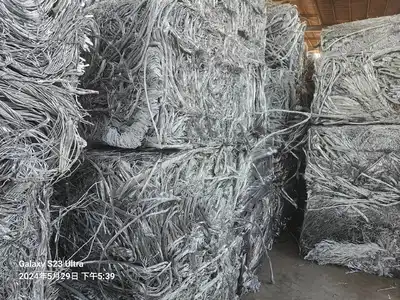
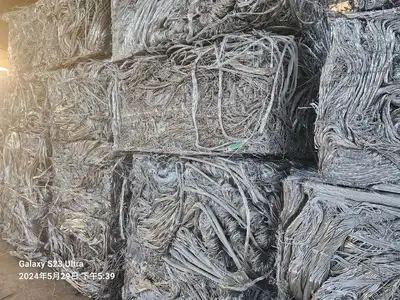
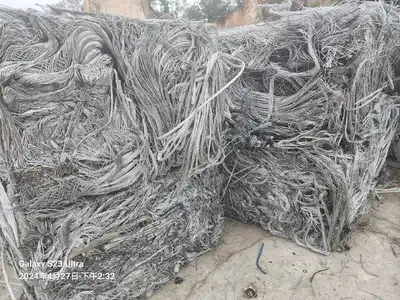
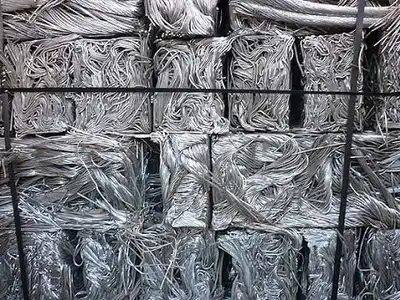
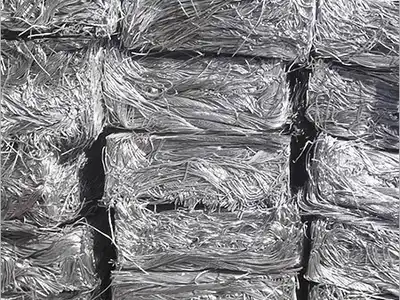
Aluminium wire scrap includes clean electrical conductors, stripped cable cores, wire-production offcuts and long flexible aluminium strands. Because loose wires bend, spring back and entangle with one another, they occupy substantial storage space, are difficult to load evenly and can create unstable piles in a recycling yard.
A hydraulic aluminium wire baler compresses this material into dense rectangular bales for controlled handling and economical transport. This application is intended for baling only. The correct machine must control wire spring-back, contain long strands inside the chamber and produce a bale that remains stable during discharge, stacking and shipment.
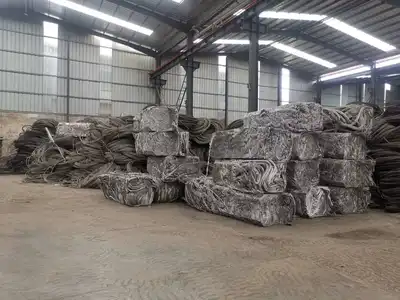
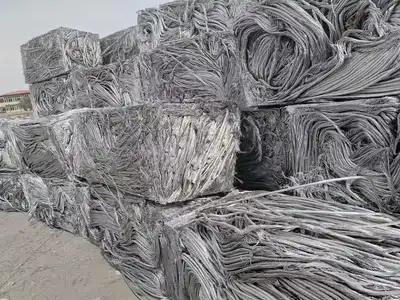
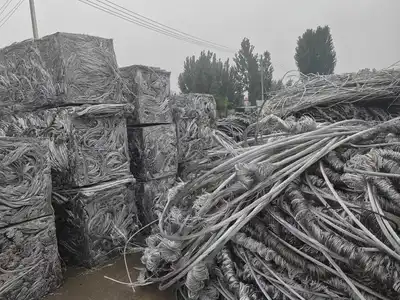
1. Effect After Baling:
2. What Types of Aluminium Wire Are Suitable for Baling?
Typical materials include stripped aluminium cable conductors, wire drawing offcuts, rejected aluminium wire, clean cable cores and sorted flexible strands. Insulation, copper, steel reinforcement, connectors and other attachments should be removed according to the receiving recycler's specification. Sealed, energized or hazardous cable components must never enter the baler.
Very long coils or tightly wound bundles may require cutting, opening or controlled pre-loading. The wire diameter, strand length, alloy, coating and residual contamination influence chamber filling, bale density and the tendency of the material to spring back.
3. Why Bale Aluminium Wires?
Reduce storage volume: compression removes large voids between tangled strands and frees valuable yard or warehouse space.
Improve transport loading: dense rectangular bales use truck and container volume more efficiently than loose coils or irregular piles.
Control tangled material: stable packages reduce dragging strands, scattered wire and entanglement with forklifts or adjacent scrap.
Improve handling safety: contained bales are easier to lift, weigh and stack when correct loading and discharge procedures are followed.
Support sorting and inventory: separated aluminium grades and repeatable bale dimensions simplify stock control and buyer inspection.
Prepare consistent recycling feed: clean compressed wire bales are easier for recyclers and remelting plants to receive and store.
4. How Does an Aluminium Wire Baler Work?
Sort and inspect
Aluminium wires are separated from insulation, copper, steel and other contaminants.
Prepare long material
Oversized coils or extremely long strands are cut or opened when necessary for safe chamber loading.
Load the chamber
Wire is loaded manually, by grab or with other suitable handling equipment while loose ends remain inside the chamber.
Pre-compress and contain
The first compression stage controls the tangled material and reduces spring-back before final densification.
Apply multi-directional compression
Hydraulic rams compress the wire in a programmed sequence to form a stable rectangular bale.
Discharge safely
The finished bale is pushed or turned out for weighing, optional strapping, stacking and shipment.
5. What Do Our Engineers Evaluate?
wire diameter, strand length, coil size, alloy and surface coating;
loose bulk density, entanglement and spring-back behaviour;
insulation, steel reinforcement and other contamination;
hourly or daily throughput and loading frequency;
required bale dimensions, approximate weight and transport method;
feed opening, chamber geometry, ram arrangement and discharge direction;
manual or grab loading, automation, site space, local voltage and safety requirements.
6. How to Choose a Suitable Aluminium Wire Baler?
Select the machine from the maximum wire length, bundle size and actual spring-back rather than rated hydraulic force alone. Long tangled strands require a feed opening and chamber that keep the material contained during loading. Multi-directional compression can improve bale shape and stability, while high-volume yards may require grab loading, automatic cycling and rapid discharge.
Send DILOYA representative material photos, wire diameter and length range, contamination details, required capacity, preferred bale size, loading method, installation space and local voltage. Our engineers will configure the chamber, hydraulic pressure, ram sequence, controls and discharge system for reliable aluminium wire baling.