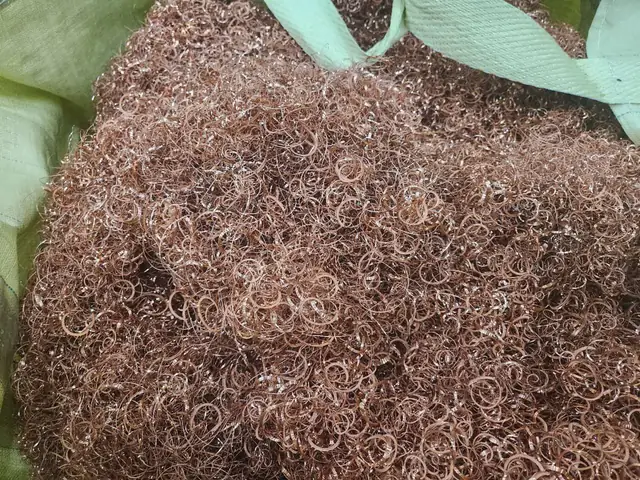
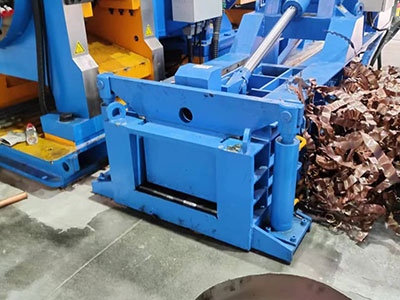
Copper turnings are curled, ribbon-like or spiral machining residues generated by turning, drilling and milling copper components. Their intertwined structure creates a bulky, springy material that can retain cutting oil or coolant and is difficult to feed, stack and transport in loose form. DILOYA configures hydraulic baling or shredding-and-briquetting processes around the actual turnings and the required finished package.
1. Effect After Baling or Briquetting
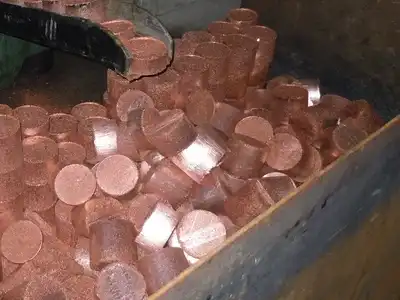
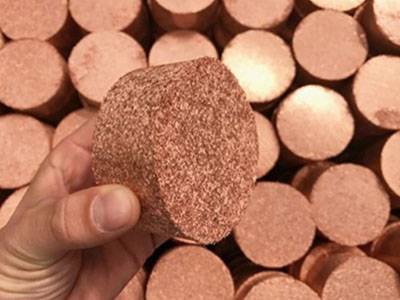
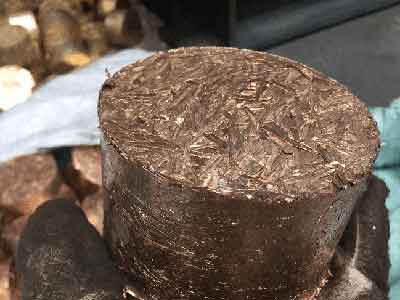
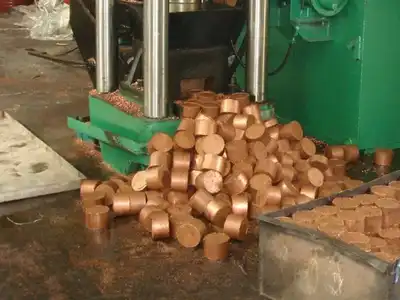
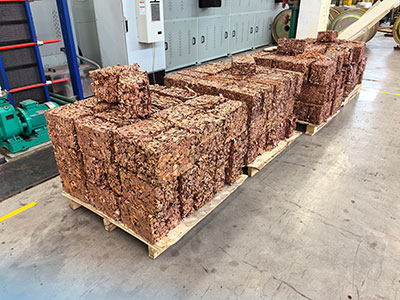
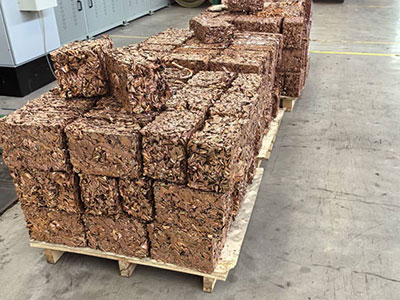
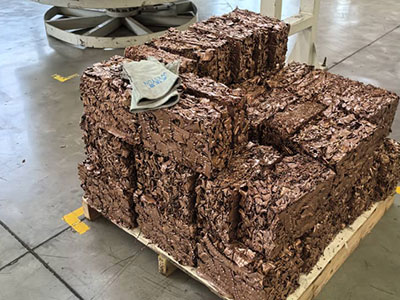
The supplied photographs show both cylindrical copper briquettes and larger rectangular copper-turnings bales. They illustrate different compaction routes; they do not represent one universal package size or density.
2. Why Compact Copper Turnings?
- Reduce loose storage volume: compression converts tangled turnings into defined packages that are easier to arrange in the workshop.
- Improve handling and shipment: finished bales or briquettes provide more manageable units for weighing, collection and transport.
- Keep material grades organized: sorted copper lots can be compacted and identified separately for the customer's recycling route.
- Control loose chips and retained fluid: an appropriate line combines material containment with any required fluid collection.
- Prepare material for the buyer's process: package type, dimensions and condition can be matched to downstream handling and recycling requirements.
The correct process depends on turning length, curl shape, loose bulk density, fluid content, required output and the buyer's acceptance specification. Compaction does not separate mixed alloys or remove every contaminant.
3. Direct Baling or Shredding Before Briquetting?
Hydraulic baling can be considered when suitable long or bulky copper turnings need larger rectangular packages for storage and transport. Chamber size, loading method, compression arrangement and bale discharge are selected for the actual material. The supplied bale photographs illustrate this route.
Briquetting produces smaller compact units using a suitable hydraulic press. Long, entangled turnings may need shredding into shorter feed before pressing. Short prepared chips can then be supplied through a compatible hopper and feeding system. The supplied cylindrical briquette photographs illustrate this alternative.
The choice should not be made from appearance alone. DILOYA should review representative turnings, the desired package and the downstream buyer's requirements before recommending direct baling or a shredding-and-briquetting line.
4. How Does a Copper Turnings Processing Line Work?
- Collect and sort: keep copper grades separate and remove tools, bar ends, non-metallic waste and unsuitable foreign objects.
- Assess preparation: confirm whether the turnings can be baled directly or require shredding for the selected briquetting route.
- Manage retained liquid: provide appropriate drainage, collection or a specified centrifuging stage where the actual fluid condition requires it.
- Feed the compaction equipment: match the loading or controlled feeding system to the chip shape and machine.
- Form the package: compress the material into the agreed bale or briquette dimensions.
- Collect and identify: check weight and package condition, then store and dispatch the material according to the handling plan.
5. Material Quality and Fluid Handling
Copper turnings should be assessed for alloy mix, surface contamination, cutting-fluid type and retained liquid. Recoverable liquid needs a suitable collection arrangement and assessment before reuse; filtration or other treatment may be required. Neither baling nor briquetting should be described as guaranteeing completely oil-free or contamination-free material.
Sharp turnings, heavy finished packages and moving equipment require suitable guarding, handling procedures and maintenance access. The customer's material specification and site procedures remain important throughout the process.
6. What Our Engineers Evaluate
DILOYA evaluates copper grade, turning length and thickness, curl and bundle condition, loose bulk density, oil or coolant content, contamination, hourly material generation and target output. The proposal also considers bale or briquette dimensions and weight, any required shredding or centrifuging, feeding method, fluid collection, available floor space, local electrical supply and the downstream recycling specification.