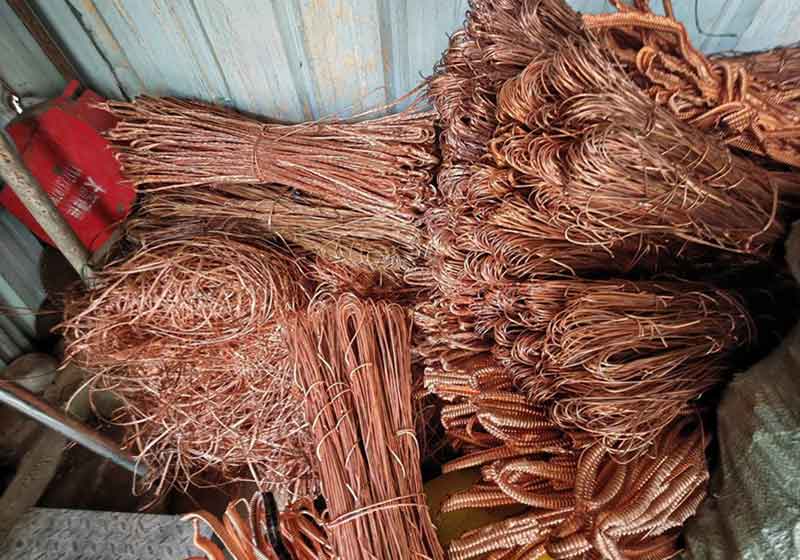
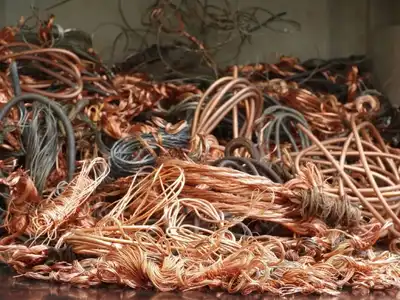
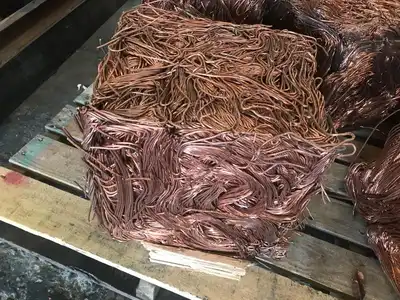
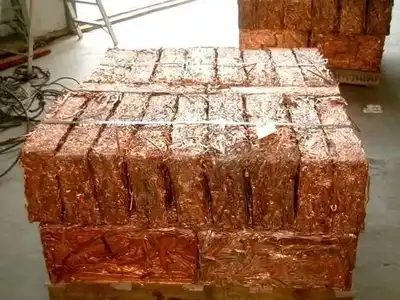
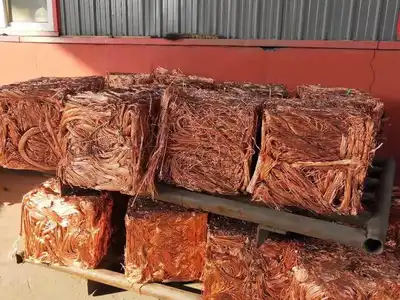
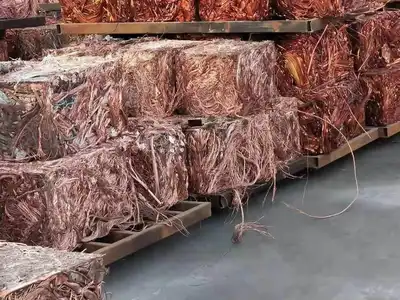
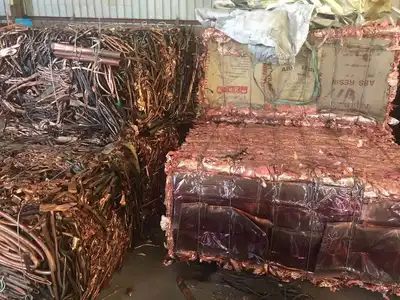
Copper wire scrap includes bare millberry wire, stripped cable conductors, winding wire, flexible strands and mixed clean copper wire recovered from electrical equipment and cable processing. Loose wire is springy, entangles easily and occupies a large storage volume despite its high material value.
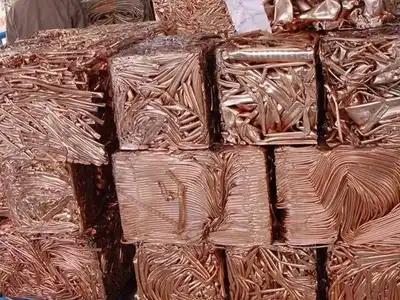
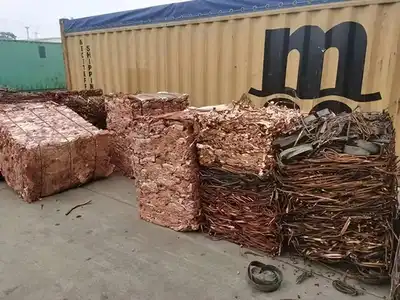
DILOYA hydraulic metal balers compress clean copper wire into dense, stable rectangular packages for secure storage, accurate weighing, forklift handling and economical shipment. This Copper&Brass Scrap application is intended for baling only; fine granules and short chips belong in a briquetting press.
Effect After Copper Wire Baling
Suitable Copper Wire Feed
Suitable material includes bare copper wire, stripped cable, winding wire and flexible clean conductors that can fold safely inside the chamber. Copper grades should be separated when required by the buyer. Steel armouring, connectors, plastic insulation, batteries, sealed parts and excessive non-copper contamination must be removed before baling.
Why Bale Copper Wire?
- Volume reduction: compresses springy loose wire into compact packages.
- Secure inventory: stable bales are easier to count, weigh and protect.
- Efficient logistics: improves stacking, forklift movement and container loading.
- Reduced handling loss: contains fine strands and prevents loose wire from spreading.
- Grade control: separate bales preserve copper quality and buyer specifications.
Baling Process and Machine Selection
Wire is sorted, mechanically loaded into the chamber and compressed through a controlled lid or wing sequence. The main ram forms the target bale, which is then discharged for inspection and stacking. Chamber opening, compression force, bale dimensions and discharge method are selected around wire diameter, bundle size, spring-back and daily throughput.
Operating and Safety Considerations
Long strands can snag clothing and equipment, so mechanical feeding and guarded work zones are preferred. Overhanging loops should be contained before compression, and operators must never reach into a loaded chamber. Wear liners, hydraulic filtration, cooling and safe bale removal support reliable operation.
What DILOYA Engineers Evaluate
DILOYA evaluates copper grade, wire diameter and length, strand or bundle condition, loose bulk density, insulation and contamination, spring-back, required throughput, bale dimensions and weight, loading method, discharge direction, installation space and local voltage. Representative photos and buyer requirements allow our engineers to match the chamber, compression force, hydraulic power and controls to the actual wire stream.