Heavy Scrap Metal

Heavy scrap metal includes thick steel plate, beams, channels, pipe, fabrication offcuts and dismantled machinery structures. DILOYA hydraulic scrap shears pre-compress and cut this oversized ferrous material into controlled furnace-ready lengths for safer stockpiling, efficient loading and reliable downstream melting. This application is intended for shearing only.

What our engineers evaluate

Our engineers evaluate steel type and strength, maximum plate thickness, pipe diameter, section dimensions, piece length, contamination, required throughput, target cut length, loading equipment, discharge arrangement, installation space, local voltage and downstream furnace requirements.

Discuss your application +
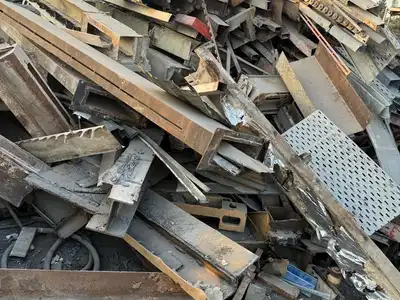
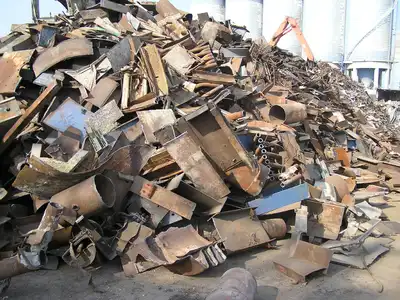
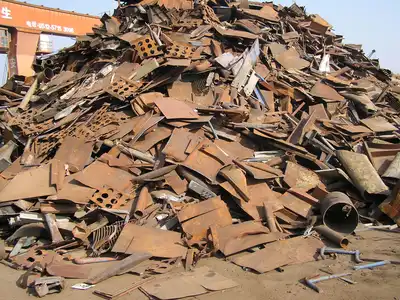
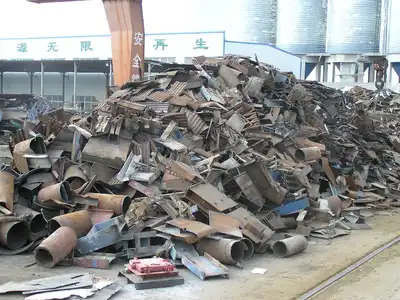
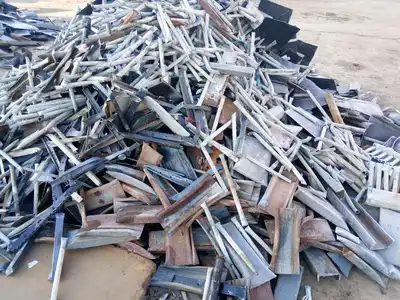
Heavy steel plate and structural scrap before shearing

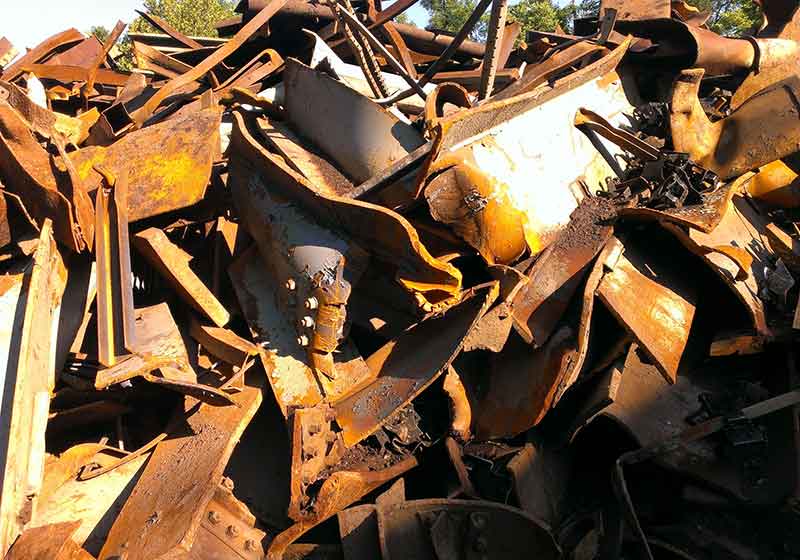
Heavy scrap metal includes thick steel plate, structural sections, beams, channels, angle, pipe, fabrication offcuts, dismantled machinery frames and other dense ferrous pieces that are too large or rigid for economical furnace charging. The main processing requirement is controlled size reduction rather than volume compaction.

DILOYA hydraulic scrap shears cut oversized heavy steel into short, consistent furnace-ready pieces for easier stockpiling, loading and melting. This application is intended for hydraulic shearing only. Thin springy sheet is better handled by a metal baler, while sealed vessels, gas cylinders and hazardous components must be removed before processing.

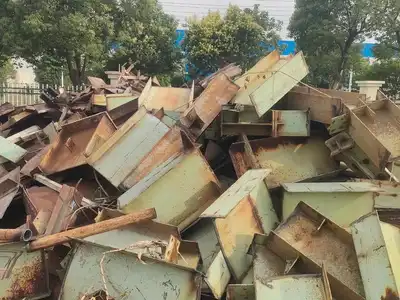
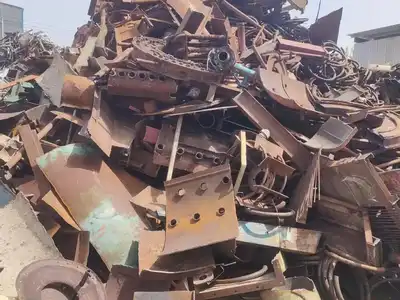
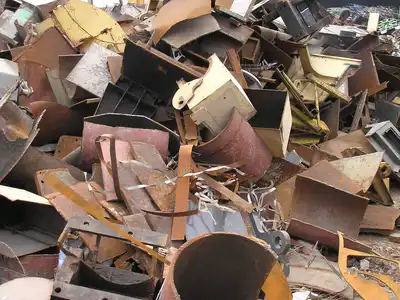
Typical Heavy Scrap Prepared for Shearing

Heavy steel sections and bars prepared for hydraulic shearing Mixed heavy steel plate and structural scrap Oversized structural steel scrap for size reduction Industrial heavy ferrous scrap and machine components
Heavy plate and fabrication offcuts for shearing Oversized mixed heavy scrap at a recycling yard Thick steel plate scrap ready for hydraulic shear processing Heavy pipe and structural section scrap for cutting

Which Heavy Scrap Can Be Sheared?

Typical feed includes demolition steel, plate offcuts, beams, channels, angle, rails within the machine specification, heavy pipe, welded structures and dismantled equipment parts. The scrap should be free of explosives, pressurized cylinders, closed tanks, batteries and hazardous residues. Concrete-filled sections, hardened alloys, very thick castings and high-strength material require separate evaluation.

Maximum cross-section matters more than overall pile weight. Plate thickness, pipe diameter and wall thickness, section geometry, alloy strength and whether pieces are single or bundled all influence cutting resistance. Representative photos and measured dimensions are required before selecting shear force and blade opening.

Why Cut Heavy Scrap Before Recycling?

  • Meet furnace charge size: controlled cut lengths fit charging buckets, induction furnaces and downstream handling equipment.
  • Improve stockyard density: shorter pieces nest more efficiently and reduce unstable oversized piles.
  • Simplify transport: consistent dimensions improve grab loading, truck utilization and container planning.
  • Support sorting: processing exposes attachments and mixed components that can be separated before shipment.
  • Reduce torch cutting: hydraulic shearing can replace part of the manual flame-cutting work for suitable material.

Shear Configuration by Material

Feed conditionConfiguration priority
Long beams, channels and angleWide feed box, reliable hold-down and controlled cut length
Thick plate and fabrication offcutsAdequate blade force, suitable blade gap and wear-resistant liners
Mixed demolition and machinery scrapLarge loading chamber, pre-compression and robust contamination tolerance
High-volume recycling yard feedGrab loading, automatic cycle, rapid discharge and heavy-duty cooling

How Hydraulic Scrap Shearing Works

  1. Inspect and sort: remove unsafe items, non-ferrous components and material outside the machine specification.
  2. Load the feed box: a material handler or grab places long and bulky pieces in a stable orientation.
  3. Pre-compress: side and lid rams reduce the bundle cross-section and present a controlled charge to the shear head.
  4. Hold and cut: the hold-down secures the scrap while the shear blade applies concentrated force through the section.
  5. Advance the material: the feed system indexes the bundle according to the selected cut length.
  6. Discharge and inspect: cut pieces leave the shear for stockpiling, sorting or direct furnace preparation.

Blade Life, Wear and Operating Control

Stable feeding and correct blade clearance are essential. Material that twists under the hold-down or enters above the specified cross-section can overload the blade and reduce cutting quality. Replaceable blades, protected ram surfaces, chamber liners and accessible lubrication points support routine maintenance in abrasive scrap-yard conditions.

The hydraulic system should be sized for the required duty cycle, local ambient temperature and daily operating hours. Pressure monitoring, oil filtration, cooling, automatic lubrication and overload protection help maintain repeatable shear performance.

What DILOYA Engineers Evaluate

DILOYA evaluates material type and strength, maximum plate thickness, pipe diameter, section dimensions, piece length, contamination, hourly or daily volume, desired cut length, loading equipment, discharge arrangement, installation space, foundation conditions, local voltage and downstream furnace specification.

Send representative material photos, measured maximum cross-sections, expected throughput, target cut length and site layout. Our engineers will match the shear force, blade width, feed box, pre-compression system, hydraulic power unit, cooling and controls to the actual heavy scrap stream.
FAQ

How do I choose the right recycling process for my material?+

The right process is the one that produces a material your next customer or production stage can use. Bulky offcuts intended for transport need a different route from oily machining chips intended for remelting. Define that destination first, then work backwards through sorting, size reduction and compaction. How to Choose a Metal Chip Briquetting Line for a Small CNC Machine Shop illustrates why the upstream chip condition matters as much as the final press.

Baling, shearing, shredding and briquetting solve different handling problems. Send representative photos or samples and the buyer's acceptance requirements so the proposed process can be matched to both the incoming waste and its next use.

What information should I send for an accurate quotation?+

An accurate quotation needs an operating brief, not just a requested tonnage. Show the supplier the most difficult normal feed, describe the accepted finished product and identify the equipment already available at the site. Two quotations labelled “one tonne per hour” can cover very different processing stages; the information below helps make their scope comparable.

Useful information to include

  • Feed: material, size, contamination and sample photos.
  • Workload: daily mass, peak accumulation and available production hours.
  • Result: required package or cut size and the receiver's acceptance criteria.
  • Interfaces: loading method, collection equipment and any existing machines.
  • Site: layout, supply voltage, ambient conditions and destination.

Explain how material will arrive and how finished products will be removed. A floor plan, loading height and downstream equipment details help define the scope. The quotation should clearly distinguish the main machine, options, installation requirements and services.

How should I calculate the capacity my operation needs?+

Calculate demand from accepted processed mass divided by genuinely available production time. Then check peak accumulation separately: a line may meet the daily average yet fall behind during the busiest shift. Do not add an arbitrary safety margin before finding whether feeding, preparation or discharge is the real constraint. For chip-processing projects, How to Choose a Metal Chip Briquetting Line for a Small CNC Machine Shop explains the whole-line approach.

Example: processing 8 tonnes in 8 genuinely available production hours requires an average of 1 tonne/hour. If only 6 hours remain after the necessary tasks and interruptions, the required average during those hours is higher. These values illustrate planning, not a machine rating.

Use realistic measured availability and identify whether the proposed capacity includes all required handling stages.

Also consider the complete line. A fast press cannot compensate for an undersized shredder, slow bag placement or restricted discharge. State both average demand and peak accumulation so working buffers and sustained capacity can be selected sensibly.

Leave A Message

Let's Figure Out The Best Solutions!

Tell us what you need.

Share your material, target hour capacity and other requirements. Our engineering team will reply with a suitable solutions.

01Call DILOYA+86 152 2134 765002Email our teaminfo@diloya.com
We use your details to respond to this enquiry. Read our Privacy Policy.