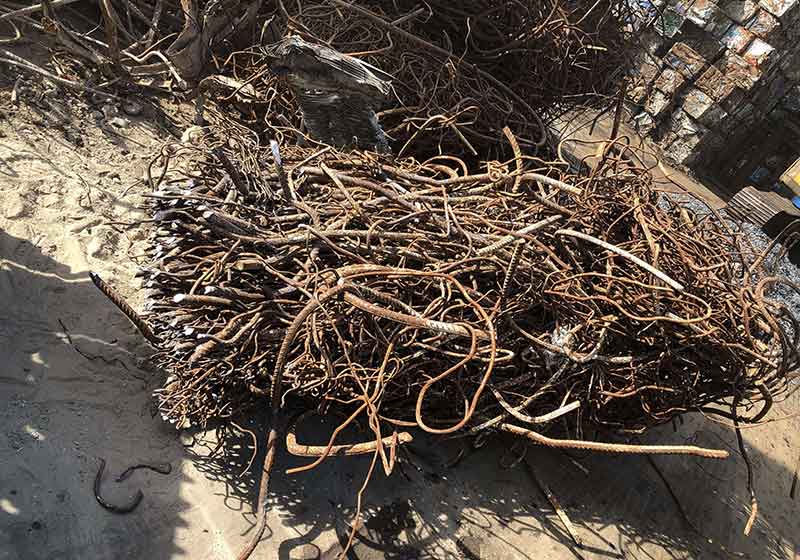
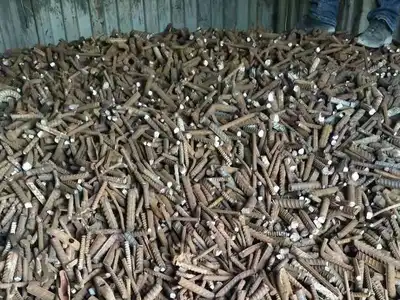
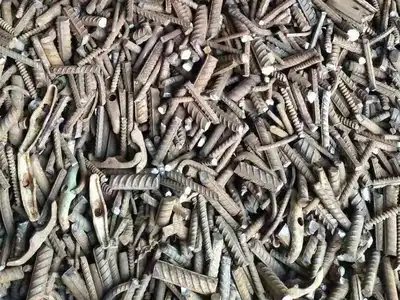
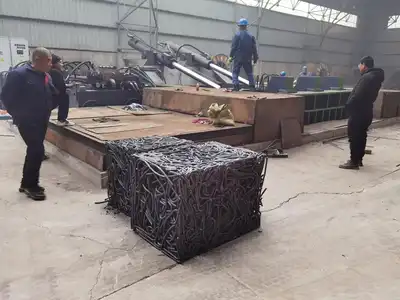
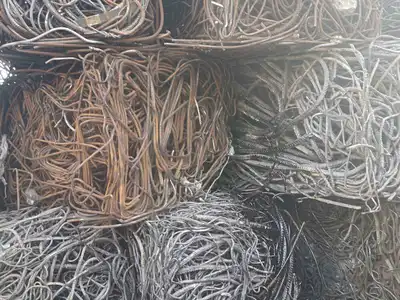
Steel bar scrap includes reinforcing bar, round bar, bent rod, short cut-offs, tangled demolition rebar and production remnants from construction, fabrication and steel-service operations. The material may arrive as straight lengths, irregular bundles or springy entangled masses, so the correct processing route depends on bar diameter, length, shape and the buyer's required finished size.
DILOYA supports two distinct processing routes for steel bar. Long, thick or rigid pieces can be reduced to controlled charging lengths with a hydraulic scrap shear. Shorter, thinner and bendable bars can be compressed in a hydraulic metal baler to form dense transport bales. A project may use either method or combine shearing before baling when the incoming material varies widely.
Steel Bar Material and Processing Results
When to Shear Steel Bar
Hydraulic shearing is recommended for long straight bars, thick rebar, rigid round bar and mixed sections that must be shortened before furnace charging or further handling. The hold-down system controls movement while the blade cuts the material to a repeatable length. This route reduces manual cutting, prevents long pieces from bridging in containers and gives the melting plant a more consistent charge size.
Shear selection is based on maximum bar diameter, steel grade, bundle cross-section, feed length, target cut length and hourly throughput. Bars should be free from sealed vessels, concrete blocks and hardened components outside the specified cutting range.
When to Bale Steel Bar
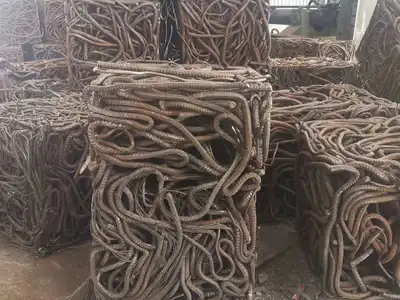
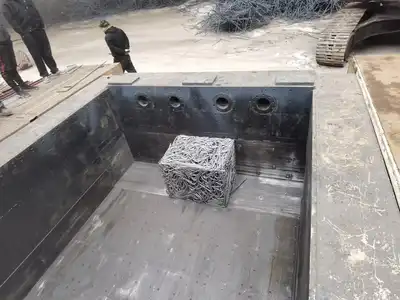
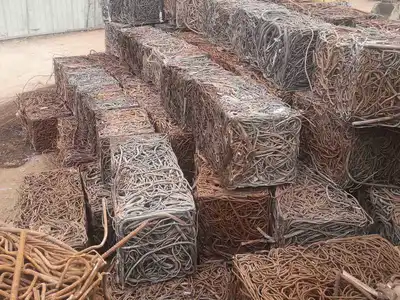
Baling is suitable for shorter offcuts, thin reinforcing bar, bent rod and tangled material that can fold safely under hydraulic compression. The baler closes the loose mass into a stable rectangular package, reducing occupied volume and improving stacking, forklift handling, truck loading and scrap-yard organization.
Because rebar can spring back and interlock, chamber size, lid or wing force, compression sequence and bale discharge arrangement must match the actual feed. Dense bales should remain stable without creating pieces that protrude dangerously during handling.
Shearing and Baling Selection Guide
| Incoming steel bar | Recommended process | Primary objective |
|---|
| Long, rigid or large-diameter bar | Hydraulic shearing | Controlled furnace-ready cut length |
| Short, thin, bent or tangled rebar | Hydraulic baling | Dense stable transport package |
| Mixed long and springy material | Shear first, then bale when required | Size control plus volume reduction |
Typical Operating Sequence
- Inspect and sort the steel bar by diameter, length, steel grade and contamination.
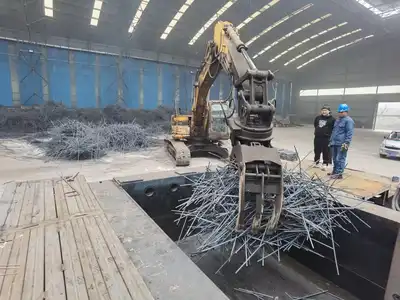
- Use a grapple or loader to feed the shear box or baler chamber without overfilling.
- For shearing, pre-compress and advance the bundle before each cut; for baling, fold and compress the material through the programmed cycle.
- Discharge the cut steel or completed bale to a protected handling area.
- Check cut length, bale stability, throughput and equipment load, then adjust the feed batch or cycle settings as needed.
What DILOYA Engineers Evaluate
DILOYA evaluates bar type and steel grade, minimum and maximum diameter, straight or tangled condition, maximum feed length, bundle cross-section, loose bulk density, contamination, required throughput, target cut length or bale dimensions, available loader, discharge method, installation space, foundation conditions and local electrical supply.
Send representative material photos, measured bar diameters, maximum lengths, daily volume and the required downstream package. Our engineers will determine whether shearing, baling or a combined process is appropriate and match the shear force, blade width, chamber dimensions, compression force, hydraulic power and controls to the real material.