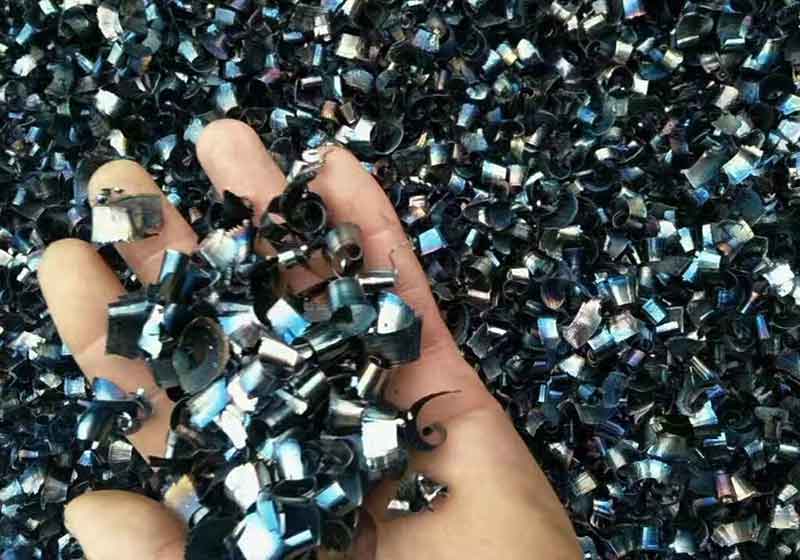
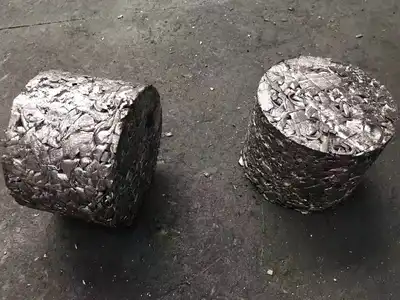
Steel chips are loose machining residues produced by turning, milling, drilling, sawing and other metal-cutting operations. They may be short curls, fine swarf or mixed small fragments, and often retain cutting oil or coolant. Although the metal has recycling value, its low bulk density and irregular shape make loose storage, transport and furnace feeding inefficient.
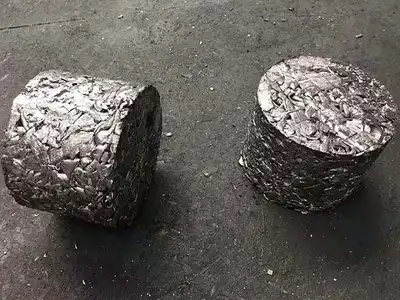
DILOYA processes steel chips with hydraulic briquetting presses. High pressure compacts the loose swarf into dense cylindrical briquettes while recovering part of the entrained fluid. This application is intended for briquetting only; bulky sheet scrap belongs in a baler, while long or heavy structural pieces require shearing.
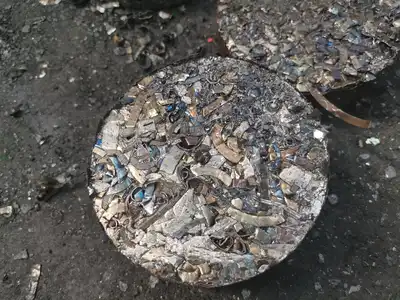
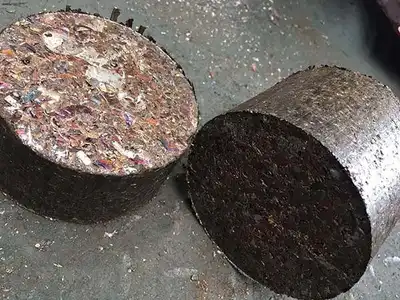
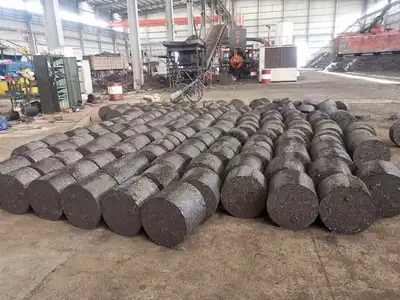
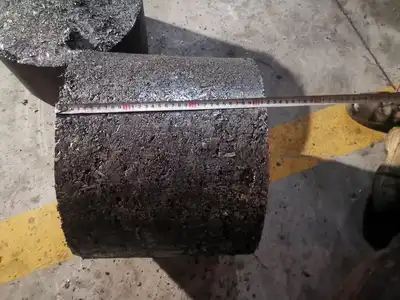
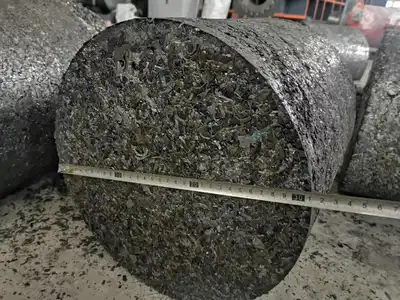
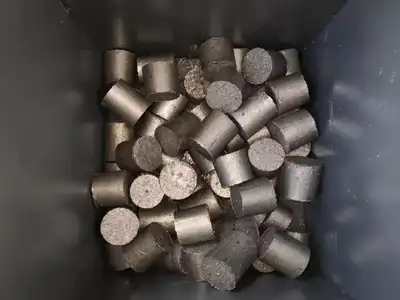
Effect After Steel Chip Briquetting
Which Steel Chips Can Be Briquetted?
Suitable feed includes carbon-steel turnings, cast-iron chips, tool-steel swarf, short spiral chips and screened ferrous machining fines. Consistent chip size and controlled moisture improve feeding and briquette stability. Long nests may require a chip crusher before pressing, while excessive tramp metal, grinding wheels, rags and sealed parts must be removed.
Different grades should be kept separate whenever the recycler or foundry requires traceable chemistry. Cast iron, carbon steel and alloy steel can behave differently under pressure, so trials or representative samples help determine the correct feeding, compression and cooling settings.
Why Briquette Steel Chips?
- Higher bulk density: converts loose swarf into compact units that occupy less storage and transport volume.
- Fluid recovery: compression can release reusable cutting oil or coolant for collection and treatment.
- Cleaner handling: reduces scattered chips, dripping containers and airborne fines around the machining area.
- Controlled furnace feed: consistent briquettes are easier to charge and can reduce floating or burn-off compared with loose chips.
- Improved material value: separated, dense and cleaner briquettes are easier for recyclers and foundries to receive.
Typical Steel Chip Briquetting Line
- Collect and segregate steel chips by grade and machining source.
- Remove tramp metal and foreign contamination; crush long tangled nests when required.
- Meter chips from a hopper or conveyor into the briquetting chamber.
- Apply hydraulic pressure to form a stable cylindrical briquette and express retained fluid.
- Discharge, cool and collect the briquettes while routing recovered liquid to a tank or filtration system.
Feed Condition and Process Control
Briquette quality depends on chip geometry, loose bulk density, alloy, oil or coolant content, fines percentage and feed consistency. Bridging in the hopper can interrupt production, so agitators, screw feeders, crushers or level controls may be selected for difficult swarf. Compression pressure and dwell time must produce a handleable briquette without unnecessary energy consumption.
The hydraulic power unit, filtration, oil cooling, wear liners and automatic lubrication are configured for the planned duty cycle. Fluid collection areas should be accessible for cleaning, and operators should monitor briquette density, cracking, feed continuity and recovered-liquid condition.
What DILOYA Engineers Evaluate
DILOYA evaluates chip source and steel grade, chip length and curl, loose bulk density, oil or coolant percentage, fines content, contamination, hourly throughput, desired briquette diameter and density, upstream chip collection, feeding method, fluid recovery requirements, installation space and local electrical supply.
Send representative chip photos or samples, material safety information, daily volume and the required downstream package. Our engineers will match the press force, chamber diameter, hopper, feeder, crusher option, hydraulic power, cooling and fluid collection system to the actual steel-chip stream.