DILOYA at ALUMINIUM CHINA 2025: Aluminium Recycling Solutions
- Booth Number:
- 2J35
- Date:
- 9–11 July 2025
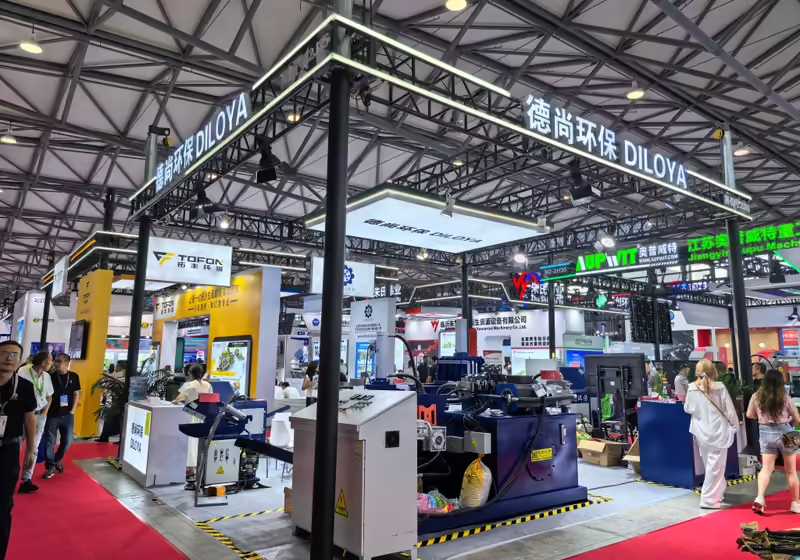
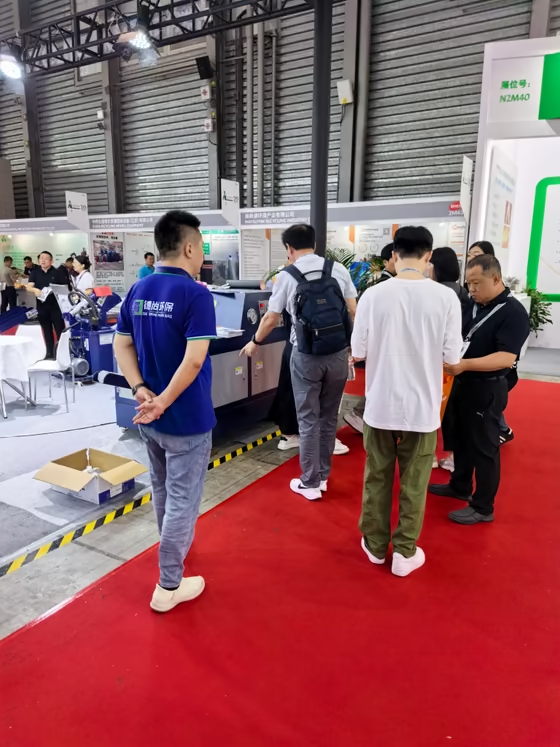
DILOYA participated in ALUMINIUM CHINA 2025 at the Shanghai New International Expo Centre from 9–11 July 2025, at booth 2J35. This exhibition review brings together photographs of the stand and the aluminium recycling applications behind the equipment: converting loose machining chips into briquettes and preparing suitable aluminium scrap for more organised handling.
For aluminium processors, equipment selection begins with the material rather than the press alone. Fine chips, tangled turnings, used beverage cans and bulky offcuts have different feeding and compaction requirements. The objective is to match material preparation, pressing and discharge to the operation’s storage, transport and downstream recycling workflow.
Loose aluminium chips contain substantial void space and can be difficult to collect and transfer consistently. A briquetting system compacts suitable chips into defined briquettes, making the output easier to contain, count, move and prepare for the next process. The Aluminium Chips Briquetting Line explains how feeding and pressing can be coordinated as a complete material-handling process.
The suitable arrangement depends on chip length, alloy, contamination, residual cutting fluid and the required processing rate. Short, free-flowing chips and long, tangled turnings should not be treated as identical feedstocks. Where necessary, size reduction, screening or liquid separation must be assessed before pressing. An Integrated Auto Metal Chips Briquetting Line is a useful reference when considering how the individual stages fit together.
An Integrated Briquetting Press offers a configuration to consider where a coordinated machine layout and limited installation space are important. A Horizontal Briquetting Press provides another equipment format to evaluate against material characteristics, required briquette dimensions, feeding arrangements and discharge access. Neither orientation alone determines suitability or capacity.
Project selection should therefore compare the complete working envelope, not only the machine’s footprint. Hopper loading, maintenance access, briquette collection, forklift routes and upstream chip storage all occupy space. A practical layout leaves room for these activities without obstructing operators or service personnel.
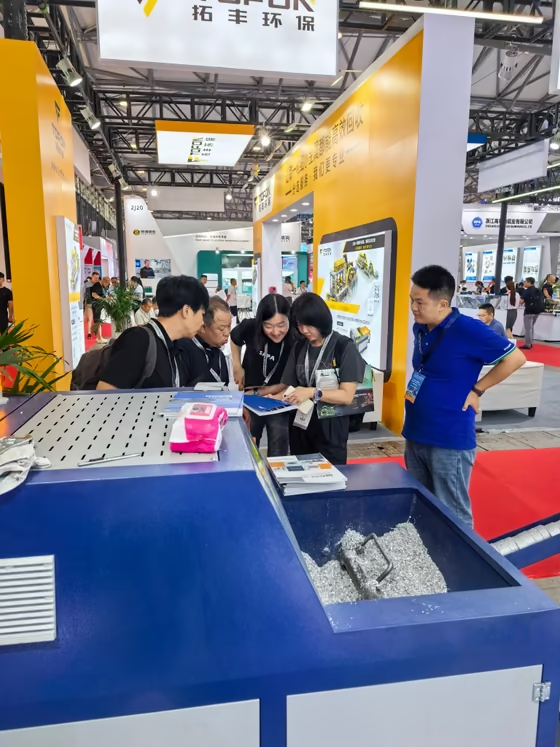
Compacting loose chips reduces the void space within the material and creates a more defined output form. This can reduce the volume required to hold a given mass of suitable chips, simplify collection and help keep the working area organised. Briquette strength and the chosen container still matter: material that breaks apart during repeated handling may not deliver the expected practical benefit.
Transport savings depend on whether a shipment is limited by volume, legal payload or container arrangements. A denser product does not automatically mean every vehicle can carry more weight. Compare actual load utilisation, container tare weight, loading time and handling losses before calculating the financial return. Briquette density must also be distinguished from the bulk density of briquettes loosely packed in a container.
Briquettes can provide a more manageable furnace-charging form than loose chips. Potential improvements in charging behaviour and metal recovery depend on alloy, cleanliness, remaining fluid, briquette integrity and the furnace process. Briquetting does not remove every contaminant, replace drying or guarantee a particular reduction in oxidation losses.
Material segregation remains essential. Keeping alloys and contaminated streams separate helps downstream processors control feed composition. Only suitably prepared material should enter a furnace under the receiving facility’s approved procedures; compacting wet or contaminated chips is not a substitute for safe feed preparation.
For machining chips carrying cutting fluid, the preparation stage deserves particular attention. Mechanical separation may be appropriate before pressing, while recoverable liquid requires collection, filtration and assessment before reuse. The Metal Turning Shred-Centrifuging Briquette Line provides a related process reference for evaluating these additional stages. The need for each stage should be confirmed through representative material assessment.
Briquetting is not the default solution for every aluminium scrap stream. Suitable cans and other compressible scrap may be better matched to a baling system, depending on feed size and the receiving recycler’s requirements. The Automatic UBC Baler is a relevant product reference for used beverage can handling, whereas machining chips require a chip-specific assessment.
The key questions are what enters the chamber and what the buyer or downstream process needs to receive. Feed opening, chamber dimensions, bale or briquette form, loading method and discharge arrangements should be checked together. Selecting only by nominal pressing force can overlook the constraints that determine day-to-day productivity.
The following published customer cases illustrate different aluminium material streams and operating requirements. They are separate project references, not evidence of orders placed at this exhibition or a guarantee that the same configuration fits every site.
Aluminium Chips Briquetting Machine — a Thailand project involving 6061 aluminium chips, useful when reviewing a machining-chip application.
Aluminium Die Cast Chips Briquetting Line in Korea — an ADC12 aluminium die-cast chip application with an integrated arrangement for limited production space.
Automatic Aluminium UBC Shear Baler — an Indonesian aluminium UBC recycling project, providing a contrasting reference for can-scrap preparation.
A useful enquiry includes representative material photographs or samples, the alloy and source process, chip size and shape, residual-fluid condition, contamination and the hourly or daily quantity. Specify the available operating hours as well: a daily tonnage alone does not establish the required hourly processing rate.
Also provide the preferred briquette or bale dimensions, the receiving process’s acceptance requirements, power supply, installation-space limitations and upstream and downstream handling methods. Where long operating shifts are planned, assess cooling, filtration, maintenance intervals and access as part of the complete system. Continuous-operation suitability must be confirmed for the selected configuration and site conditions.
Possibly, but suitability must be checked for each feedstock. Alloy alone is not enough: chip geometry, contamination, moisture or residual fluid and feeding behaviour can change the pressing result. Keep alloy streams segregated where the downstream process requires composition control, and establish appropriate settings and acceptance checks for each approved material.
Use representative material and a clearly defined operating basis. A capacity figure should state the material condition and configuration involved; it should not be transferred unchanged from a different project. Include feeding interruptions, container changes and planned maintenance when estimating practical daily output.
Yes. The exhibition took place on 9–11 July 2025, but you can still contact DILOYA with your material and site requirements. The related products, solutions and customer cases on this page provide a starting point for an application-specific discussion.
Event reference: the organiser’s ALUMINIUM CHINA 2025 announcement confirms the event dates and Shanghai venue. Booth 2J35 and the photographs are supplied by DILOYA.
Share your material, target hour capacity and other requirements. Our engineering team will reply with a suitable solutions.