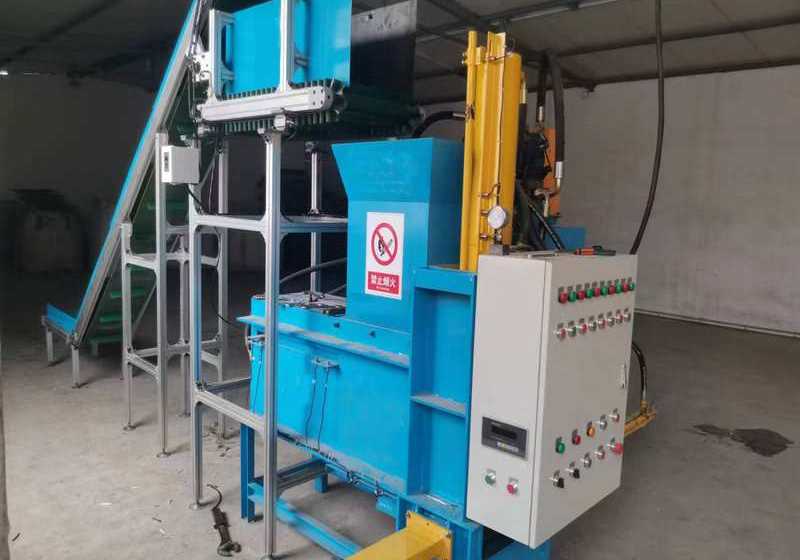
Animal Bed/Feeding Baler
Weighing Bagging Baler for Alfalfa Feed and Animal Bedding
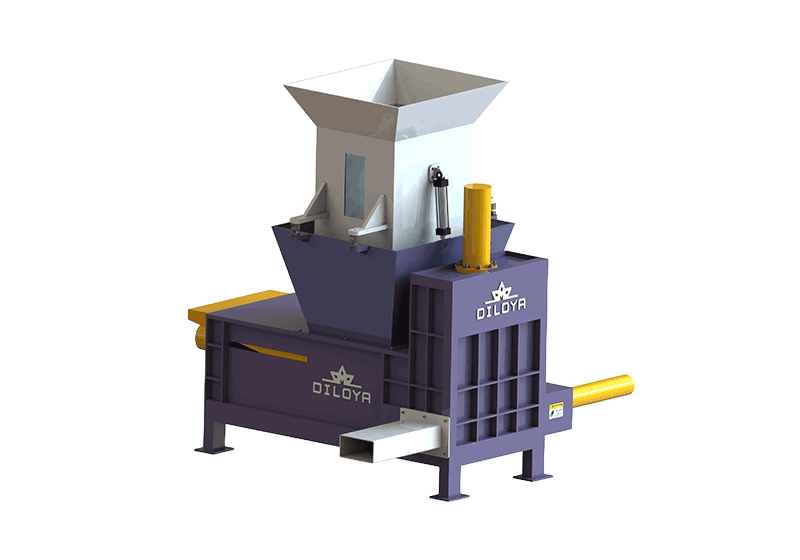
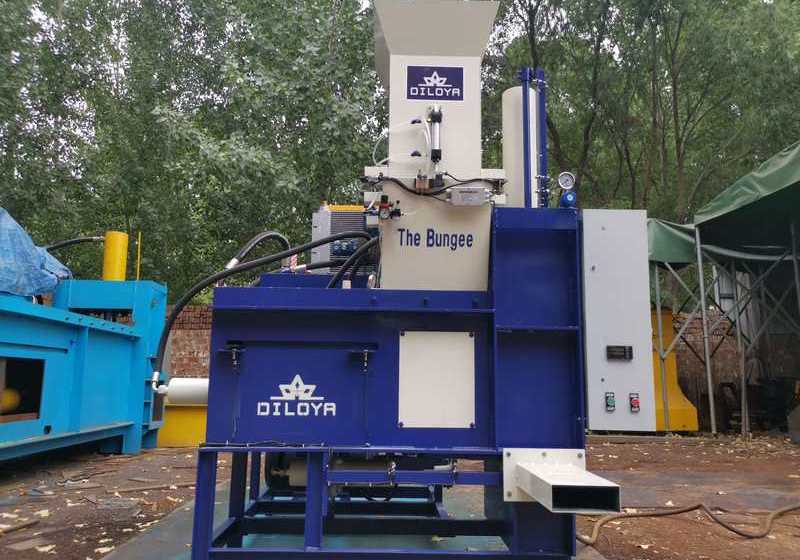
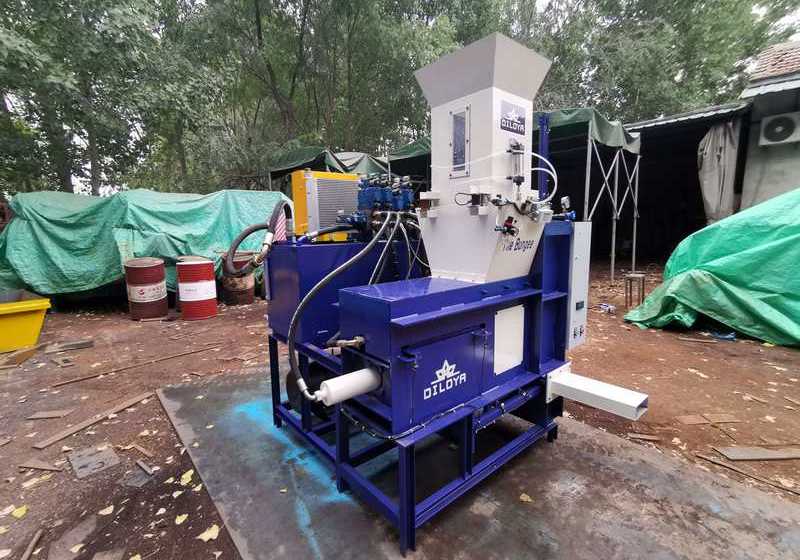
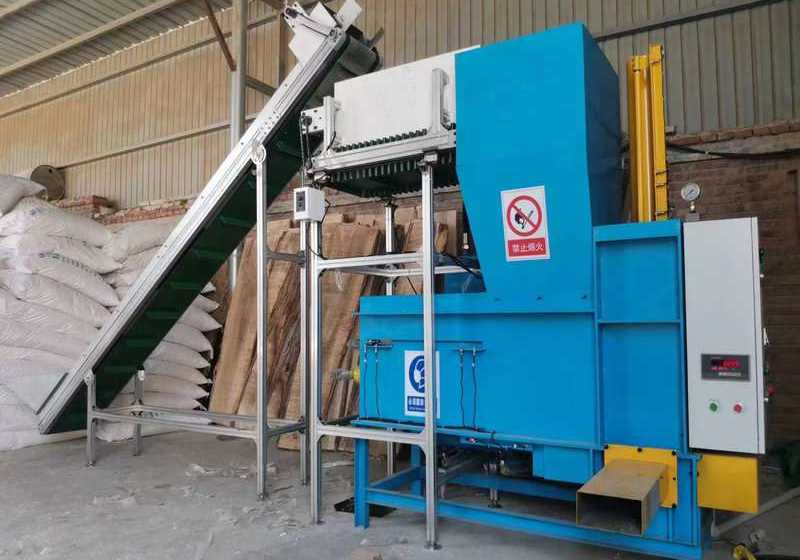
The DILOYA Animal Bed/Feeding Baler packages suitable alfalfa hay for feed and clean sawdust or wood shavings for animal bedding. A weighing-based filling system targets consistent bale weight, followed by hydraulic compression and bagging for orderly storage and distribution. On a suitable configuration, output can reach up to 200 bales per hour; actual rate depends on material density, moisture, target weight, bag size and feeding conditions.
- Capacity
- 150-220 Bales/Hour
- Model
- HBT Series
- Motor Brand
- TaiZhou TaiDa
- Control
- PLC automatic control
- Power supply
- Customized
- Package
- Wooden Package
Description
The DILOYA Animal Bed/Feeding Baler serves two distinct packaging streams: qualified alfalfa hay intended as animal feed, and clean sawdust or wood shavings intended as bedding. The materials should be processed and labeled separately. A metered weighing stage helps deliver a repeatable target charge before hydraulic compression and bagging.
1> Weigh, Compress and Bag
Prepared material is conveyed into a weighing hopper or other specified metering system. After a target charge is measured, it enters the press chamber, is compressed to a manageable package and discharged into a bag. The bag is then closed, checked and labeled. Feed flow, dust control and bag strength are selected for the particle size, moisture and spring-back of the material. Calibration and periodic weight checks remain necessary for consistent finished bales.
2> Feed and Bedding Require Different Controls
Alfalfa for feed must meet the customer's nutritional, moisture, hygiene and local regulatory requirements. Wood sawdust and shavings in this application are bedding materials, not animal feed. Sharp fragments, treated wood, mold and excessive dust should be excluded. Material-specific cleaning and changeover procedures help prevent cross-contamination between feed and bedding production.
3> Capacity and Specification
With a suitable high-speed configuration, production may reach up to 200 bales per hour. This is a configuration-dependent upper reference, not a fixed rate for every material or package. DILOYA should confirm target bale weight, density, bag dimensions, feed characteristics, available floor space and automation level using representative samples before finalizing the line.
Advantage
> Weighing-based dosing: targets consistent material quantity in each bagged bale.
> Feed and bedding versatility: handles qualified alfalfa feed and clean wood-based bedding in appropriately separated runs.
> High output potential: suitable systems can reach up to 200 bales/hour under defined conditions.
> Reduced loose volume: hydraulic compression makes hay and bedding easier to stack and ship.
>Contained product: bagging supports cleaner retail and wholesale handling.
> Configurable line: weighing range, chamber, dust management and bags can be matched to the material.
Parameter
Please find below specification of different models:
| Model | HBT20 | HBT30 | HBT40 |
|---|---|---|---|
| Chamber Size | 800x400x400mm | 1000x500x500mm | 1200x600x600mm |
| Bale Size | 400x140x70mm | 500x200x100 | 600x300x200 |
| Bale Weight | 1-2kg | 2-4kg | 4-6kg |
| Motor Power | 15kw | 18.5kw | 22kw |
| Control | Button Control | Button Control | Button Control |
We can customize the baler machine according to your special requirements.
Application
The DILOYA HBT Series animal bed feeding bagging baler compress below materials:
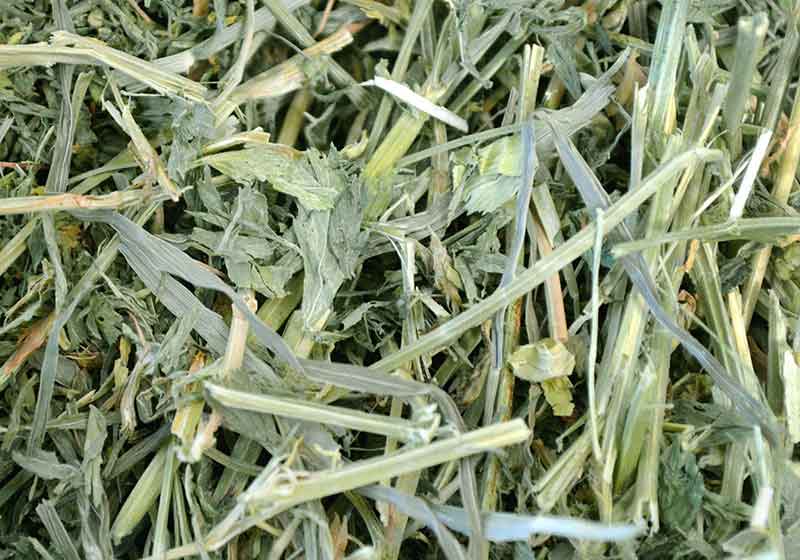
Alfalfa Hay
Alfalfa hay is a protein- and fibre-rich forage used in qualified feeding programmes for dairy cattle, beef cattle, horses, sheep, goats and other livestock; selected material may also be processed into cubes or pellets. The crop is bulky and sensitive to moisture, leaf loss and storage temperature, so compression must preserve feed quality. DILOYA balers load controlled charges, form dense rectangular blocks and transfer each block into a protective bag for closure, weighing, clean handling and export. Bagged compression improves container utilisation and lot control while reducing loose-leaf loss. Selection considers cut length, stem-to-leaf condition, moisture, density, package weight, bag material, closure method, throughput and storage requirements.
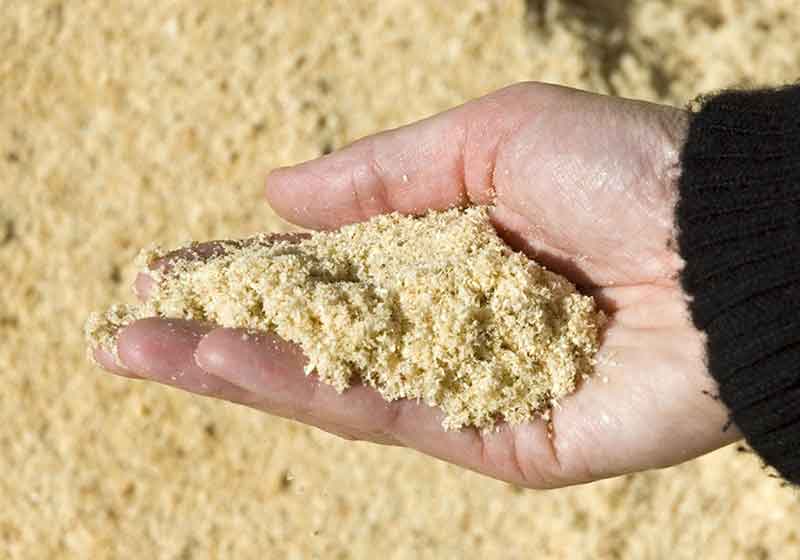
Wood Sawdust
Fine wood sawdust spills easily, creates dust and occupies excessive space in loose form. DILOYA sawdust baling systems meter prepared material, compress it into dense rectangular blocks and enclose each block in a plastic bag for clean storage, accurate weighing, palletising and shipment. This Wood Sawdust/Shavings application is intended for compression and bagged packaging.
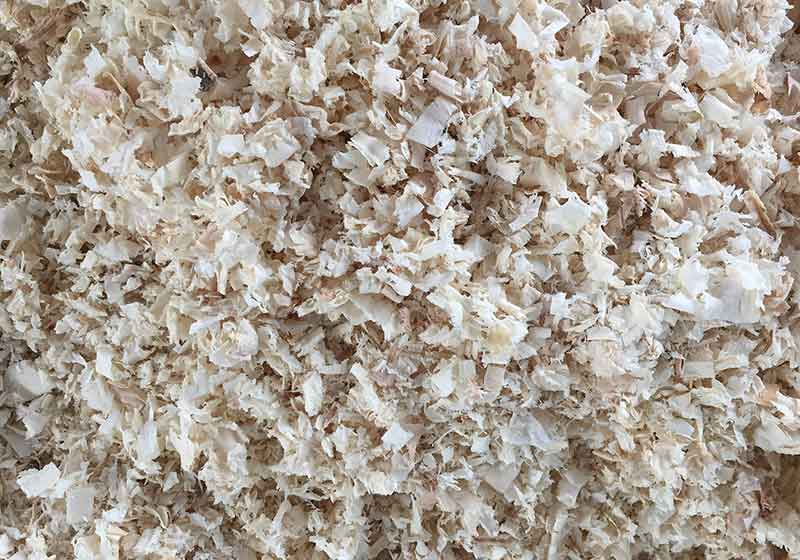
Wood Shavings
Loose wood shavings are light, springy and expensive to store or distribute efficiently. DILOYA high-speed baling lines meter and compress prepared shavings into rectangular blocks before bagging, closing and weight checking. With suitable material, bale specification and automated handling, a configured line can produce up to 200 bales per hour.
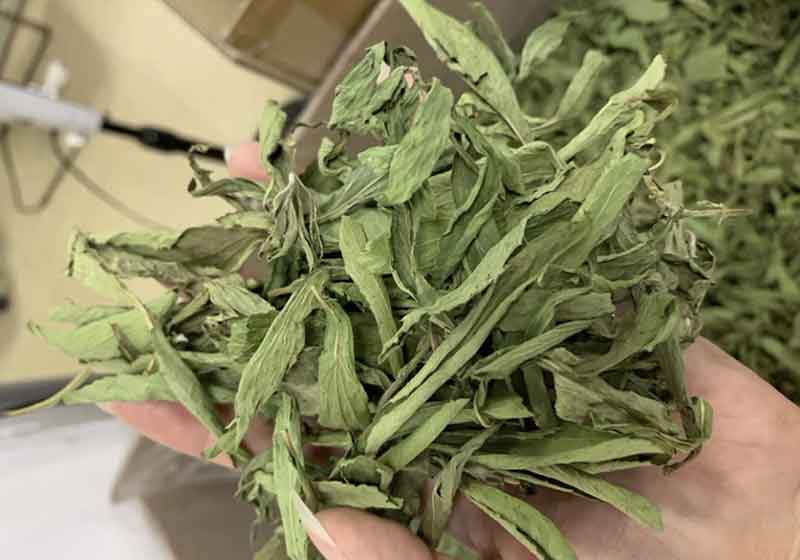
Stevia
Dried stevia leaves are a low-density botanical material that needs careful handling. DILOYA compresses prepared leaves into controlled blocks and bags them for organised storage and transport while accounting for leaf breakage, moisture and buyer quality requirements.
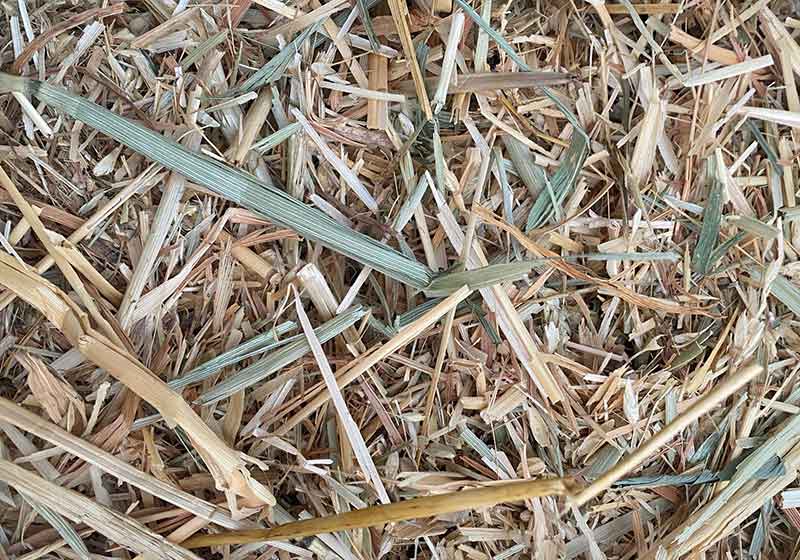
Wheat Straw
Wheat straw is a bulky harvest residue used in bedding, horticulture and other agricultural supply chains. DILOYA compresses prepared wheat straw into rectangular blocks and bags them for cleaner handling, reliable stacking and lower-volume transport.
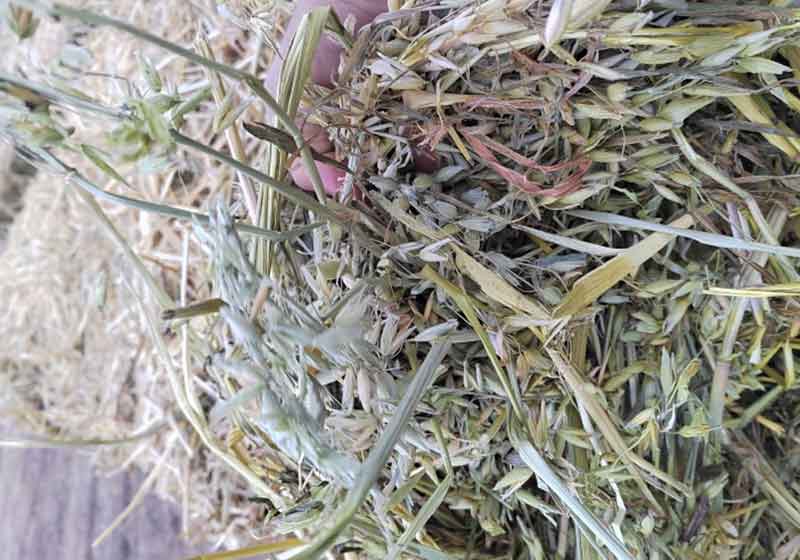
Oat Straw
Oat straw is a lightweight cereal crop residue that is difficult to handle efficiently in loose form. DILOYA systems compress prepared oat straw into consistent blocks and enclose them in bags for cleaner storage, easier handling and more efficient transport.
FAQ
What should be specified for bagged animal-bedding material?+
Animal-bedding or feeding applications need a product specification independently of the machine specification. Particle condition, cleanliness, moisture and expansion on opening may matter to the receiver. Animal Bed/Feeding Baler provides equipment context; mechanical compaction does not establish hygiene, nutritional quality or suitability for every animal use.
Machine selection should address feeding, compression and packaging without claiming that compaction sanitises the material or makes it suitable for every animal use. Product-quality requirements need to be confirmed separately from the baler's mechanical performance.
Can wood shavings be bagged directly?+
Wood shavings can be bagged directly only when their actual condition suits the selected feeding and packaging arrangement. Shaving length, loose density and moisture influence both flow and package recovery. Evaluate completed bags with realistic replenishment; a successful compression stroke does not demonstrate stable packaged output.
Confirm the desired compression, package opening behaviour and dust conditions. Hopper, weighing and extraction arrangements should be specified for the material. A successful test should show complete packages and realistic replenishment, not only a brief compression cycle.
Can wheat straw, oat straw and alfalfa use the same configuration?+
One line may cover several approved agricultural feeds, but wheat straw, oat straw and alfalfa need separate evaluation. Their incoming bale condition and material behaviour can alter cutting and packaging. Assess Alfalfa Hay Straw Cutting Bagging Baler against each intended stream and its customer specification instead of assuming a common crop name establishes identical performance.
Provide representative samples and expected production volumes for every intended stream. Settings or preparation may differ, and the receiving product specification should remain clear. Capability for one agricultural material is not a universal approval for all crop residues.
Why is moisture important for bagged agricultural and wood material?+
Moisture affects the product mass and the conditions inside the completed package, not merely how it compresses. A wet product does not become suitable for storage because it has been bagged neatly. Specify accepted incoming condition and any separate conditioning requirement before selecting bag construction or making storage claims.
Specify incoming moisture conditions and the customer's acceptance requirements. Any drying, conditioning or product-quality assessment should be handled as a separate process where needed. Trials must use material representative of normal production, not only an unusually favourable sample.
Does a bagging baler automatically make equal-weight packages?+
Equal-weight packages require a defined weighing and control process. A fixed chamber or compression time only controls part of the cycle and cannot compensate automatically for changing bulk density. Ask what measures the material, how out-of-range packages are handled and which calibration and acceptance tasks are included.
A trial should include normal changes in bulk density and hopper replenishment. Testing only one carefully prepared package does not establish repeatability.
Specify the target weight, permitted variation and how acceptance will be measured. Trials should include normal changes in bulk density and replenishment. Confirm whether weighing, calibration and any reject handling are included in the supplied scope.
Related products
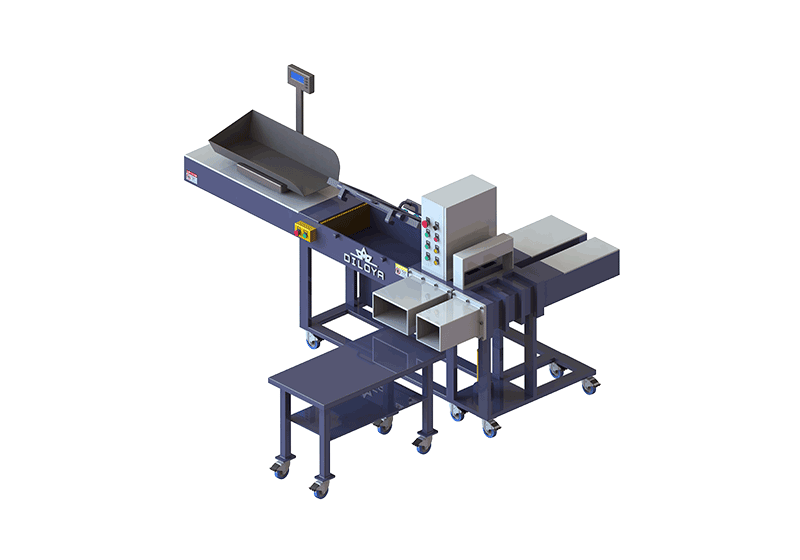
Double Bale Rags Wiper Baler
The DILOYA Double Bale Rags Wiper Baler uses a dual-outlet bagging arrangement to produce two specified package sizes or weights from sorted used rags and industrial wiping cloths. The operator can select the appropriate discharge route and packaging program for customer orders. Hydraulic compression and controlled discharge form compact, bagged units, while actual weight consistency depends on feed composition, weighing method and machine settings.
View details +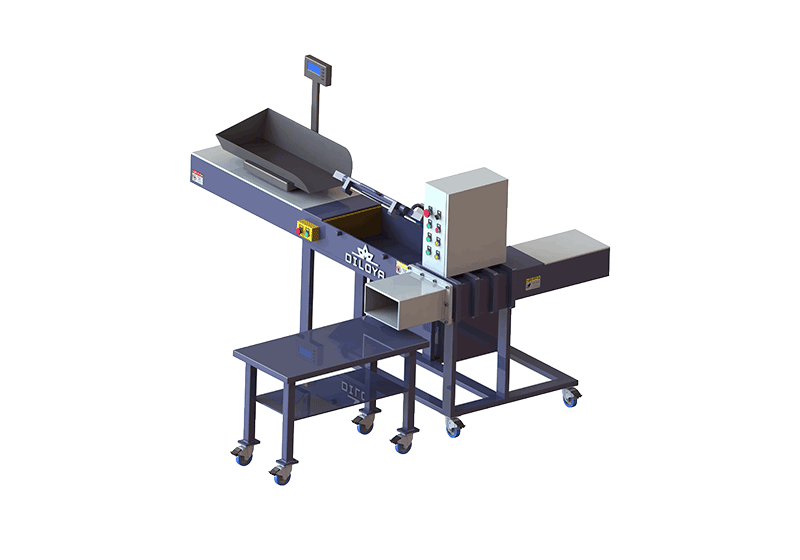
Wiping Rags Baler
The DILOYA Wiping Rags Baler compresses sorted used wiping rags and industrial cleaning cloths into bagged, manageable packages. A controlled feeding and pressing cycle reduces the volume of loose fabric, while the bag helps contain the material during storage and transport. Chamber size, bale weight, bag dimensions and discharge arrangement are selected for the actual cloth mix and downstream handling plan.
View details +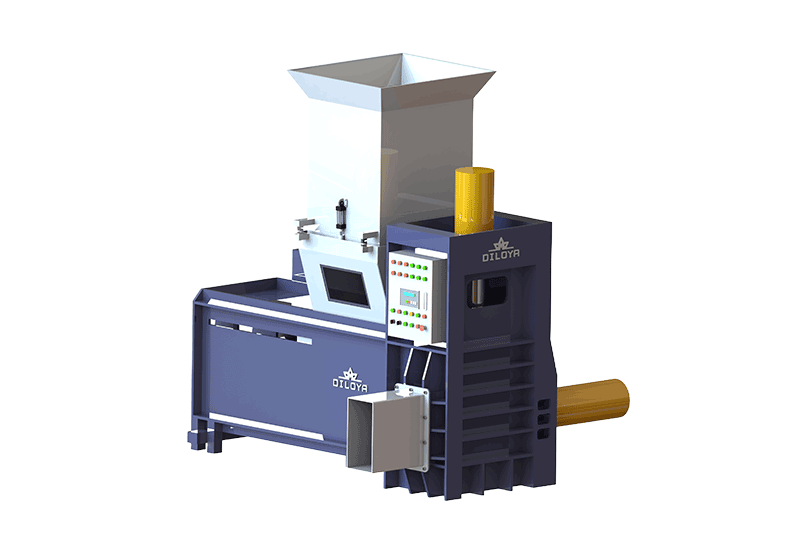
Three Rams Bagging Baler
The DILOYA Three Rams Bagging Baler applies staged three-cylinder compression to loose, bulky agricultural and wood-derived material before bagging. Suitable feeds may include alfalfa hay, wheat straw, corncob granules, wood shavings, sawdust, cottonseed hulls, rice husks and stevia leaves after material assessment. Its multi-directional pressing sequence produces dense, regular packages. A specified high-capacity line can reach up to 220 bales per hour, depending on feedstock and bale specification.
View details +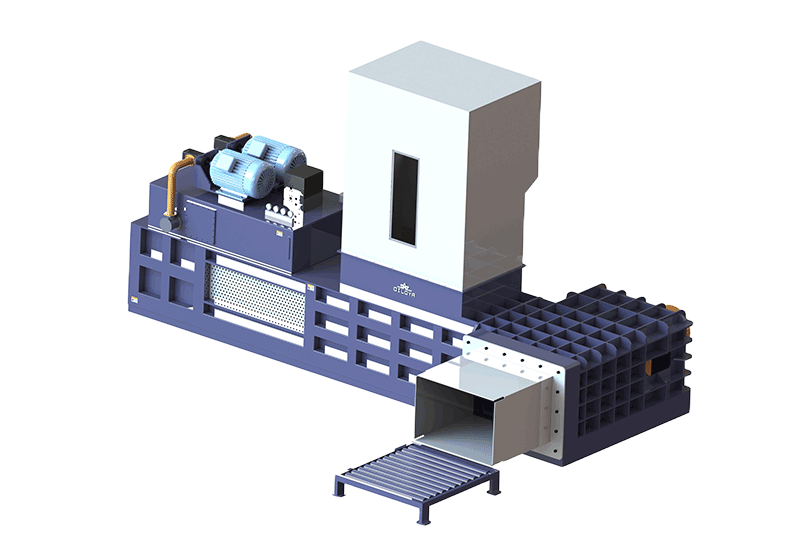
Big Bale Bagging Baler
The DILOYA Big Bale Bagging Baler uses a two-ram hydraulic arrangement to form large square packages from alfalfa hay, oat straw, wheat straw and other compatible long-fiber crops. Its large chamber and controlled compression produce bales designed around forklift handling, truck loading and container dimensions. The two-ram sequence supports efficient, guarded production, while bale density and weight depend on crop condition and the selected package specification.
View details +Customer Cases
View all cases + Wood Shavings Animal Bedding Bagging Baler In Estonia
Estonian customer uses a PLC-controlled bagging baler for wood shavings and alfalfa hay, with stated output of 200 bags per hour for bedding and forage packaging.
View case + Three Rams Bagging Baler For Corncob Granules In Indonesia
Indonesian customer uses a three-ram bagging baler for corncob granules, with stated throughput of 4–6 tonnes per hour to support compact packaging, handling and shipment.
View case + High Output Alfalfa Hay Cutting Bagging Baler In Egypt
An Egyptian customer's integrated, automatically controlled alfalfa hay cutting and bagging line has stated output of 15 tonnes/hour and bale weights of 480–500 kg.
View case +Leave A Message
Let's Figure Out The Best Solutions!
Tell us what you need.
Share your material, target hour capacity and other requirements. Our engineering team will reply with a suitable solutions.