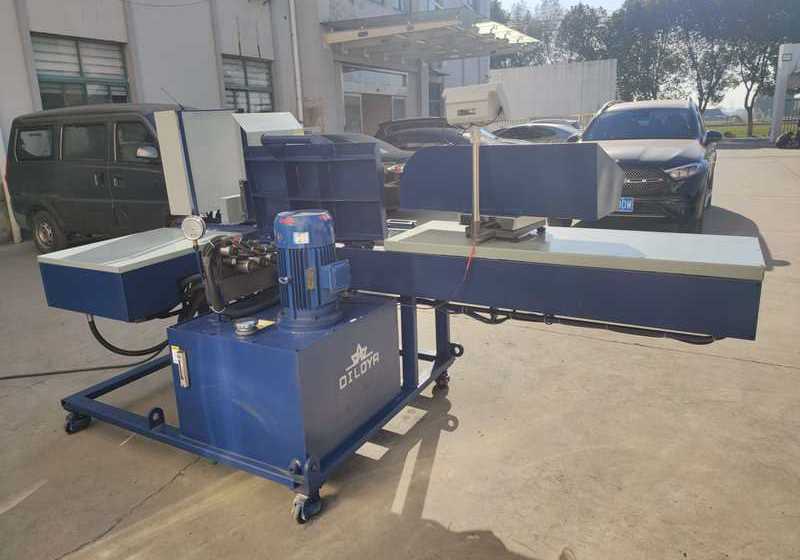
Double Bale Rags Wiper Baler
Dual-Outlet Wiping Rags Baler for Two Package Weights
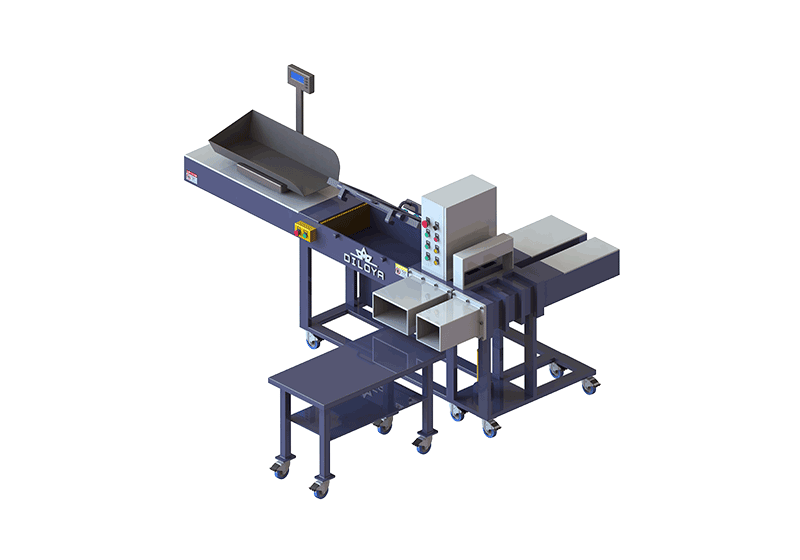
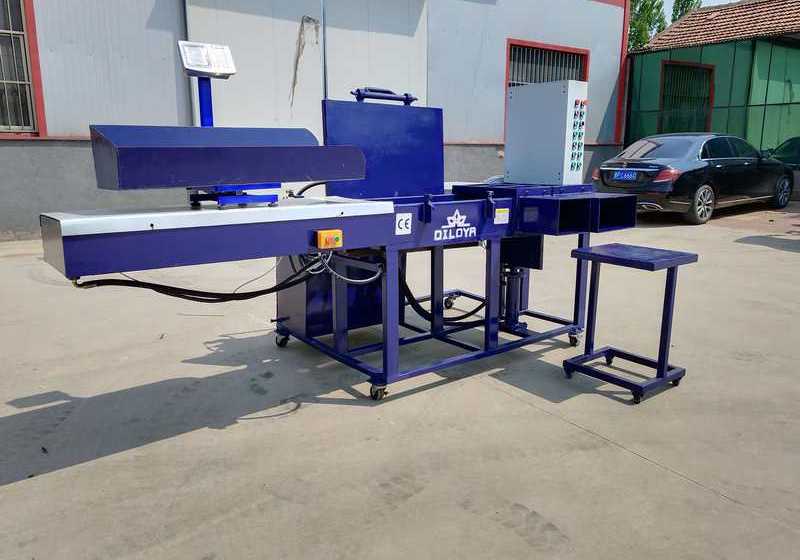
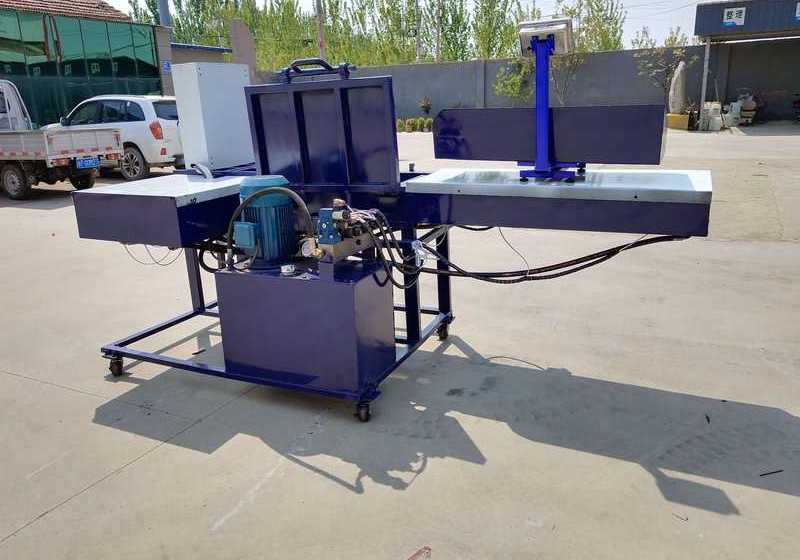
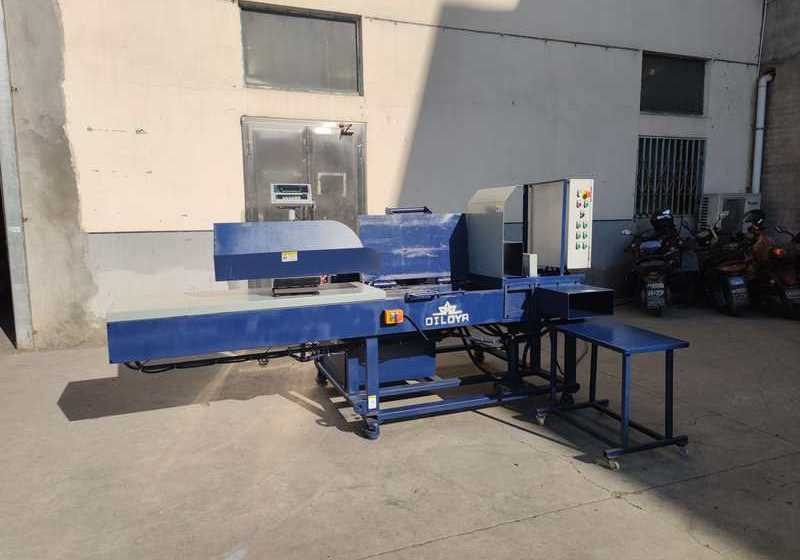
The DILOYA Double Bale Rags Wiper Baler uses a dual-outlet bagging arrangement to produce two specified package sizes or weights from sorted used rags and industrial wiping cloths. The operator can select the appropriate discharge route and packaging program for customer orders. Hydraulic compression and controlled discharge form compact, bagged units, while actual weight consistency depends on feed composition, weighing method and machine settings.
- Design
- Two Bale Chute
- Capacity
- 60-80 Bales/Hour
- Material
- Rags, Used Clothes
- Bale Weight
- 2-25kg / Bale
- Power supply
- Customized
- Control
- Button Control
Description
The DILOYA Double Bale Rags Wiper Baler is the dual-outlet model listed in the catalog as the Double Bale Weight Bagging Baler. It is intended for operators who supply wiping rags in two package specifications. Rather than treating all orders as one bale size, the machine routes compressed cloth toward the chosen outlet and bagging setup.
1> Two Bale Specifications
Used rags and industrial wipers are sorted, checked and fed into the compression chamber. The hydraulic cycle consolidates the charge, then the selected discharge route delivers it to the matching bag position. Two outlet settings can support a smaller handling unit and a larger transport unit, or two customer-defined weight targets. They are alternative package specifications; simultaneous output and exact weighing accuracy depend on the supplied configuration.
2> Production and Quality Planning
Fabric type, loose density, moisture and rebound influence the quantity that fits in each package. A weighing system, feed metering and acceptance tolerance should be defined if tight weight control is required. DILOYA can specify chamber dimensions, two outlet sizes, bag type, controls and downstream conveying for the site's required order mix. Contaminated rags should be handled according to their waste classification, not mixed with clean reusable grades.
Advantage
> Two outlet options: supports two customer-defined bale dimensions or weights on one line.
> Order flexibility: operators can switch package specification without relying on separate balers.
> Hydraulic compaction: reduces loose fabric volume before bagging.
> Cleaner logistics: contained rags are easier to stack, identify and transport.
> Optional weight control: metering and weighing can be specified to manage package consistency.
> Application-specific setup: discharge openings, bag sizes and controls are matched to actual cloth grades.
Parameter
Please find below specification of different models:
| Model | HBL0205 | HBL0510 | HBL1015 | HBL1520 | HBL2025 |
|---|---|---|---|---|---|
| Chamber Size | 1300x350x100mm | 1500x400x150mm | 1600x450x150mm | 1600x500x200mm | 1700x550x200mm |
| Bale Size | 350x170x100mm 350x320x100mm | 400x240x150mm 400x400x150mm | 450x300x180mm 450x420x180mm | 500x320x200mm 500x400x200mm | 550x340x200mm 550x400x200mm |
| Bale Weight | 2/5kg | 5/10kg | 10/15kg | 15/20kg | 20/25kg |
| Motor Power | 4kw | 7.5kw | 7.5kw | 7.5kw | 11kw |
| Control | Button Control | Button Control | Button Control | Button Control | Button Control |
We can customize the baler machine according to your special requirements.
Application
The DILOYA HBL Series double bale bagging baler can press below materials:
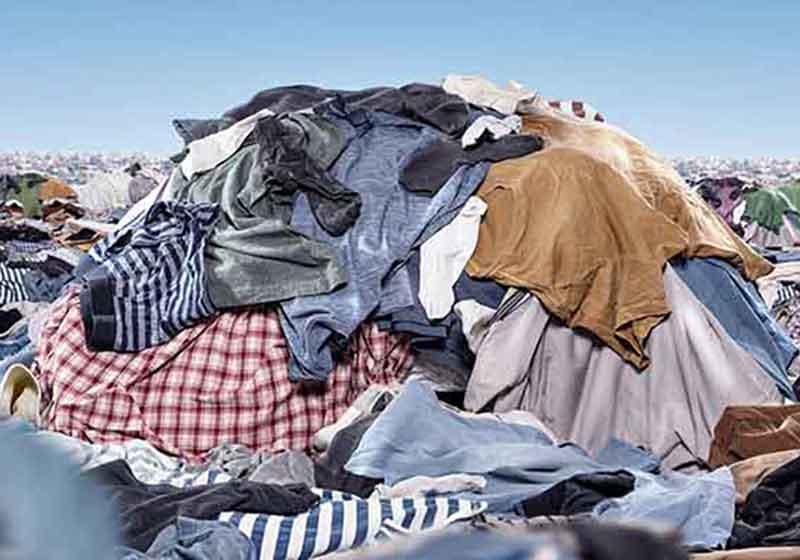
Old Clothes
Sorted old clothes are bulky, irregular and expensive to store or transport loose. DILOYA vertical lifting-box balers compress graded garments into dense rectangular packages; the raised chamber exposes each bale so operators can secure it with multiple plastic straps before weighing, labelling and stacking. This Textiles&Old Clothes application is intended for baling only.
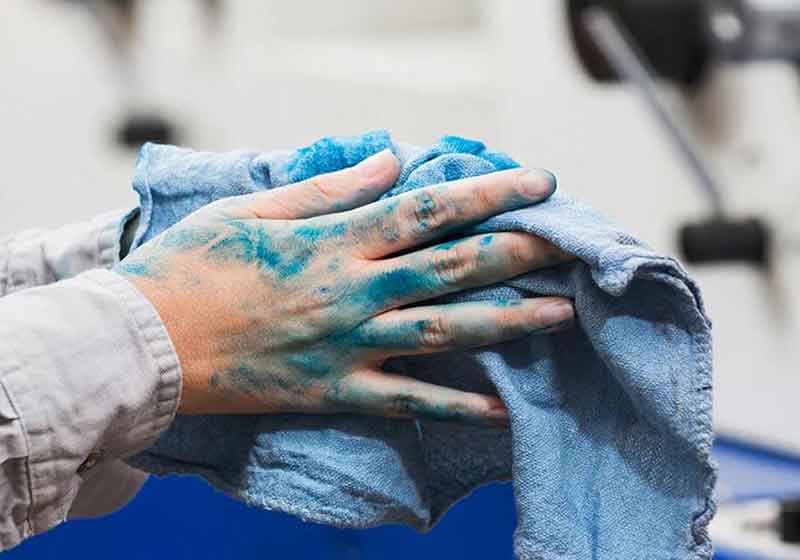
Wiping Rags
Loose wiping rags are soft, irregular and costly to store or ship efficiently. DILOYA hydraulic textile balers first compress sorted, dry rags into compact rectangular blocks; operators then manually place each block into a plastic or woven bag, close it, weigh it and label it for sale or distribution. This Textiles&Old Clothes application combines machine compression with manual bagging.
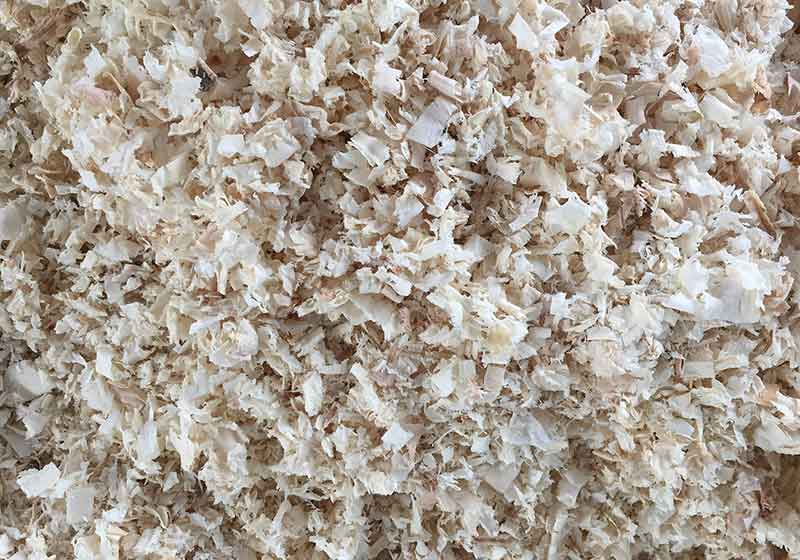
Wood Shavings
Loose wood shavings are light, springy and expensive to store or distribute efficiently. DILOYA high-speed baling lines meter and compress prepared shavings into rectangular blocks before bagging, closing and weight checking. With suitable material, bale specification and automated handling, a configured line can produce up to 200 bales per hour.
Alfalfa Hay
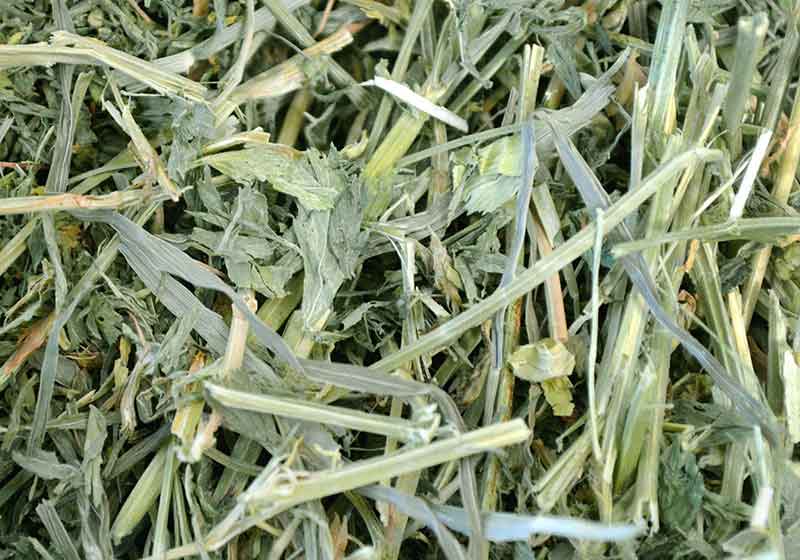
Alfalfa hay is a protein- and fibre-rich forage used in qualified feeding programmes for dairy cattle, beef cattle, horses, sheep, goats and other livestock; selected material may also be processed into cubes or pellets. The crop is bulky and sensitive to moisture, leaf loss and storage temperature, so compression must preserve feed quality. DILOYA balers load controlled charges, form dense rectangular blocks and transfer each block into a protective bag for closure, weighing, clean handling and export. Bagged compression improves container utilisation and lot control while reducing loose-leaf loss. Selection considers cut length, stem-to-leaf condition, moisture, density, package weight, bag material, closure method, throughput and storage requirements.
FAQ
Why choose a double-bale or dual-package rags arrangement?+
Clarify what “double” means in the selected rag-baler design before assuming a production advantage. It may concern package choices or a particular operating arrangement rather than two simultaneous output streams. Double Bale Rags Wiper Baler should be compared using completed packages and operator tasks for the formats you actually intend to sell.
Ask for a sequence drawing or demonstration of both intended formats. Check how the machine changes package size, how each charge is measured and what the operator does at each outlet or discharge position.
This avoids confusing two package choices with two simultaneous production streams or assuming a production increase that the full cycle cannot sustain.
Clarify whether the specification means two sizes, two outlets or another configuration. These are not interchangeable claims. Compare actual finished packages and operator tasks rather than assuming a doubled output from the word double.
How should bag dimensions and package weight be selected?+
Choose the customer's usable package first, then match the compression and bag to it. Target mass, handling limits and released dimensions need to work together. A larger chamber does not guarantee a saleable package if the chosen bag cannot accommodate expansion or the receiving customer cannot lift and open it conveniently.
- Customer handling and opening requirements.
- Target mass and permitted variation.
- Post-expansion package dimensions.
- Bag construction and closure method.
- Storage, pallet or container arrangement.
Bag size alone does not guarantee package mass. Define acceptable weight variation and whether weighing is required. Representative trials should include compression, packaging, closure and post-discharge expansion rather than judging only a compressed sample inside the chamber.
Does a bagging baler automatically make equal-weight packages?+
Equal-weight packages require a defined weighing and control process. A fixed chamber or compression time only controls part of the cycle and cannot compensate automatically for changing bulk density. Ask what measures the material, how out-of-range packages are handled and which calibration and acceptance tasks are included.
A trial should include normal changes in bulk density and hopper replenishment. Testing only one carefully prepared package does not establish repeatability.
Specify the target weight, permitted variation and how acceptance will be measured. Trials should include normal changes in bulk density and replenishment. Confirm whether weighing, calibration and any reject handling are included in the supplied scope.
What is involved in changing material or package format?+
Changing material or package format can affect feeding, weighing, compression, bag fit and closure at the same time. Define an approved recipe and handling method for each product rather than assuming an instant switch. Include cleaning and changeover time in the operating plan, especially when grade purity matters.
- Confirm that the next material and format are approved.
- Follow the required cleaning and isolation procedure.
- Prepare the specified bag, closure and weighing arrangements.
- Use authorised settings for the new product.
- Inspect the first accepted packages and record the changeover time.
Cleaning may be important where product purity or presentation matters. Include changeover time in capacity planning and test each intended format. A line capable of several products still needs a defined operating method for each one.
Does the machine include sealing or closing the bag?+
Bag closure is a separate function that may be manual or separately specified. The suitable method follows the bag construction and required finished-product properties. Confirm closure equipment, consumables and timing with the package trial; the phrase “bagging baler” alone does not promise a sealed or airtight product.
Confirm the closure process and consumables before ordering. A compressed bagged package is not automatically sealed or airtight. Any requirement for storage protection, leakage control or presentation should be tested as part of the finished packaging system.
Related products
Wiping Rags Baler
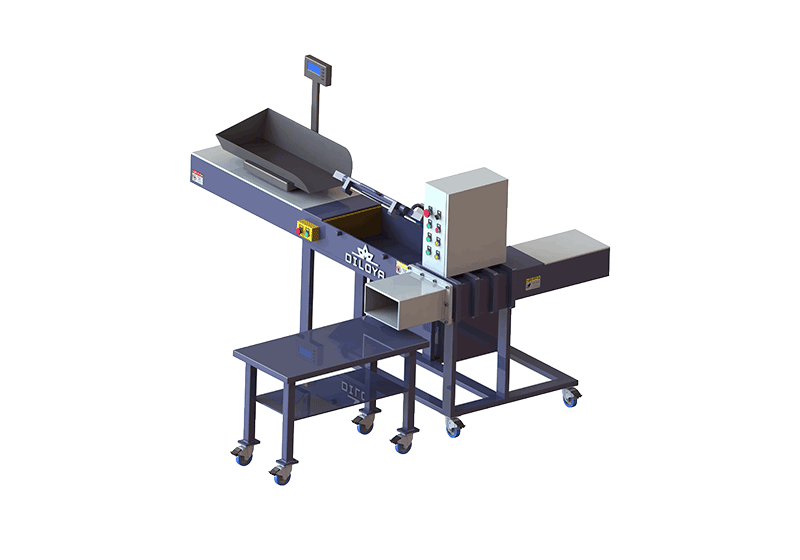
The DILOYA Wiping Rags Baler compresses sorted used wiping rags and industrial cleaning cloths into bagged, manageable packages. A controlled feeding and pressing cycle reduces the volume of loose fabric, while the bag helps contain the material during storage and transport. Chamber size, bale weight, bag dimensions and discharge arrangement are selected for the actual cloth mix and downstream handling plan.
View details +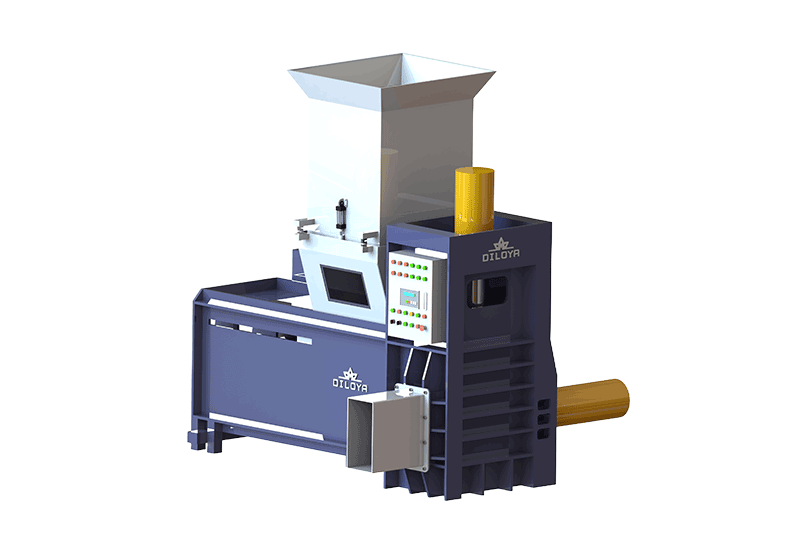
Three Rams Bagging Baler
The DILOYA Three Rams Bagging Baler applies staged three-cylinder compression to loose, bulky agricultural and wood-derived material before bagging. Suitable feeds may include alfalfa hay, wheat straw, corncob granules, wood shavings, sawdust, cottonseed hulls, rice husks and stevia leaves after material assessment. Its multi-directional pressing sequence produces dense, regular packages. A specified high-capacity line can reach up to 220 bales per hour, depending on feedstock and bale specification.
View details +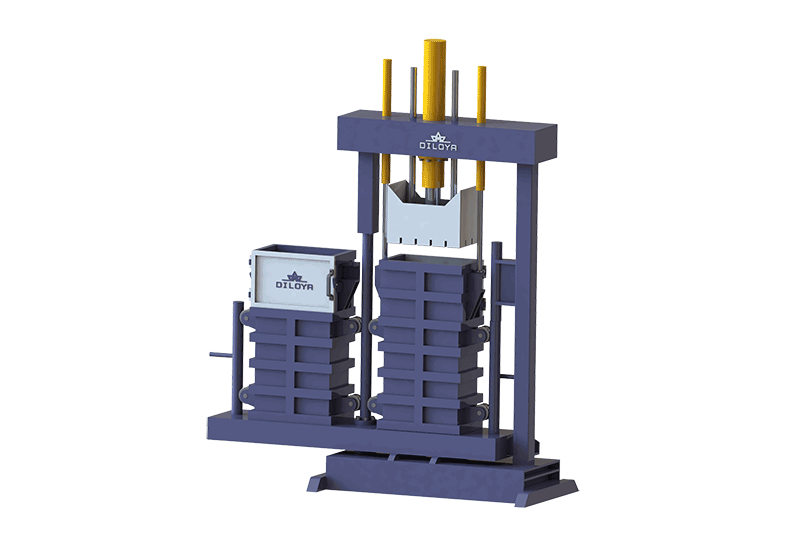
Twin Chamber Swiveling Baler
The DILOYA Twin Chamber Swiveling Baler combines two lift-box chambers in a swiveling layout for used clothes, textile waste and other compatible soft materials. While one chamber is pressing, the other can be prepared for loading or bale removal according to the machine's safety sequence. This overlap supports higher practical throughput than a comparable single-chamber workflow; an optional conveyor can streamline incoming material handling.
View details +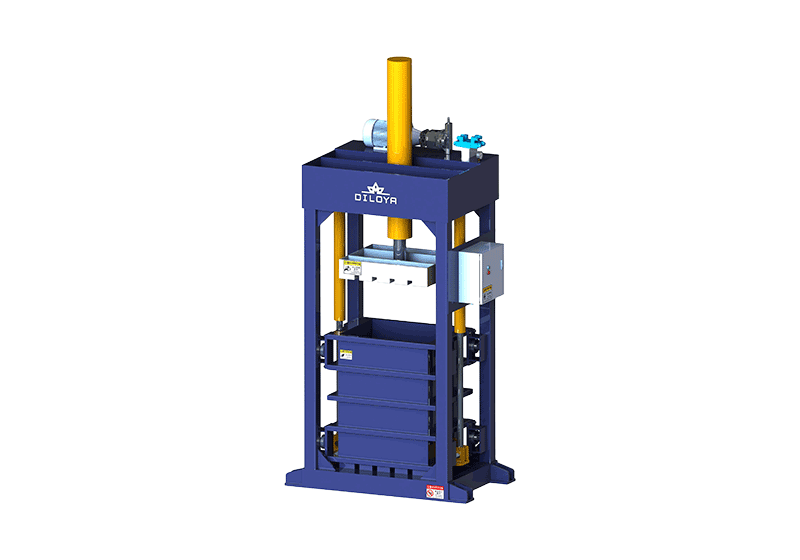
Vertical Lifting Chamber Baler
The DILOYA Single Chamber Old Clothes Baler uses a single vertical compression chamber and a lift-box arrangement to package used garments, waste textiles, wool and other suitable soft materials. Raising the box gives operators access to the compressed package for tying and removal. The resulting compact bales reduce loose storage volume and make weighing, handling, transport and distribution more orderly.
View details +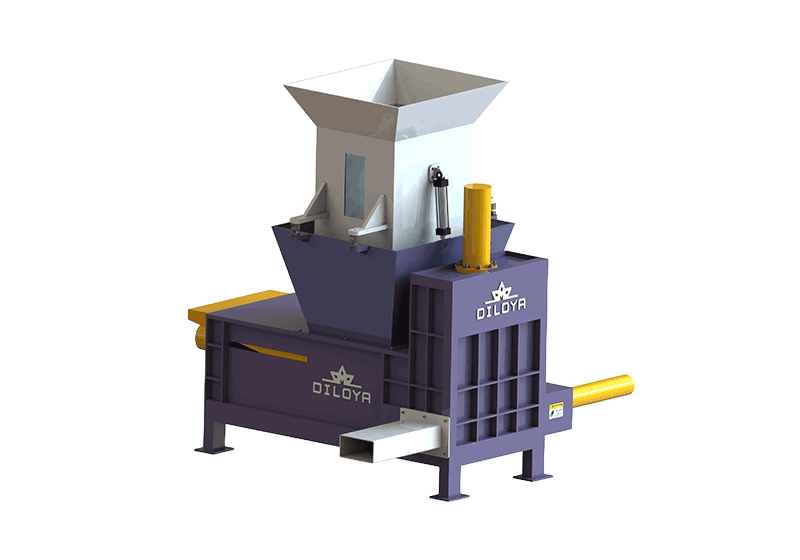
Animal Bed/Feeding Baler
The DILOYA Animal Bed/Feeding Baler packages suitable alfalfa hay for feed and clean sawdust or wood shavings for animal bedding. A weighing-based filling system targets consistent bale weight, followed by hydraulic compression and bagging for orderly storage and distribution. On a suitable configuration, output can reach up to 200 bales per hour; actual rate depends on material density, moisture, target weight, bag size and feeding conditions.
View details +Customer Cases
View all cases + Dual-Outlet Clothes Baler In Belgium: Two Weights-One Baler
Belgian customer uses one dual-outlet clothes baler for two package-weight options, such as 5 kg and 10 kg, reducing the need to purchase separate machines.
View case + 10kg Wiping Rags Baler In Croatia
A Croatian industrial wiping-rag producer uses weighing-controlled 10 kg packaging, with reported output of 60–80 bales/hour for wiping cloths and suitable used clothing.
View case + 45kg / 100lbs Old Clothes Baler In The UK
A UK customer uses a 45kg-class old clothes baler for used clothing and rags, with stated output of 8–12 bales/hour to reduce storage volume and support transport efficiency.
View case +Leave A Message
Let's Figure Out The Best Solutions!
Tell us what you need.
Share your material, target hour capacity and other requirements. Our engineering team will reply with a suitable solutions.