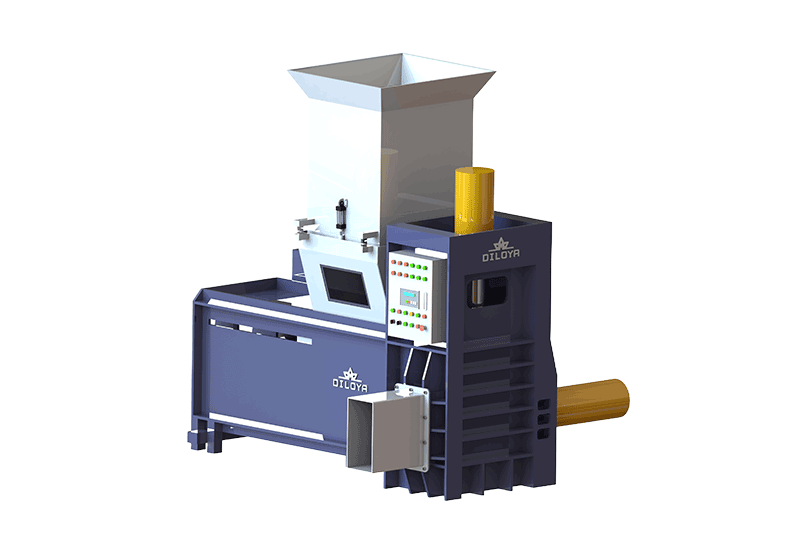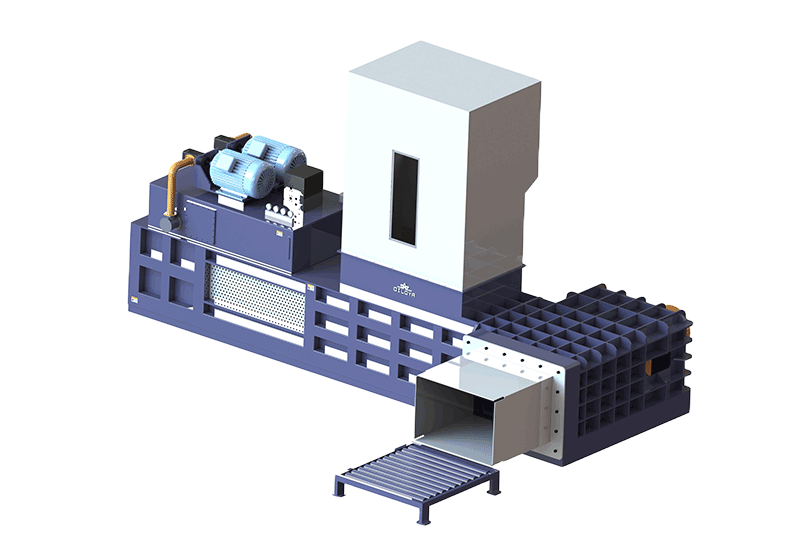
DILOYA Double Bale Weight Bagging Baler

Double Bale Weight Bagging Baler

Dual-Outlet Wiping Rags Baler for Two Package Weights

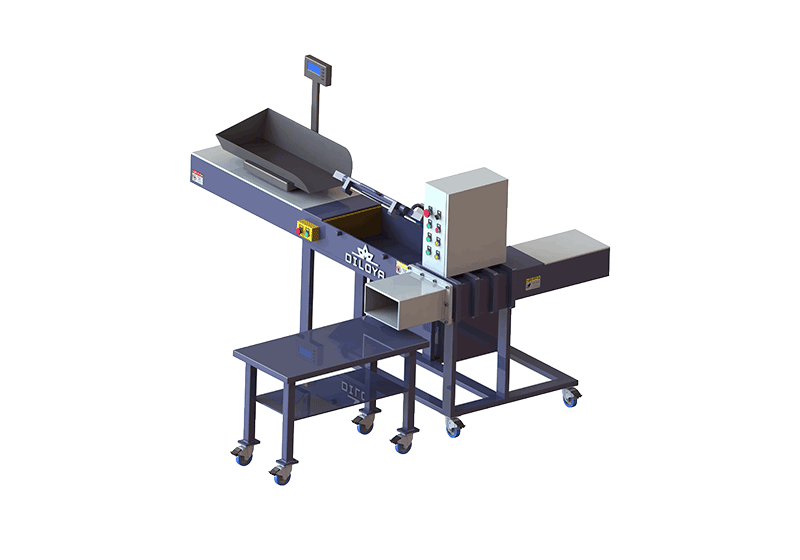
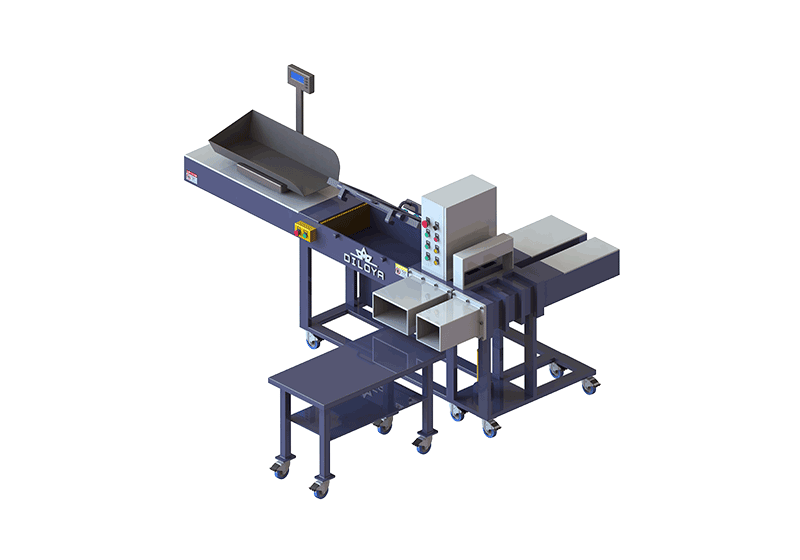
The DILOYA Double Bale Rags Wiper Baler uses a dual-outlet bagging arrangement to produce two specified package sizes or weights from sorted used rags and industrial wiping cloths. The operator can select the appropriate discharge route and packaging program for customer orders. Hydraulic compression and controlled discharge form compact, bagged units, while actual weight consistency depends on feed composition, weighing method and machine settings.

Construction
Industrial hydraulic construction
Capacity
Configurable production capacity
Material
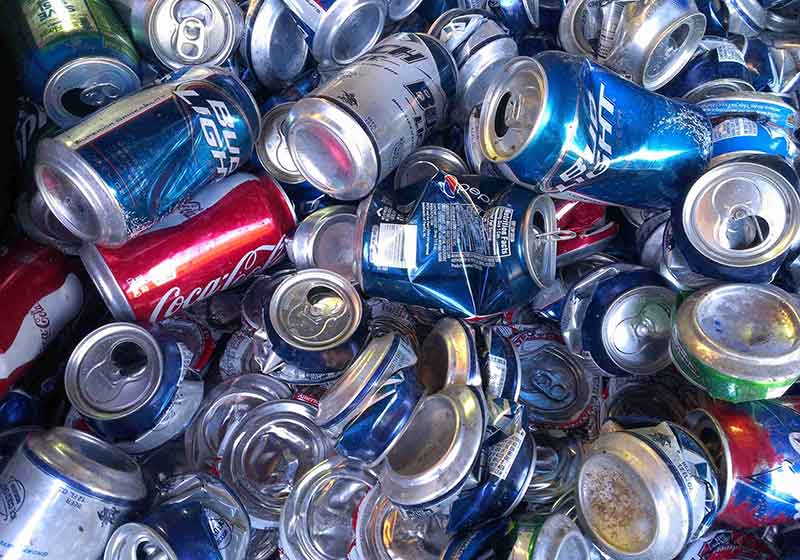
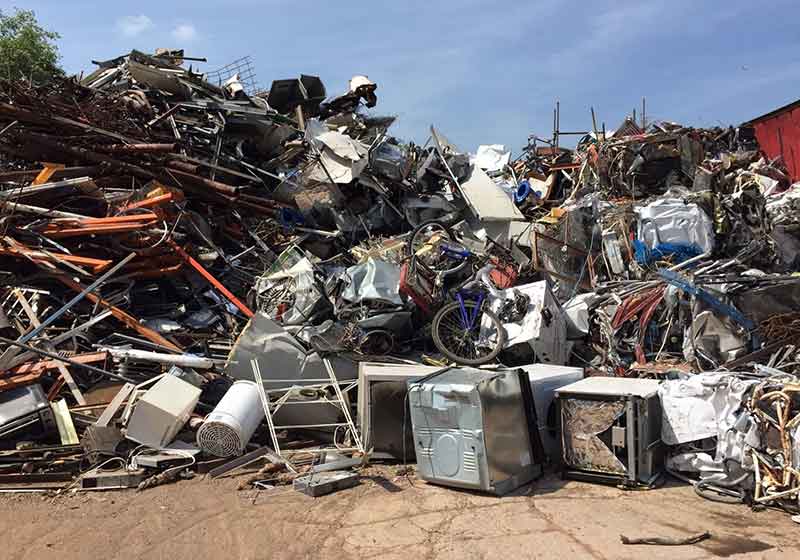
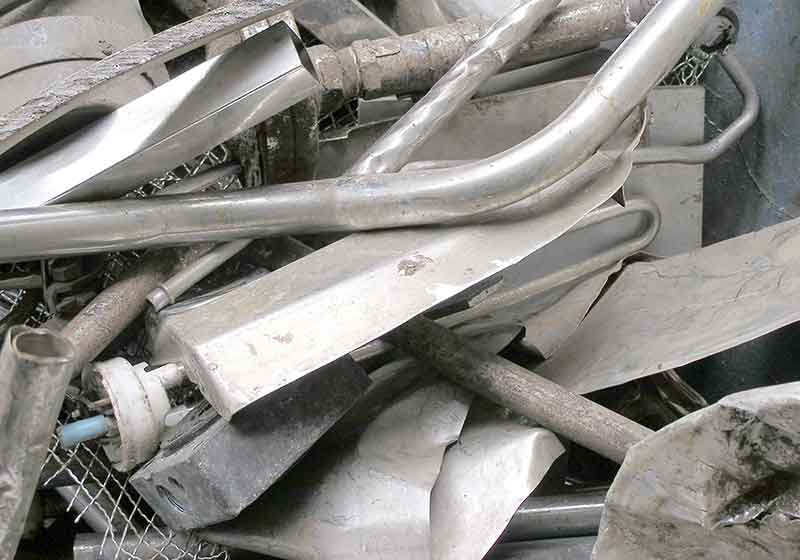
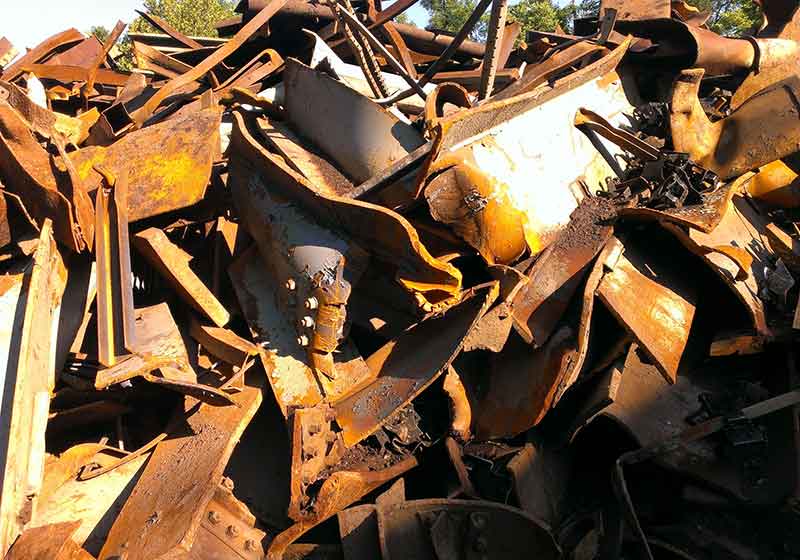
Ferrous and non-ferrous scrap
Control
PLC automatic control
Power supply
Customized voltage and frequency
Support
Engineering and after-sales support

Description

The DILOYA Double Bale Rags Wiper Baler is the dual-outlet model listed in the catalog as the Double Bale Weight Bagging Baler. It is intended for operators who supply wiping rags in two package specifications. Rather than treating all orders as one bale size, the machine routes compressed cloth toward the chosen outlet and bagging setup.

Two Bale Specifications

Used rags and industrial wipers are sorted, checked and fed into the compression chamber. The hydraulic cycle consolidates the charge, then the selected discharge route delivers it to the matching bag position. Two outlet settings can support a smaller handling unit and a larger transport unit, or two customer-defined weight targets. They are alternative package specifications; simultaneous output and exact weighing accuracy depend on the supplied configuration.

Production and Quality Planning

Fabric type, loose density, moisture and rebound influence the quantity that fits in each package. A weighing system, feed metering and acceptance tolerance should be defined if tight weight control is required. DILOYA can specify chamber dimensions, two outlet sizes, bag type, controls and downstream conveying for the site's required order mix. Contaminated rags should be handled according to their waste classification, not mixed with clean reusable grades.
Advantage

  • Two outlet options: supports two customer-defined bale dimensions or weights on one line.
  • Order flexibility: operators can switch package specification without relying on separate balers.
  • Hydraulic compaction: reduces loose fabric volume before bagging.
  • Cleaner logistics: contained rags are easier to stack, identify and transport.
  • Optional weight control: metering and weighing can be specified to manage package consistency.
  • Application-specific setup: discharge openings, bag sizes and controls are matched to actual cloth grades.
Parameter

Machine dimensions, hydraulic pressure, chamber size, motor power, and automation options are configured according to material characteristics and required capacity.

Application

Suitable for professional recycling plants, scrap yards, and industrial material recovery operations requiring stable continuous output.

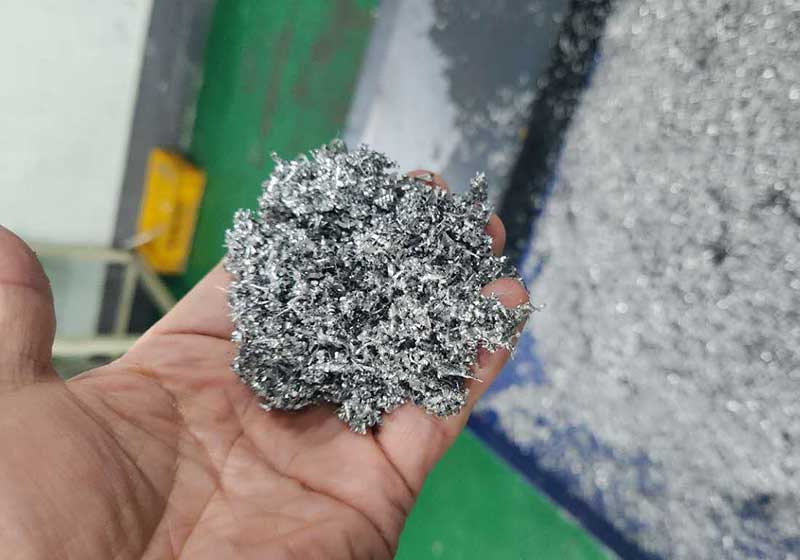
Hand holding loose aluminium machining chips

Aluminium Chips

Aluminium Chips are precision-processed from pure aluminum and aluminum alloy via CNC turning and milling. Strictly sorted, cleaned and dried, these chips feature uniform shape, low oxidation and zero sundry impurities. As premium recycled aluminum raw materials, they deliver stable metallurgical and physical properties, ideal for aluminum smelting, alloy production, chemical processing and thermal conduction applications with high cost performance.
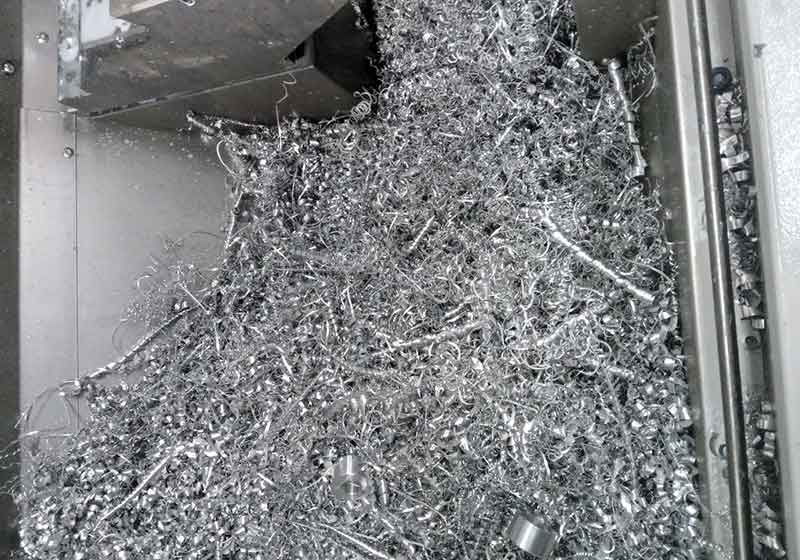
Loose curled aluminium turnings collected in a container

Aluminium Turnings

Aluminium Turnings are lightweight, spiral-shaped metal chips generated during machining, drilling and milling. DILOYA briquetting and baling systems compact loose turnings into dense, manageable blocks, helping reduce storage volume, improve transport efficiency and support aluminium recovery.

Pile of loose aluminium extrusion profile offcuts

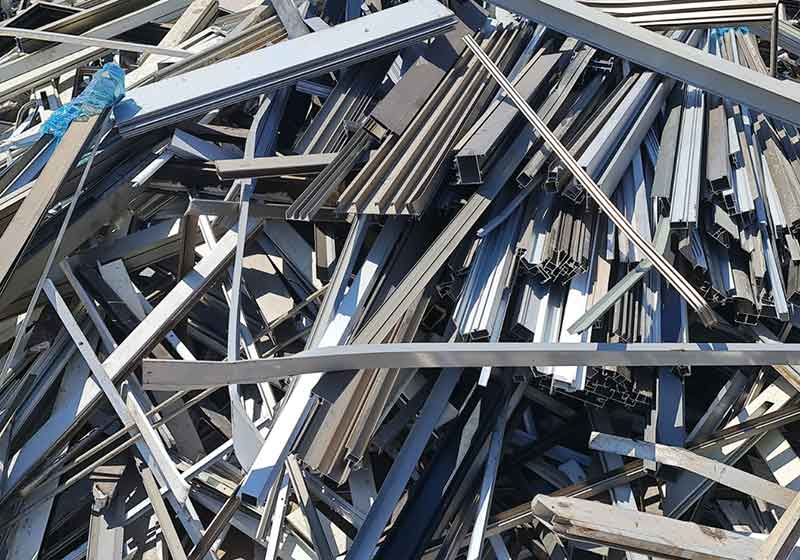
Aluminium Profiles

Aluminium profiles and extrusion offcuts are long, hollow and difficult to stack efficiently. DILOYA hydraulic metal balers compress window frames, structural sections and production offcuts into dense, stable bales for safer handling, lower storage and transport costs, and consistent delivery to aluminium recyclers and remelting plants.
Mixed loose aluminium sheet and fabrication scrap

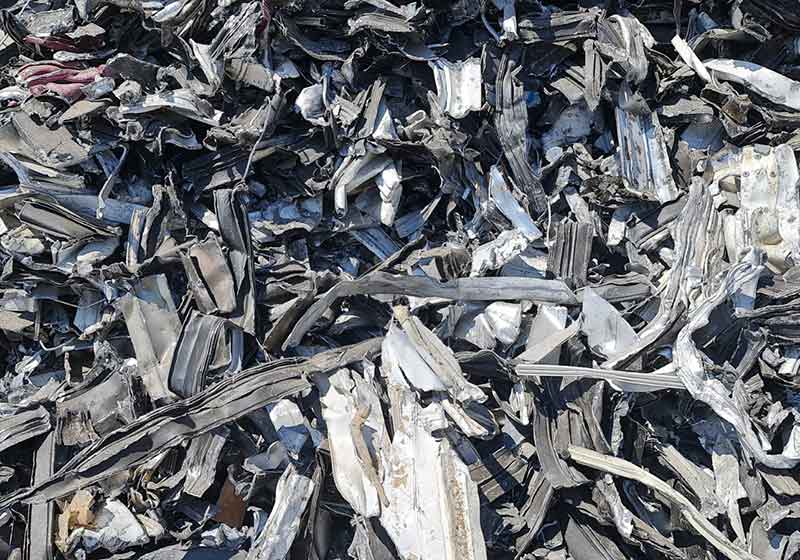
Aluminium Scrap

General aluminium scrap includes sheet offcuts, stampings, thin-gauge trimmings and mixed clean production pieces. DILOYA hydraulic aluminium scrap balers compress this loose material into dense, stable bales for efficient storage, safer handling, economical transport and consistent delivery to recycling and remelting plants.
Loose chopped aluminium granules in a collection bin

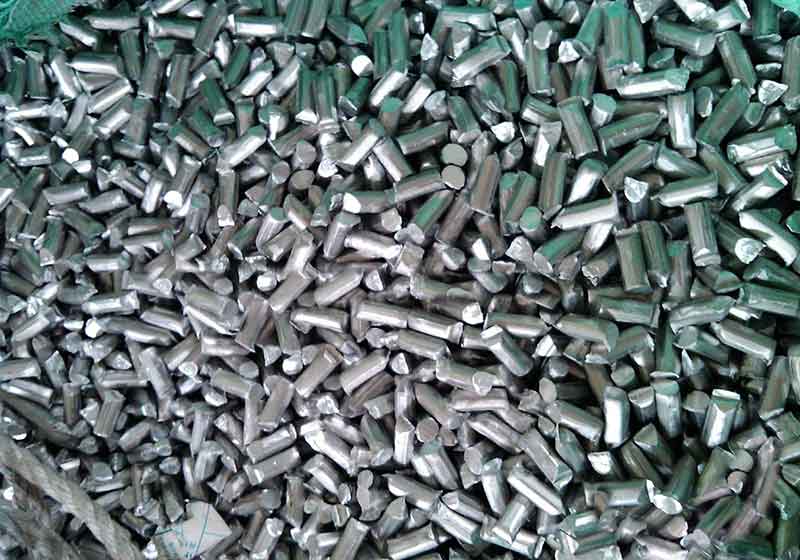
Aluminium Granules

Aluminium granules are small, flowable particles produced by shredding, screening or size reduction. DILOYA aluminium granule briquetting machines compress this loose material into dense, consistent cylindrical blocks for cleaner handling, compact storage, economical transport and controlled furnace feeding.

Loose tangled aluminium wire scrap before baling

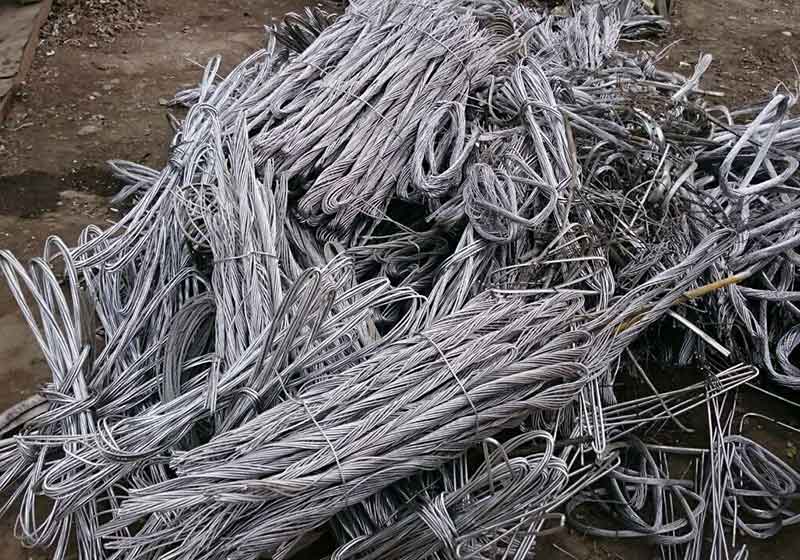
Aluminium Wires

Aluminium wire scrap is long, flexible and easily tangled, making loose material difficult to stack, load and transport. DILOYA hydraulic metal balers compress clean aluminium wires and cable conductors into dense, stable rectangular bales for safer handling, compact storage and efficient delivery to aluminium recyclers and remelting plants.

Loose aluminium used beverage cans before compaction

Aluminium UBC

Aluminium UBC consists of lightweight used beverage cans collected from municipal, commercial and deposit-return streams. DILOYA hydraulic UBC balers compress sorted cans into dense, stable and stackable bales for efficient storage, economical transport and consistent delivery to aluminium can recycling and remelting plants.

Mixed light-gauge metal scrap and compact bales in a recycling yard

Light Scrap Metal

Light scrap metal includes thin-gauge steel sheet, press-shop offcuts, panels and other bulky ferrous pieces. DILOYA hydraulic metal balers compress this loose, springy material into dense rectangular bales for controlled storage, efficient loading and economical transport. This application is intended for baling only.

Loose stainless steel tubes and fabrication offcuts

Stainless Steel Scrap

Stainless steel scrap includes sorted sheet offcuts, press skeletons, wire, mesh and light fabrication remnants. DILOYA hydraulic metal balers compress this valuable but bulky material into dense, stable bales while supporting grade separation, safer handling, compact storage and efficient shipment to stainless recyclers and melting plants. This application is intended for baling only.

Heavy steel plate and structural scrap before shearing

Heavy Scrap Metal

Heavy scrap metal includes thick steel plate, beams, channels, pipe, fabrication offcuts and dismantled machinery structures. DILOYA hydraulic scrap shears pre-compress and cut this oversized ferrous material into controlled furnace-ready lengths for safer stockpiling, efficient loading and reliable downstream melting. This application is intended for shearing only.

Loose tangled reinforcing bar and steel rod scrap

Steel Bar

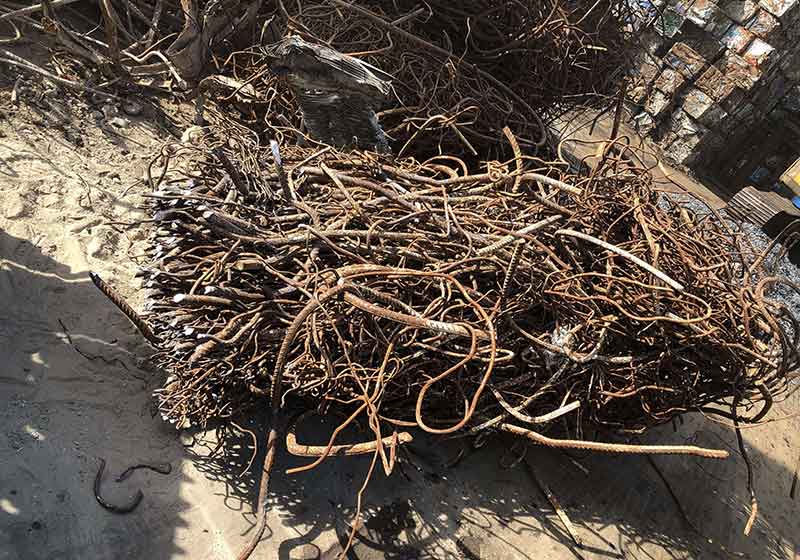
Steel bar scrap includes reinforcing bar, round bar, bent rod, short offcuts and tangled demolition rebar. DILOYA processes long or rigid bars with hydraulic scrap shears for controlled cut lengths, while shorter and bendable material can be compressed into dense transport bales with hydraulic metal balers. The correct route is selected from bar diameter, length, condition and downstream requirements.

Hand holding curled steel machining chips

Steel Chips

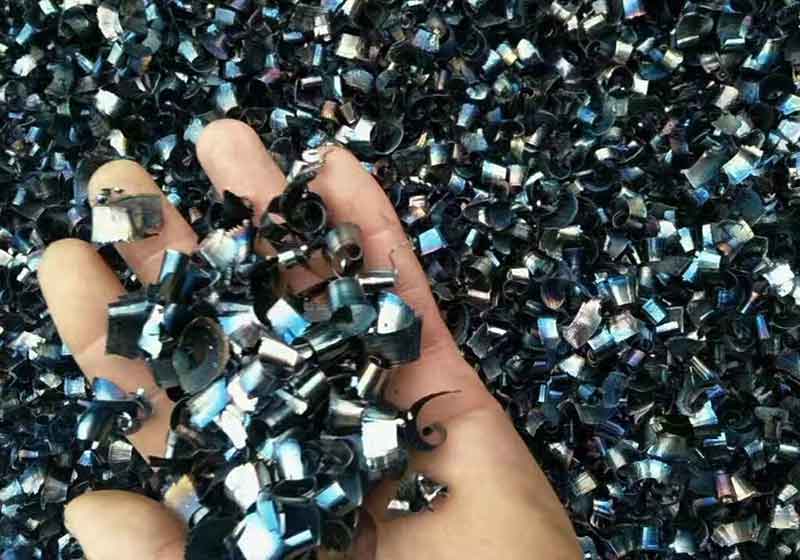
Steel chips from turning, milling, drilling and sawing are loose, oily and difficult to handle efficiently. DILOYA hydraulic briquetting presses compress carbon-steel, cast-iron and alloy-steel swarf into dense cylindrical briquettes, recovering part of the retained cutting fluid while improving storage, transport and furnace feeding. This application is intended for briquetting only.

Loose fine cast iron machining chips

Cast Iron Chips

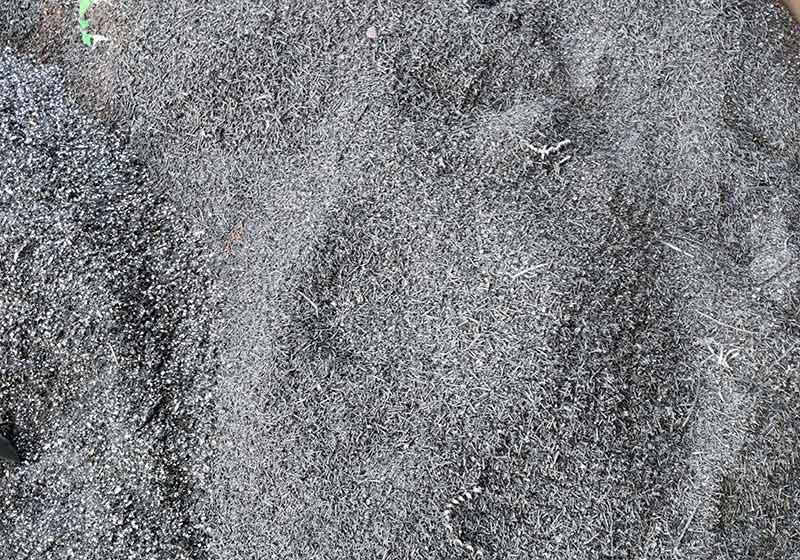
Cast iron chips are fine, brittle machining residues that are abrasive, dusty and difficult to store or charge in loose form. DILOYA hydraulic briquetting presses compress grey-iron and ductile-iron swarf into dense cylindrical briquettes while recovering part of the retained cutting fluid for cleaner handling, efficient transport and controlled foundry feeding. This application is intended for briquetting only.

Loose curled steel shavings collected in a bulk bag

Steel Shavings

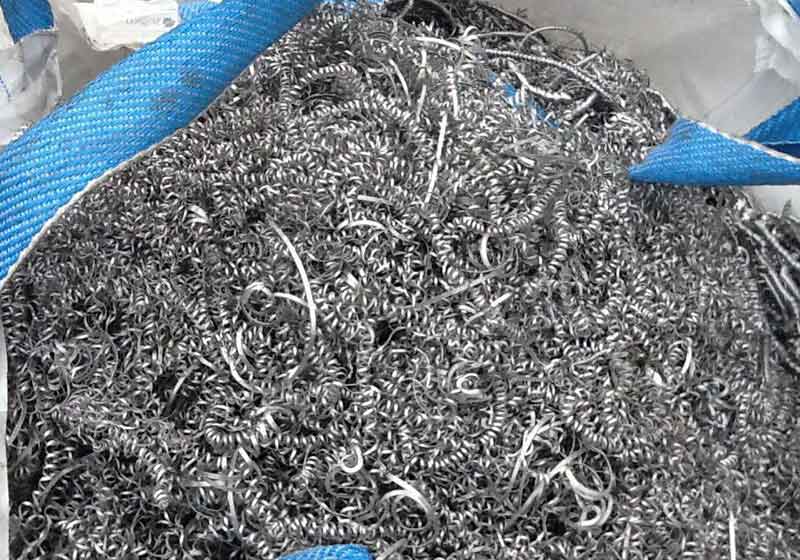
Steel shavings are long, curled machining residues that interlock into bulky nests and retain cutting fluid. DILOYA can compress foldable shavings directly into rectangular transport bales, or shred long tangled nests into short uniform feed before hydraulic briquetting. Process selection depends on shaving geometry, fluid content, required density and downstream furnace specifications.

End-of-life vehicle shells and mixed automotive scrap

Waste Car

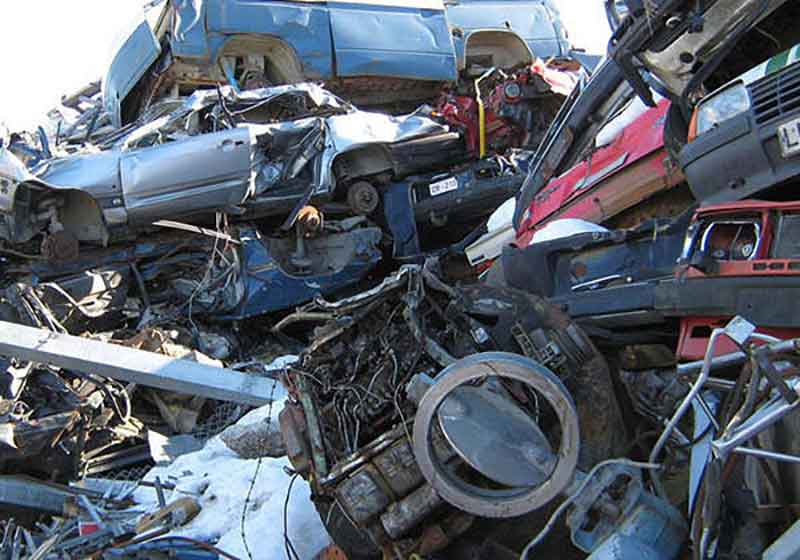
Waste cars and depolluted vehicle shells are bulky, irregular and expensive to store or transport. DILOYA professional car balers use vehicle-length boxes, controlled folding wings and high hydraulic compression force to form entire prepared automobile shells into dense rectangular bales for safer stacking, efficient loading and economical shipment. This application is intended for dedicated car baling only.

Examples of loose copper granules and chopped copper particles

Copper Granules

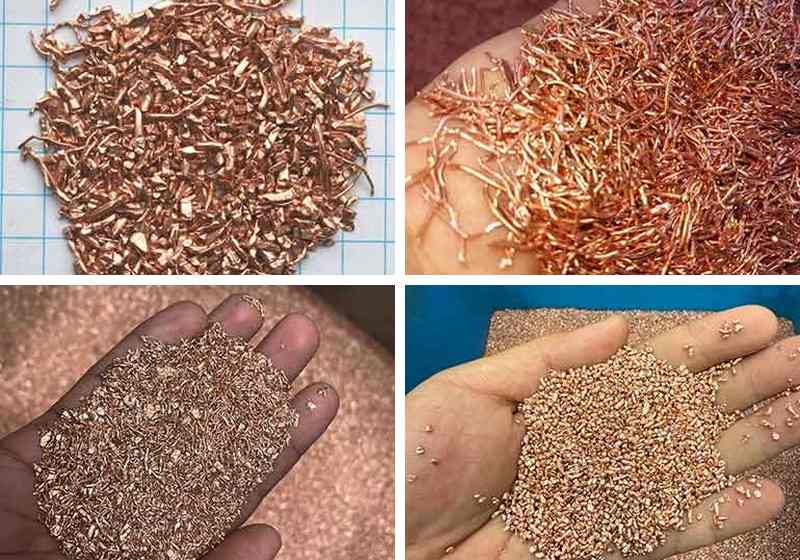
Copper granules recovered from cable processing and wire chopping are valuable but easy to spill, oxidize and lose during handling. DILOYA hydraulic briquetting presses compact clean copper particles into dense binder-free cylinders for secure storage, efficient shipment, accurate weighing and controlled furnace charging. This Copper&Brass Scrap application is intended for briquetting only.

Hand holding loose copper machining chips

Copper Chips

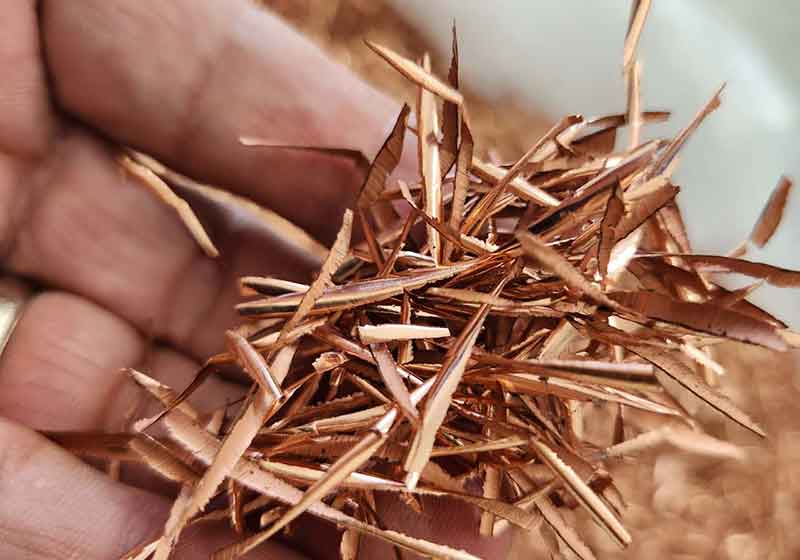
Copper chips from turning, milling and drilling are valuable but bulky, oily and easy to lose during handling. DILOYA hydraulic briquetting presses compact separated copper machining chips into dense binder-free cylinders while recovering part of the retained fluid for efficient storage, shipment and remelting. This Copper&Brass Scrap application is intended for briquetting only.

Brass machining chips collected in a large bin

Brass Chips

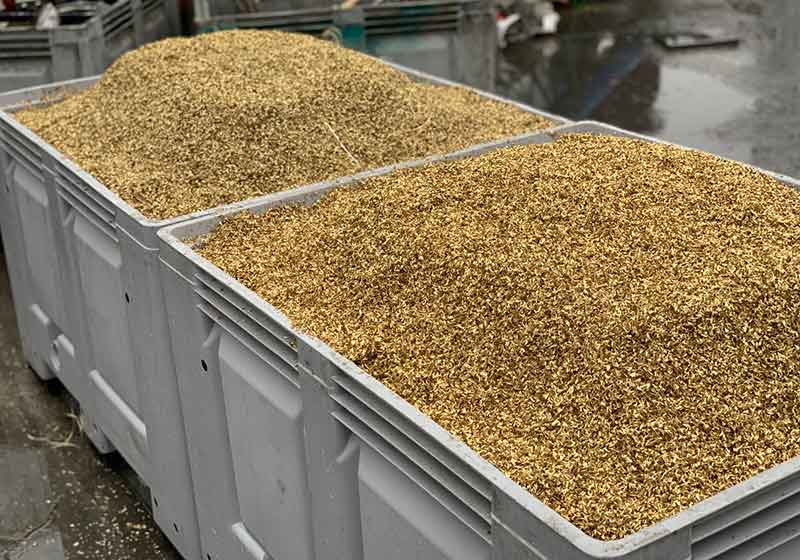
Brass chips from machining valves, fittings and alloy components are loose, oily and difficult to transport efficiently. DILOYA hydraulic briquetting presses compress sorted brass swarf into dense binder-free cylinders, recovering part of the retained cutting fluid while improving grade control, storage, shipment and furnace charging. This Copper&Brass Scrap application is intended for briquetting only.

Loose copper wire bundles and stripped cable conductors

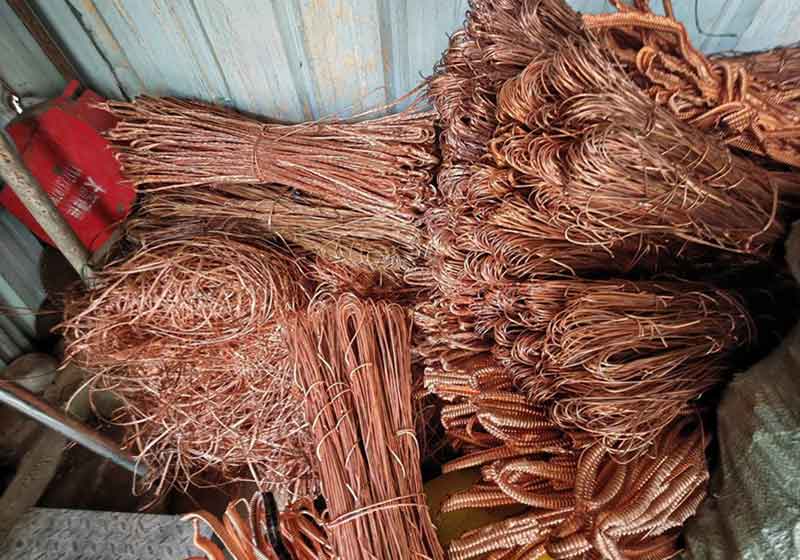
Copper Wire

Copper wire scrap includes bare millberry wire, stripped cable, winding wire and flexible conductors that are springy and difficult to store loose. DILOYA hydraulic metal balers compress clean wire into dense rectangular bales for secure inventory, efficient handling, compact storage and economical shipment. This Copper&Brass Scrap application is intended for baling only.

Loose pale sisal fibre strands before compression

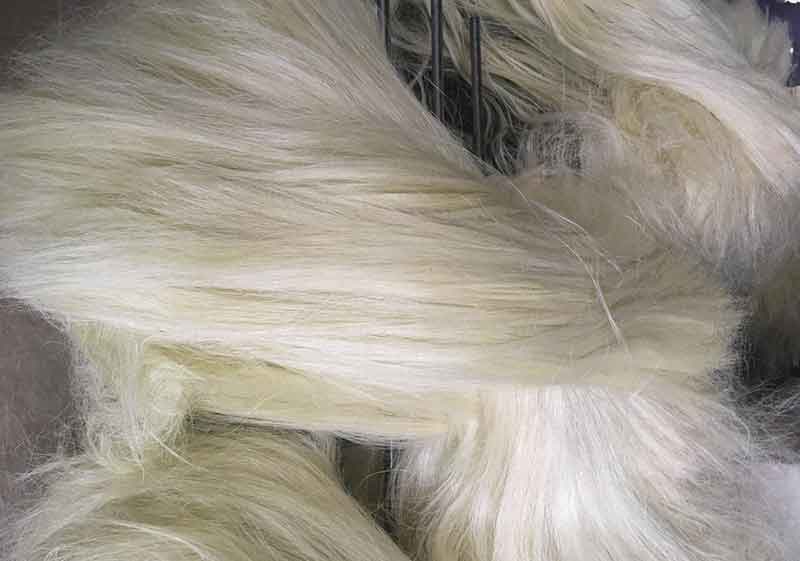
Sisal Fiber

Sisal fibre is long, light and springy, making loose bundles difficult to stack and ship efficiently. DILOYA hydraulic fibre balers compress dry, sorted sisal into dense tied export bales, with Tanzanian projects commonly configured around a nominal 100 kg package for stable warehousing, accurate weighing, forklift handling and container loading. This Natural Fiber application is intended for baling only.

Loose brown coir fibre before baling

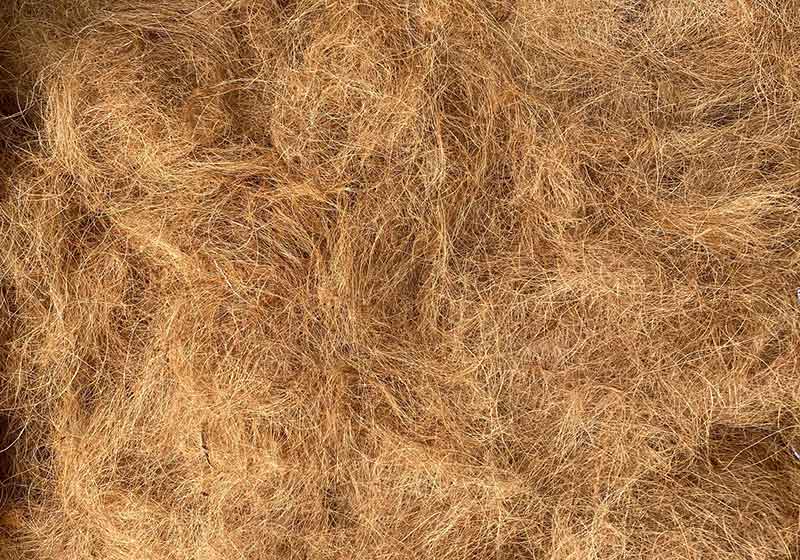
Coir Fiber

Coir fibre recovered from coconut husks is light, springy and difficult to stack or ship efficiently in loose form. DILOYA hydraulic fibre balers compress dry, sorted coir into dense tied rectangular bales for stable warehousing, accurate weighing, forklift handling and economical container loading. This Natural Fiber application is intended for baling only.

Loose palm fibre strands before compression

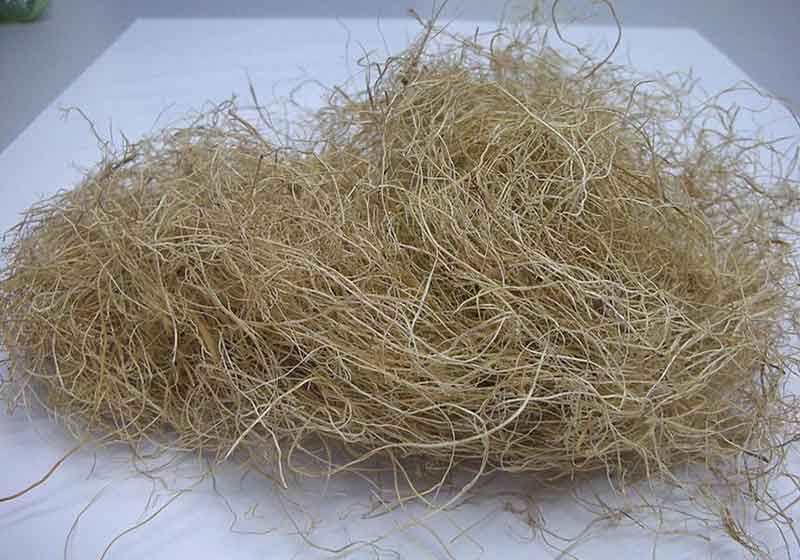
Palm Fiber

Palm fibre from oil-palm and other palm-processing residues is long, tangled and extremely bulky in loose form. DILOYA hydraulic fibre balers compress dry, cleaned palm fibre into dense tied rectangular bales for orderly storage, accurate weighing, mechanical handling and economical shipment. This Natural Fiber application is intended for baling only.

Industrial wiping cloth used to clean hands

Wiping Rags

Loose wiping rags are soft, irregular and costly to store or ship efficiently. DILOYA hydraulic textile balers first compress sorted, dry rags into compact rectangular blocks; operators then manually place each block into a plastic or woven bag, close it, weigh it and label it for sale or distribution. This Textiles&Old Clothes application combines machine compression with manual bagging.

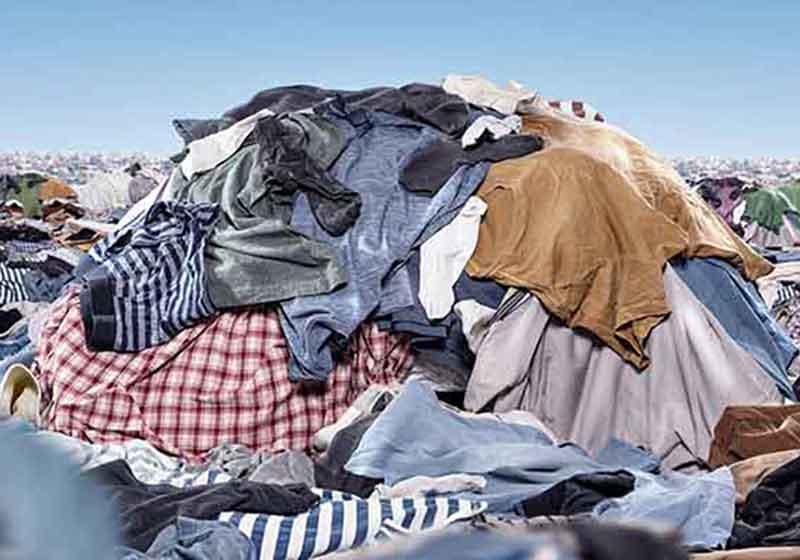
Loose used garments awaiting sorting and baling

Old Clothes

Sorted old clothes are bulky, irregular and expensive to store or transport loose. DILOYA vertical lifting-box balers compress graded garments into dense rectangular packages; the raised chamber exposes each bale so operators can secure it with multiple plastic straps before weighing, labelling and stacking. This Textiles&Old Clothes application is intended for baling only.

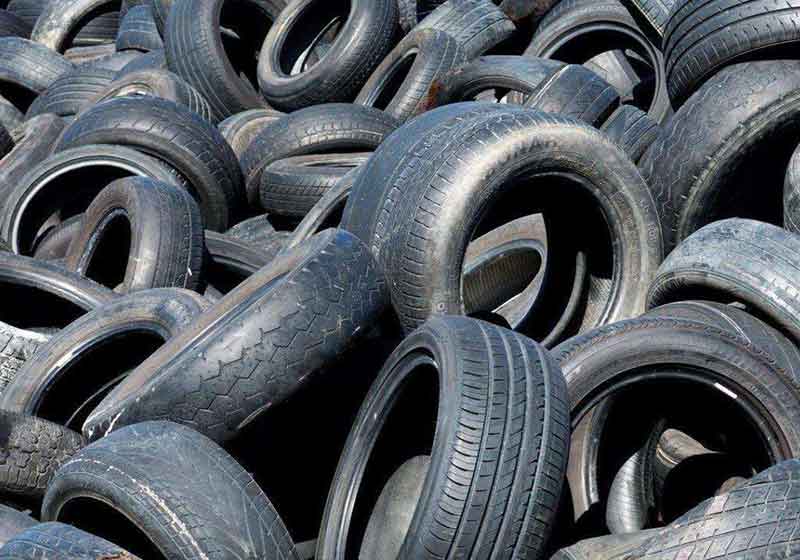
Loose whole waste tyres before compaction

Waste Tire

Whole waste tyres are resilient, hollow and difficult to stack or transport efficiently. DILOYA hydraulic tyre balers compress sorted passenger-car and compatible light-truck tyres into dense steel-wire-tied bundles for controlled storage, mechanical handling and economical shipment. This Waste Tire application is intended for baling whole tyres only.

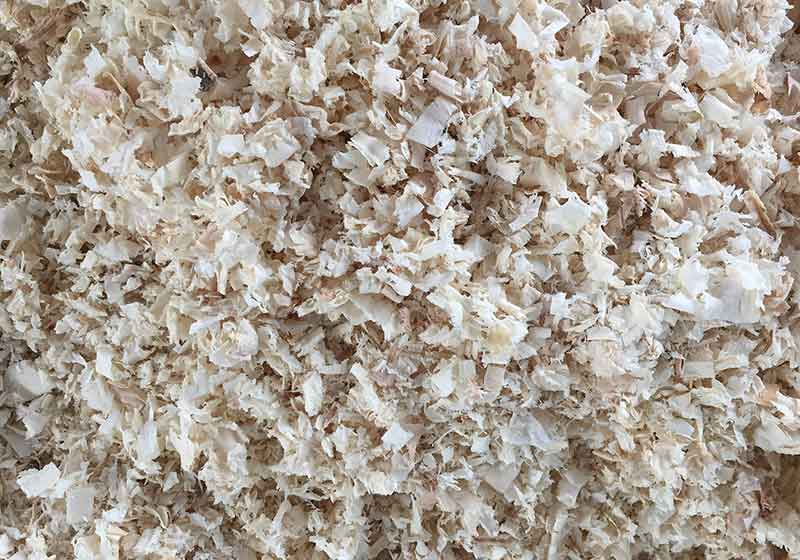
Loose wood shavings for animal bedding

Wood Shavings

Loose wood shavings are light, springy and expensive to store or distribute efficiently. DILOYA high-speed baling lines meter and compress prepared shavings into rectangular blocks before bagging, closing and weight checking. With suitable material, bale specification and automated handling, a configured line can produce up to 200 bales per hour.

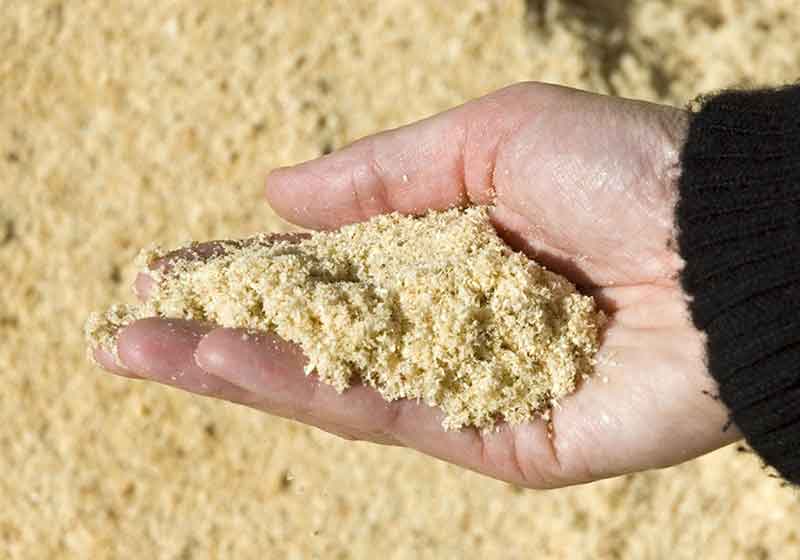
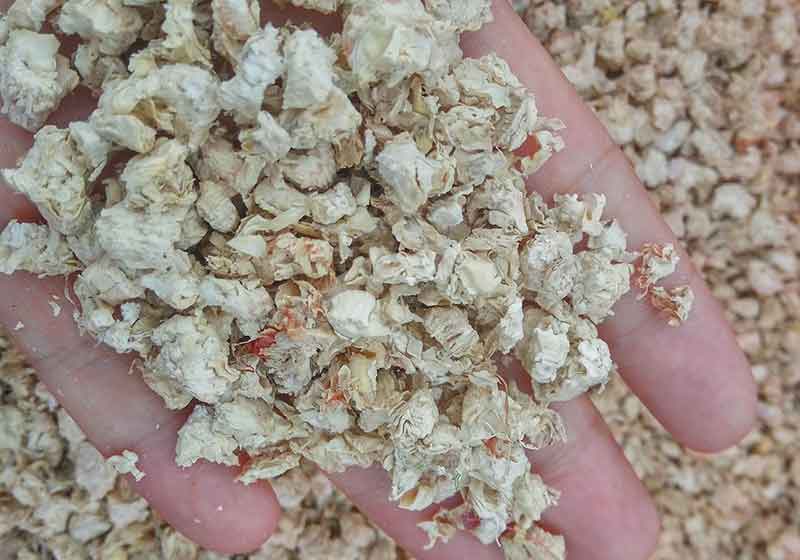
Hand holding fine loose wood sawdust

Wood Sawdust

Fine wood sawdust spills easily, creates dust and occupies excessive space in loose form. DILOYA sawdust baling systems meter prepared material, compress it into dense rectangular blocks and enclose each block in a plastic bag for clean storage, accurate weighing, palletising and shipment. This Wood Sawdust/Shavings application is intended for compression and bagged packaging.

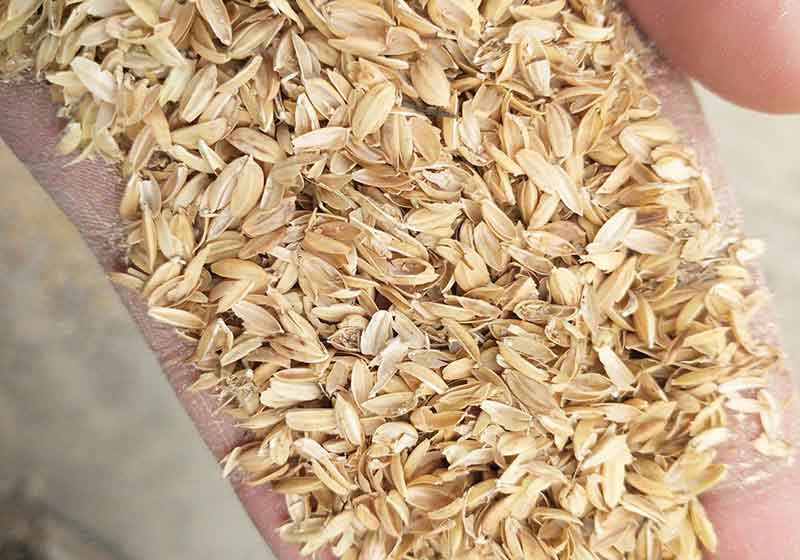
Loose rice husks before compression and bagging

Rice Husks

Rice husks are lightweight, abrasive shells produced during rice milling. They are used for animal bedding, biomass fuel, horticultural mulch and as feedstock for rice-husk ash or silica-related processing, but their low bulk density and dust make loose handling inefficient. DILOYA systems meter prepared husks, compress each charge into a dense rectangular block and place the block into a protective bag for closing, check-weighing and palletising. Compression reduces storage and transport volume while the sealed package limits spillage, moisture exposure and dust. Selection is based on moisture, particle distribution, ash and dust content, loose density, target bale weight, bag specification and hourly output.

Hand holding corn cob granules before bagging

Corn Cob Granules

Corn cob granules are screened particles made from dried crushed cobs and supplied in grades for animal bedding, liquid absorbents, polishing or tumbling media, gentle blasting and selected formulations. Loose granules occupy unnecessary space and can segregate by size during handling. DILOYA systems dose a repeatable charge, hydraulically compress it into a uniform rectangular block and transfer the block into a protective bag for sealing, weighing and palletising. The compact package improves warehouse utilisation, shipment consistency and product cleanliness. Selection depends on granule size, fines, moisture, bulk density, flow behaviour, package weight, bag film and required throughput.

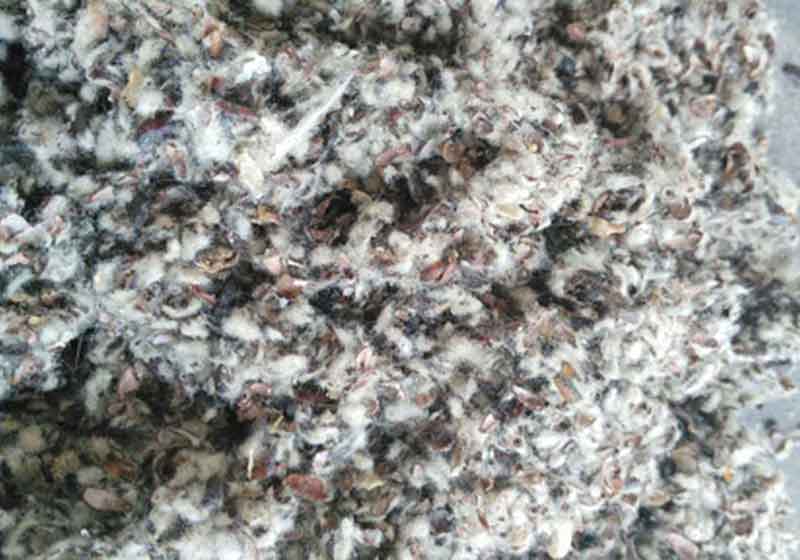
Loose cotton seed hulls before compression

Cotton Seed Hulls

Cotton seed hulls are light, fibrous shells separated during cottonseed processing. They are commonly traded as a roughage ingredient for ruminant feeding where permitted and correctly formulated, and may also serve other approved agricultural or biomass uses. Loose hulls spring back, scatter easily and consume substantial warehouse and vehicle volume. DILOYA balers compress dry, clean and traceable hulls into stable rectangular blocks, then place each block into a suitable bag for closing, weight verification and palletising. Selection is based on hull composition, lint and fines, moisture, hygiene requirements, loose density, rebound, target bale weight, bag material and production rate.

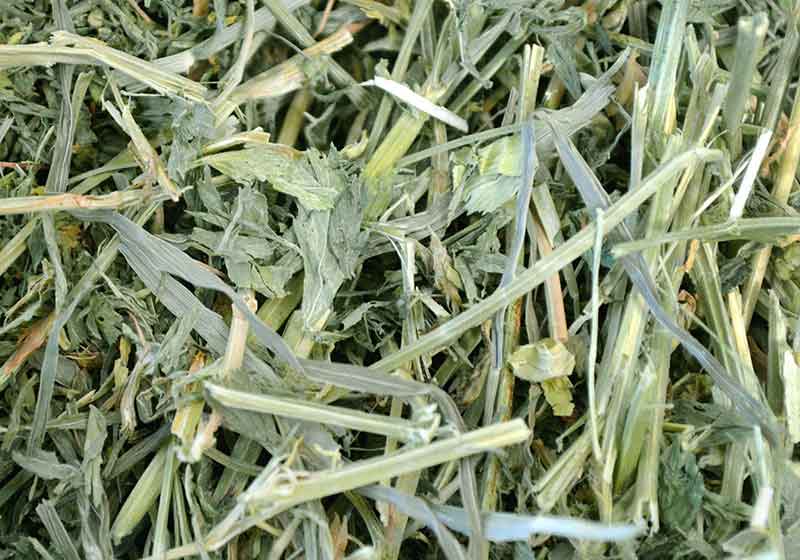
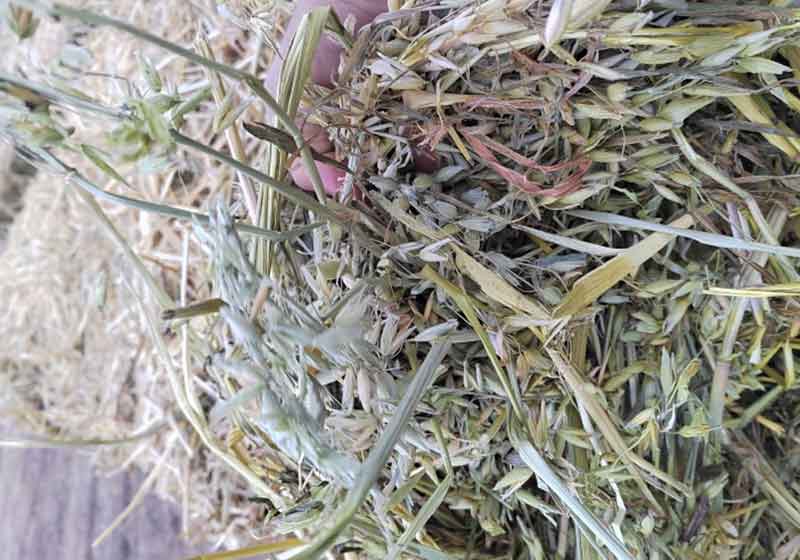
Prepared alfalfa hay showing stems and leaves

Alfalfa Hay

Alfalfa hay is a protein- and fibre-rich forage used in qualified feeding programmes for dairy cattle, beef cattle, horses, sheep, goats and other livestock; selected material may also be processed into cubes or pellets. The crop is bulky and sensitive to moisture, leaf loss and storage temperature, so compression must preserve feed quality. DILOYA balers load controlled charges, form dense rectangular blocks and transfer each block into a protective bag for closure, weighing, clean handling and export. Bagged compression improves container utilisation and lot control while reducing loose-leaf loss. Selection considers cut length, stem-to-leaf condition, moisture, density, package weight, bag material, closure method, throughput and storage requirements.

Cut oat straw before compression and bagging

Oat Straw

Oat straw is a lightweight cereal crop residue that is difficult to handle efficiently in loose form. DILOYA systems compress prepared oat straw into consistent blocks and enclose them in bags for cleaner storage, easier handling and more efficient transport.

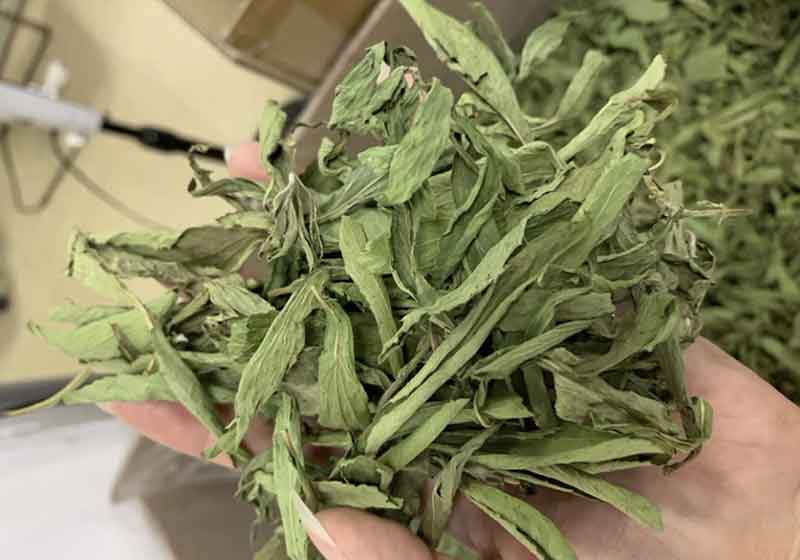
Loose dried stevia leaves and stems

Stevia

Dried stevia leaves are a low-density botanical material that needs careful handling. DILOYA compresses prepared leaves into controlled blocks and bags them for organised storage and transport while accounting for leaf breakage, moisture and buyer quality requirements.

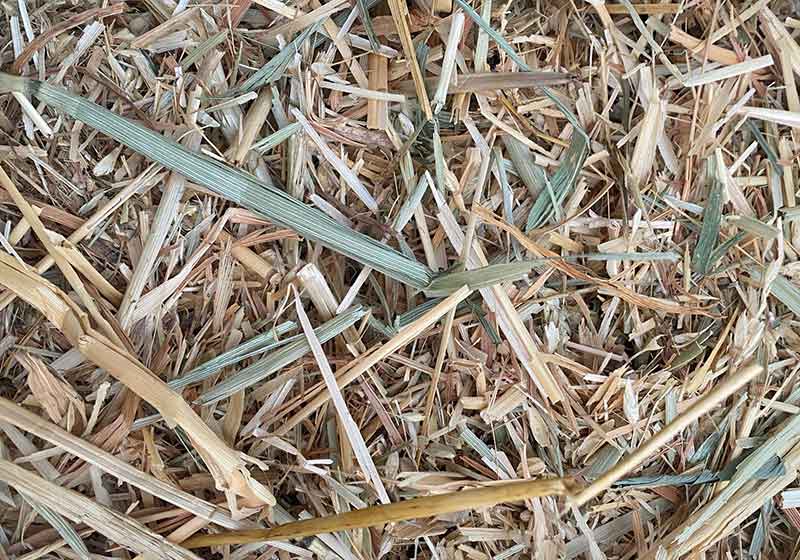
Chopped wheat straw before compression and bagging

Wheat Straw

Wheat straw is a bulky harvest residue used in bedding, horticulture and other agricultural supply chains. DILOYA compresses prepared wheat straw into rectangular blocks and bags them for cleaner handling, reliable stacking and lower-volume transport.

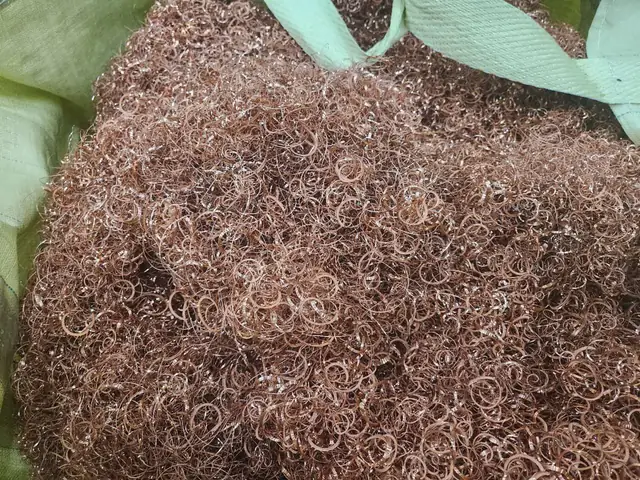
Loose curled copper turnings collected below processing equipment

Copper Turnings

Copper turnings are long, curled machining residues that form bulky, springy nests and may retain cutting fluid. DILOYA configures direct baling or shredding followed by hydraulic briquetting to produce manageable packages, with the process selected for the actual turning geometry, fluid condition and recycling requirements.

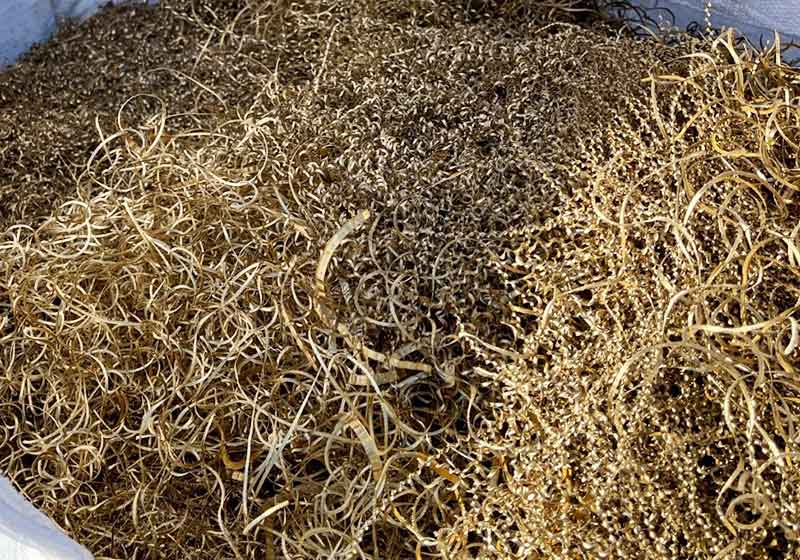
Loose brass turnings and curled machining swarf

Brass Turnings

Brass turnings are long, curled machining residues that can form bulky, tangled bundles. DILOYA selects suitable preparation and hydraulic compaction for the material, including shredding before briquetting where required, with attention to alloy separation, retained fluid and the desired finished package.

FAQ

How much pressing force is needed for clothes, tyres or plant fibres?+

Required force follows the material, chamber and acceptable released package. It cannot be selected from a single tonnage rule for clothes, tyres and fibres. Compare representative trials and handling behaviour rather than treating the largest force as the safest purchase or the densest bale as the only desirable outcome.

  • Clothes and textiles: balance useful compression with package presentation and handling.
  • Tyres: account for strong elastic recovery and the approved restraint and ejection design.
  • Plant fibres: consider loose density, fibre length and the desired bale.
  • Cartons and bottles: assess their distinct loading and spring-back characteristics.

Compare finished bales and complete operating cycles with representative material. A larger pressure or force number alone does not establish a better machine.

What maintenance matters most for these vertical-baler applications?+

Maintenance priorities follow the material: fibre accumulation, textile fragments, abrasive contamination and tyre duty create different inspection conditions. Use the model-specific service plan and record changes in package behaviour. Maintenance Support is a useful support reference; the existence of general guidance does not authorise improvised clearing or pressure adjustments.

Record inspection findings, hydraulic condition, leakage, unusual noises and changes in bale quality. Check guards, interlocks and other protective functions as specified; they are not optional production features.

Use approved parts and competent personnel. Stop and isolate before clearing, inspecting or servicing hazardous areas, and do not raise pressure or override a protection to compensate for an unresolved fault.

What hydraulic oil should I use?+

Use the hydraulic-fluid specification approved for the exact machine and its operating environment. Oil selection affects the hydraulic system and cannot be reduced to a universal grade for every climate. Obtain the required specification, filling quantity and cleanliness procedure together. How to Maintain an Aluminium Chips Briquetting Machine? explains how fluid monitoring fits into preventive maintenance without inventing a common replacement interval.

Confirm whether initial oil filling is included and what quantity is needed. Maintain cleanliness during filling and servicing, and follow the machine's inspection and replacement instructions. Mixing unapproved fluids or choosing oil solely by price can undermine intended hydraulic performance.

Which maintenance issues matter in bagging equipment?+

Bagging maintenance should track both machine condition and changes in the finished package. Repeated stoppages, weight drift or bag damage can point to feeding, weighing, wear or packaging interfaces rather than a single hydraulic fault. Use the model-specific plan and Maintenance Support when a structured assessment is needed.

Keep a record of package-quality changes and repeated stoppages. Stop and isolate equipment before clearing or servicing, using qualified personnel where required. Do not compensate for an unresolved fault by overriding protective devices or making unauthorised control changes.

How does variable-frequency screw feeding help a briquetting line?+

Variable-speed screw feeding helps coordinate delivery, but speed is not a direct mass-flow measurement. A change in chip density or screw fill can alter kilograms delivered at the same setting. Use an approved tuning method for the press; if the project needs accurate dosing, specify a suitable measuring and control arrangement separately.

  • Confirm the screw's approved speed range.
  • Check material movement at normal and low hopper levels.
  • Observe whether the press is starved or over-supplied.
  • Use only the approved coordination settings.
  • Add a specified measuring arrangement if accurate mass dosing is required.

Screw speed alone does not establish precise mass flow. Bulk density, fill level and chip geometry influence delivery. A weighing or closed-loop metering requirement needs additional specified equipment rather than being assumed from speed control.

Related products

Wiping-rag bagging baler illustration with manual loading tray and discharge table

Wiping Rags Baler

The DILOYA Wiping Rags Baler compresses sorted used wiping rags and industrial cleaning cloths into bagged, manageable packages. A controlled feeding and pressing cycle reduces the volume of loose fabric, while the bag helps contain the material during storage and transport. Chamber size, bale weight, bag dimensions and discharge arrangement are selected for the actual cloth mix and downstream handling plan.

View details +
Dual-outlet wiping-rag baler illustration with two bagging channels

Double Bale Rags Wiper Baler

The DILOYA Double Bale Rags Wiper Baler uses a dual-outlet bagging arrangement to produce two specified package sizes or weights from sorted used rags and industrial wiping cloths. The operator can select the appropriate discharge route and packaging program for customer orders. Hydraulic compression and controlled discharge form compact, bagged units, while actual weight consistency depends on feed composition, weighing method and machine settings.

View details +
Hay and animal-bedding bagging baler illustration with upper feed hopper

Animal Bed/Feeding Baler

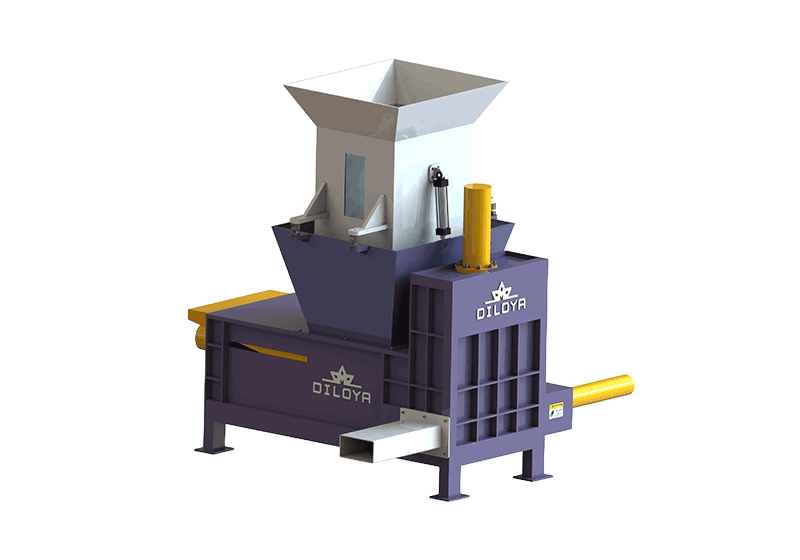
The DILOYA Animal Bed/Feeding Baler packages suitable alfalfa hay for feed and clean sawdust or wood shavings for animal bedding. A weighing-based filling system targets consistent bale weight, followed by hydraulic compression and bagging for orderly storage and distribution. On a suitable configuration, output can reach up to 200 bales per hour; actual rate depends on material density, moisture, target weight, bag size and feeding conditions.

View details +
Three-ram bagging baler illustration with upper hopper and side discharge

Three Rams Bagging Baler

The DILOYA Three Rams Bagging Baler applies staged three-cylinder compression to loose, bulky agricultural and wood-derived material before bagging. Suitable feeds may include alfalfa hay, wheat straw, corncob granules, wood shavings, sawdust, cottonseed hulls, rice husks and stevia leaves after material assessment. Its multi-directional pressing sequence produces dense, regular packages. A specified high-capacity line can reach up to 220 bales per hour, depending on feedstock and bale specification.

View details +
Large-bale bagging press illustration with feed hopper and roller discharge conveyor

Big Bale Bagging Baler

The DILOYA Big Bale Bagging Baler uses a two-ram hydraulic arrangement to form large square packages from alfalfa hay, oat straw, wheat straw and other compatible long-fiber crops. Its large chamber and controlled compression produce bales designed around forklift handling, truck loading and container dimensions. The two-ram sequence supports efficient, guarded production, while bale density and weight depend on crop condition and the selected package specification.

View details +

Leave A Message

Let's Figure Out The Best Solutions!

Tell us what you need.

Share your material, target hour capacity and other requirements. Our engineering team will reply with a suitable solutions.

01Call DILOYA+86 152 2134 765002Email our teaminfo@diloya.com
We use your details to respond to this enquiry. Read our Privacy Policy.