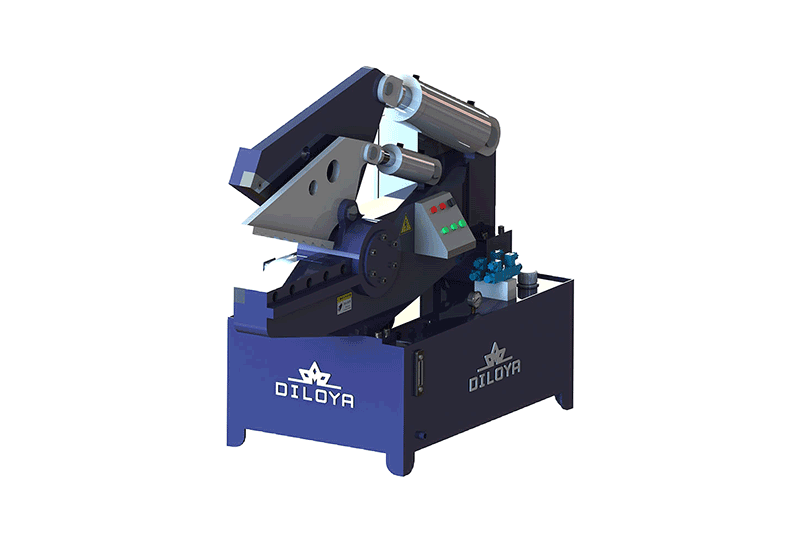
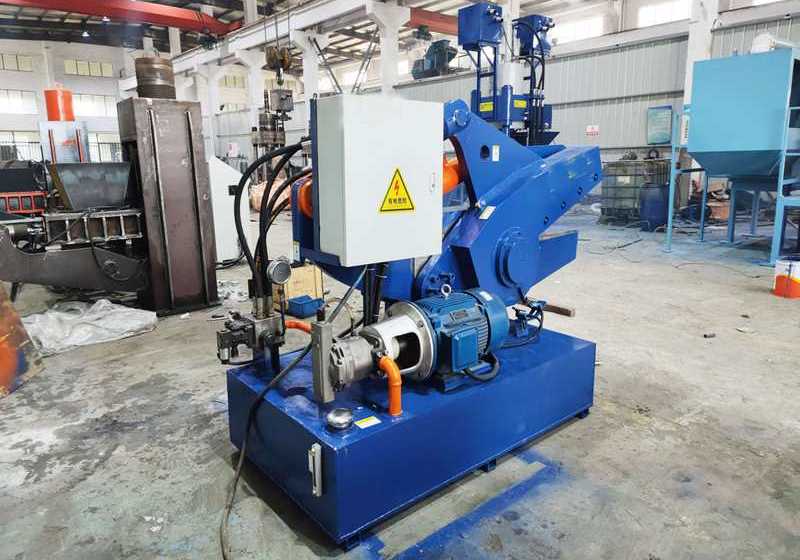
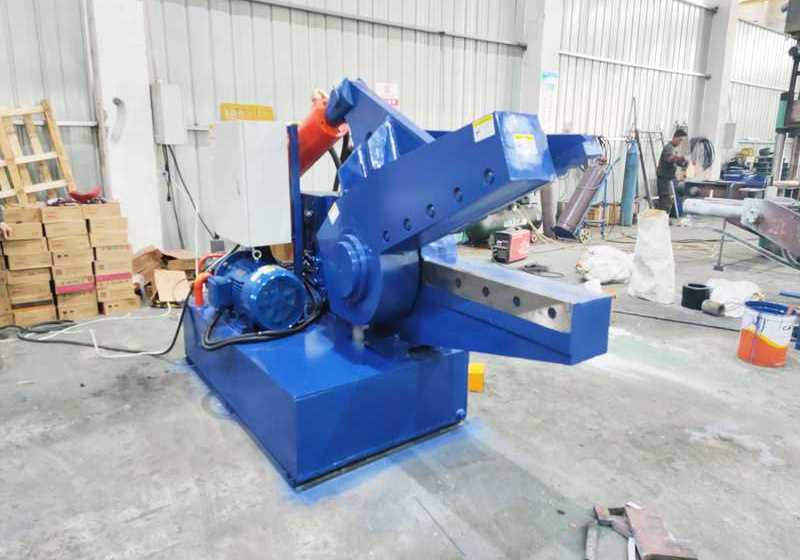
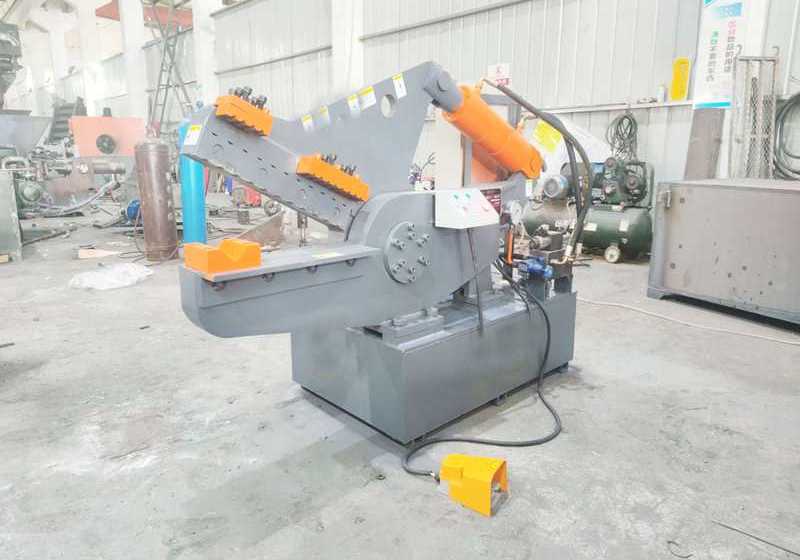
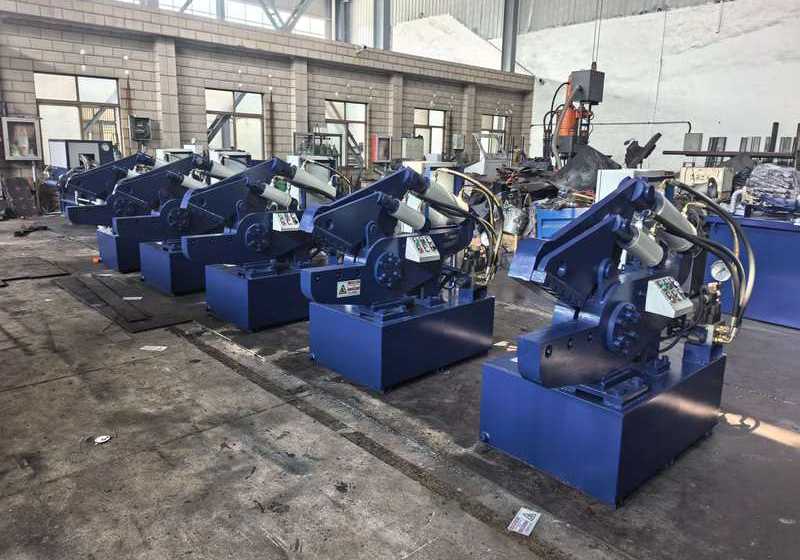
Integrated Alligator Shear
Space-Saving Integrated Hydraulic Alligator Shear
The DILOYA Integrated Alligator Shear refines the conventional alligator-shear arrangement into a more compact, coordinated machine package. It cuts suitable scrap bars, profiles, tubes and production offcuts while reducing the installation space and external component layout required by a traditional setup. The exact integrated functions and cutting range depend on the selected model.
- Design
- Ingegrated Design
- Control
- Button/Foot Control
- Blade Length
- 400-1000mm
- Cutting Frequency
- 8-12tims
- Power supply
- Customized
- Motor Brand
- Taizhou Taida
Description
The DILOYA Integrated Alligator Shear builds on the proven pivoting-jaw cutting principle of a conventional alligator shear. Its design groups the main cutting and supporting systems into a more compact equipment arrangement, helping operators use available floor space efficiently while retaining a familiar scrap-cutting workflow. The actual hydraulic power unit, control cabinet and guarding arrangement should be checked against the chosen machine drawings.
1> Operating Principle
Sorted scrap is placed across the cutting bed. A hold-down or clamping device, where included, restrains the feed while the hydraulic jaw closes and the blade shears the material. The machine resets for the next cut. It is intended to prepare manageable lengths of compatible metal bars, tubes, profiles and fabrication offcuts rather than to bale or briquette scrap.
2> What Integration Changes
Compared with a traditional layout using more separately positioned support components, the integrated configuration is designed to reduce occupied installation area and simplify equipment placement. It can be useful where a recycler or workshop needs regular cutting but has limited floor space. Integration does not remove the need for feed space, discharge access, guarding and maintenance clearance.
3> Engineering Selection
DILOYA should review the scrap grade, maximum section and thickness, required cut length, operating volume, electrical supply and available footprint. Jaw opening, blade length, shear force, controls and auxiliary handling are then specified to the real feedstock. Performance claims should be confirmed with material samples and a defined duty cycle.
Advantage
> Integrated layout: coordinates cutting and support systems in a compact machine package.
> Reduced occupied space: helps fit a hydraulic shear into sites with a constrained floor plan.
> Established jaw principle: retains the straightforward pivoting cutting action familiar from alligator shears.
> Organized installation: supports planning of feed, controls and discharge around one defined machine position.
> Broad scrap preparation: compatible bars, sections, tubes and offcuts can be reduced to practical lengths.
> Model-specific configuration: blades, cutting force and guarding can be selected for the actual scrap profile and workload.
Parameter
Please find below specification of different models:
| Model | MS40 | MS63 | MS100 | MS125 | MS160 | MS200 | MS250 |
|---|---|---|---|---|---|---|---|
| Blade Length | 300mm | 400mm | 600mm | 600mm | 700mm | 800mm | 1000mm |
| Max. Shear Froce | 400kn | 630kn | 1000kn | 1250kn | 1600kn | 2000kn | 2500kn |
| Motor Power | 5.5kw | 7.5kw | 11kw | 15kw | 18.5kw | 22kw | 30kw |
| Cutting Frequency | 8-12times/Min | 8-12times/Min | 8-12times/Min | 8-12times/Min | 8-12times/Min | 8-12times/Min | 8-12times/Min |
| Table Height | 800mm | 800mm | 800mm | 800mm | 800mm | 800mm | 800mm |
| Control | Button /Foot | Button /Foot | Button/Foot | Button/Foot | Button/Foot | Button/Foot | Button/Foot |
| Cooling System | Fan Cooling | Fan Cooling | Fan Cooling | Fan Cooling | Fan Cooling | Fan Cooling | Fan Cooling |
We can customize the baler machine according to your special requirements.
Application
The DILOYA MS series integrated alligator shear can cut below materials:
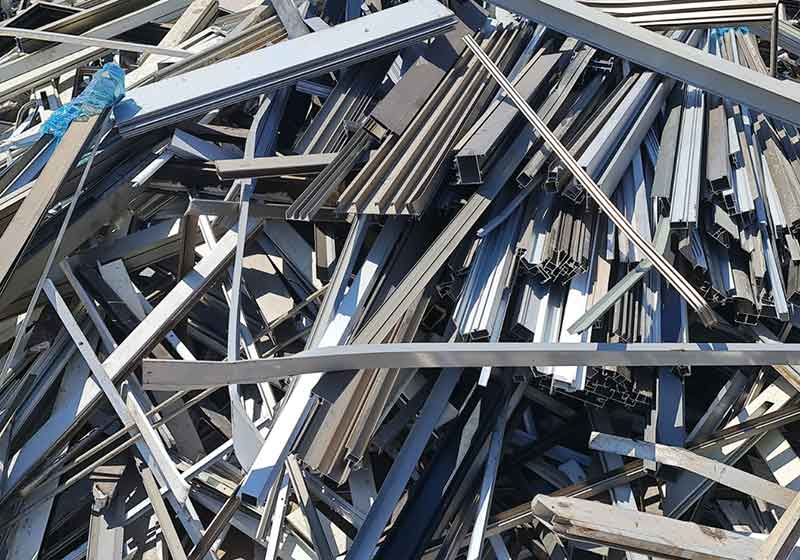
Aluminium Profiles
Aluminium profiles and extrusion offcuts are long, hollow and difficult to stack efficiently. DILOYA hydraulic metal balers compress window frames, structural sections and production offcuts into dense, stable bales for safer handling, lower storage and transport costs, and consistent delivery to aluminium recyclers and remelting plants.
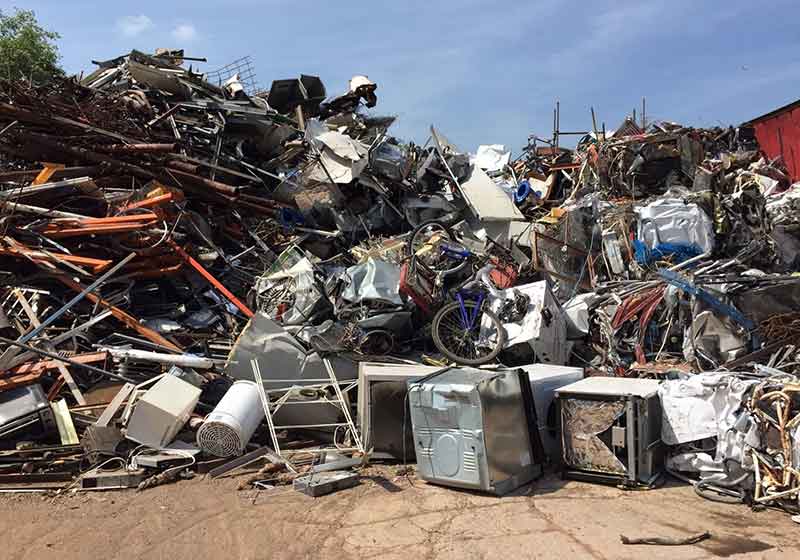
Light Scrap Metal
Light scrap metal includes thin-gauge steel sheet, press-shop offcuts, panels and other bulky ferrous pieces. DILOYA hydraulic metal balers compress this loose, springy material into dense rectangular bales for controlled storage, efficient loading and economical transport. This application is intended for baling only.
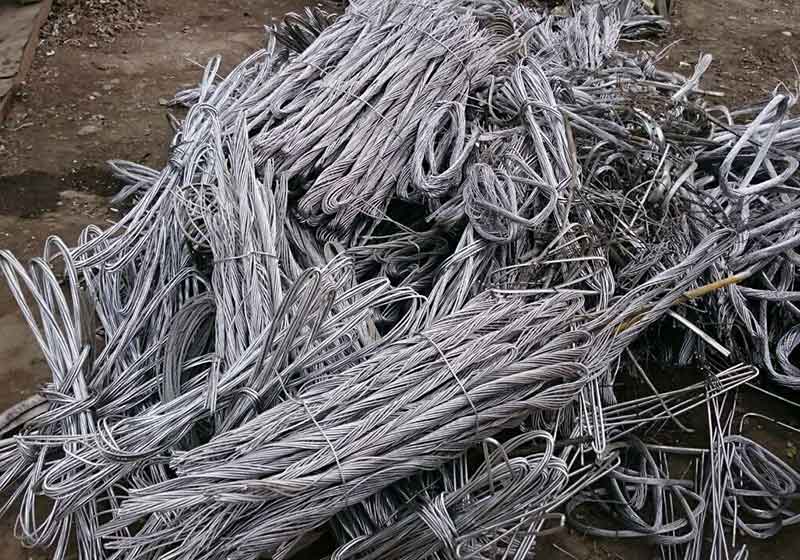
Aluminium Wires
Aluminium wire scrap is long, flexible and easily tangled, making loose material difficult to stack, load and transport. DILOYA hydraulic metal balers compress clean aluminium wires and cable conductors into dense, stable rectangular bales for safer handling, compact storage and efficient delivery to aluminium recyclers and remelting plants.
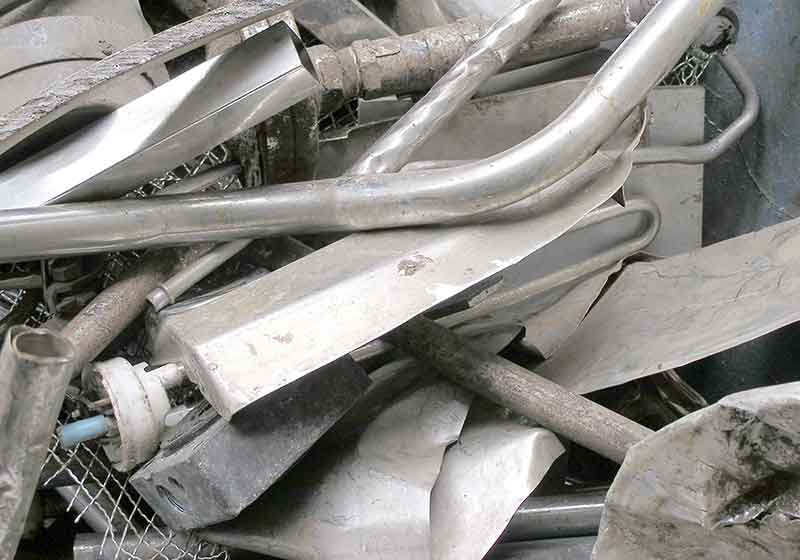
Stainless Steel Scrap
Stainless steel scrap includes sorted sheet offcuts, press skeletons, wire, mesh and light fabrication remnants. DILOYA hydraulic metal balers compress this valuable but bulky material into dense, stable bales while supporting grade separation, safer handling, compact storage and efficient shipment to stainless recyclers and melting plants. This application is intended for baling only.
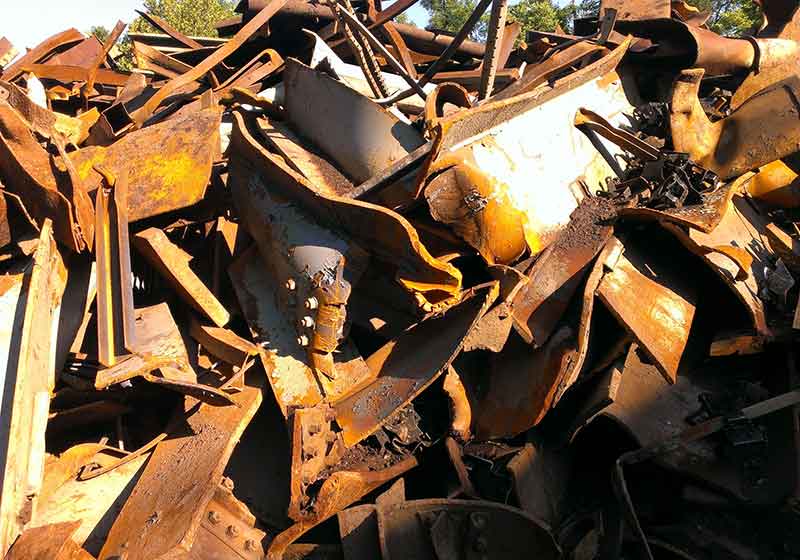
Heavy Scrap Metal
Heavy scrap metal includes thick steel plate, beams, channels, pipe, fabrication offcuts and dismantled machinery structures. DILOYA hydraulic scrap shears pre-compress and cut this oversized ferrous material into controlled furnace-ready lengths for safer stockpiling, efficient loading and reliable downstream melting. This application is intended for shearing only.
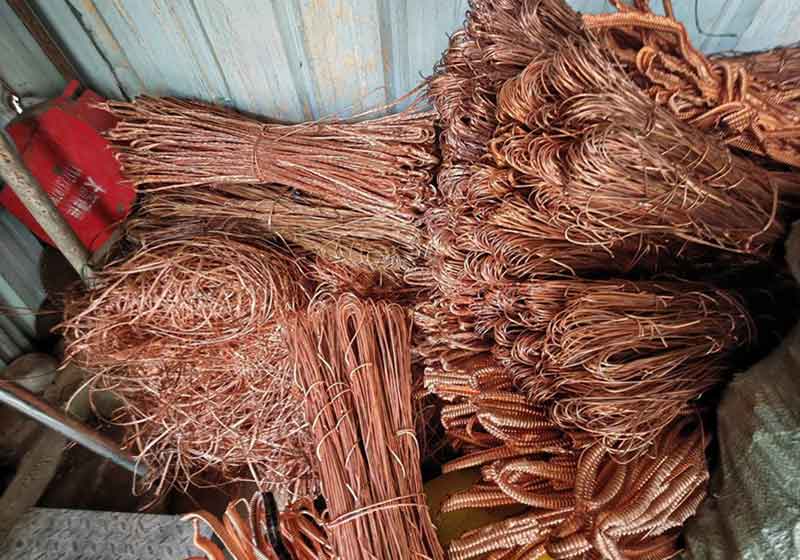
Copper Wire
Copper wire scrap includes bare millberry wire, stripped cable, winding wire and flexible conductors that are springy and difficult to store loose. DILOYA hydraulic metal balers compress clean wire into dense rectangular bales for secure inventory, efficient handling, compact storage and economical shipment. This Copper&Brass Scrap application is intended for baling only.
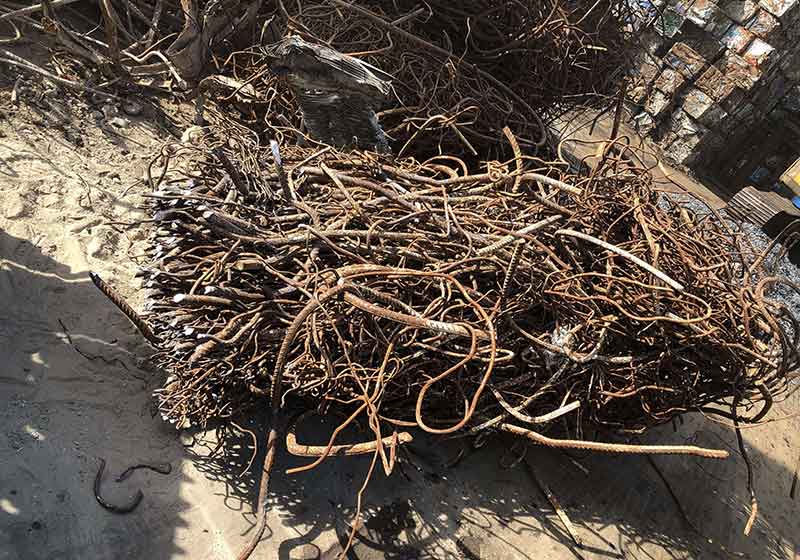
Steel Bar
Steel bar scrap includes reinforcing bar, round bar, bent rod, short offcuts and tangled demolition rebar. DILOYA processes long or rigid bars with hydraulic scrap shears for controlled cut lengths, while shorter and bendable material can be compressed into dense transport bales with hydraulic metal balers. The correct route is selected from bar diameter, length, condition and downstream requirements.
FAQ
How should I compare alligator, gantry and other scrap-shear designs?+
Compare shear designs by their material-control and loading method before comparing force. Alligator Shear may address a different feed and handling duty from Vertical Gantry Shear. The right design is the one that accepts the approved sections consistently and delivers the required cut scrap without excessive repositioning or downstream waiting.
Compare each design against the same questions:
- What feed shape can it accept within its approved limits?
- How is material supported and controlled?
- How much repositioning is required?
- What finished size and sustained output are needed?
- How will cut scrap be removed?
Consider maximum section dimensions, material control during cutting, feeding effort, output size and the complete operating cycle. Submit representative scrap information so the proposed design can be assessed for the real workload and required protective arrangements.
How much cutting force does my material require?+
Cutting force must be assessed from the actual cross-section and material, not its outside dimensions alone. A hollow tube and a solid bar of the same diameter create different duties. Supply the difficult normal sections and known material properties so the proposed shear can be assessed as a complete blade, structure and hydraulic combination.
- Material grade or known strength.
- Solid, hollow or built-up cross-section.
- Maximum wall or plate thickness and width.
- How the piece is presented to the blades.
- Required cut length and sustained production.
Provide section drawings, thickness, alloy and maximum dimensions. The machine supplier should define approved material limits for the selected shear. Avoid treating a force number as permission to cut any object that fits.
Can a hydraulic shear process copper or aluminium scrap?+
Copper and aluminium scrap may be suitable for a particular shear, but their deformation and handling can differ from the steel duty used in a reference rating. Define alloy, shape and required output quality. Keep commercial grade separation in the assessment as well as mechanical capability, particularly where the cut material goes to a controlled recycling stream.
Confirm the exact alloy and geometry and consider grade separation. A shear chosen for steel should not be assumed optimised for every non-ferrous duty. Trial cutting can help establish output quality and practical handling where the requirement is unusual.
What site information is needed for a hydraulic shear?+
Show the whole shear installation on the site plan: incoming stock, material-handler reach, machine envelope, cut-scrap collection and servicing routes. A machine footprint alone misses the area in which long or irregular scrap must move. Verify supporting loads and services using the approved installation information before preparing the site.
Include electrical supply, environmental conditions and maintenance clearances. The supporting structure should be assessed where required by qualified professionals. Site preparation and machine setup responsibilities need to be agreed before delivery.
Which shear wear parts should be considered in spare-parts planning?+
Base shear spares on the actual blade and wear-component specification, then prioritise by expected use and replenishment time. A readily available consumable and a long-lead critical part have different inventory risks. Keep identification and revision information with the stock; possession of a replacement blade does not replace condition monitoring.
Distinguish routine wear replacements from emergency spares. Confirm part numbers and storage requirements, and plan inspection around actual condition. Keeping blades on site does not replace correct loading and model-specific maintenance.
Related products
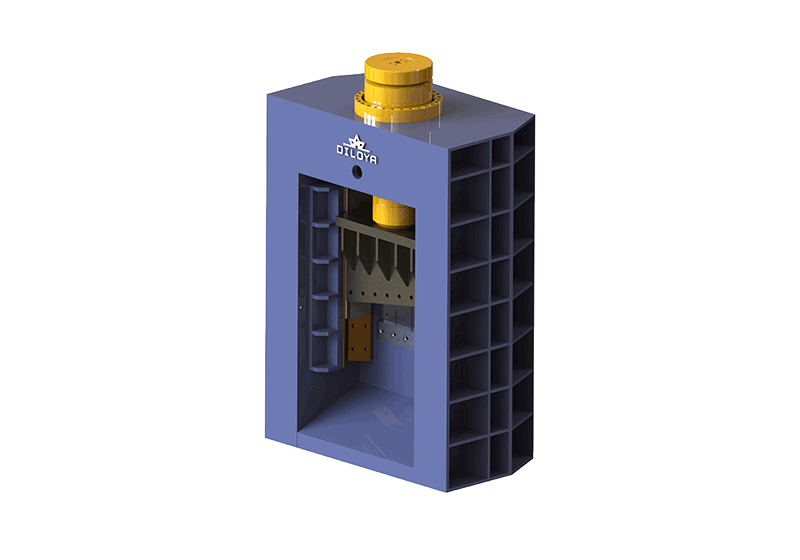
Vertical Gantry Shear
The DILOYA Vertical Gantry Shear applies a vertically moving hydraulic blade within a gantry-style structure to cut a broad range of compatible steel scrap. Designed for demanding recycling-yard duty, it combines a large feed opening with high-capacity cutting potential. The selected model, material section and operating cycle determine achievable production output.
View details +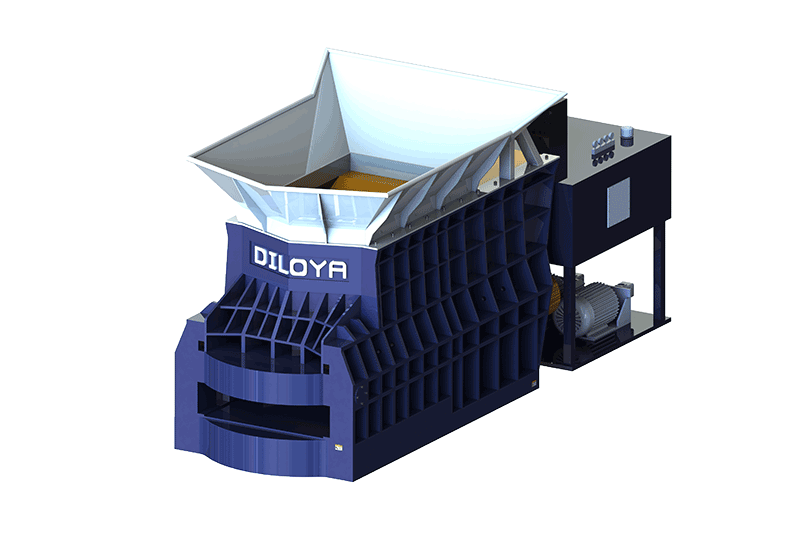
Horizontal Container Shear
The DILOYA Horizontal Container Shear uses a box-style receiving chamber to contain, compress and shear bulky steel scrap in a planned production sequence. Its horizontal layout is intended for high-volume scrap yards that need strong cutting performance while using the available site area efficiently. Heavy plate, structural sections and other compatible ferrous scrap are assessed against chamber dimensions and cutting force.
View details +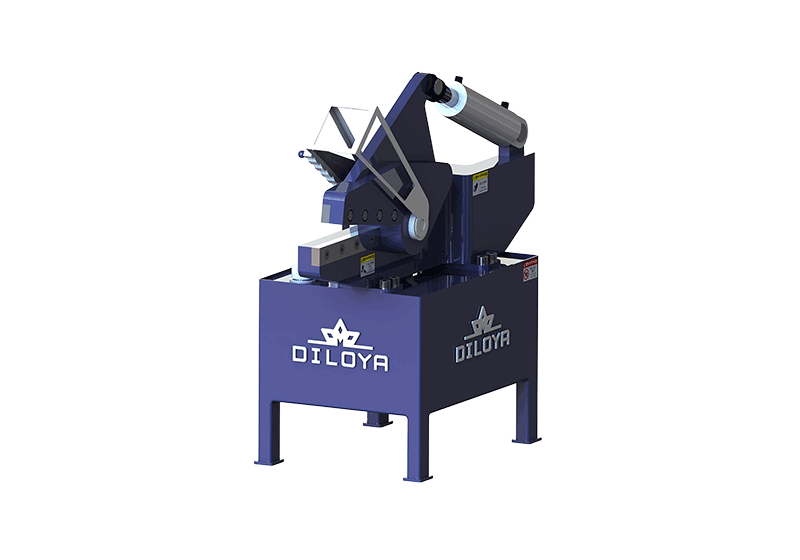
Mini Alligator Shear
The DILOYA Mini Alligator Shear is a compact, movable hydraulic cutting machine for light and relatively thin scrap. It helps workshops and collection points cut small-diameter cable and wire, aluminium profiles, copper tube and other suitable non-ferrous offcuts into manageable lengths. The machine is selected according to material cross-section, wall thickness and cutting-force requirements.
View details +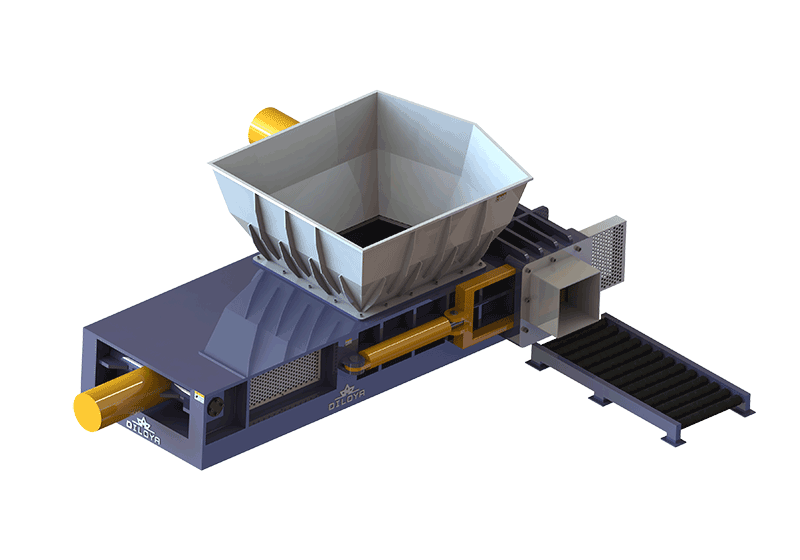
Hopper Type Shear Baler
The Hopper Type Shear Baler is a heavy-duty hydraulic scrap processing machine designed for efficient shearing, compacting, and recycling of various metal scraps, aluminium tins cans, Scrap steel, light metal, sheet metal, profiles, pipes, and other bulky materials can be continuously loaded into the hopper and compressed before cutting.
View details +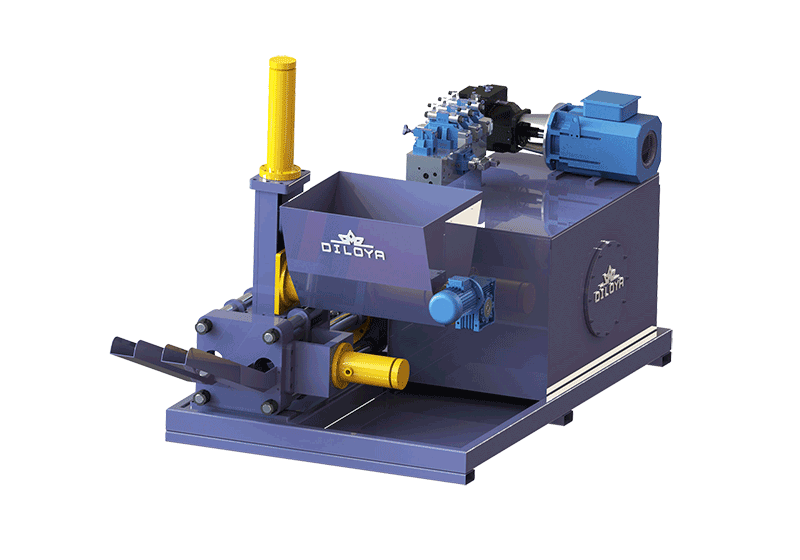
Double Outlet Briquetting Press
The DILOYA Double Outlet Briquetting Press cold-compresses suitable metal chips into dense briquettes and uses two discharge outlets to support a planned collection flow. It is configured for recycling operations that need steady feeding and efficient removal of finished blocks.
View details +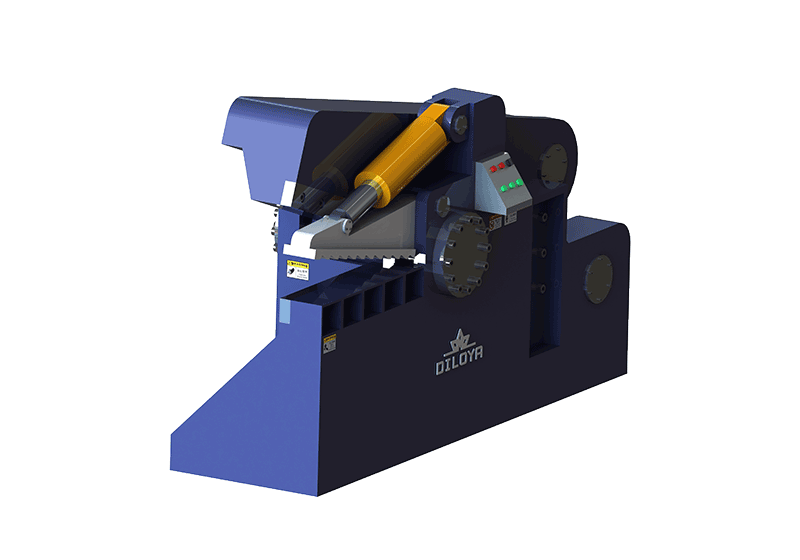
Alligator Shear
The DILOYA Alligator Shear is a conventional hydraulic pivot-jaw scrap cutter built for stable, repeatable cutting of suitable metal sections. Its robust frame and straightforward cutting arrangement serve scrap yards, fabrication shops and recycling operations preparing bars, pipes, profiles and offcuts for the next handling or processing stage.
View details +Customer Cases
View all cases + Alligator Shear For Aluminium Ingot Cutting In South Africa
A South African customer uses a conventional Alligator Shear for aluminium ingots, with reported output of 800–1,000 kg/hour and 8–12 cutting strokes/minute.
View case + Horizontal Steel Bar Container Shear For Heavy Scrap In Singapore
Singapore customer case: a horizontal box shear for waste rebar and heavy structural steel, with reported output of 10–15 t/hour, PLC automation and remote control.
View case + Double Outlet Aluminium Chip Briquetting Press In Greece
A Greek customer requires 600–800 kg/hour aluminium chip processing. The recommended double-outlet press uses PLC automation, with a stated rate of 5–6 briquettes/minute.
View case + Automatic Aluminium UBC Shear Baler
A three-cylinder automatic shear baler for an Indonesian Aluminium UBC recycling customer, with a reported processing capacity of 900–1,100 kg/hour.
View case + Heavy-Duty Vertical Metal Baler In Indonesia
An Indonesian customer uses a heavy-duty vertical tying baler for aluminium profiles, stainless steel and beverage cans, with reported bale weights of 600–1,500 kg.
View case + 250-Ton Side-Discharge Scrap Metal Baler In North Macedonia
North Macedonia customer case: a 250-ton side-discharge scrap baler with a 500 × 500 mm bale cross-section, 250–400 kg bales and reported output of 4–6 t/hour.
View case +Leave A Message
Let's Figure Out The Best Solutions!
Tell us what you need.
Share your material, target hour capacity and other requirements. Our engineering team will reply with a suitable solutions.