Metal Baler

High-density hydraulic baling equipment for compacting ferrous and non-ferrous scrap.

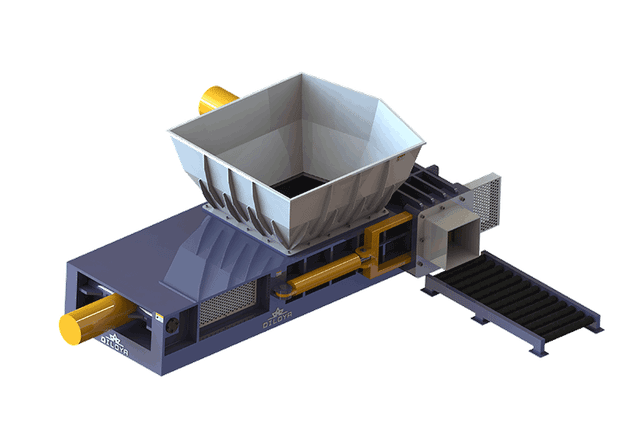
Hopper-type shear baler illustration with wide loading hopper and roller conveyor

Hopper Type Shear Baler

The Hopper Type Shear Baler is a heavy-duty hydraulic scrap processing machine designed for efficient shearing, compacting, and recycling of various metal scraps, aluminium tins cans, Scrap steel, light metal, sheet metal, profiles, pipes, and other bulky materials can be continuously loaded into the hopper and compressed before cutting.

View product details +
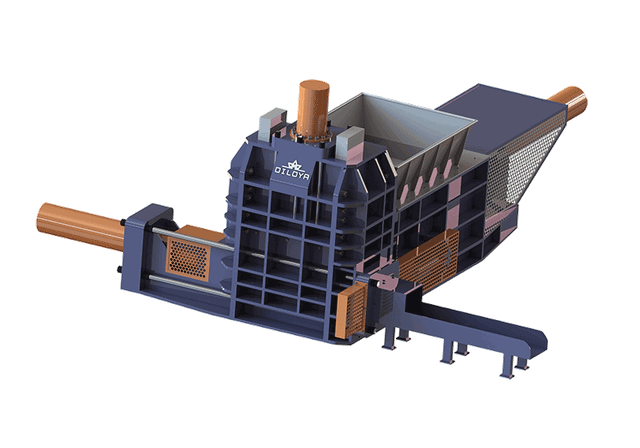
Three-ram shear baler illustration showing the loading hopper and discharge conveyor

Three Rams Shear Baler

The DILOYA Three Rams Shear Baler combines staged hydraulic compression, shearing and bale discharge to turn loose metal scrap into compact, uniform bales for recycling, storage and transport.

View product details +
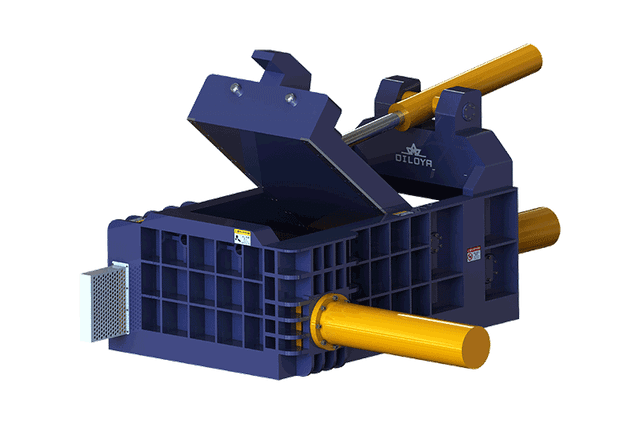
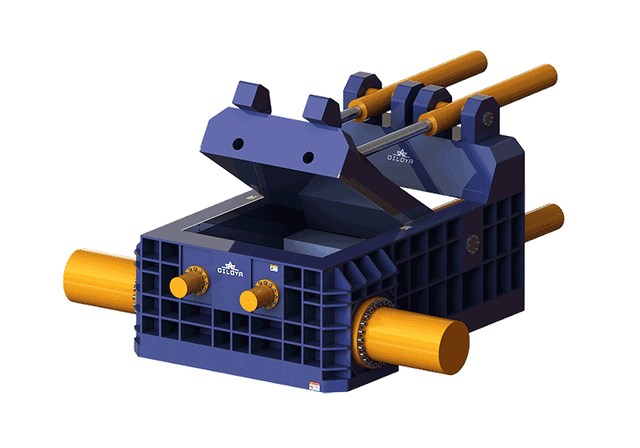
Side push-out metal baler illustration with an open loading lid

Side Push-Out Metal Baler

The DILOYA Side Push-Out Metal Baler compresses loose ferrous and selected non-ferrous scrap into stackable rectangular bales, then ejects each bale through a side outlet for efficient handling.

View product details +
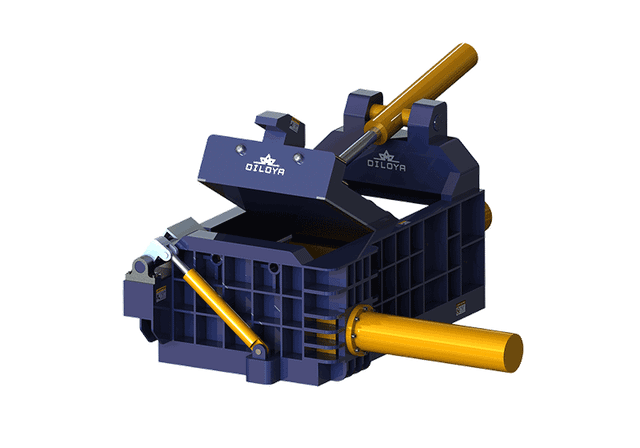
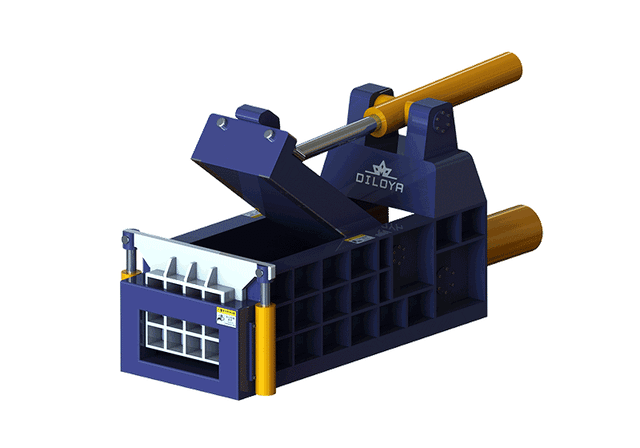
Forward-out scrap metal baler illustration showing the front discharge opening

Forward-Out Metal Baler

The DILOYA Forward-Out Metal Baler compresses suitable loose metal scrap into compact bales, then pushes each finished bale through a front outlet for straightforward collection and handling.

View product details +
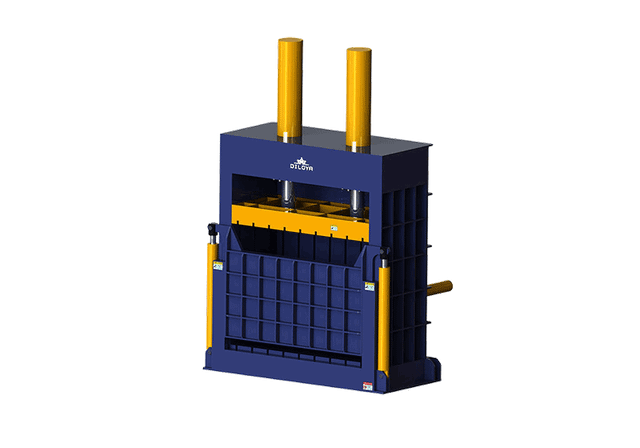
Vertical metal baler illustration with twin upper hydraulic cylinders

Vertical Metal Baler

The DILOYA Vertical Metal Baler has a heavy-duty upright structure for compacting waste aluminium, aluminium profiles, stainless steel, copper scrap and aluminium beverage cans into large, heavy bales.

View product details +
Heavy-duty metal baler illustration showing twin main cylinders

Heavy Duty Metal Baler

The DILOYA Heavy Duty Metal Baler uses two main hydraulic cylinders to compact bulky scrap metal into dense, rectangular bales. Finished bales are removed by grab for storage, loading and downstream recycling.

View product details +

Applications

View all applications +
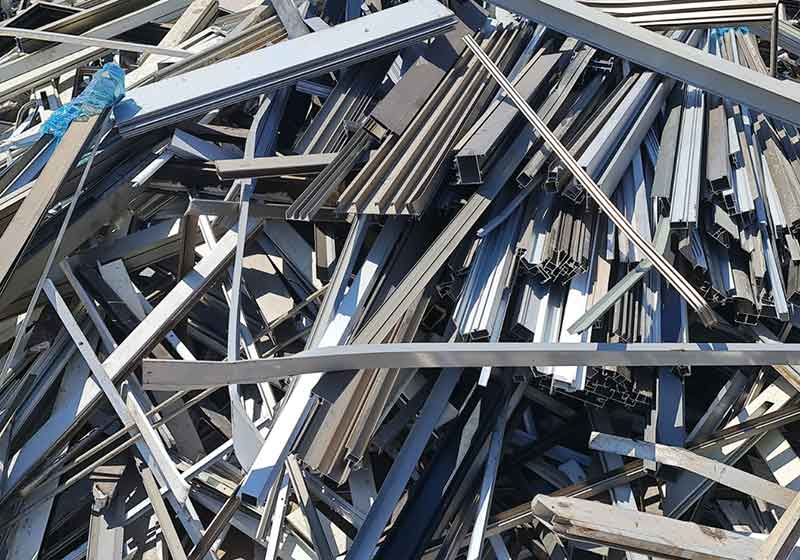
Pile of loose aluminium extrusion profile offcutsAluminium Profiles

Aluminium profiles and extrusion offcuts are long, hollow and difficult to stack efficiently. DILOYA hydraulic metal balers compress window frames, structural sections and production offcuts into dense, stable bales for safer handling, lower storage and transport costs, and consistent delivery to aluminium recyclers and remelting plants.

View application +
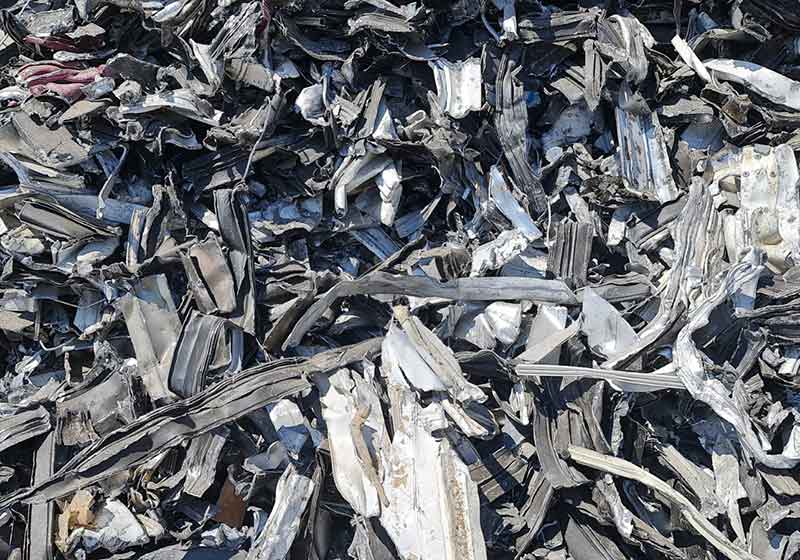
Mixed loose aluminium sheet and fabrication scrapAluminium Scrap

General aluminium scrap includes sheet offcuts, stampings, thin-gauge trimmings and mixed clean production pieces. DILOYA hydraulic aluminium scrap balers compress this loose material into dense, stable bales for efficient storage, safer handling, economical transport and consistent delivery to recycling and remelting plants.

View application +
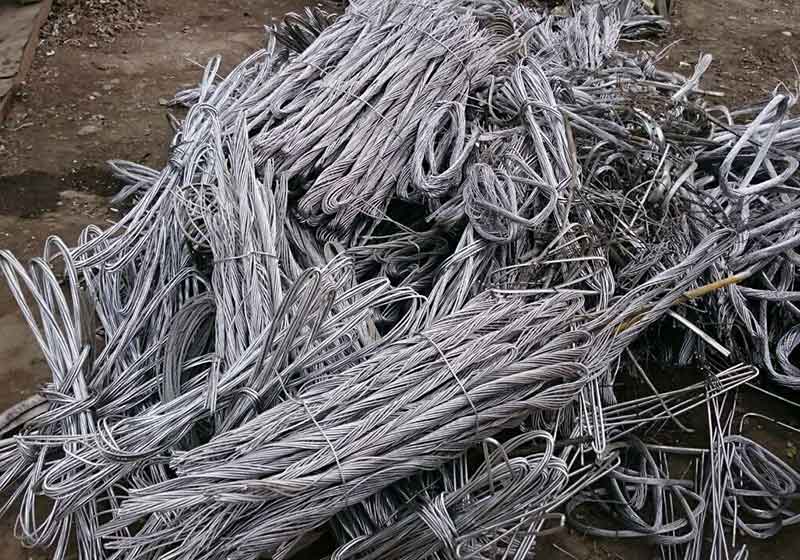
Loose tangled aluminium wire scrap before balingAluminium Wires

Aluminium wire scrap is long, flexible and easily tangled, making loose material difficult to stack, load and transport. DILOYA hydraulic metal balers compress clean aluminium wires and cable conductors into dense, stable rectangular bales for safer handling, compact storage and efficient delivery to aluminium recyclers and remelting plants.

View application +
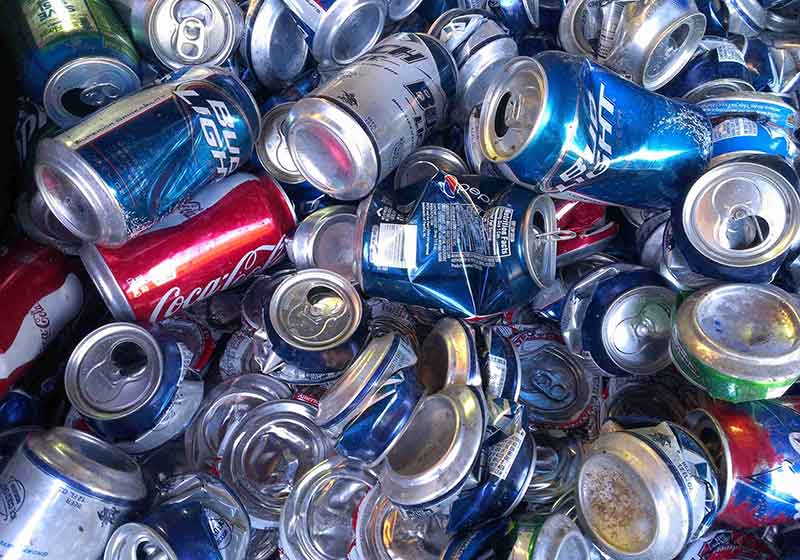
Loose aluminium used beverage cans before compactionAluminium UBC

Aluminium UBC consists of lightweight used beverage cans collected from municipal, commercial and deposit-return streams. DILOYA hydraulic UBC balers compress sorted cans into dense, stable and stackable bales for efficient storage, economical transport and consistent delivery to aluminium can recycling and remelting plants.

View application +
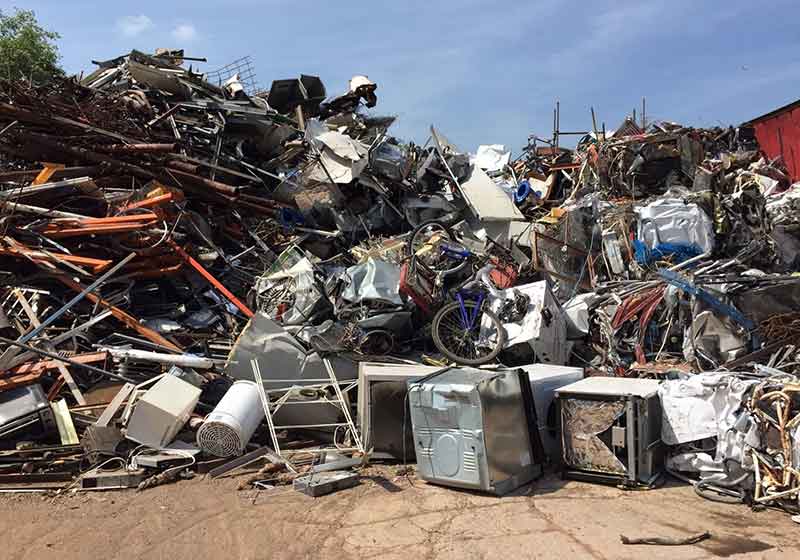
Mixed light-gauge metal scrap and compact bales in a recycling yardLight Scrap Metal

Light scrap metal includes thin-gauge steel sheet, press-shop offcuts, panels and other bulky ferrous pieces. DILOYA hydraulic metal balers compress this loose, springy material into dense rectangular bales for controlled storage, efficient loading and economical transport. This application is intended for baling only.

View application +
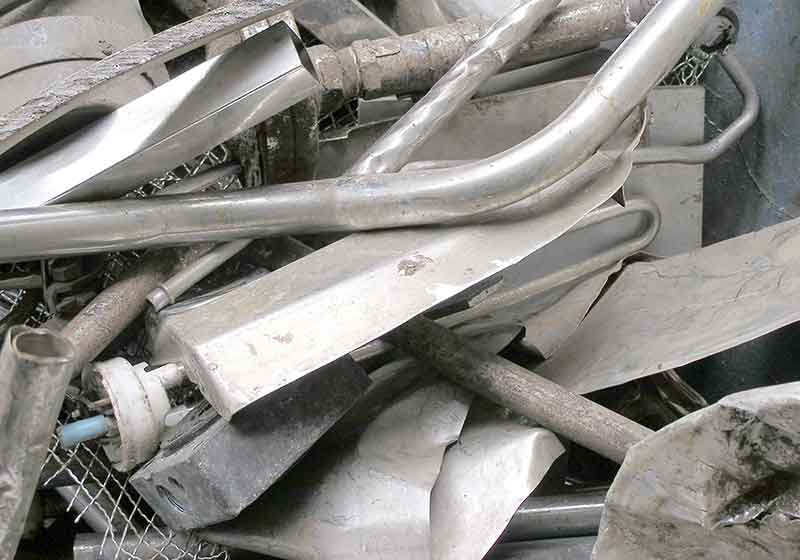
Loose stainless steel tubes and fabrication offcutsStainless Steel Scrap

Stainless steel scrap includes sorted sheet offcuts, press skeletons, wire, mesh and light fabrication remnants. DILOYA hydraulic metal balers compress this valuable but bulky material into dense, stable bales while supporting grade separation, safer handling, compact storage and efficient shipment to stainless recyclers and melting plants. This application is intended for baling only.

View application +
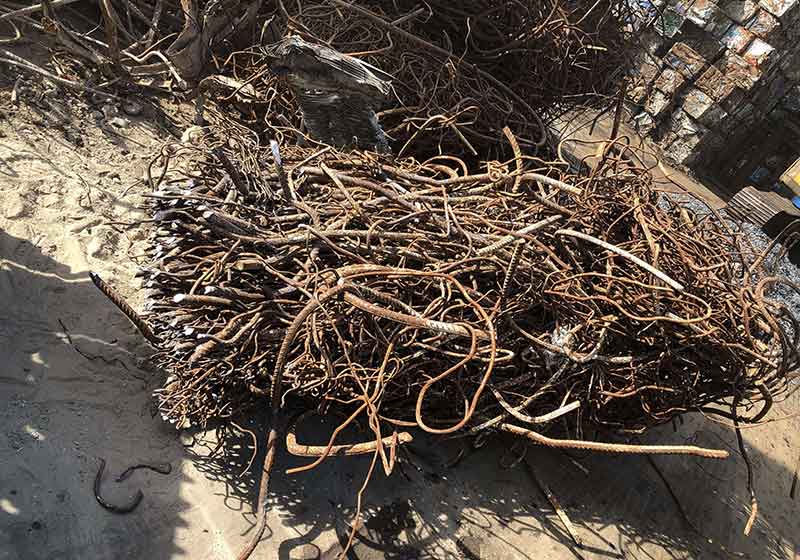
Loose tangled reinforcing bar and steel rod scrapSteel Bar

Steel bar scrap includes reinforcing bar, round bar, bent rod, short offcuts and tangled demolition rebar. DILOYA processes long or rigid bars with hydraulic scrap shears for controlled cut lengths, while shorter and bendable material can be compressed into dense transport bales with hydraulic metal balers. The correct route is selected from bar diameter, length, condition and downstream requirements.

View application +
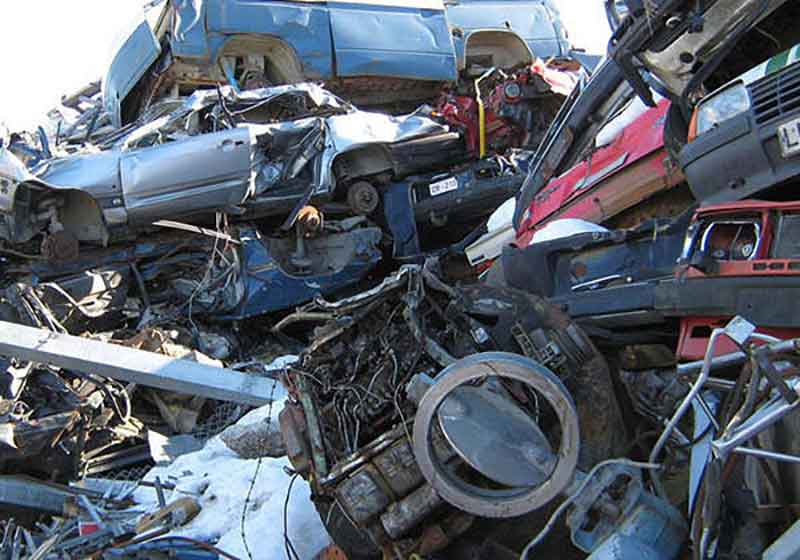
End-of-life vehicle shells and mixed automotive scrapWaste Car

Waste cars and depolluted vehicle shells are bulky, irregular and expensive to store or transport. DILOYA professional car balers use vehicle-length boxes, controlled folding wings and high hydraulic compression force to form entire prepared automobile shells into dense rectangular bales for safer stacking, efficient loading and economical shipment. This application is intended for dedicated car baling only.

View application +
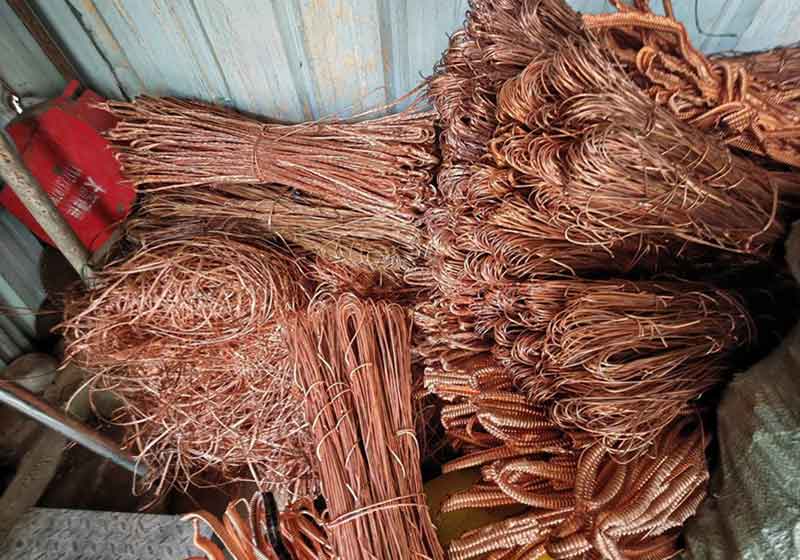
Loose copper wire bundles and stripped cable conductorsCopper Wire

Copper wire scrap includes bare millberry wire, stripped cable, winding wire and flexible conductors that are springy and difficult to store loose. DILOYA hydraulic metal balers compress clean wire into dense rectangular bales for secure inventory, efficient handling, compact storage and economical shipment. This Copper&Brass Scrap application is intended for baling only.

View application +
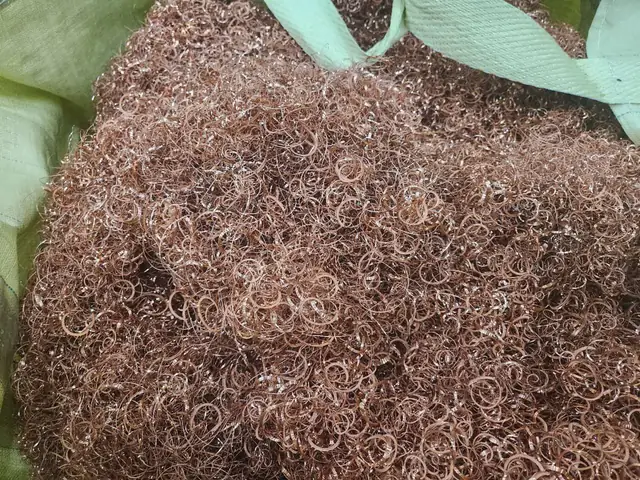
Loose curled copper turnings collected below processing equipmentCopper Turnings

Copper turnings are long, curled machining residues that form bulky, springy nests and may retain cutting fluid. DILOYA configures direct baling or shredding followed by hydraulic briquetting to produce manageable packages, with the process selected for the actual turning geometry, fluid condition and recycling requirements.

View application +
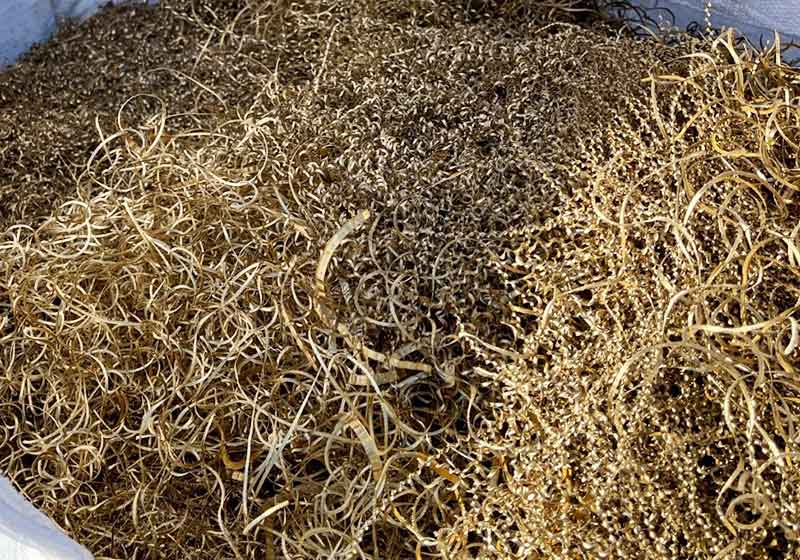
Loose brass turnings and curled machining swarfBrass Turnings

Brass turnings are long, curled machining residues that can form bulky, tangled bundles. DILOYA selects suitable preparation and hydraulic compaction for the material, including shredding before briquetting where required, with attention to alloy separation, retained fluid and the desired finished package.

View application +

Customer Cases

View all cases +
Pile of compacted aluminium used beverage can balesAutomatic Aluminium UBC Shear Baler

A three-cylinder automatic shear baler for an Indonesian Aluminium UBC recycling customer, with a reported processing capacity of 900–1,100 kg/hour.

View case +
Integrated aluminium chip briquetting line with inclined conveyor and control panelAluminium Die Cast Chips Briquetting Line in Korea

An integrated briquetting line for a Korean customer's ADC12 aluminium die-cast chips, with a reported capacity of 200–300 kg/hour and a compact layout for limited production space.

View case +
Rows of finished iron chip briquettes from the Russia customer projectBig Output Horizontal Briquetting Line

A Russian iron chip briquetting project with a reported output of 4,000–6,000 kg/hour and briquette density of 5,000 kg/m³, supporting organised handling, storage and recycling.

View case +
Aluminium chip briquetting installation and finished briquettes for the Thailand customer projectAluminium Chips Briquetting Machine

A Thai customer's 6061 aluminium chip briquetting project with reported output of 1,000–1,500 kg/hour, density above 2,000 kg/m³ and industrial oil cooling.

View case +

Solutions

View all solutions +
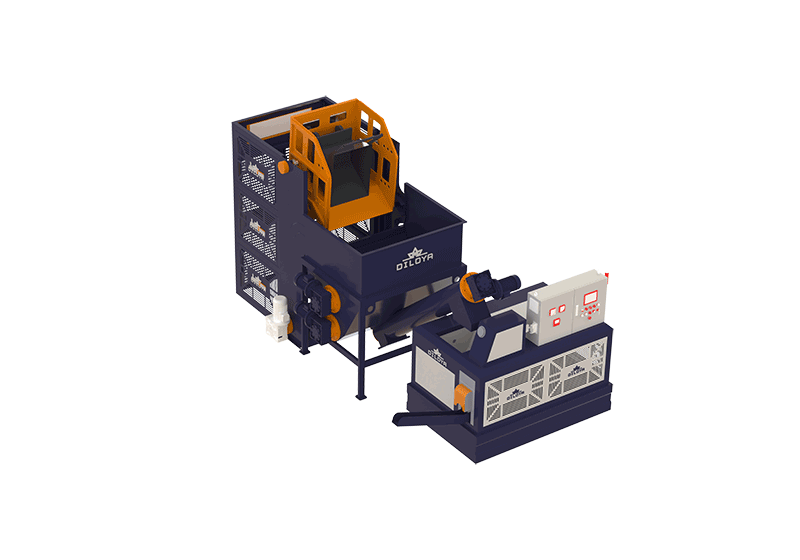
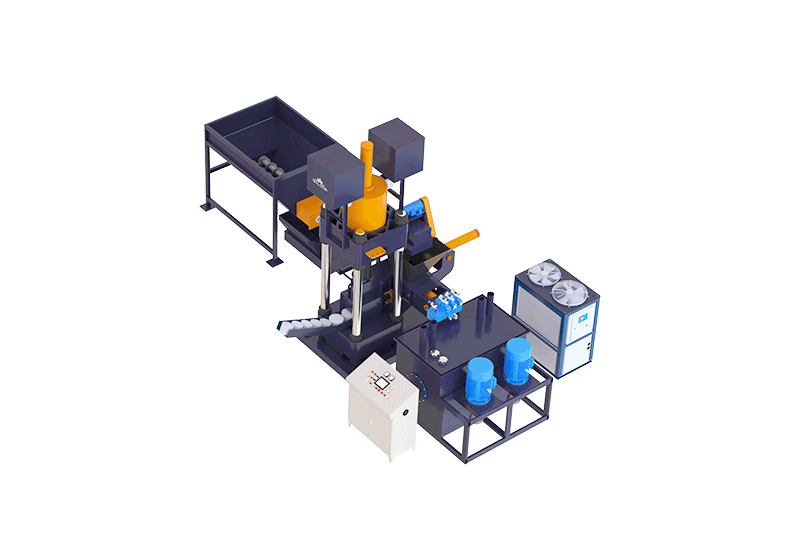
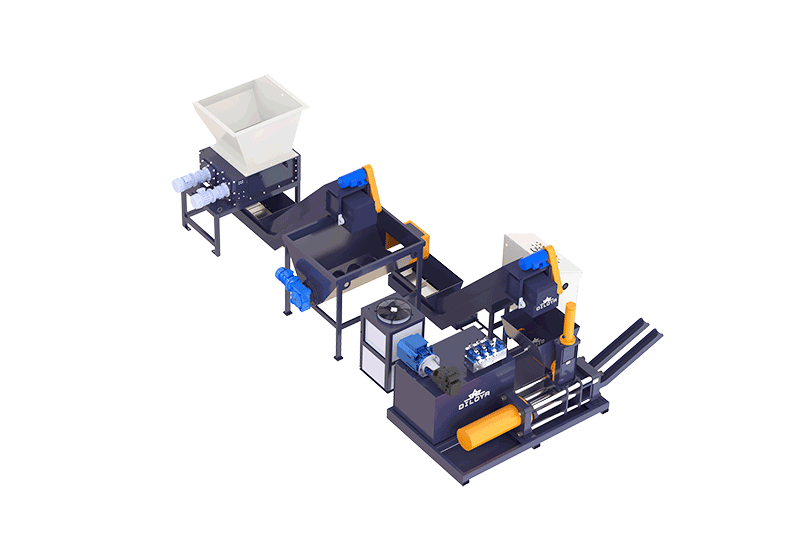
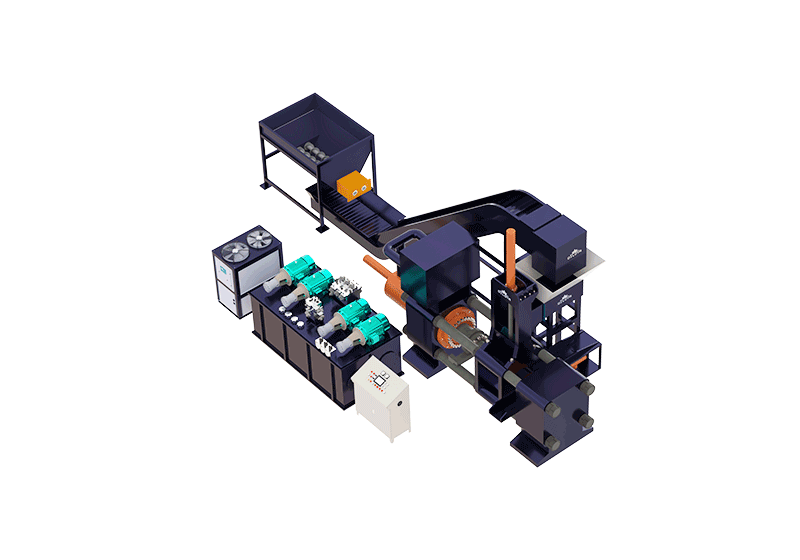
Trolley-tipping, chip preparation and briquetting equipment in an integrated line layoutIntegrated Auto Metal Chips Briquetting LineAn integrated metal chip briquetting line combining automatic trolley lifting and tipping, a large screw-equipped buffer hopper, screw conveying and hydraulic briquetting. Operators push a loaded chip trolley into the lifting station; the system tips the chips into the hopper and feeds them to the press. The compact, highly integrated layout reduces repeated manual handling and supports coordinated automatic operation.Aluminium chip briquetting line with buffer hopper, feed conveyor and hydraulic pressAluminium Chips Briquetting LineA hopper-fed briquetting line for fluffy, low-bulk-density aluminium, copper and brass chips, as well as suitably shredded steel chips. The press incorporates pre-compression to accommodate a larger loose charge before final pressing, helping increase briquette weight and mass output. A large screw buffer hopper reduces loading frequency and supports coordinated automatic feeding.Metal-shavings shredding and briquetting line with buffer hopper and conveyorsAuto Metal Shavings Shred-Briquetting LineAn automated metal-shavings line integrating four-shaft shredding, an optional sizing screen, a large screw buffer hopper and a servo-controlled dual-outlet briquetting press. The hopper buffers shredded material for coordinated feeding. The compact system supports high-output operation, with approximately 5–6 finished briquettes per minute in a suitable configuration and energy-conscious servo control.Horizontal chip briquetting line layout with storage hopper, feeding and hydraulic equipmentHorizontal Metal Chips Briquetting LineA high-output briquetting line combining a horizontal hydraulic press with a large screw-equipped buffer hopper. Designed for suitable short steel, iron, aluminium, copper and brass chips, the hopper stores a working reserve and supports coordinated screw feeding, reducing repeated loading. Press configuration and achievable throughput are matched to the actual material and briquette requirements.

FAQ

View all FAQs +
Which materials can a hydraulic metal baler process?+

A hydraulic metal baler is selected for a defined scrap envelope, not for “metal” in general. Thin sheet, wire coils and solid sections behave differently during loading and compression. Begin with alloy, geometry and the most demanding normal pieces. How to Match Material Size, Press Chamber Dimensions and Bale Requirements When Selecting a Metal Baler? explains why feed dimensions and the required bale must be considered together.

Provide the largest dimensions, thickness, alloy and contamination level. A machine selected for light sheet cannot automatically accept heavy solid sections. Ask for the approved feed specification rather than assuming all scrap metal is suitable.

Why does bale weight vary with the same machine?+

Bale mass changes because the package contains different metal and void proportions from one batch to another. A common chamber size cannot make aluminium and steel bales weigh the same. If a buyer requires a narrow mass range, combine a defined material stream with a repeatable loading method and appropriate weighing; do not rely on how full the chamber looks.

If the sale or handling limit depends on mass, establish an appropriate weighing method. A visually full chamber is not a weighing system.

State whether bale mass or dimensions are the main receiving requirement. Trials can establish a practical weight range for the actual scrap. Consistent loading and material separation improve repeatability, but a general catalogue weight should not be treated as universal.
Can the same baler process stainless steel and carbon steel?+

A baler approved for carbon-steel scrap is not automatically approved for similarly sized stainless scrap. Grade and work-hardening condition can change the pressing duty, while mixing grades can reduce the value of the load. Check mechanical compatibility and grade-control procedures separately before using a shared machine.

Grade separation is also important for recycling. Confirm approved materials and loading limits, and consider cleaning between valuable alloy streams. A shared machine configuration must be established through engineering assessment and, where needed, representative testing.

Why are chamber liners and wear plates important?+

Liners and wear plates are service components at the interface between irregular scrap and the machine structure. Their condition matters because wear can change clearances and material movement before a major failure is obvious. Establish inspection and replacement criteria for the actual duty instead of accepting an unsupported universal service-life figure.

Inspect the specified areas according to the maintenance instructions and use approved replacement components. Wear life depends on the actual duty, so a universal service-life claim is not meaningful without material and operating information. Timely inspection helps avoid damage beyond the intended wear parts.

What should I specify when requesting a metal-baler proposal?+

A metal-baler proposal needs both the largest normal scrap and the required finished bale. Give maximum section information as well as average volume, then explain loading and collection. How to Match Material Size, Press Chamber Dimensions and Bale Requirements When Selecting a Metal Baler? is a useful reference when defining that brief; final material limits and the basis of capacity should appear in the written specification.

Include floor space, discharge direction, power supply, operating hours and buyer requirements. This information helps select the chamber, hydraulic duty and handling arrangement as one system. Final material limits and capacity conditions should be written into the proposal.

Leave A Message

Let's Figure Out The Best Solutions!

Tell us what you need.

Share your material, target hour capacity and other requirements. Our engineering team will reply with a suitable solutions.

01Call DILOYA+86 152 2134 765002Email our teaminfo@diloya.com
We use your details to respond to this enquiry. Read our Privacy Policy.