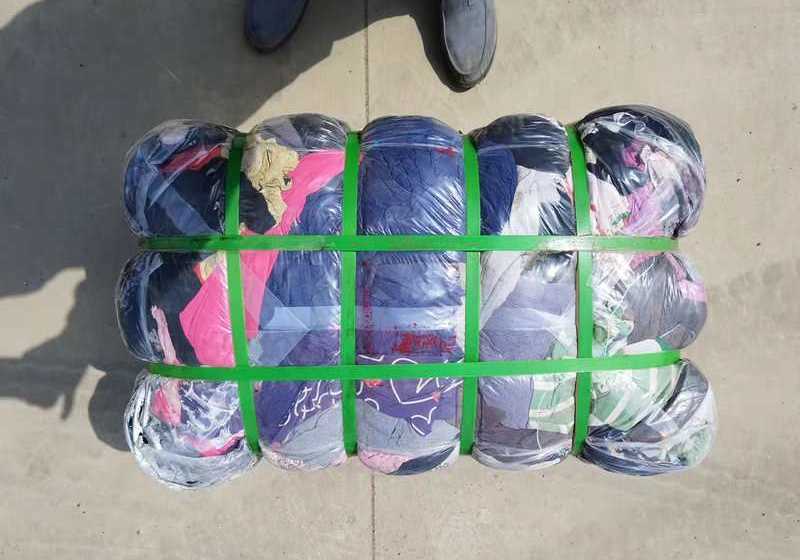
Vertical Lifting Chamber Baler
Lift-Box Vertical Baler for Used Clothes and Textiles
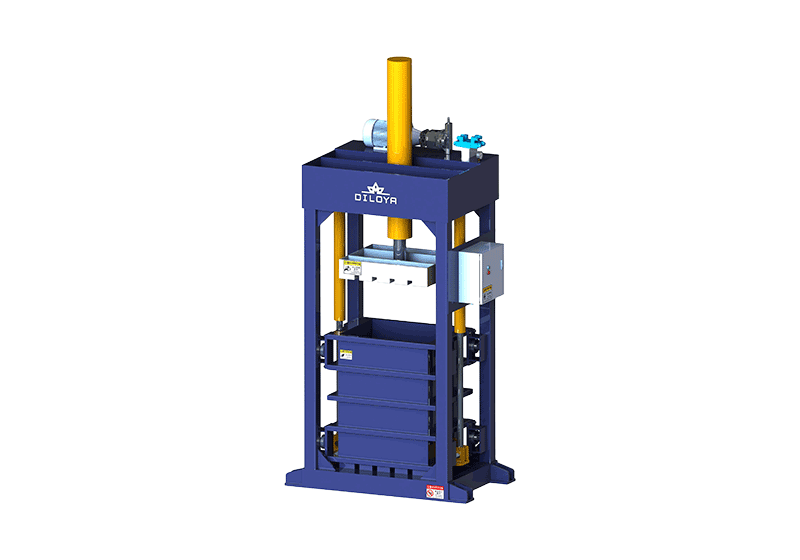
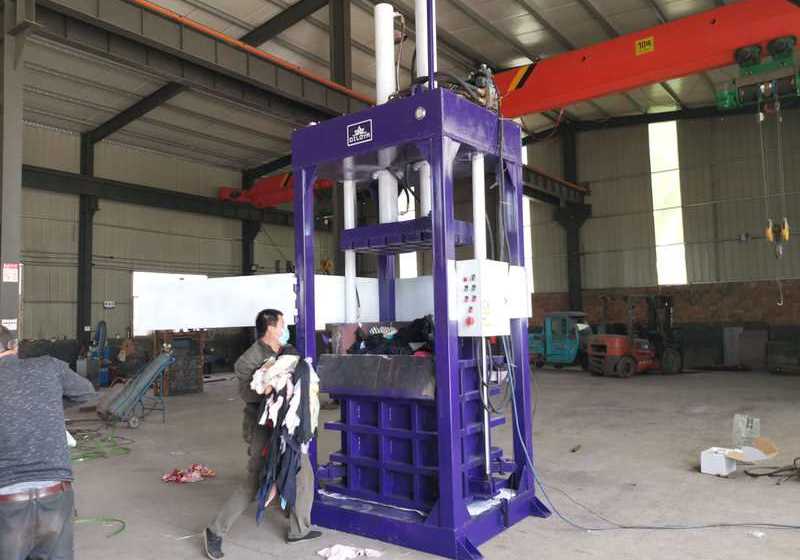
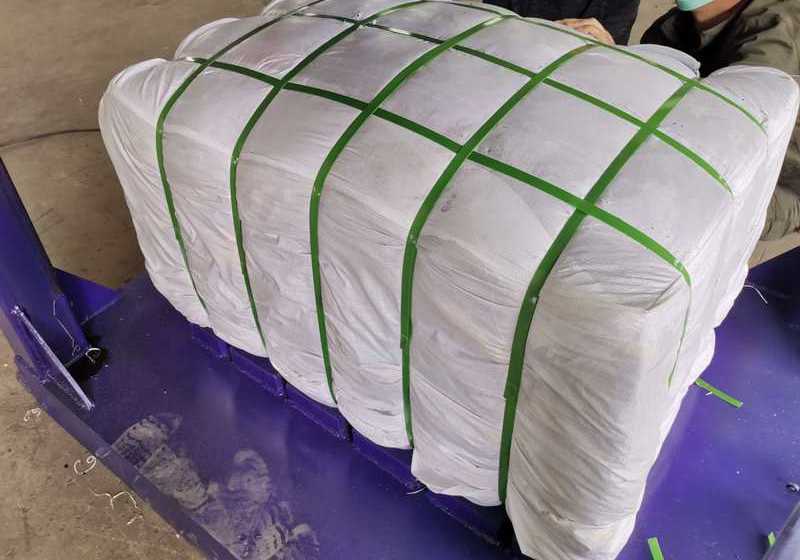
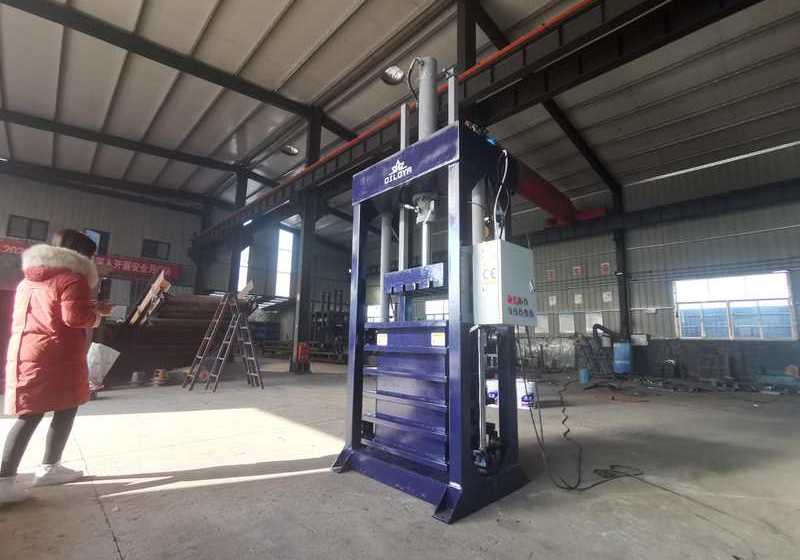
The DILOYA Single Chamber Old Clothes Baler uses a single vertical compression chamber and a lift-box arrangement to package used garments, waste textiles, wool and other suitable soft materials. Raising the box gives operators access to the compressed package for tying and removal. The resulting compact bales reduce loose storage volume and make weighing, handling, transport and distribution more orderly.
- Design
- Lifting Chamber
- Bale Weight
- 40-500kg/Bale
- Motor Brand
- TaizhouTaida
- Control
- Electrical Button Control
- Power supply
- Customized
- Hydraulic Force
- 300-1200kn
Description
The DILOYA Single Chamber Old Clothes Baler is a vertical hydraulic press for turning loose, springy textiles into tied packages. It is designed for used-clothing collection, textile recycling, wool handling and similar operations where material must be sorted, weighed and shipped efficiently. A single chamber keeps the loading and pressing sequence straightforward, while the lift-box construction provides access around the compressed bale for tying.
1> How the Lift-Box Cycle Works
Operators load sorted garments, fabric offcuts or wool into the chamber in batches. The vertical hydraulic platen compresses the material to the required package dimensions. After the press is safely stopped and the bale is restrained, the box is lifted according to the machine's operating sequence so ties or straps can be routed around the bale and secured. The finished package is removed for weighing, labeling, storage or distribution. Tie material and bale release method are selected for the actual textile and buyer requirements.
2> Materials and Bale Quality
Used clothes, mixed textile articles, fabric waste and wool vary widely in bulk density, moisture, elasticity and contamination. These differences affect achievable bale weight and stability. Wet textiles, hard objects, batteries or other unsuitable items should be removed before loading. Separating grades before baling helps buyers inspect and distribute the material without reopening mixed packages.
3> Planning the Right Package
DILOYA can configure chamber dimensions, hydraulic force, platen stroke, tying channels, lift arrangement and controls around target bale size, daily volume and available floor space. The tying pattern, handling equipment, container dimensions and receiver's acceptance specification should be agreed before selecting a model. Compaction reduces volume, but the final payload and bale weight must be verified with representative material.
Advantage
> Lift-box access: the raised chamber opens the package perimeter for convenient tying and removal.
> Single-chamber simplicity: gives operators a clear loading, pressing and tying sequence.
> Reduced textile volume: compact packages use warehouse and transport space more effectively than loose garments.
> istribution-ready bales: regular tied units are easier to weigh, label, count and allocate by grade.
> Material scope: suitable used clothing, textile waste and wool can be handled in separately sorted batches.
> Configurable package: chamber, pressure and tie pattern can be matched to the customer and receiving market.
Parameter
Please find below specification of different models:
| Model | VLB30 | VLB40 | VLB60 | VLB80 | VLB100 | VLB120 |
|---|---|---|---|---|---|---|
| Chamber Size | 700x400x1000mm | 760x520x1000mm | 900x600x1100mm | 1100x700x1200mm | 1200x800x1200mm | 1100x1100x1200mm |
| Bale Size | 700x400mm | 760x520mm | 900x600mm | 1100x700mm | 1200x800mm | 1100x1100mm |
| Bale Weight | 40-80kg | 70-130kg | 120-200kg | 150-250kg | 300-500kg | 400-600kg |
| Motor Power | 5.5kw | 7.5kw | 11kw | 15kw | 18.5kw | 22kw |
| Control | Button Control | Button Control | Button Control | Button Control | Button Control | Button Control |
| Main Cylinder | 300kn | 400kn | 600kn | 800kn | 1000kn | 1200kn |
| Lift Cylinder | 80kn | 100kn | 100kn | 150kn | 200kn | 200kn |
We can customize the baler machine according to your special requirements.
Application
The DILOYA VLB series vertical lifting chamber baler can press below materials:
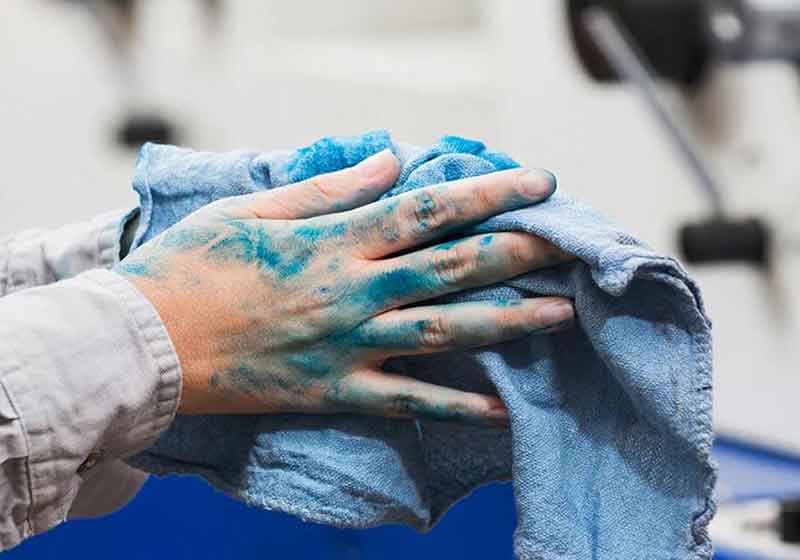
Wiping Rags
Loose wiping rags are soft, irregular and costly to store or ship efficiently. DILOYA hydraulic textile balers first compress sorted, dry rags into compact rectangular blocks; operators then manually place each block into a plastic or woven bag, close it, weigh it and label it for sale or distribution. This Textiles&Old Clothes application combines machine compression with manual bagging.
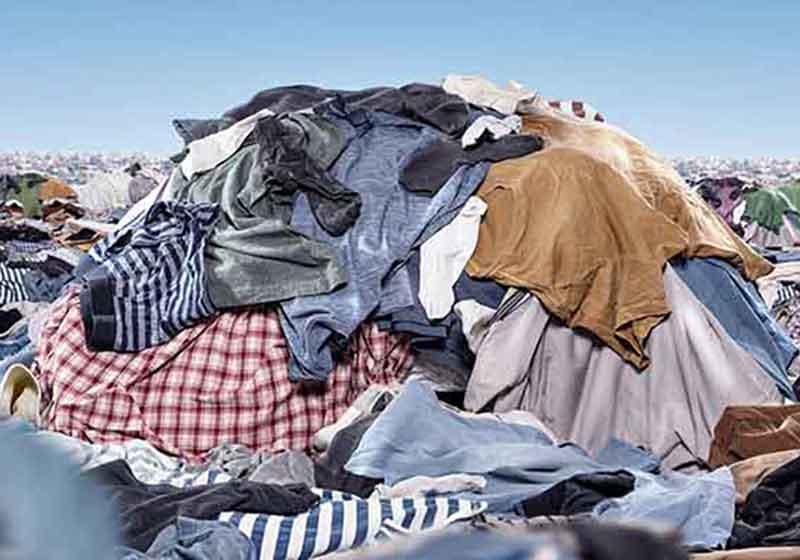
Old Clothes
Sorted old clothes are bulky, irregular and expensive to store or transport loose. DILOYA vertical lifting-box balers compress graded garments into dense rectangular packages; the raised chamber exposes each bale so operators can secure it with multiple plastic straps before weighing, labelling and stacking. This Textiles&Old Clothes application is intended for baling only.
FAQ
Why use a vertical baler for used clothes and textiles?+
For textile businesses, a useful bale is compact enough for logistics while preserving the sale grade and the customer's ability to handle and open it. Compression is only one part of that package. Assess a suitable arrangement such as Vertical Lifting Chamber Baler against actual garments or offcuts and the finished wrapping requirement.
The right package depends on the business. A used-clothing exporter may prioritise bale dimensions, wrapping and product presentation; a textile-recycling operation may prioritise consistent material grades and efficient handling of offcuts.
- Specify whether the load consists of complete garments, fabric pieces, yarn waste or a mixture.
- Choose a bale that the warehouse and customer can move and open conveniently.
- Check the final package after release, tying and wrapping, not only while compressed.
Baling does not sort, clean or sanitise the textiles, so upstream quality control remains important.
Should second-hand clothes be sorted before baling?+
Sort second-hand clothes to the buyer's agreed grade before baling. Once mixed articles are compressed and wrapped, correcting the grade requires reopening the package. Keep accepted condition and batch identity separate from the compression target; the heaviest possible bale is not a substitute for a consistent resale product.
- Agree the sale grade: for example, the clothing categories or textile types required by the receiver.
- Remove unsuitable contents: use the site's inspection process for foreign objects and rejected articles.
- Check condition: clothing intended for storage and resale should meet the agreed cleanliness and moisture requirements.
- Keep batches identifiable: organise loading and finished packages so different grades remain separate.
Do not choose maximum compression at the expense of the customer's presentation or opening requirements. Test the actual grade and packaging together.
Do used-clothing bales need wrapping as well as tying?+
Ties retain a bale; wrapping serves the specified containment and presentation role. Neither automatically performs the other's function. Establish the opening method, cover material and strap arrangement with the completed clothing package, and confirm whether wrapping is a separate operator task or included equipment.
Specify the complete package:
- Outer cover or sleeve material and dimensions.
- Whether straps or wires are outside or inside that cover.
- The required label or batch identification.
- How the customer will open the bale.
Wrapping is not automatically waterproof, airtight or sufficient to restrain an expanding bale. Confirm its performance with the final compressed product. If a particular wrapping stage is required, establish whether it is included with the machine or performed separately.
How do I choose the loading opening and chamber size?+
Choose the feed opening around the actual articles and approved way of loading them, then check chamber volume against the desired batch and bale. An opening that admits one article may not support efficient repeated loading. Include the operator's material presentation and safe access in the comparison, not just nominal dimensions.
- Identify maximum normal feed dimensions and batch size.
- Confirm the approved loading method and preparation.
- Check useful chamber volume and the number of fills needed.
- Match the finished bale and discharge to the site's handling equipment.
The opening is only one part of the accepted material envelope. An object fitting through it does not establish that the machine is approved to compress it.
How should finished vertical bales be ejected and moved?+
Bale removal is part of the designed machine cycle and working envelope. Match the approved ejection method to actual package mass, stability and available handling equipment. Vertical Lifting Door Baler is one arrangement to assess, but its name does not establish clearances or authorise manual intervention in the release area.
- Confirm where the bale is supported during the approved discharge sequence.
- Provide the specified handling equipment and clearances.
- Keep people outside the hazardous ejection and release area.
- Move and store the package according to the site handling plan.
This is a planning outline, not a replacement for the selected machine's instructions. Do not enter the chamber, manually release a jammed bale or improvise lifting arrangements during operation.
Related products
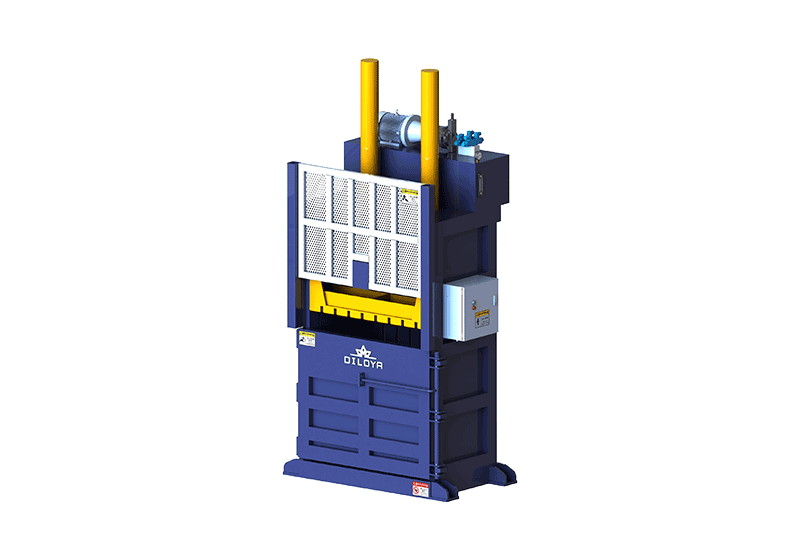
Vertical Lifting Door Baler
The DILOYA Vertical Lifting Door Baler is a hydraulic press designed to turn loose recyclable packaging into compact, tied bales. Its front door rises vertically to give operators access to the chamber for loading, tying and bale removal, while the press platen compresses each charge from above. The machine is used for separately sorted waste cardboard, emptied plastic bottles and plastic film at warehouses, distribution centers, manufacturing sites and recycling depots.
View details +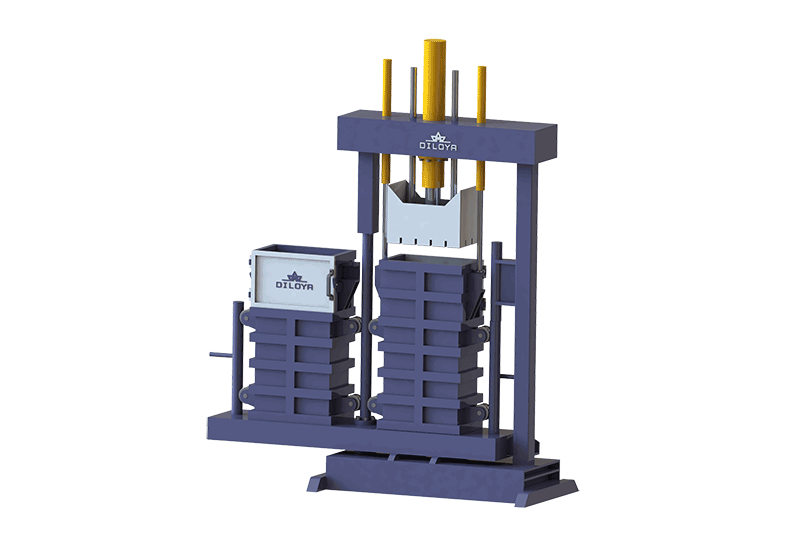
Twin Chamber Swiveling Baler
The DILOYA Twin Chamber Swiveling Baler combines two lift-box chambers in a swiveling layout for used clothes, textile waste and other compatible soft materials. While one chamber is pressing, the other can be prepared for loading or bale removal according to the machine's safety sequence. This overlap supports higher practical throughput than a comparable single-chamber workflow; an optional conveyor can streamline incoming material handling.
View details +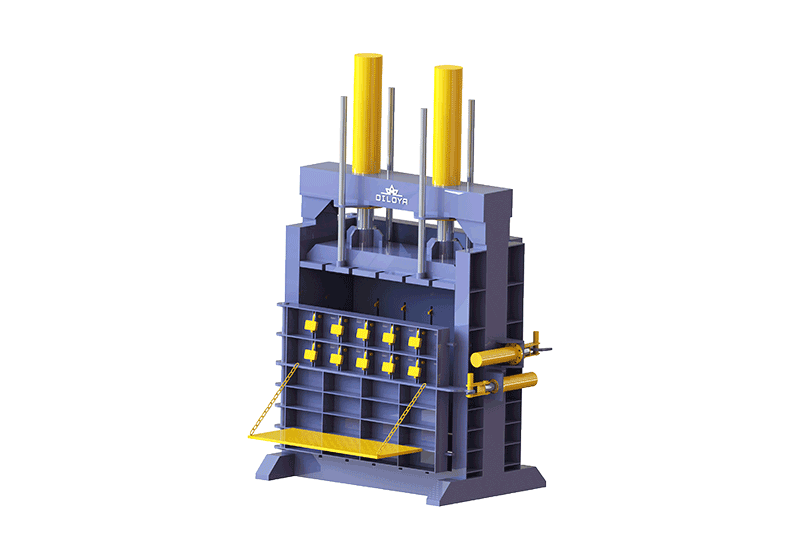
Vertical Tire Baler
The DILOYA Vertical Tire Baler is a heavy-duty upright hydraulic press for packaging waste passenger-car tires. Its reinforced chamber and anti-rebound arrangement help restrain the spring-back of compressed tires while a dense bale is tied and discharged. Depending on tire mix, chamber size and machine configuration, a finished package may be specified in the approximately 1.5–2 tonne range; actual weight must be verified for the project.
View details +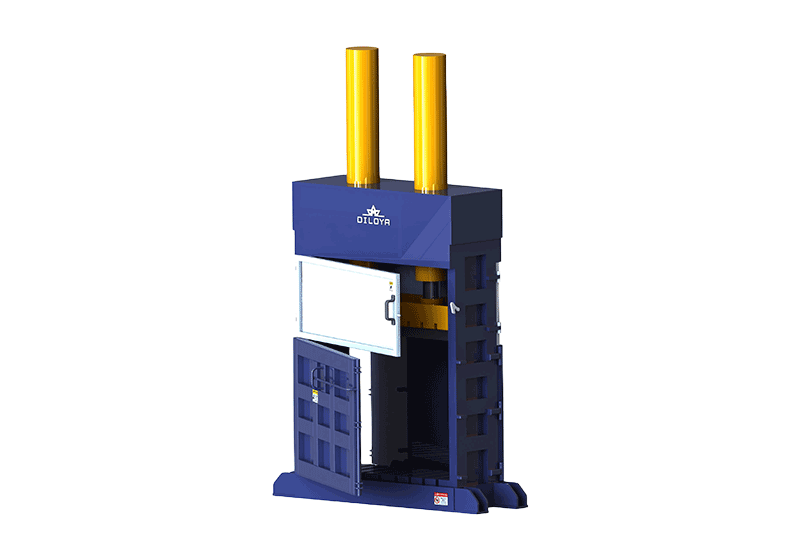
Vertical Natural Fiber Baler
The DILOYA Vertical Natural Fiber Baler uses front and rear door access to simplify loading and tying of sisal, coir, palm fiber and other compatible plant fibers. Hydraulic vertical compression forms stable, transportable packages from bulky, springy material. Bale dimensions and tying are configured around fiber condition and container-loading requirements to improve practical shipping utilization.
View details +Customer Cases
View all cases + 45kg / 100lbs Old Clothes Baler In The UK
A UK customer uses a 45kg-class old clothes baler for used clothing and rags, with stated output of 8–12 bales/hour to reduce storage volume and support transport efficiency.
View case + 10kg Wiping Rags Baler In Croatia
A Croatian industrial wiping-rag producer uses weighing-controlled 10 kg packaging, with reported output of 60–80 bales/hour for wiping cloths and suitable used clothing.
View case + Dual-Outlet Clothes Baler In Belgium: Two Weights-One Baler
Belgian customer uses one dual-outlet clothes baler for two package-weight options, such as 5 kg and 10 kg, reducing the need to purchase separate machines.
View case +Leave A Message
Let's Figure Out The Best Solutions!
Tell us what you need.
Share your material, target hour capacity and other requirements. Our engineering team will reply with a suitable solutions.