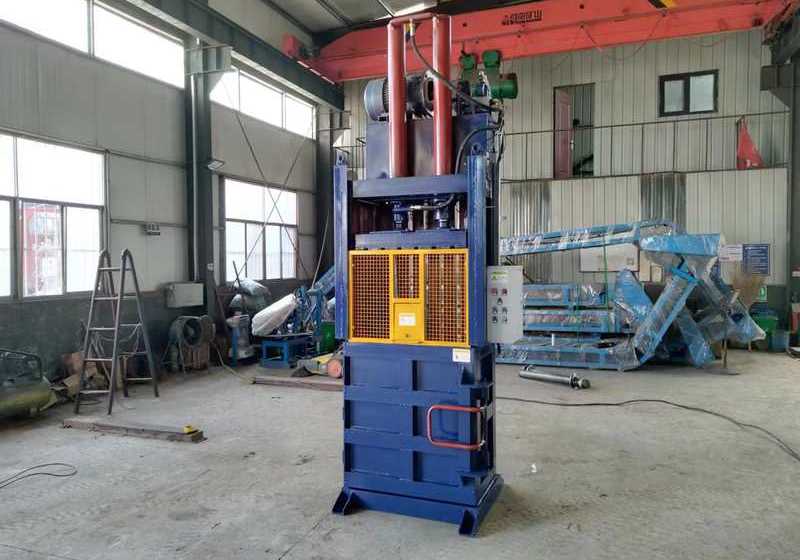
Vertical Lifting Door Baler
Vertical Lifting-Door Baler for Cardboard and Plastics
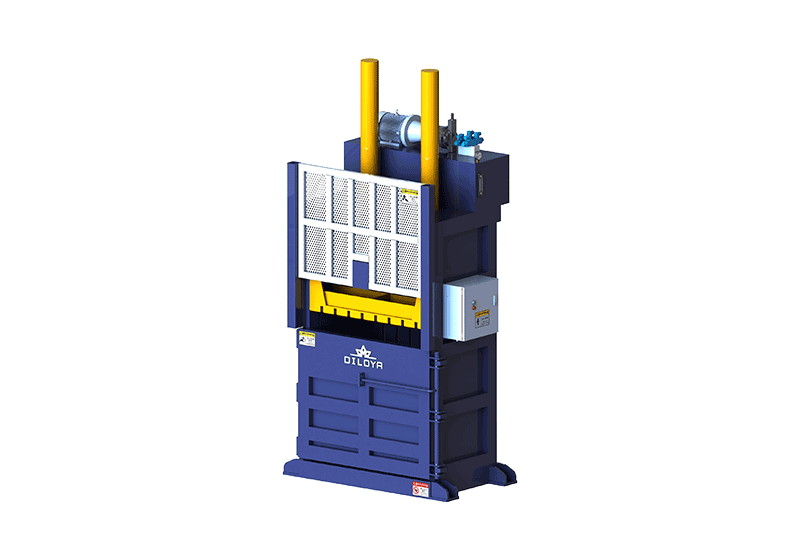
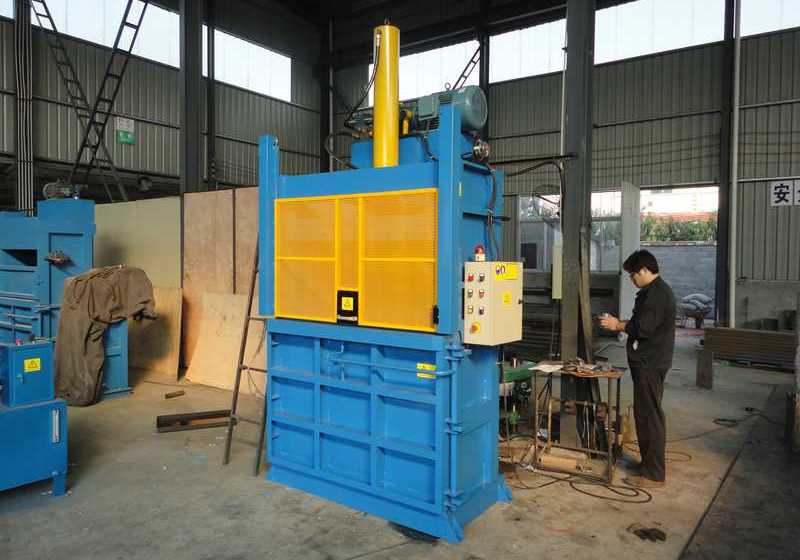
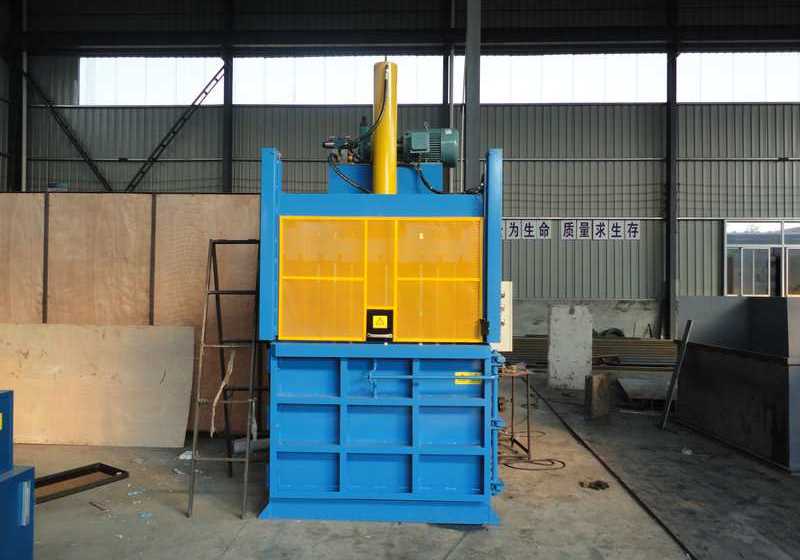
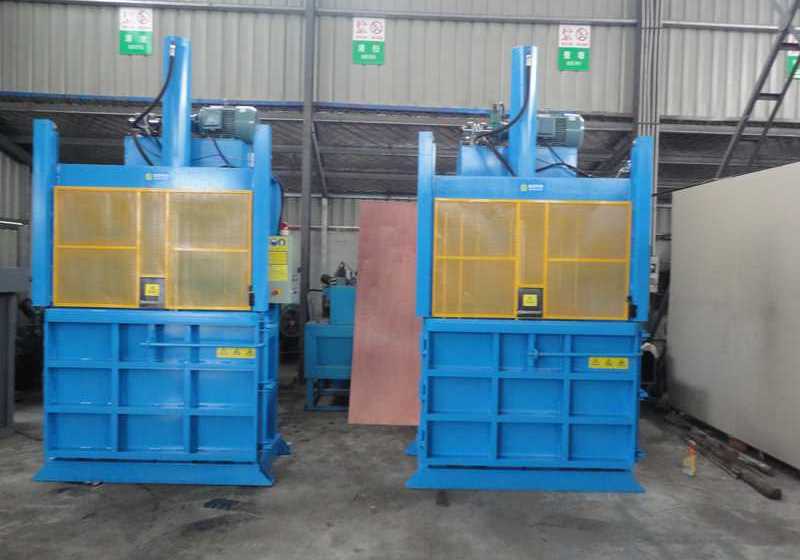
The DILOYA Vertical Lifting Door Baler is a hydraulic press designed to turn loose recyclable packaging into compact, tied bales. Its front door rises vertically to give operators access to the chamber for loading, tying and bale removal, while the press platen compresses each charge from above. The machine is used for separately sorted waste cardboard, emptied plastic bottles and plastic film at warehouses, distribution centers, manufacturing sites and recycling depots.
- Design
- Vertical Lifting Door
- Bale Weight
- 50-300kg/Bale
- Application
- Cardboard, Plastic Bottles
- Brand Name
- DILOYA
- Power supply
- Customized
- Control
- Electrical Button Control
Description
The DILOYA Vertical Lifting Door Baler is a hydraulic recycling press with a front door that lifts upward to open the baling chamber. It helps warehouses, distribution centers, recycling depots and manufacturing sites package loose cardboard and selected plastic waste into stable, tied bales. The vertical configuration uses floor space efficiently while allowing an operator to load, compress, tie and remove material at one station.
1> Lifting-Door Operation
Sorted feedstock is placed into the chamber with the door in the specified loading position. The hydraulic platen compresses the charge in repeated cycles until the target package height is reached. Ties are routed through the designed channels, secured and checked before the door is lifted and the bale is discharged. Door interlocks, guards and a clear exclusion zone should prevent movement while the chamber is unsafe to open.
2> Cardboard, Bottles and Film
Corrugated cartons, empty plastic bottles and flexible plastic film behave differently under pressure. Cardboard should be kept reasonably dry; bottles should be emptied and any local sorting requirements followed; film may spring back or slip unless it is contained and tied correctly. Material grades should normally be baled separately to preserve recycling value and meet buyer specifications. Sealed containers and hazardous waste are not suitable feed.
3> Choosing the Configuration
DILOYA can specify chamber dimensions, force, door travel, bale-ejection method, tie channels and controls according to material bulk density, daily volume and target bale size. Customers should also confirm ceiling height for the raised door, loading equipment, maintenance access and available power. Actual bale weight and throughput depend on material mix and the operating cycle.
Advantage
> Upward-lifting front door: provides wide access for loading, tying and bale discharge.
> Guarded door sequence: interlocks and operating controls can keep door movement coordinated with the press cycle.
> Multiple packaging streams: suitable cardboard, empty plastic bottles and film can be baled in separate grades.
> Reduced storage volume: tied packages make collection and transport more manageable.
> Vertical layout: concentrates compression in one station with a practical floor footprint.
> Application-specific sizing: chamber, force and ejection can be chosen from the customer's material and bale target.
Parameter
Please find below specification of different models:
| Model | VLD20 | VLD40 | VLD60 | VLD80 |
|---|---|---|---|---|
| Chamber Size | 800x600x1400mm | 1100x700x1400mm | 1100x750x1400mm | 1500x760x1600mm |
| Bale Size | 800x600mm | 1100x700mm | 1100x750mm | 1500x760mm |
| Bale Weight | 60-100kg | 150-250kg | 200-300kg | 300-500kg |
| Motor Power | 5.5kw | 7.5kw | 11kw | 15kw |
| Control | Button Control | Button Control | Button Control | Button Control |
| Main Cylinder | 200kn | 400kn | 600kn | 800kn |
We can customize the baler machine according to your special requirements.
Application
Suitable for professional recycling plants, scrap yards, and industrial material recovery operations requiring stable continuous output.
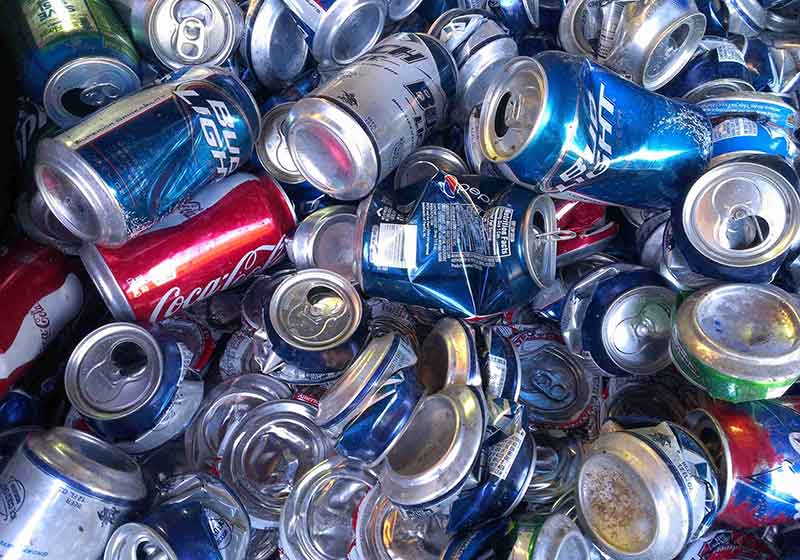
Aluminium UBC
Aluminium UBC consists of lightweight used beverage cans collected from municipal, commercial and deposit-return streams. DILOYA hydraulic UBC balers compress sorted cans into dense, stable and stackable bales for efficient storage, economical transport and consistent delivery to aluminium can recycling and remelting plants.
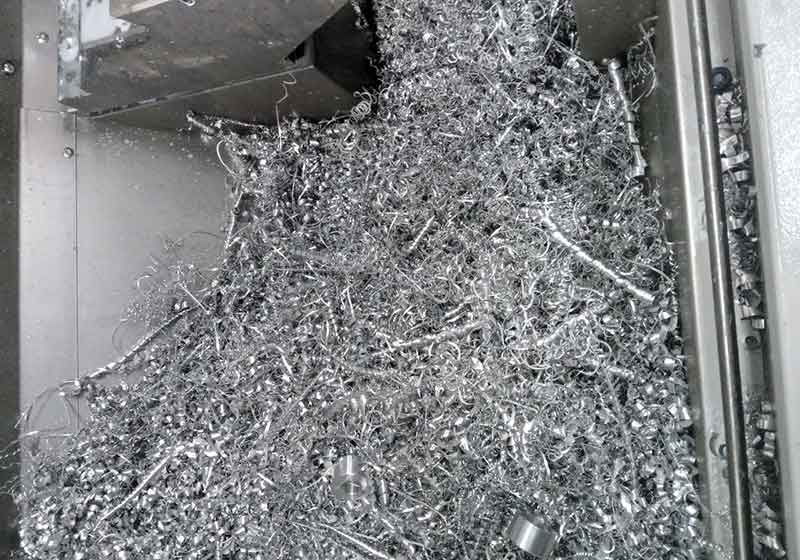
Aluminium Turnings
Aluminium Turnings are lightweight, spiral-shaped metal chips generated during machining, drilling and milling. DILOYA briquetting and baling systems compact loose turnings into dense, manageable blocks, helping reduce storage volume, improve transport efficiency and support aluminium recovery.
FAQ
How should a vertical baler be selected for cardboard cartons?+
Select a cardboard baler around actual carton size, collection frequency and the recycler's package specification. Large flattened sheets and mixed unprepared boxes can present different loading duties. Measure completed-bale production, including tying and removal, so the machine suits the available labour as well as the loose daily volume.
- Measure the largest normal carton and identify any preparation already done.
- Record daily volume as well as mass; loose cartons are bulky.
- Agree moisture, contamination and mixed-packaging limits with the receiver.
- Choose a package the site can remove, store and load.
If the same machine is also intended for textiles or other materials, confirm each duty and plan grade separation.
Can a vertical baler compress plastic bottles?+
Bottle baling depends on the polymer stream, container condition and approved preparation. Spring-back and trapped contents affect the released package, so physical fit inside a chamber is not enough. Confirm the accepted feed and restraint with the recycler; do not assume that a carton-baling configuration automatically covers rigid bottles.
Before quoting, provide bottle samples or photos and explain whether the feed is predominantly one material or a mixed collection. The accepted container condition and any preparation must follow the approved process; do not assume that a general carton baler can process all closed containers.
Check the finished package after release and tying. The receiver may specify polymer separation, contamination limits and bale dimensions. Baling reduces volume but does not wash, sort or separate the plastic.
Should PET, HDPE and other plastic bottles be mixed in one bale?+
Keep PET, HDPE and other bottle grades separate when the receiving specification requires it. A mechanically stable mixed bale may still have reduced recycling value. Sorting and contamination control should be established upstream; compression does not identify polymers or restore purity after incompatible streams have been mixed.
If different streams share a baler, keep collection and batches identifiable and use the approved changeover process. Check whether closures, labels, residual contents and foreign packaging are acceptable to the buyer.
The proposal should state which bottle streams the machine is designed for. Different shapes and polymers can change spring-back and package mass, so useful trial results should identify the actual feed rather than simply say plastic bottles.
How do I choose the loading opening and chamber size?+
Choose the feed opening around the actual articles and approved way of loading them, then check chamber volume against the desired batch and bale. An opening that admits one article may not support efficient repeated loading. Include the operator's material presentation and safe access in the comparison, not just nominal dimensions.
- Identify maximum normal feed dimensions and batch size.
- Confirm the approved loading method and preparation.
- Check useful chamber volume and the number of fills needed.
- Match the finished bale and discharge to the site's handling equipment.
The opening is only one part of the accepted material envelope. An object fitting through it does not establish that the machine is approved to compress it.
Which straps or wires should be used for vertical bales?+
Use the tying material and method approved for the exact baler and material duty. Tyres, fibres and clothes place different demands on restraint, and visual similarity between straps does not establish equivalent performance. Include consumable identification and the receiver's requirements in the package specification instead of substituting an unverified alternative.
Confirm the specification, quantity and placement through the machine's operating instructions and package trial. If wrapping is used, establish how it works with the restraint; a cover is not necessarily the component holding the bale together.
Do not substitute tying material by appearance or price, and do not devise extra ties to compensate for an unexplained stability problem. Ask the supplier to assess the complete bale and restraint arrangement.
Related products
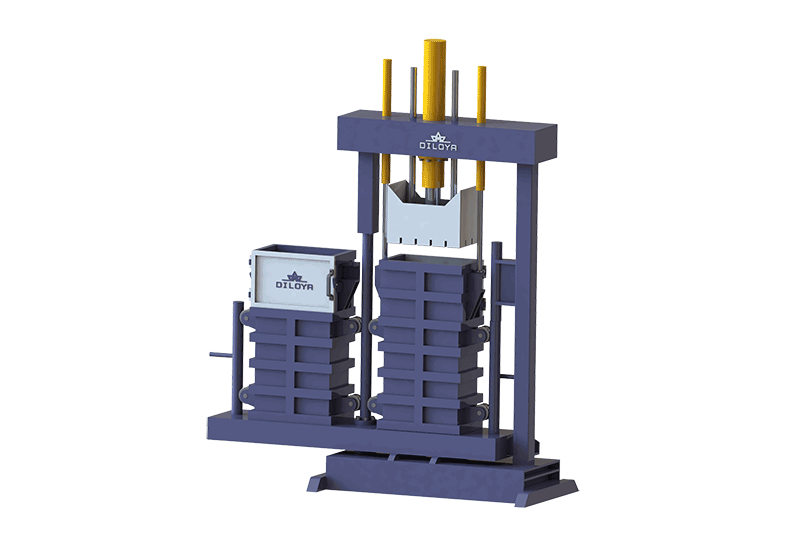
Twin Chamber Swiveling Baler
The DILOYA Twin Chamber Swiveling Baler combines two lift-box chambers in a swiveling layout for used clothes, textile waste and other compatible soft materials. While one chamber is pressing, the other can be prepared for loading or bale removal according to the machine's safety sequence. This overlap supports higher practical throughput than a comparable single-chamber workflow; an optional conveyor can streamline incoming material handling.
View details +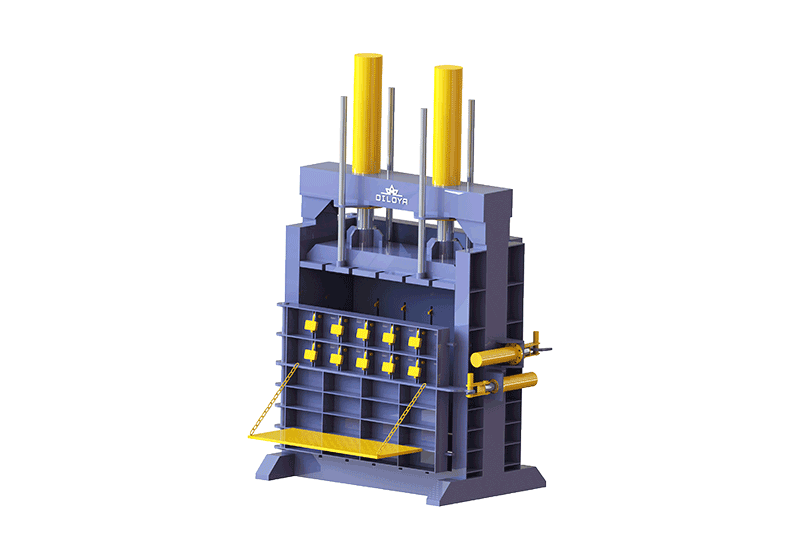
Vertical Tire Baler
The DILOYA Vertical Tire Baler is a heavy-duty upright hydraulic press for packaging waste passenger-car tires. Its reinforced chamber and anti-rebound arrangement help restrain the spring-back of compressed tires while a dense bale is tied and discharged. Depending on tire mix, chamber size and machine configuration, a finished package may be specified in the approximately 1.5–2 tonne range; actual weight must be verified for the project.
View details +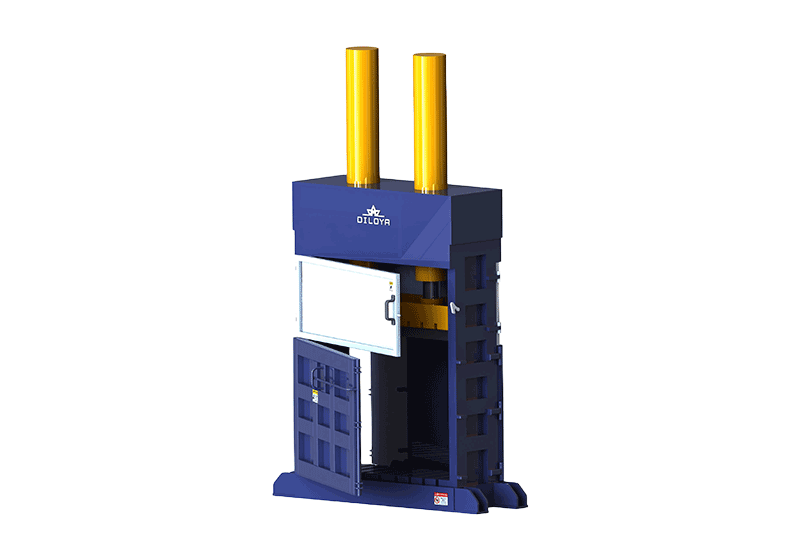
Vertical Natural Fiber Baler
The DILOYA Vertical Natural Fiber Baler uses front and rear door access to simplify loading and tying of sisal, coir, palm fiber and other compatible plant fibers. Hydraulic vertical compression forms stable, transportable packages from bulky, springy material. Bale dimensions and tying are configured around fiber condition and container-loading requirements to improve practical shipping utilization.
View details +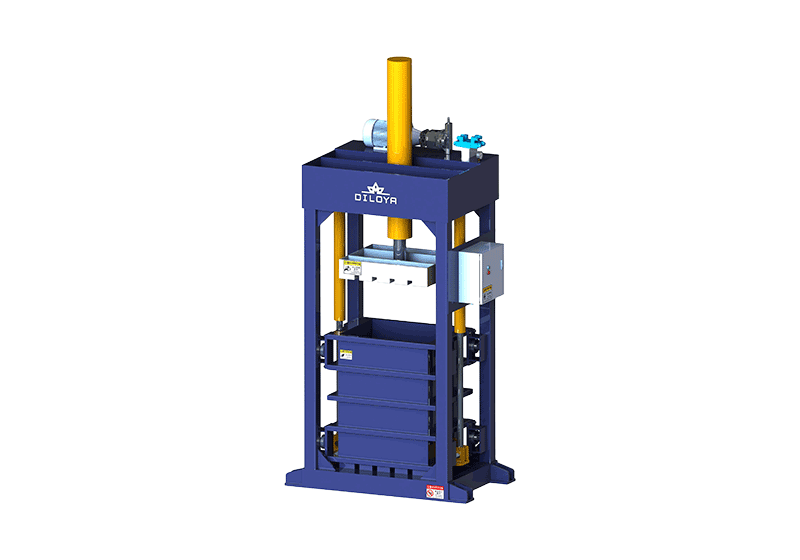
Vertical Lifting Chamber Baler
The DILOYA Single Chamber Old Clothes Baler uses a single vertical compression chamber and a lift-box arrangement to package used garments, waste textiles, wool and other suitable soft materials. Raising the box gives operators access to the compressed package for tying and removal. The resulting compact bales reduce loose storage volume and make weighing, handling, transport and distribution more orderly.
View details +Customer Cases
View all cases + 100kg Sisal Fiber Baler In Tanzania
A Tanzanian customer uses a 100kg sisal fiber baler at a stated 8–10 bales/hour, with three alternative bale dimensions and reported 25–28-tonne loading in a 40-foot container.
View case + 45kg / 100lbs Old Clothes Baler In The UK
A UK customer uses a 45kg-class old clothes baler for used clothing and rags, with stated output of 8–12 bales/hour to reduce storage volume and support transport efficiency.
View case + Waste Tire Baler In Australia: 1000–1500kg Bales
Australian customer uses a waste tire baler with stated bale weights of 1,000–1,500kg and output of 2–3 bales per hour for consolidating bulky tire stock.
View case +Leave A Message
Let's Figure Out The Best Solutions!
Tell us what you need.
Share your material, target hour capacity and other requirements. Our engineering team will reply with a suitable solutions.