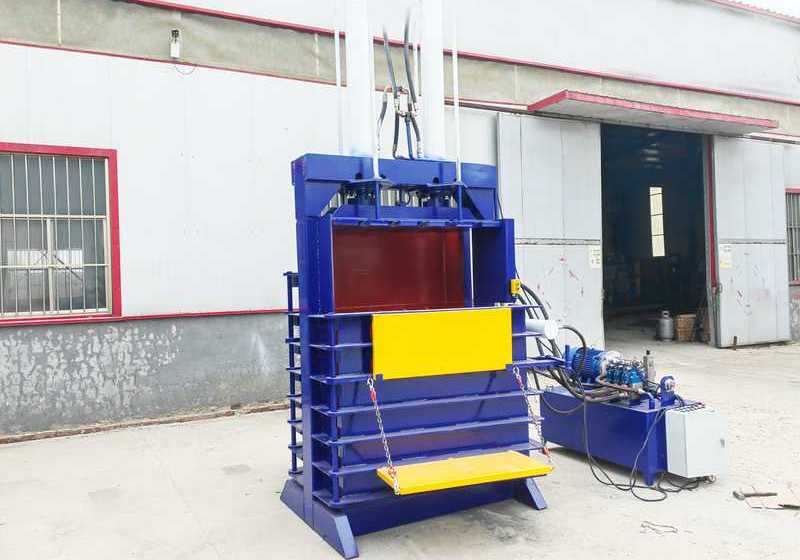
Vertical Tire Baler
Heavy-Duty Vertical Baler for Passenger Car Tires
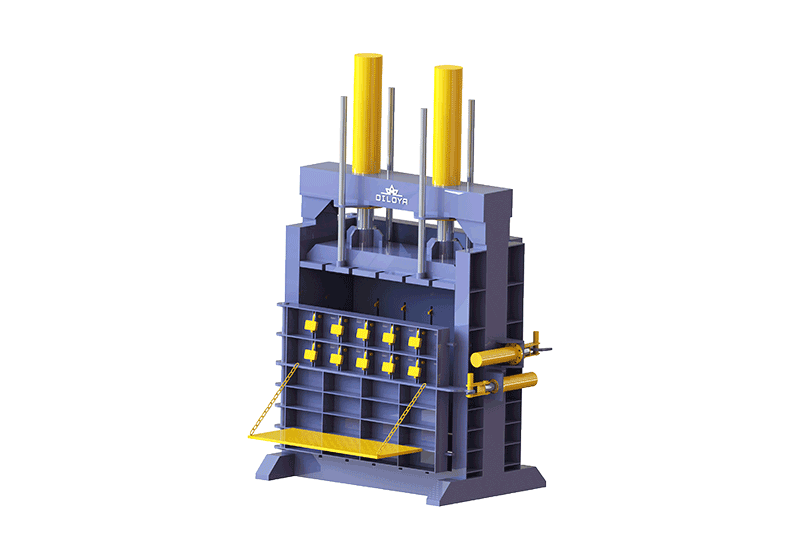
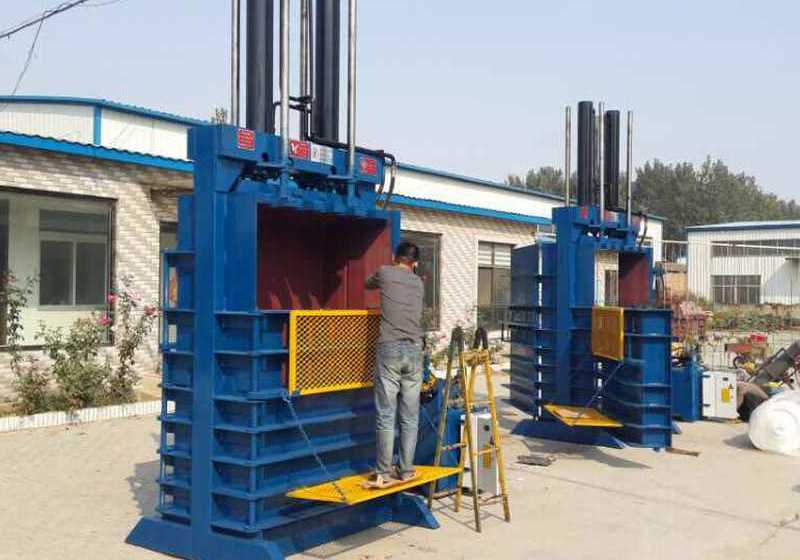
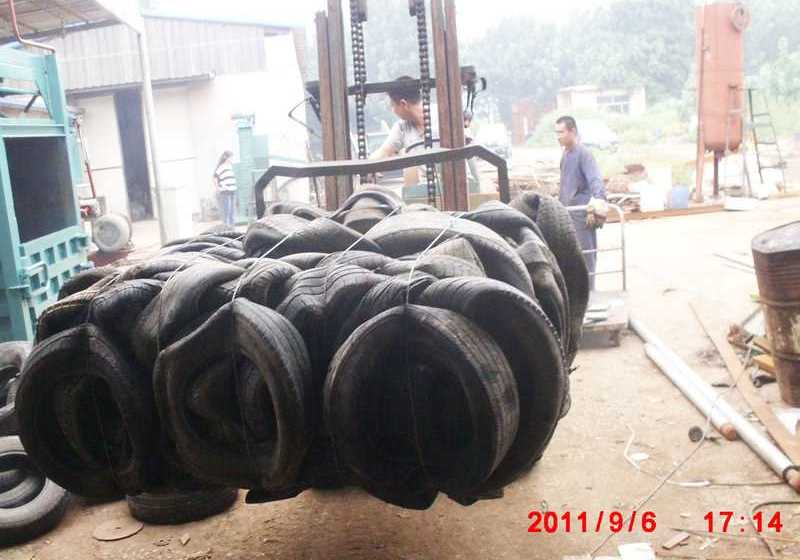
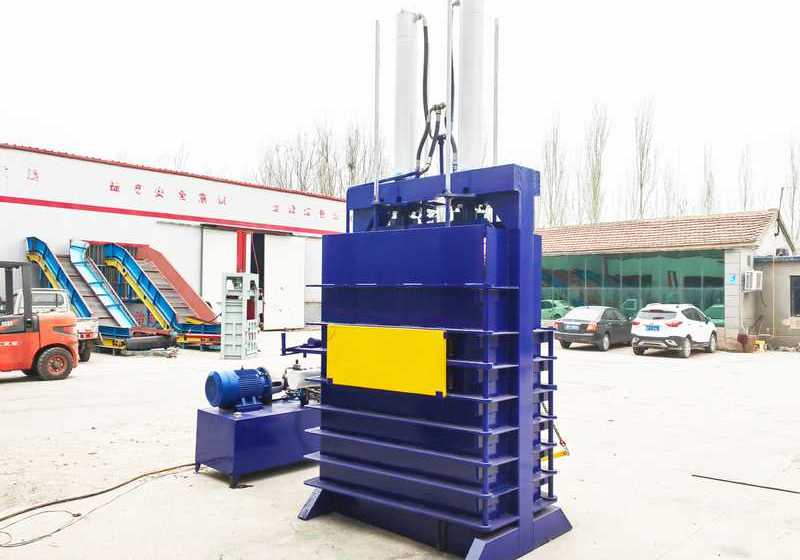
The DILOYA Vertical Tire Baler is a heavy-duty upright hydraulic press for packaging waste passenger-car tires. Its reinforced chamber and anti-rebound arrangement help restrain the spring-back of compressed tires while a dense bale is tied and discharged. Depending on tire mix, chamber size and machine configuration, a finished package may be specified in the approximately 1.5–2 tonne range; actual weight must be verified for the project.
- Design
- Heavy Vertical Design
- Bale Weight
- 900-1500kg/Bale
- Application
- Waste Tire
- Control
- Button Control
- Power supply
- Customized
- Pump Brand
- JiangSu HengYuan
Description
The DILOYA Vertical Tire Baler compresses waste passenger-car tires into large, tied packages for collection yards, tire recyclers and transport operations. Tires contain steel reinforcement and elastic rubber, so they resist compression and can expand strongly when pressure is released. The machine therefore combines a heavy-duty vertical frame with a specified anti-rebound restraint and tying system to control the package during formation.
1> Heavy-Tire Baling Sequence
Sorted tires are loaded into the chamber in layers. The vertical platen applies hydraulic pressure to reduce voids and consolidate the charge. Restraints hold the compressed material while operators or an automated system route and secure the ties according to the selected model. Only then is the bale released and discharged with suitable lifting equipment. Guards, interlocks and a defined exclusion zone are essential because stored elastic energy remains in the tire stack.
2> Bale Size and Weight
For a suitably sized machine and feedstock, a bale target of approximately 1.5–2 tonnes may be considered. This is not a guaranteed weight for every installation: tire diameter, mix, wear, steel content, loading pattern, chamber dimensions, pressing force and tie strength all affect the result. The handling system, floor and transport vehicle must be rated for the finished package.
3> Specification for a Recycling Yard
DILOYA should evaluate representative tire samples, hourly or daily volume, target bale size, available loading equipment, tie material, power supply and discharge method. Chamber reinforcement, hydraulic force, anti-rebound design and control sequence can then be configured for safe, efficient operation. Final capacity and bale weight should be confirmed with trials under the intended feed conditions.
Advantage
> Heavy-duty vertical frame: supports the high compression loads associated with elastic tire stacks.
> Anti-rebound arrangement: restrains expansion while the bale is secured and released.
> Large package potential: suitable models can target heavy bales around 1.5–2 tonnes when verified with actual tires.
> Reduced loose-tire volume: dense tied packages simplify yard organization and transport planning.
> Efficient loading cycle: a chamber and control sequence can be sized for the yard's tire flow.
> Safer handling plan: specified tying, lifting and exclusion procedures address stored spring-back energy.
Parameter
Please find below specification of different models:
| Model | VTB150 | VTB200 |
|---|---|---|
| Bale Size | 1550x760x(1000-1200)mm | 1800x1000x(1200-1500)mm |
| Bale Weight | 900-1000kg | 1000-1500kg |
| Motor Power | 18.5kw | 22kw |
| Control | Button Control | Button Control |
| Main Cylinder | 1000kn | 1500kn |
| Lift Cylinder | 80kn | 100kn |
We can customize the baler machine according to your special requirements.
Application
The DILOYA VTB Series vertical tire baler mainly compress below materials:
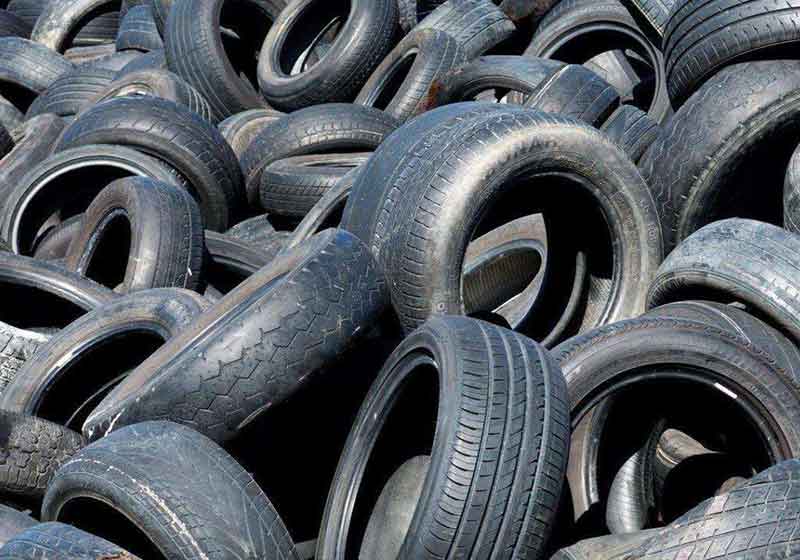
FAQ
Can a vertical baler compress whole waste tyres?+
Whole tyres require a baler specifically approved for that duty, not merely an opening large enough to load them. Vertical Tire Baler should be evaluated with the actual tyre mix, restraint and ejection requirements. The acceptance target is a controlled released package, not the maximum compression shown while the ram remains loaded.
Tyres resist compression and recover strongly after the load is released. Selection therefore needs to address the chamber, structural and hydraulic duty, bale restraint and approved ejection method as a complete system.
Provide the tyre types, outside dimensions and expected mix. Also confirm what the receiving recycler wants: whole-tyre bales, cut pieces or another form. Where preparation is required, it must follow the approved process; the baler alone is not a shredding or rubber-separation system.
What tyre information is needed to choose a vertical tyre baler?+
Specify the largest tyres and their proportion in the normal mix, not just daily tonnes. Outside diameter, width, construction and retained components affect loading and compression. Evaluate the demanding cases with Vertical Tire Baler before purchase, including the released bale and handling method rather than relying only on chamber fit.
- Largest outside diameter and width.
- Typical tyre categories and their proportions.
- Whether the feed is whole tyres or approved prepared pieces.
- Condition, contamination and any retained components.
- Required bale size, handling method and daily production.
The largest opening is not the only limit: the selected machine must also suit compression, restraint and discharge of the intended load. Confirm the difficult cases before purchase rather than testing them by overloading the chamber.
Why is restraint especially important for tyre bales?+
Tyre-bale restraint must control the package after pressure is released, when elastic recovery loads the tying system. Select and assess the machine and its approved restraint together. A stronger-looking improvised strap or extra pressure is not an acceptable substitute for a specified and demonstrated release and handling process.
The correct approach is to specify and test the machine, approved tying system and post-release package together. The trial should demonstrate that the bale can be removed and handled by the intended equipment without relying on an improvised restraint.
Do not substitute an unapproved strap or wire, add arbitrary ties, or increase pressure to solve a package problem. Follow the tyre-baler instructions and have any persistent issue assessed by qualified personnel. Personnel must stay clear of the hazardous release and ejection area.
Which straps or wires should be used for vertical bales?+
Use the tying material and method approved for the exact baler and material duty. Tyres, fibres and clothes place different demands on restraint, and visual similarity between straps does not establish equivalent performance. Include consumable identification and the receiver's requirements in the package specification instead of substituting an unverified alternative.
Confirm the specification, quantity and placement through the machine's operating instructions and package trial. If wrapping is used, establish how it works with the restraint; a cover is not necessarily the component holding the bale together.
Do not substitute tying material by appearance or price, and do not devise extra ties to compensate for an unexplained stability problem. Ask the supplier to assess the complete bale and restraint arrangement.
How should finished vertical bales be ejected and moved?+
Bale removal is part of the designed machine cycle and working envelope. Match the approved ejection method to actual package mass, stability and available handling equipment. Vertical Lifting Door Baler is one arrangement to assess, but its name does not establish clearances or authorise manual intervention in the release area.
- Confirm where the bale is supported during the approved discharge sequence.
- Provide the specified handling equipment and clearances.
- Keep people outside the hazardous ejection and release area.
- Move and store the package according to the site handling plan.
This is a planning outline, not a replacement for the selected machine's instructions. Do not enter the chamber, manually release a jammed bale or improvise lifting arrangements during operation.
Related products
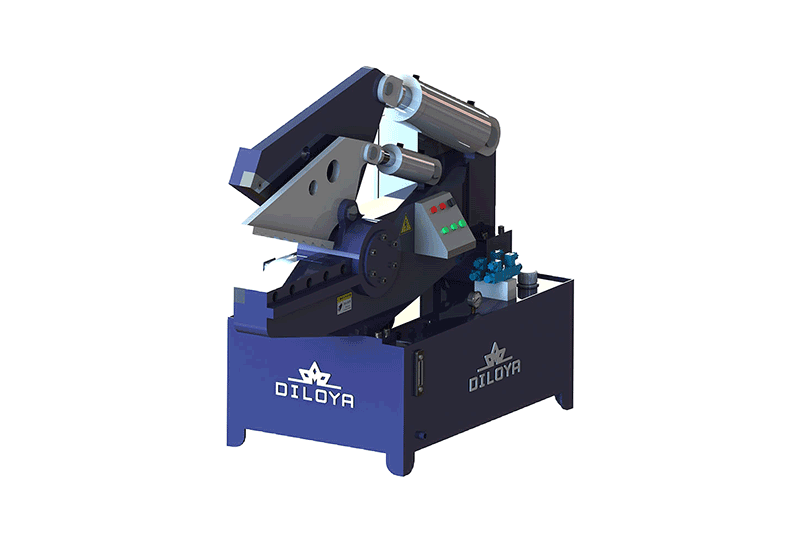
Integrated Alligator Shear
The DILOYA Integrated Alligator Shear refines the conventional alligator-shear arrangement into a more compact, coordinated machine package. It cuts suitable scrap bars, profiles, tubes and production offcuts while reducing the installation space and external component layout required by a traditional setup. The exact integrated functions and cutting range depend on the selected model.
View details +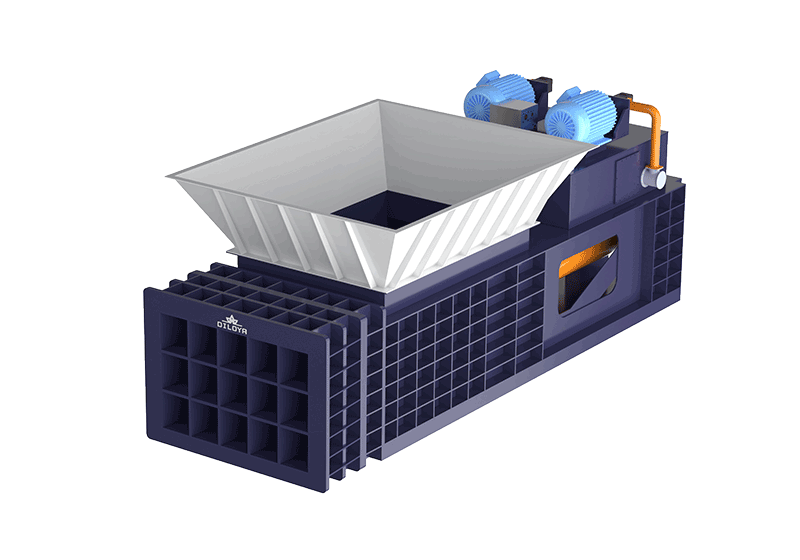
Horizontal Grid Shear
The DILOYA Horizontal Grid Shear is designed to cut bulky waste plastic film and agricultural mulch film into pieces suitable for the next recycling step. Its grid-style cutting arrangement supports high-volume processing of lightweight, flexible feedstock. Output size and hourly throughput depend on film type, contamination, feeding consistency and the chosen machine configuration; this is not a heavy steel scrap shear.
View details +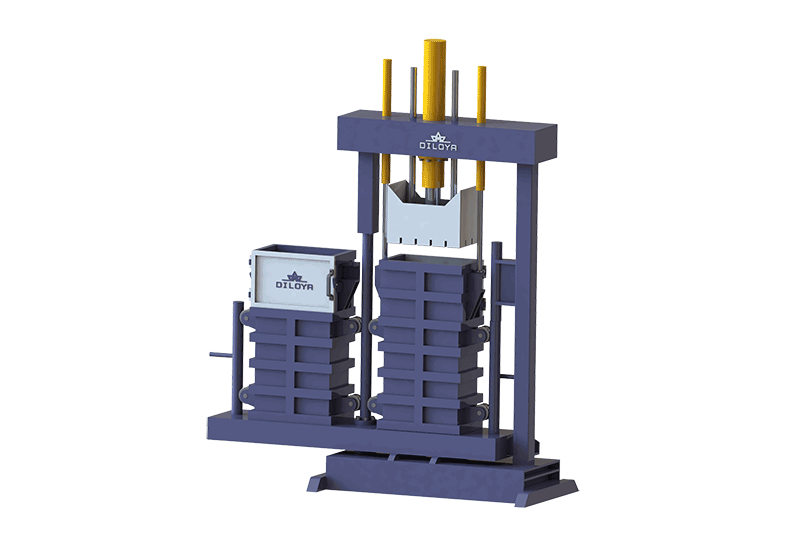
Twin Chamber Swiveling Baler
The DILOYA Twin Chamber Swiveling Baler combines two lift-box chambers in a swiveling layout for used clothes, textile waste and other compatible soft materials. While one chamber is pressing, the other can be prepared for loading or bale removal according to the machine's safety sequence. This overlap supports higher practical throughput than a comparable single-chamber workflow; an optional conveyor can streamline incoming material handling.
View details +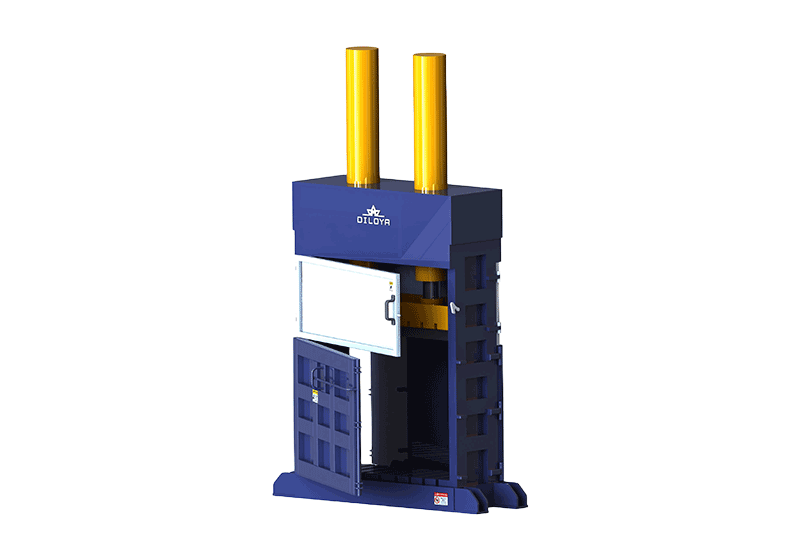
Vertical Natural Fiber Baler
The DILOYA Vertical Natural Fiber Baler uses front and rear door access to simplify loading and tying of sisal, coir, palm fiber and other compatible plant fibers. Hydraulic vertical compression forms stable, transportable packages from bulky, springy material. Bale dimensions and tying are configured around fiber condition and container-loading requirements to improve practical shipping utilization.
View details +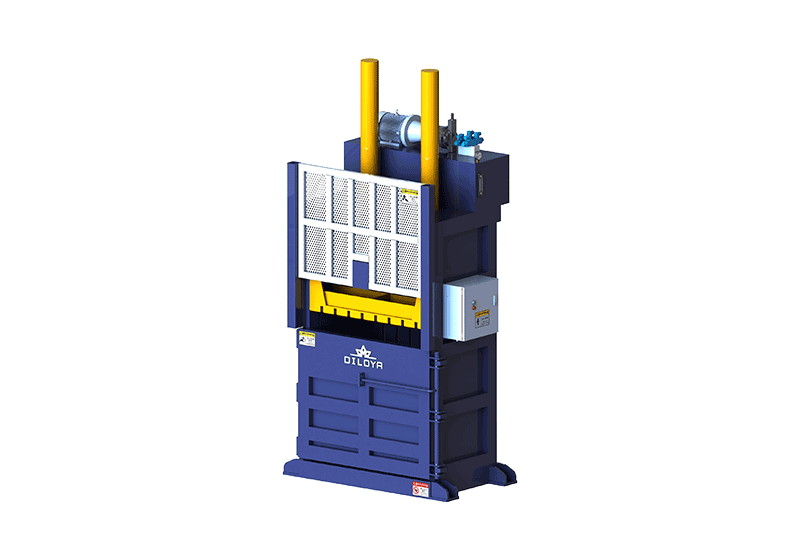
Vertical Lifting Door Baler
The DILOYA Vertical Lifting Door Baler is a hydraulic press designed to turn loose recyclable packaging into compact, tied bales. Its front door rises vertically to give operators access to the chamber for loading, tying and bale removal, while the press platen compresses each charge from above. The machine is used for separately sorted waste cardboard, emptied plastic bottles and plastic film at warehouses, distribution centers, manufacturing sites and recycling depots.
View details +Customer Cases
View all cases + Waste Tire Baler In Australia: 1000–1500kg Bales
Australian customer uses a waste tire baler with stated bale weights of 1,000–1,500kg and output of 2–3 bales per hour for consolidating bulky tire stock.
View case + 45kg / 100lbs Old Clothes Baler In The UK
A UK customer uses a 45kg-class old clothes baler for used clothing and rags, with stated output of 8–12 bales/hour to reduce storage volume and support transport efficiency.
View case + 100kg Sisal Fiber Baler In Tanzania
A Tanzanian customer uses a 100kg sisal fiber baler at a stated 8–10 bales/hour, with three alternative bale dimensions and reported 25–28-tonne loading in a 40-foot container.
View case +Leave A Message
Let's Figure Out The Best Solutions!
Tell us what you need.
Share your material, target hour capacity and other requirements. Our engineering team will reply with a suitable solutions.