Vertical Baler

Space-efficient vertical balers for textiles, tires, fibers and recyclable materials.

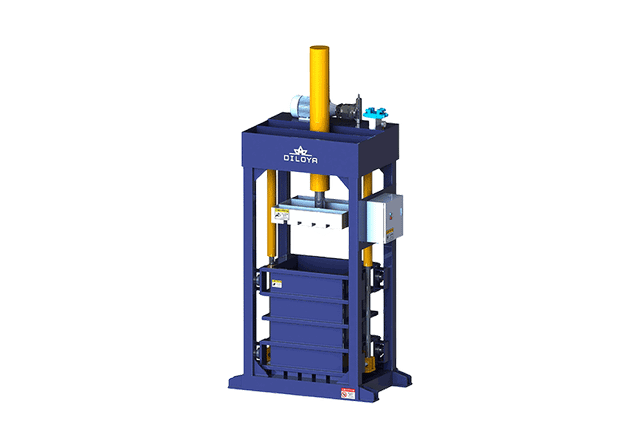
Vertical lifting-chamber baler illustration with open upper access

Vertical Lifting Chamber Baler

The DILOYA Single Chamber Old Clothes Baler uses a single vertical compression chamber and a lift-box arrangement to package used garments, waste textiles, wool and other suitable soft materials. Raising the box gives operators access to the compressed package for tying and removal. The resulting compact bales reduce loose storage volume and make weighing, handling, transport and distribution more orderly.

View product details +
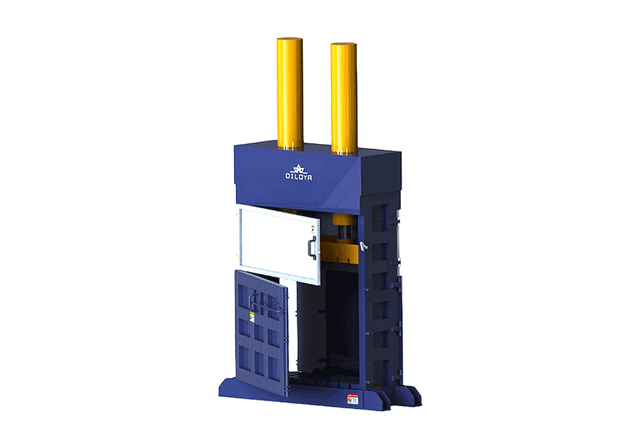
Vertical natural-fibre baler illustration with tall loading chamber

Vertical Natural Fiber Baler

The DILOYA Vertical Natural Fiber Baler uses front and rear door access to simplify loading and tying of sisal, coir, palm fiber and other compatible plant fibers. Hydraulic vertical compression forms stable, transportable packages from bulky, springy material. Bale dimensions and tying are configured around fiber condition and container-loading requirements to improve practical shipping utilization.

View product details +
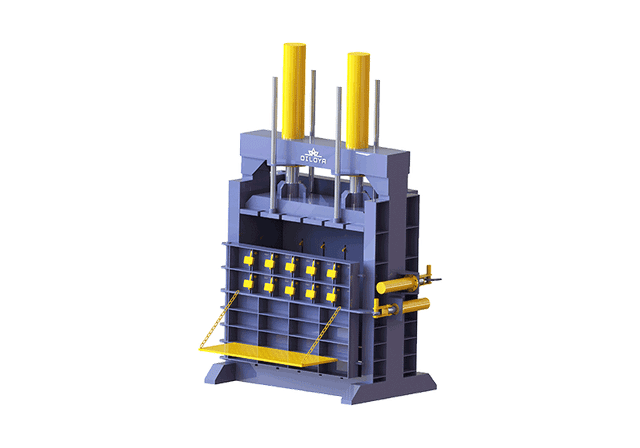
Heavy-duty tyre baler illustration with reinforced door and locking bars

Vertical Tire Baler

The DILOYA Vertical Tire Baler is a heavy-duty upright hydraulic press for packaging waste passenger-car tires. Its reinforced chamber and anti-rebound arrangement help restrain the spring-back of compressed tires while a dense bale is tied and discharged. Depending on tire mix, chamber size and machine configuration, a finished package may be specified in the approximately 1.5–2 tonne range; actual weight must be verified for the project.

View product details +
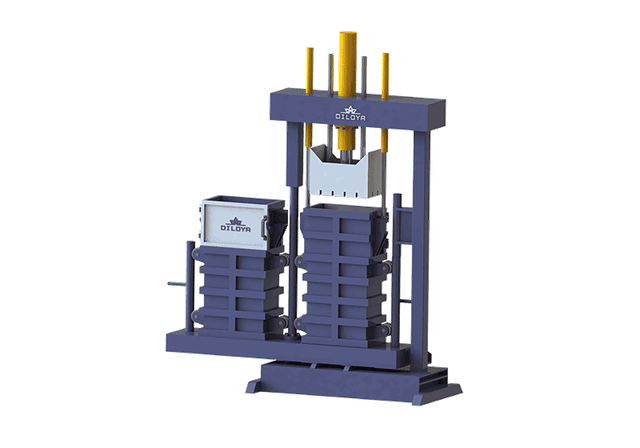
Twin-chamber textile baler illustration with swivelling chamber arrangement

Twin Chamber Swiveling Baler

The DILOYA Twin Chamber Swiveling Baler combines two lift-box chambers in a swiveling layout for used clothes, textile waste and other compatible soft materials. While one chamber is pressing, the other can be prepared for loading or bale removal according to the machine's safety sequence. This overlap supports higher practical throughput than a comparable single-chamber workflow; an optional conveyor can streamline incoming material handling.

View product details +
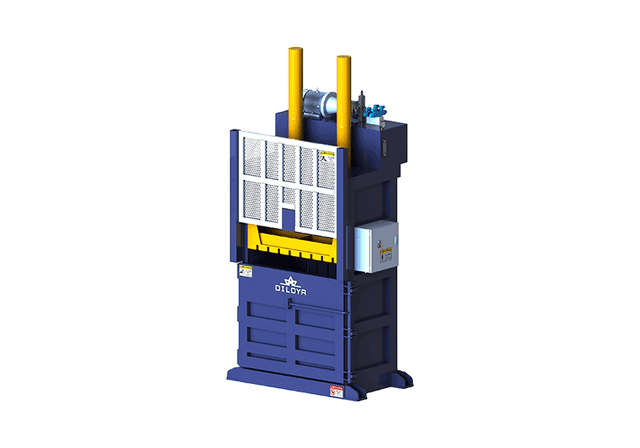
Vertical lifting-door baler illustration with guarded front loading opening

Vertical Lifting Door Baler

The DILOYA Vertical Lifting Door Baler is a hydraulic press designed to turn loose recyclable packaging into compact, tied bales. Its front door rises vertically to give operators access to the chamber for loading, tying and bale removal, while the press platen compresses each charge from above. The machine is used for separately sorted waste cardboard, emptied plastic bottles and plastic film at warehouses, distribution centers, manufacturing sites and recycling depots.

View product details +

Applications

View all applications +
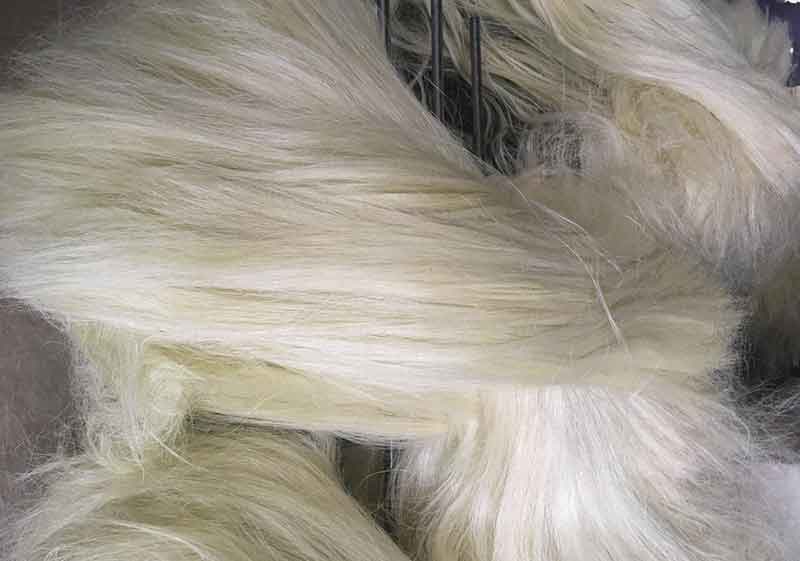
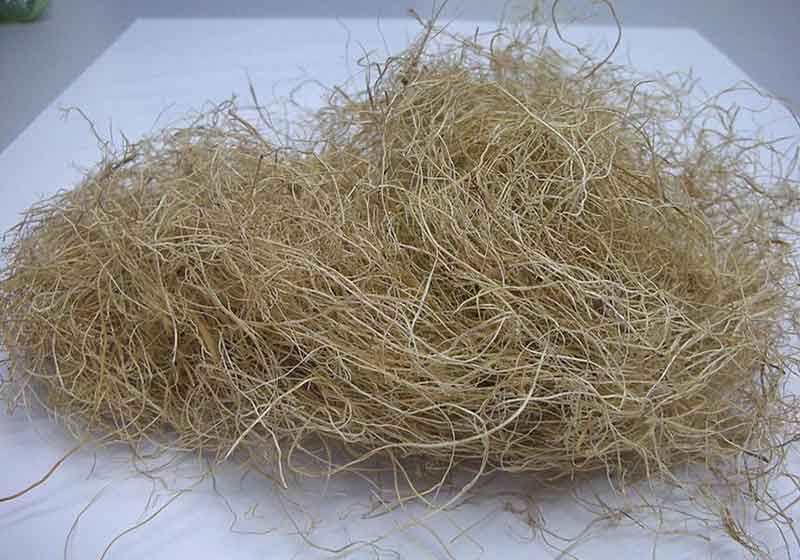
Loose pale sisal fibre strands before compressionSisal Fiber

Sisal fibre is long, light and springy, making loose bundles difficult to stack and ship efficiently. DILOYA hydraulic fibre balers compress dry, sorted sisal into dense tied export bales, with Tanzanian projects commonly configured around a nominal 100 kg package for stable warehousing, accurate weighing, forklift handling and container loading. This Natural Fiber application is intended for baling only.

View application +
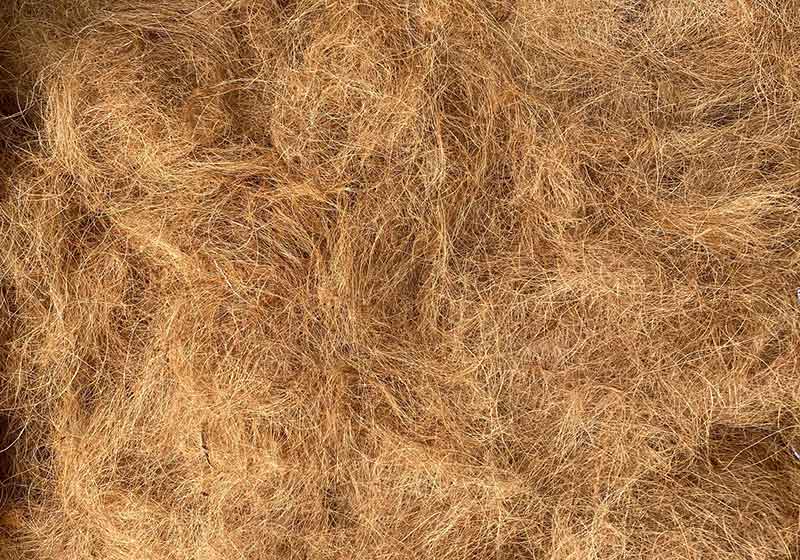
Loose brown coir fibre before balingCoir Fiber

Coir fibre recovered from coconut husks is light, springy and difficult to stack or ship efficiently in loose form. DILOYA hydraulic fibre balers compress dry, sorted coir into dense tied rectangular bales for stable warehousing, accurate weighing, forklift handling and economical container loading. This Natural Fiber application is intended for baling only.

View application +
Loose palm fibre strands before compressionPalm Fiber

Palm fibre from oil-palm and other palm-processing residues is long, tangled and extremely bulky in loose form. DILOYA hydraulic fibre balers compress dry, cleaned palm fibre into dense tied rectangular bales for orderly storage, accurate weighing, mechanical handling and economical shipment. This Natural Fiber application is intended for baling only.

View application +
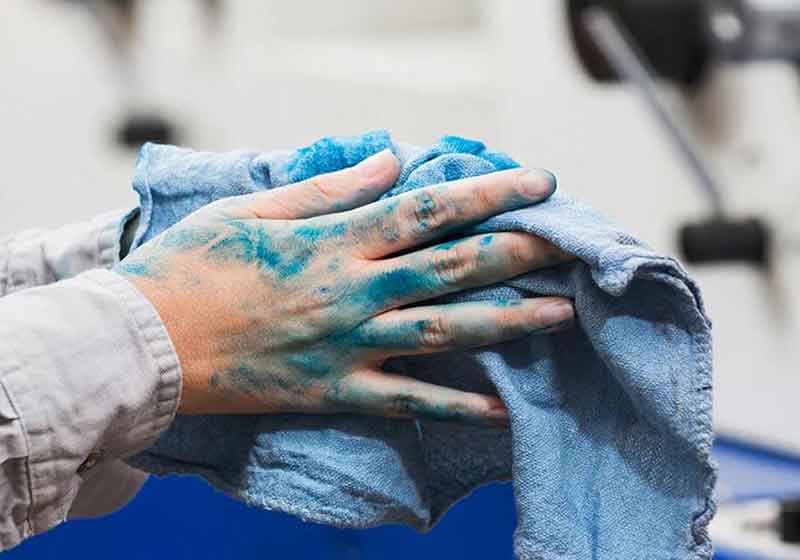
Industrial wiping cloth used to clean handsWiping Rags

Loose wiping rags are soft, irregular and costly to store or ship efficiently. DILOYA hydraulic textile balers first compress sorted, dry rags into compact rectangular blocks; operators then manually place each block into a plastic or woven bag, close it, weigh it and label it for sale or distribution. This Textiles&Old Clothes application combines machine compression with manual bagging.

View application +
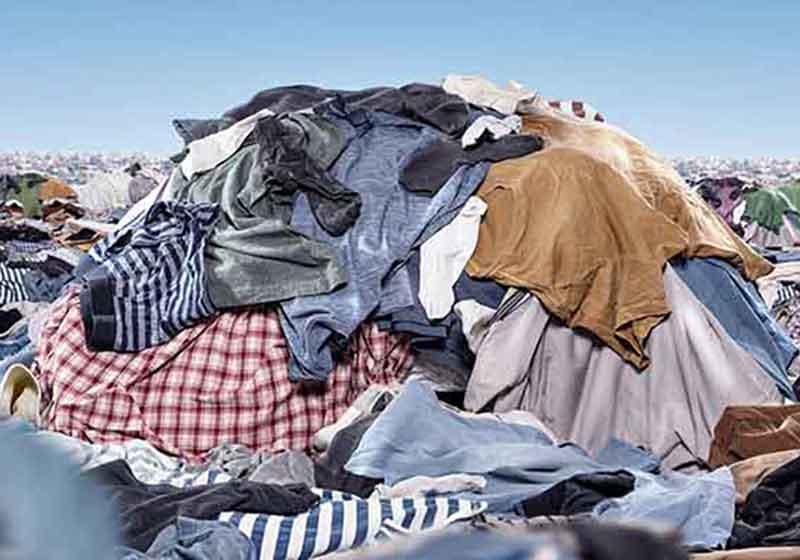
Loose used garments awaiting sorting and balingOld Clothes

Sorted old clothes are bulky, irregular and expensive to store or transport loose. DILOYA vertical lifting-box balers compress graded garments into dense rectangular packages; the raised chamber exposes each bale so operators can secure it with multiple plastic straps before weighing, labelling and stacking. This Textiles&Old Clothes application is intended for baling only.

View application +
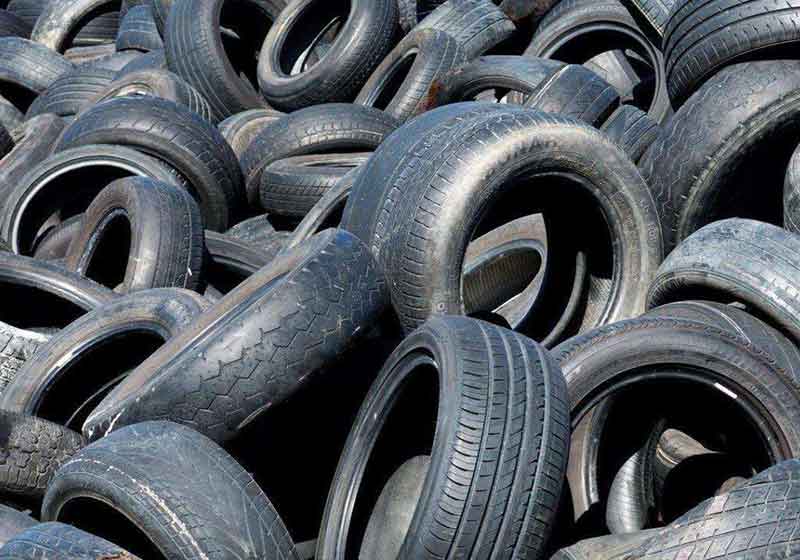
Loose whole waste tyres before compactionWaste Tire

Whole waste tyres are resilient, hollow and difficult to stack or transport efficiently. DILOYA hydraulic tyre balers compress sorted passenger-car and compatible light-truck tyres into dense steel-wire-tied bundles for controlled storage, mechanical handling and economical shipment. This Waste Tire application is intended for baling whole tyres only.

View application +

FAQ

View all FAQs +
Why use a vertical baler for used clothes and textiles?+

For textile businesses, a useful bale is compact enough for logistics while preserving the sale grade and the customer's ability to handle and open it. Compression is only one part of that package. Assess a suitable arrangement such as Vertical Lifting Chamber Baler against actual garments or offcuts and the finished wrapping requirement.

The right package depends on the business. A used-clothing exporter may prioritise bale dimensions, wrapping and product presentation; a textile-recycling operation may prioritise consistent material grades and efficient handling of offcuts.

  • Specify whether the load consists of complete garments, fabric pieces, yarn waste or a mixture.
  • Choose a bale that the warehouse and customer can move and open conveniently.
  • Check the final package after release, tying and wrapping, not only while compressed.

Baling does not sort, clean or sanitise the textiles, so upstream quality control remains important.

Why is restraint especially important for tyre bales?+

Tyre-bale restraint must control the package after pressure is released, when elastic recovery loads the tying system. Select and assess the machine and its approved restraint together. A stronger-looking improvised strap or extra pressure is not an acceptable substitute for a specified and demonstrated release and handling process.

The correct approach is to specify and test the machine, approved tying system and post-release package together. The trial should demonstrate that the bale can be removed and handled by the intended equipment without relying on an improvised restraint.

Do not substitute an unapproved strap or wire, add arbitrary ties, or increase pressure to solve a package problem. Follow the tyre-baler instructions and have any persistent issue assessed by qualified personnel. Personnel must stay clear of the hazardous release and ejection area.

Why use a vertical baler for sisal, palm fibre and coir?+

Sisal, palm fibre and coir can benefit from a more manageable package, but their loading and recovery behaviour should not be grouped into one assumed duty. Vertical Natural Fiber Baler is a relevant equipment reference. Establish fibre length, moisture and unwanted fractions before setting a bale mass or production target.

The three materials should not be treated as identical. Fibre length, moisture, fines, attached plant matter and elastic recovery affect loading and final bale behaviour.

  • Sisal: consider strand length, tangling and the receiving fibre grade.
  • Palm Fiber: describe moisture and attached material from the production process.
  • Coir: distinguish loose fibre from fibre mixed with coir pith or other fractions.

Agree the required package and test representative material before fixing bale mass or production targets.

How should a vertical baler be selected for cardboard cartons?+

Select a cardboard baler around actual carton size, collection frequency and the recycler's package specification. Large flattened sheets and mixed unprepared boxes can present different loading duties. Measure completed-bale production, including tying and removal, so the machine suits the available labour as well as the loose daily volume.

  • Measure the largest normal carton and identify any preparation already done.
  • Record daily volume as well as mass; loose cartons are bulky.
  • Agree moisture, contamination and mixed-packaging limits with the receiver.
  • Choose a package the site can remove, store and load.

If the same machine is also intended for textiles or other materials, confirm each duty and plan grade separation.

Which straps or wires should be used for vertical bales?+

Use the tying material and method approved for the exact baler and material duty. Tyres, fibres and clothes place different demands on restraint, and visual similarity between straps does not establish equivalent performance. Include consumable identification and the receiver's requirements in the package specification instead of substituting an unverified alternative.

Confirm the specification, quantity and placement through the machine's operating instructions and package trial. If wrapping is used, establish how it works with the restraint; a cover is not necessarily the component holding the bale together.

Do not substitute tying material by appearance or price, and do not devise extra ties to compensate for an unexplained stability problem. Ask the supplier to assess the complete bale and restraint arrangement.

Leave A Message

Let's Figure Out The Best Solutions!

Tell us what you need.

Share your material, target hour capacity and other requirements. Our engineering team will reply with a suitable solutions.

01Call DILOYA+86 152 2134 765002Email our teaminfo@diloya.com
We use your details to respond to this enquiry. Read our Privacy Policy.