Aluminium Profiles

Aluminium profiles and extrusion offcuts are long, hollow and difficult to stack efficiently. DILOYA hydraulic metal balers compress window frames, structural sections and production offcuts into dense, stable bales for safer handling, lower storage and transport costs, and consistent delivery to aluminium recyclers and remelting plants.

What our engineers evaluate

Our engineers evaluate profile length, cross-section, wall thickness, alloy grade, loose bulk density, contamination, required throughput, bale dimensions, feeding method, installation space and downstream transport requirements.

Discuss your application +
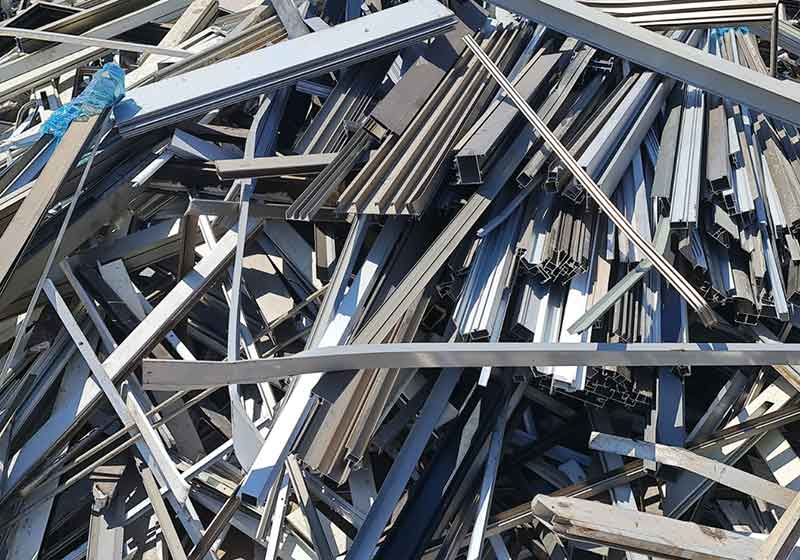
Pile of loose aluminium extrusion profile offcuts

Aluminium profiles—also called aluminium extrusions—include window and door frames, structural sections, rails, channels and production offcuts. Their long, irregular shapes occupy substantial storage space and are difficult to load efficiently. A hydraulic metal baler compresses the profiles into dense, stackable bales for safer handling, economical transport and consistent delivery to aluminium recyclers and remelting plants.

1. Effect After Baling:

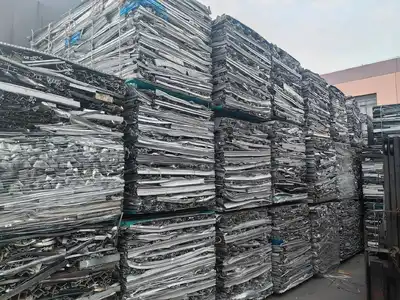
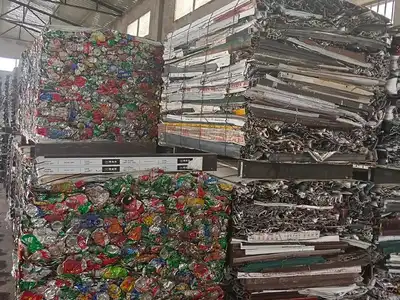
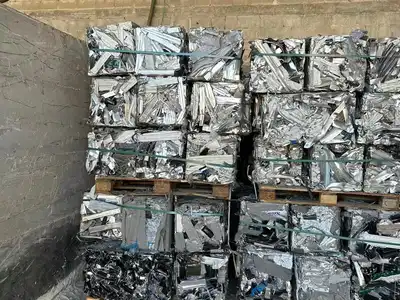
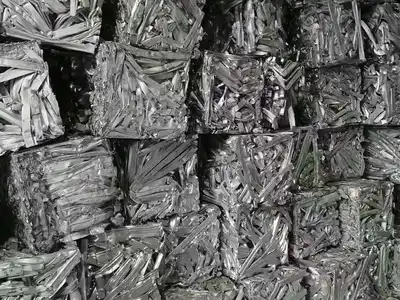
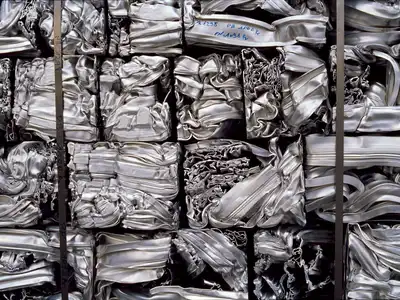
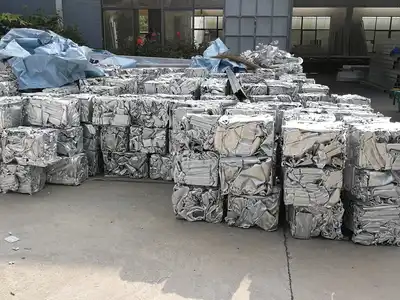
Baled aluminium profiles stored in a recycling yardStacked bales of compressed aluminium extrusion profilesCompact bundles of baled aluminium extrusion scrapMixed aluminium profile scrap compressed into transport bales
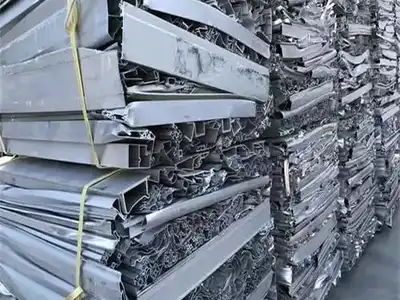
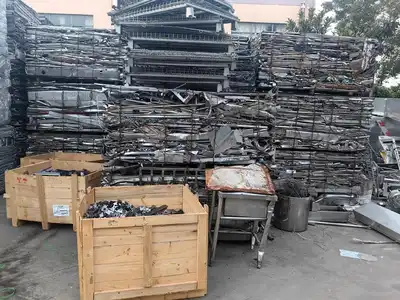
Processed aluminium profile scrap stacked after balingStrapped aluminium profile bales on palletsDense aluminium extrusion scrap balesCompressed aluminium extrusion bales ready for transport

2. Why Bale Aluminium Profiles?

Loose aluminium profiles are bulky, springy and difficult to stack. A hydraulic metal baler applies controlled compression to form dense, stable transport packages.

  • Reduce storage volume: compact bales use yard and warehouse space more efficiently.

  • Lower transport cost: higher loading density improves truck and container utilization.

  • Improve handling safety: controlled packages reduce loose, sharp and projecting profile sections.

  • Simplify weighing and inventory: repeatable bale dimensions make material management easier.

  • Support efficient remelting: sorted, compact aluminium profile bales are easier for recyclers and foundries to receive and charge.

  • Increase scrap consistency: separated alloy grades and clean bales can improve downstream processing and commercial value.

3. How Does an Aluminium Profile Baler Work?

  1. Material sorting
    Profiles are separated by alloy grade where required, and steel, plastic, rubber and other contaminants are removed.

  2. Size preparation
    Extra-long profiles may be cut or folded to suit the baler chamber and feeding method.

  3. Chamber loading
    Material is loaded manually, by grab, conveyor or other handling equipment according to plant capacity.

  4. Hydraulic compression
    One or more rams compress the profiles from the sides and top to form a dense rectangular bale.

  5. Bale formation
    The programmed pressure and compression cycle stabilize bale size and density.

  6. Automatic discharge
    The finished bale is pushed or turned out for weighing, stacking, storage and transport.

4. What Do Our Engineers Evaluate?

DILOYA engineers review the actual profile condition and the complete material flow before recommending a baler:

  • profile length, cross-section, wall thickness and alloy grade;

  • loose bulk density, contamination and material variability;

  • hourly or daily throughput and peak loading frequency;

  • required bale dimensions, weight and target density;

  • feeding method, chamber opening and available handling equipment;

  • manual, semi-automatic or fully automatic operation;

  • installation space, local voltage, labor conditions and downstream transport requirements.

5. How to Choose a Suitable Aluminium Profile Baler?

Select the machine from representative profile samples, required throughput and the bale specification accepted by the receiving recycler or foundry. Long and rigid profiles require a sufficiently large feed opening and chamber, while high-volume yards may benefit from grab loading, automatic cycling and continuous bale discharge. Cutting or pre-folding may be recommended when profile length exceeds the chamber dimensions.

Send DILOYA material photos, maximum profile length, hourly capacity, preferred bale size, loading method, available installation space and local voltage. Our engineers will configure the chamber, hydraulic pressure, ram arrangement, controls and discharge system for reliable aluminium profile baling.
FAQ

How do I choose the right recycling process for my material?+

The right process is the one that produces a material your next customer or production stage can use. Bulky offcuts intended for transport need a different route from oily machining chips intended for remelting. Define that destination first, then work backwards through sorting, size reduction and compaction. How to Choose a Metal Chip Briquetting Line for a Small CNC Machine Shop illustrates why the upstream chip condition matters as much as the final press.

Baling, shearing, shredding and briquetting solve different handling problems. Send representative photos or samples and the buyer's acceptance requirements so the proposed process can be matched to both the incoming waste and its next use.

What information should I send for an accurate quotation?+

An accurate quotation needs an operating brief, not just a requested tonnage. Show the supplier the most difficult normal feed, describe the accepted finished product and identify the equipment already available at the site. Two quotations labelled “one tonne per hour” can cover very different processing stages; the information below helps make their scope comparable.

Useful information to include

  • Feed: material, size, contamination and sample photos.
  • Workload: daily mass, peak accumulation and available production hours.
  • Result: required package or cut size and the receiver's acceptance criteria.
  • Interfaces: loading method, collection equipment and any existing machines.
  • Site: layout, supply voltage, ambient conditions and destination.

Explain how material will arrive and how finished products will be removed. A floor plan, loading height and downstream equipment details help define the scope. The quotation should clearly distinguish the main machine, options, installation requirements and services.

How should I calculate the capacity my operation needs?+

Calculate demand from accepted processed mass divided by genuinely available production time. Then check peak accumulation separately: a line may meet the daily average yet fall behind during the busiest shift. Do not add an arbitrary safety margin before finding whether feeding, preparation or discharge is the real constraint. For chip-processing projects, How to Choose a Metal Chip Briquetting Line for a Small CNC Machine Shop explains the whole-line approach.

Example: processing 8 tonnes in 8 genuinely available production hours requires an average of 1 tonne/hour. If only 6 hours remain after the necessary tasks and interruptions, the required average during those hours is higher. These values illustrate planning, not a machine rating.

Use realistic measured availability and identify whether the proposed capacity includes all required handling stages.

Also consider the complete line. A fast press cannot compensate for an undersized shredder, slow bag placement or restricted discharge. State both average demand and peak accumulation so working buffers and sustained capacity can be selected sensibly.

Leave A Message

Let's Figure Out The Best Solutions!

Tell us what you need.

Share your material, target hour capacity and other requirements. Our engineering team will reply with a suitable solutions.

01Call DILOYA+86 152 2134 765002Email our teaminfo@diloya.com
We use your details to respond to this enquiry. Read our Privacy Policy.