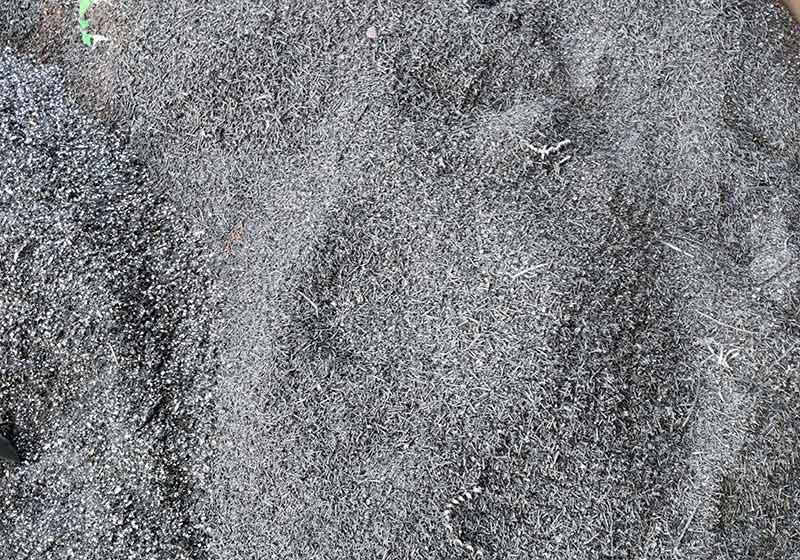
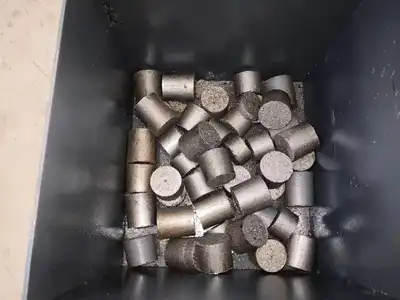
Cast iron chips are fine, brittle machining residues generated when turning, milling, boring or drilling cast components such as engine blocks, brake parts, pump housings and machine beds. The material often contains short needle-like fragments, powdery fines and retained cutting fluid. In loose form it occupies excessive space, leaks through containers and is difficult to charge into a furnace efficiently.
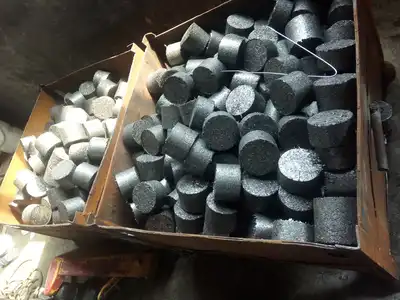
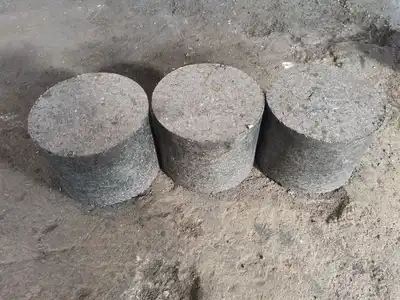
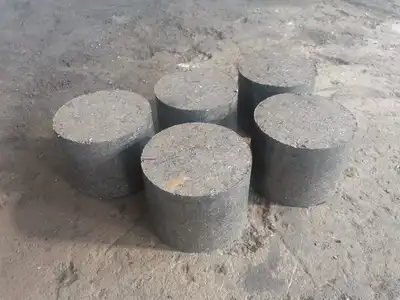
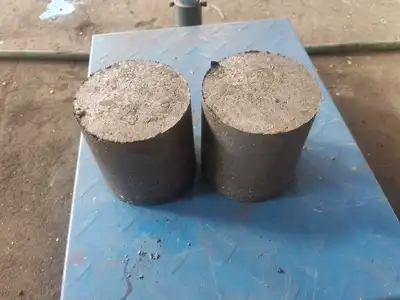
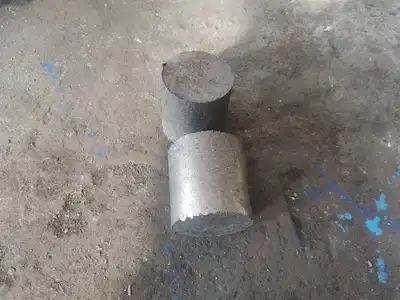
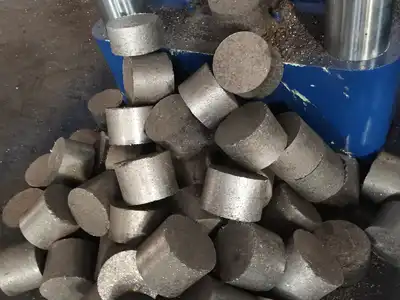
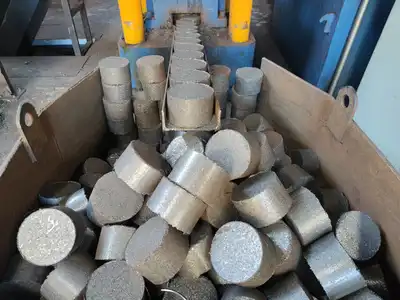
DILOYA hydraulic briquetting presses compact cast iron chips into dense cylindrical briquettes. The pressure creates stable units for cleaner storage and transport while expressing part of the oil or coolant for recovery. This application is intended for briquetting only and is engineered separately from baling sheet scrap or shearing structural steel.
Effect After Cast Iron Chip Briquetting
Suitable Cast Iron Chip Feed
Typical feed includes grey-iron turnings, ductile-iron chips, short brittle swarf and screened cast-iron fines from machining operations. The best results come from a consistent grade with controlled particle size and moisture. Oversized tramp metal, grinding media, rags, sand cores and non-ferrous contamination should be removed before the material reaches the press.
Cast iron chips are generally shorter and less springy than long steel turnings, but they can contain a high proportion of abrasive fines. The hopper, screw feeder, chamber liners and seals must therefore be selected for reliable flow and wear resistance.
Benefits of Briquetting Cast Iron Chips
- Dense compact output: reduces storage footprint and increases truck or container payload.
- Cleaner work areas: controls dusty fines and prevents small chips from escaping open bins.
- Recoverable fluids: separates part of the retained oil or coolant for collection, treatment or reuse.
- More consistent furnace charging: briquettes are easier to meter and less likely to scatter than loose chips.
- Lower oxidation loss: compact material has less exposed surface area than loose fine swarf during handling and melting.
Typical Briquetting Process
- Collect cast iron chips separately and remove incompatible grades and foreign objects.
- Screen or condition the feed when excessive fines, large fragments or free liquid are present.
- Meter chips from the storage hopper into the hydraulic compression chamber.
- Compress the material at controlled pressure and dwell time to form a stable briquette.
- Collect expressed fluid and discharge finished briquettes for cooling, storage or direct shipment.
Wear, Feeding and Fluid Control
Fine cast iron is abrasive, so replaceable liners, hardened wear components, effective hydraulic filtration and accessible cleaning points are important. A stable metering system prevents underfilled or overfilled cycles, while dust containment and housekeeping reduce accumulation around the hopper and press.
Free oil or coolant should be measured rather than estimated. The receiving tank, filtration and drainage arrangement must match the liquid volume, and recovered fluid should be handled according to the plant's environmental and safety procedures.
What DILOYA Engineers Evaluate
DILOYA evaluates cast iron grade, chip particle-size distribution, fines percentage, loose bulk density, moisture and oil content, abrasiveness, contamination, hourly throughput, target briquette diameter and density, feeding continuity, fluid recovery, installation space and local electrical supply.
Send representative chip photos or samples, daily volume, coolant information and downstream foundry requirements. Our engineers will match press force, chamber diameter, hopper, feeder, wear protection, hydraulic power, cooling and fluid collection to the actual cast-iron chip stream.