Wood Shavings

Loose wood shavings are light, springy and expensive to store or distribute efficiently. DILOYA high-speed baling lines meter and compress prepared shavings into rectangular blocks before bagging, closing and weight checking. With suitable material, bale specification and automated handling, a configured line can produce up to 200 bales per hour.

What our engineers evaluate

Our engineers evaluate wood species and source, shaving dimensions, fines content, moisture, loose bulk density, flow and rebound, target bale weight and dimensions, required sustained output, bag size and film, bag fitting and closure method, feeding and buffer capacity, check-weighing, palletising, dust control, installation space and local voltage.

Discuss your application +
Loose wood shavings for animal bedding

Wood shavings from planing, furniture production, timber processing and animal-bedding preparation are clean but extremely light. Their low loose bulk density makes storage, weighing and long-distance distribution inefficient unless the material is compacted into a controlled retail or wholesale package.

DILOYA high-speed wood-shavings balers meter the prepared material, compress it into a rectangular block and transfer the block into a plastic bag for closing and labelling. With the correct material, bale specification, feeding and packing arrangement, a configured line can produce up to 200 bales per hour.

High-Speed Compress-and-Bag Workflow

Condition → Meter → Compress → Transfer → Bag → Close → Check weight

  1. Screen the shavings and stabilise moisture before they enter the day bin.
  2. Meter a repeatable charge with a controlled conveyor or dosing system.
  3. Hydraulically compress the charge into a dense rectangular block.
  4. Hold the block shape during transfer to prevent premature expansion.
  5. Fit or advance the plastic bag around the compressed block.
  6. Seal, stitch or tape the bag according to the required package.
  7. Check weight, print the batch label and move the finished bale to palletising.

Finished Wood Shavings Packages

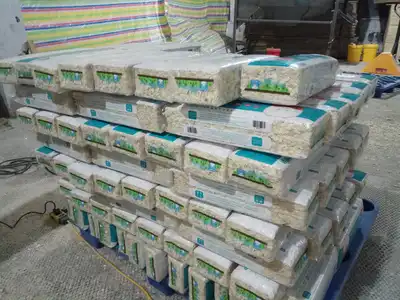
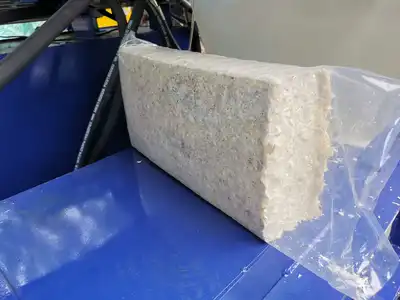
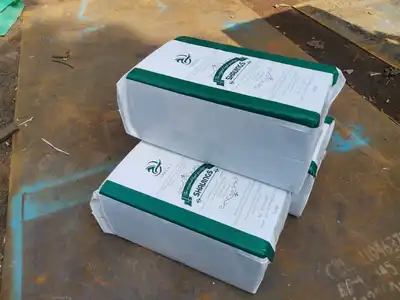
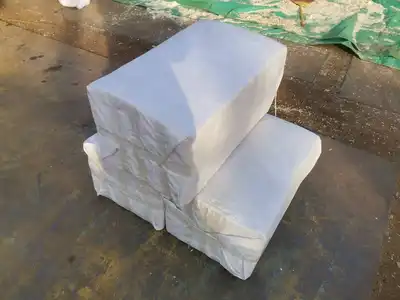
Retail packages filled with compressed wood shavingsCompressed wood-shavings bales stacked on a palletCompressed wood-shavings block entering a plastic bagBranded rectangular wood-shavings packages
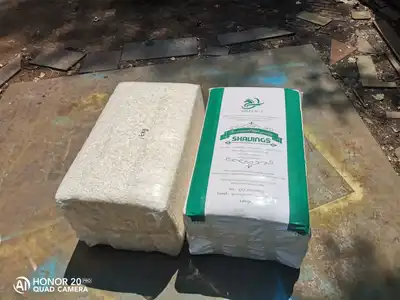
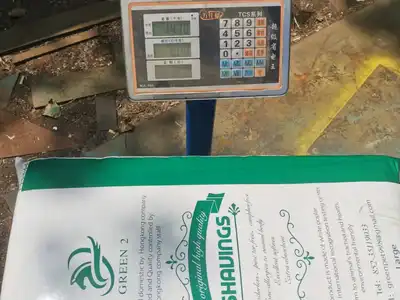
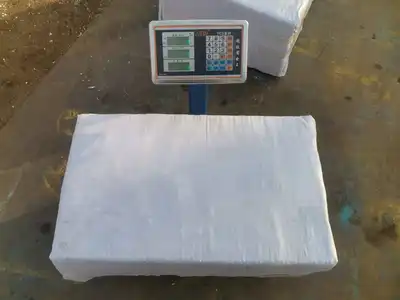
Compressed shavings block beside a finished bagged baleBagged wood-shavings bale checked on a scaleFinished wood-shavings package during weight verificationWrapped compressed wood-shavings blocks ready for shipment

What “Up to 200 Bales per Hour” Requires

The 200-bale figure is a maximum configured line rate, not a guarantee for every feedstock or package. It requires consistent free-flowing shavings, stable moisture and bulk density, a suitably small bale specification, uninterrupted automatic feeding, rapid block transfer, an adequately staffed or automated bag-closing station and sufficient takeaway capacity.

Actual output is determined during selection from the target net bale weight, compression ratio, number of strokes, material recovery time, bag handling and downstream palletising. Larger or heavier bales, wet or stringy shavings, manual bag fitting and frequent material changes reduce the achievable hourly count.

Feed Quality Window

  • Suitable: clean, screened and reasonably uniform softwood or hardwood shavings.
  • Control: moisture, particle size, loose bulk density, dust fraction and spring-back.
  • Remove: stones, metal, fasteners, large wood chunks, plastic and chemically contaminated material.
  • Separate: animal-bedding grades from treated, painted or otherwise unsuitable wood residues.

Bag and Package Design

Bag length, width, film thickness, permeability, closure method and printed artwork must match the compressed block and its rebound. The transfer sleeve and bag opening should provide enough clearance for reliable insertion without wasting excessive film. Trial production confirms the fill weight, block dimensions, seal integrity and package appearance after recovery.

Dust, Fire and Operating Control

Dry wood particles create combustible dust and a substantial fire load. The line requires effective extraction, housekeeping, grounding, ignition-source control and fire protection appropriate to the site and local rules. Moist or biologically active material should not be sealed for storage until its condition is confirmed suitable.

What DILOYA Engineers Evaluate

DILOYA evaluates wood species and source, shaving dimensions, fines content, moisture, loose bulk density, flow and rebound, target bale weight and dimensions, required sustained output, bag size and film, bag fitting and closure method, feeding and buffer capacity, check-weighing, palletising, dust control, available space and local voltage. Representative samples and timed material data are required when the project targets a rate approaching 200 bales per hour.

FAQ

How do I choose the right recycling process for my material?+

The right process is the one that produces a material your next customer or production stage can use. Bulky offcuts intended for transport need a different route from oily machining chips intended for remelting. Define that destination first, then work backwards through sorting, size reduction and compaction. How to Choose a Metal Chip Briquetting Line for a Small CNC Machine Shop illustrates why the upstream chip condition matters as much as the final press.

Baling, shearing, shredding and briquetting solve different handling problems. Send representative photos or samples and the buyer's acceptance requirements so the proposed process can be matched to both the incoming waste and its next use.

What information should I send for an accurate quotation?+

An accurate quotation needs an operating brief, not just a requested tonnage. Show the supplier the most difficult normal feed, describe the accepted finished product and identify the equipment already available at the site. Two quotations labelled “one tonne per hour” can cover very different processing stages; the information below helps make their scope comparable.

Useful information to include

  • Feed: material, size, contamination and sample photos.
  • Workload: daily mass, peak accumulation and available production hours.
  • Result: required package or cut size and the receiver's acceptance criteria.
  • Interfaces: loading method, collection equipment and any existing machines.
  • Site: layout, supply voltage, ambient conditions and destination.

Explain how material will arrive and how finished products will be removed. A floor plan, loading height and downstream equipment details help define the scope. The quotation should clearly distinguish the main machine, options, installation requirements and services.

How should I calculate the capacity my operation needs?+

Calculate demand from accepted processed mass divided by genuinely available production time. Then check peak accumulation separately: a line may meet the daily average yet fall behind during the busiest shift. Do not add an arbitrary safety margin before finding whether feeding, preparation or discharge is the real constraint. For chip-processing projects, How to Choose a Metal Chip Briquetting Line for a Small CNC Machine Shop explains the whole-line approach.

Example: processing 8 tonnes in 8 genuinely available production hours requires an average of 1 tonne/hour. If only 6 hours remain after the necessary tasks and interruptions, the required average during those hours is higher. These values illustrate planning, not a machine rating.

Use realistic measured availability and identify whether the proposed capacity includes all required handling stages.

Also consider the complete line. A fast press cannot compensate for an undersized shredder, slow bag placement or restricted discharge. State both average demand and peak accumulation so working buffers and sustained capacity can be selected sensibly.

Leave A Message

Let's Figure Out The Best Solutions!

Tell us what you need.

Share your material, target hour capacity and other requirements. Our engineering team will reply with a suitable solutions.

01Call DILOYA+86 152 2134 765002Email our teaminfo@diloya.com
We use your details to respond to this enquiry. Read our Privacy Policy.