Project Scope And Material Definition
This project brief considers aluminium beverage-can baling for a recycling plant in India. It is a configuration and enquiry framework, not a report of a completed installation. The customer identity, selected model, measured throughput and site photographs have not yet been confirmed. The design objective is to turn a defined stream of prepared cans into bales accepted by the receiving recycler, while coordinating collection, feeding and bale removal.
The initial material survey should distinguish loose used beverage cans from flattened cans, mixed metal containers and already compacted scrap. Ask how the material arrives: bags, bins, collection vehicles or an upstream sorting line. Record incoming mass and loose volume separately. These observations determine the receiving arrangement more reliably than a generic “cans per hour” claim.
Organising Collection Batches Before Baling
A plant receiving cans in batches should compare the largest normal delivery with the volume it can safely stage and process. If batches arrive faster than the baler consumes them, the line may need a managed buffer rather than a larger press alone. If supply is intermittent, a permanently running conveyor may not improve useful output. Confirm the actual delivery pattern rather than assuming a regional operating model.
The preparation plan should identify sorting responsibilities, residual-liquid management and removal of unsuitable containers. Aluminium and steel cans should remain separate where the buyer requires distinct grades. Unidentified sealed containers, aerosols and batteries are not normal UBC feed. The Aluminium UBC page provides relevant material context.
Candidate Baling And Feeding Arrangement
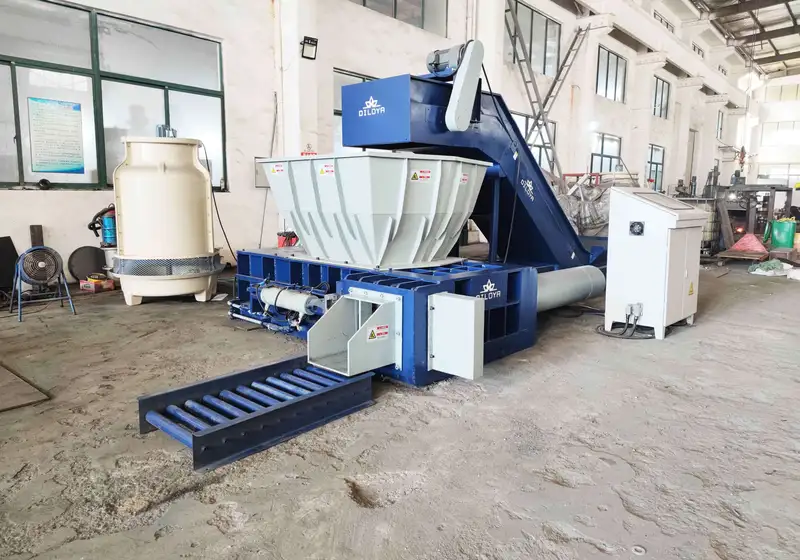
The Aluminium Can Baling Machine category is the starting point for a can-specific comparison. Where the measured flow supports automatic feeding, Automatic UBC Baler provides a route to the relevant machine options. The Hopper Type Shear Baler page describes a hopper-type shear-baler configuration; the shear function should be selected only where it serves the defined material and output requirement.
Request a layout showing the receiving point, loading height, transfer equipment, press access and bale collection zone. Identify which tasks are automatic and which remain with the operator. The quotation should not treat automatic pressing as proof that sorting, feed replenishment and downstream handling are also automated.
Bale Specification And Production Trial
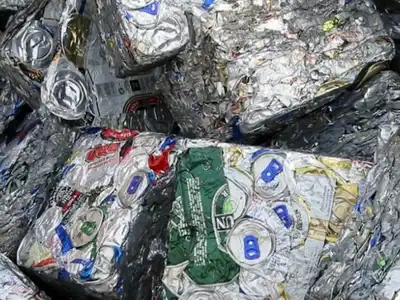
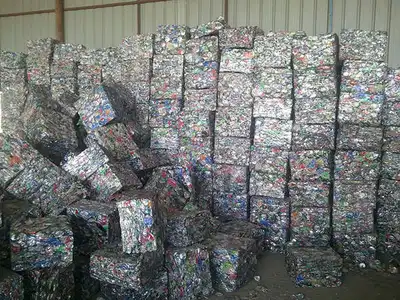
Obtain the buyer’s acceptable released bale dimensions, mass range, cleanliness and handling conditions before fixing the chamber specification. Required production capacity should be calculated from incoming mass and usable operating hours. The output-capacity field remains blank until a model and acceptance basis are agreed; no trial result is inferred from the project title.
A representative trial should record the starting material condition, elapsed production period, normal interruptions, accepted bale mass and released dimensions. Evaluate bale integrity after routine handling, not just at the press outlet. If another project is useful for comparison, the Automatic Aluminium UBC Shear Baler case is an existing documented reference; its figures must not be transferred to the India brief.
Site Planning And Information To Complete
Confirm the site power supply, floor and foundation requirements, maintenance access, planned operating hours and local installation responsibilities during engineering review. Space planning should include storage aisles and handling-equipment movement, not only the machine footprint. Assess ventilation, weather exposure and cooling against the actual plant conditions rather than assigning a standard package by country.
To complete the customer case, add the confirmed model, actual capacity and test conditions, customer-approved main image, material photographs, finished-bale measurements and any verified operating feedback. Storage and transport benefits can then be described using measured before-and-after information. Until those records are available, these benefits remain project objectives rather than claimed achievements.