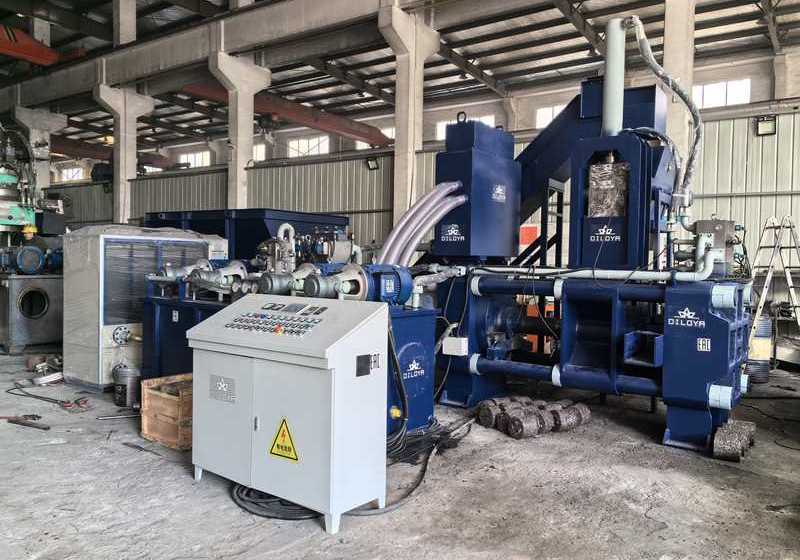
Horizontal Briquetting Press
Horizontal Hydraulic Briquetting Press for Metal Chips
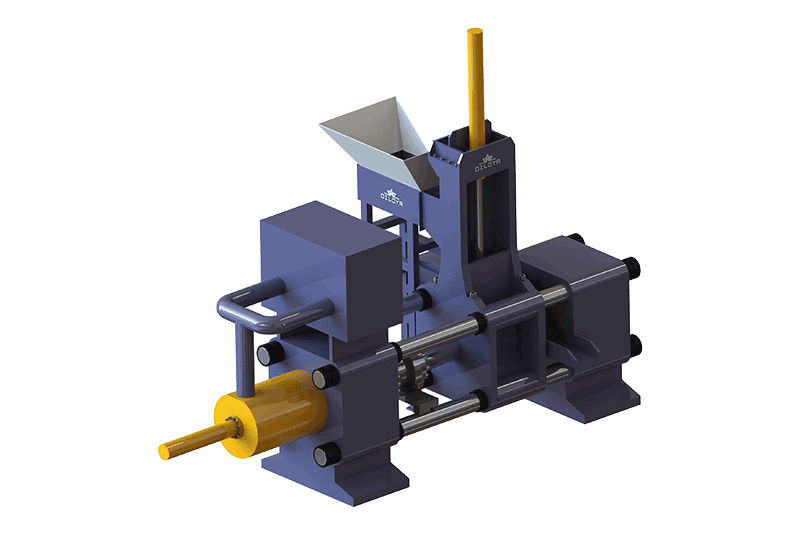
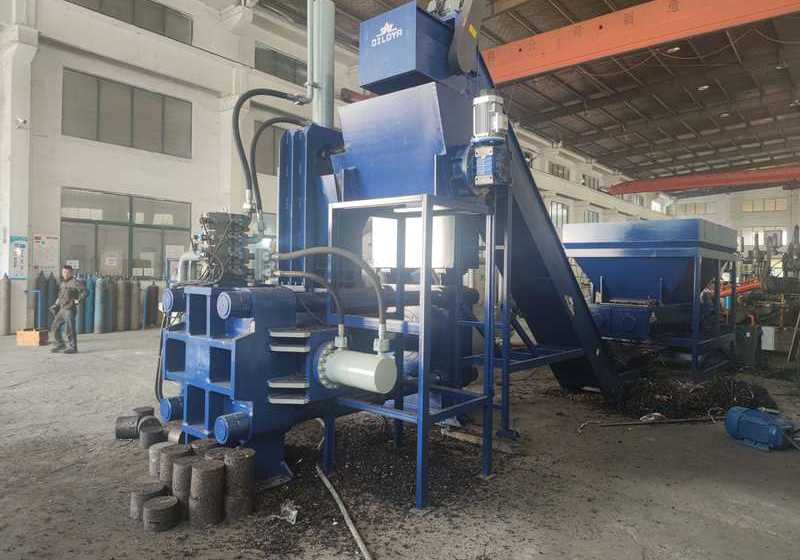
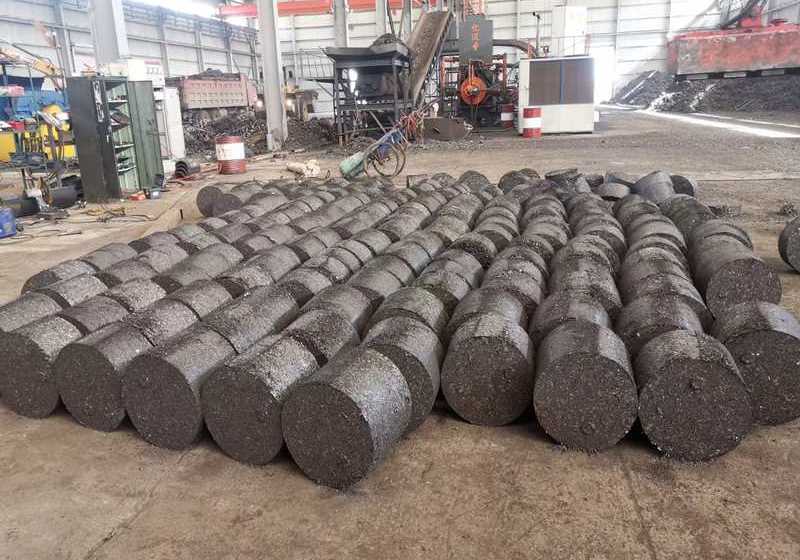
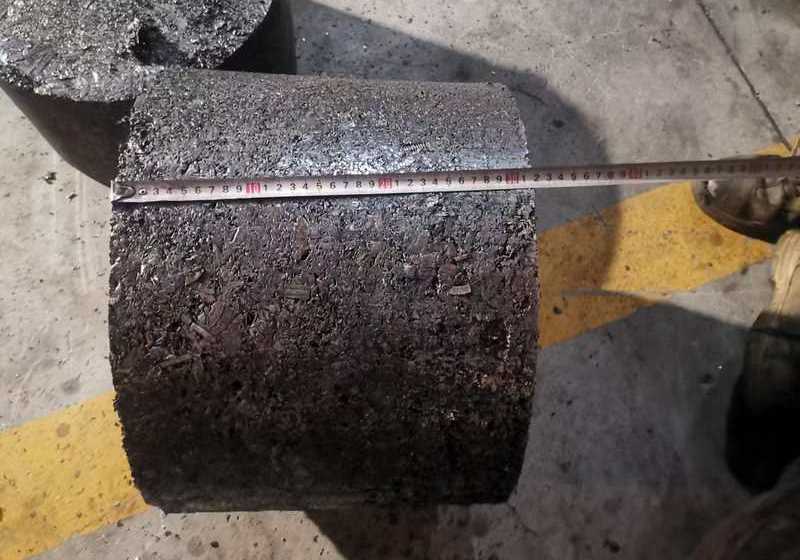
The DILOYA Horizontal Briquetting Press uses horizontal hydraulic compression to turn sorted machining chips and swarf into dense, manageable briquettes. It can be configured with controlled feeding, discharge and optional chip preparation for metalworking or recycling lines.
- Design
- Horizontal Design
- Motor Power
- 60-225kw
- Material
- Various of Metal Chips
- Control
- PLC control
- Brand Name
- DILOYA
- Output Capcity
- 3000-20000kg/Hour
Description
The DILOYA Horizontal Briquetting Press converts loose metal chips, shavings and swarf into compact blocks using a horizontally moving hydraulic ram. It is intended for machining and recycling operations that need a defined path from chip feeding to formed-briquette discharge. Compared with vertical pressing, its chamber and main compression stroke are arranged horizontally; the best layout depends on available floor space, feed equipment and the required collection route.
1> How the Horizontal Cycle Works
Prepared chips enter a hopper or conveyor system and are metered into the chamber. Depending on the configuration, a pre-press stage may gather the charge before the main ram compresses it horizontally. The formed briquette is discharged, and the cylinders return for the next cycle. A chip shredder, conveyor, pre-press or fluid collection unit is specified only when required by the actual material and production plan.
2> Materials and Preparation
Potential feedstock includes sorted aluminium and copper chips, brass shavings, ferrous turnings and cast-iron chips. Material length, bulk density, alloy mix, coolant content and foreign objects determine whether feeding and briquetting will be reliable. Tangled or oversized turnings may need breaking before they reach the press. Samples should be tested before committing to an output rate or briquette density.
3> Line Configuration
DILOYA can size the chamber, hydraulic force, motor and pump group, feeding equipment, controls and discharge route according to target volume and material condition. The installation plan should include floor footprint, service access, electrical supply, chip collection points and finished-briquette handling. Properly sorted briquettes are easier to weigh, store and deliver to downstream recyclers or remelting plants than loose swarf.
Advantage
> Horizontal compression: the main ram forms consistent blocks in a horizontal chamber.
> Defined process flow: feed and discharge can be aligned with conveyors or collection bins.
> Cold compaction: reduces loose-chip volume without melting.
> Flexible material scope: suitable aluminium, copper, brass and ferrous chips can be processed in sorted batches.
> Line integration: chip breakers, pre-press equipment and fluid collection can be added when required.
> Improved logistics: regular briquettes simplify weighing, storage and shipment planning.
> Controlled cycle: hydraulic movements can be coordinated through the selected automation system.
> Application-based sizing: chamber, force, power and handling equipment are specified from actual chip samples and output targets.
Parameter
Please find below specification of different models:
| Model | BPH500 | BPH630 | BPH800 | BPH1000 | BPH1500 |
|---|---|---|---|---|---|
| Briquette Size | Φ160x(120-140)mm | Φ200x(140-180)mm | Φ240x(160-200)mm | Φ280x(180-220)mm | Φ320x(220-280)mm |
| Briquette Weight | Steel: 11.7-14.5kg | Steel: 18-24kg | Steel: 35-45kg | Steel: 45-64kg | Steel: 80-100kg |
| Output Capacity | 2.3-2.8t/hour | 4-6t/h | 6-8t/h | 8-10t/h | 15-20t/h |
| Motor Power | 3x30kw | 4x30kw | 2x55kw | 4x45kw | 2x90kw |
| Cycle Time | 20s | 20s | 20s | 20s | 20s |
| Control | PLC Control | PLC Control | PLC Control | PLC Control | PLC Control |
| Cooling System | Oil Chiller | Oil Chiller | Oil Chiller | Oil Chiller | Oil Chiller |
| Main Cylinder | 5000kn | 6000kn | 8000kn | 10000kn | 15000kn |
| Speed Cylinder | 300kn | 500kn | 630kn | 1000kn | 2000kn |
| Feed Cylinder | 300kn | 300kn | 500kn | 500kn | 1000kn |
| Push Cylinder | 500kn | 800kn | 1000kn | 1250kn | 2000kn |
We can customize the baler machine according to your special requirements.
Application
The DILOYA BPH horizontal briquetting press is for briquetting below materials:
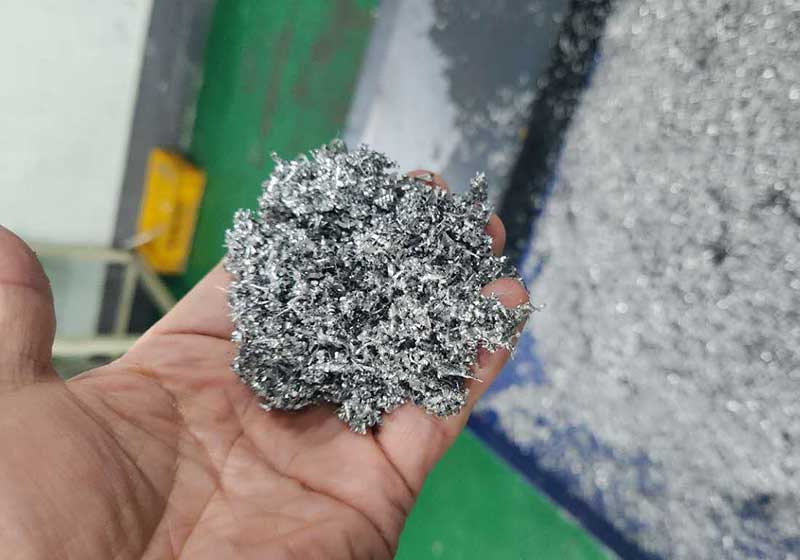
Aluminium Chips
Aluminium Chips are precision-processed from pure aluminum and aluminum alloy via CNC turning and milling. Strictly sorted, cleaned and dried, these chips feature uniform shape, low oxidation and zero sundry impurities. As premium recycled aluminum raw materials, they deliver stable metallurgical and physical properties, ideal for aluminum smelting, alloy production, chemical processing and thermal conduction applications with high cost performance.
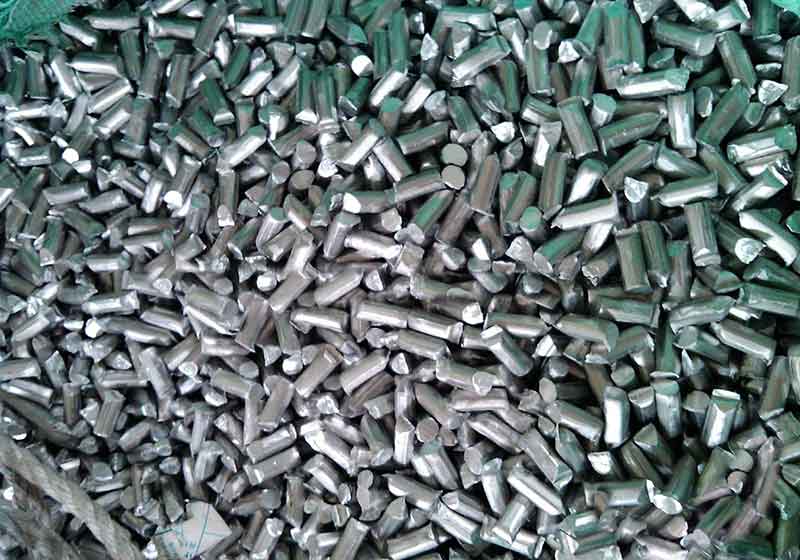
Aluminium Granules
Aluminium granules are small, flowable particles produced by shredding, screening or size reduction. DILOYA aluminium granule briquetting machines compress this loose material into dense, consistent cylindrical blocks for cleaner handling, compact storage, economical transport and controlled furnace feeding.
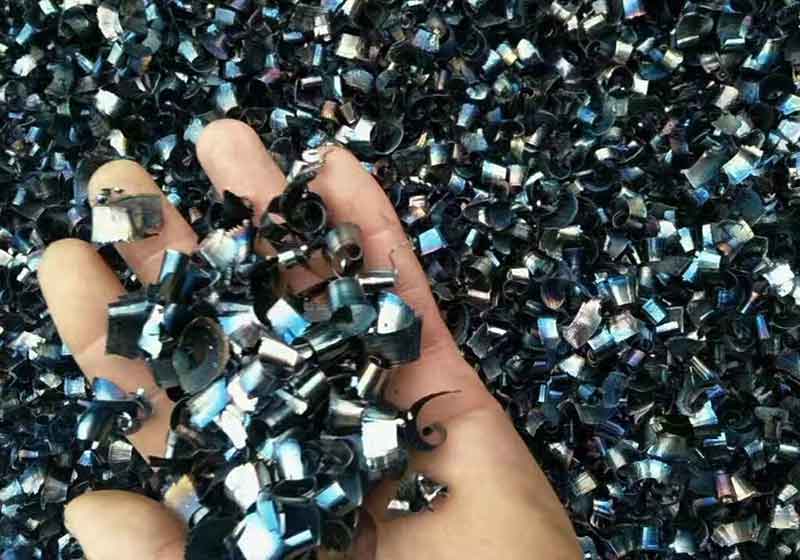
Steel Chips
Steel chips from turning, milling, drilling and sawing are loose, oily and difficult to handle efficiently. DILOYA hydraulic briquetting presses compress carbon-steel, cast-iron and alloy-steel swarf into dense cylindrical briquettes, recovering part of the retained cutting fluid while improving storage, transport and furnace feeding. This application is intended for briquetting only.
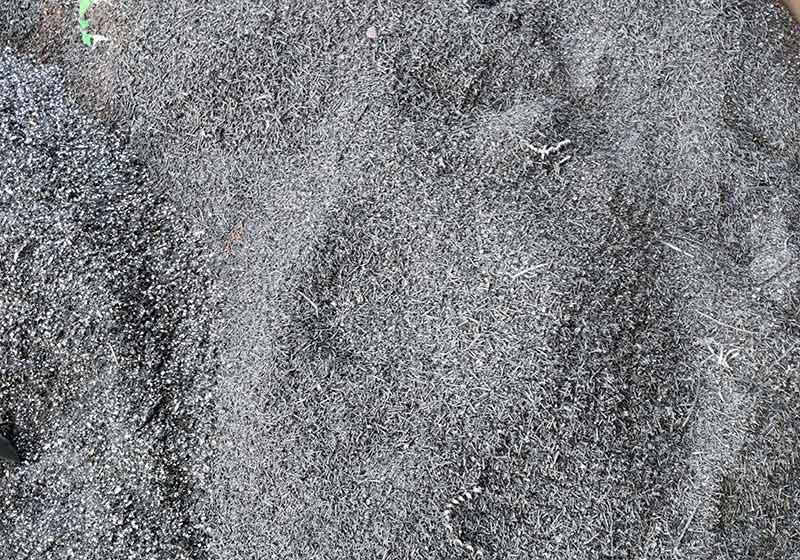
Cast Iron Chips
Cast iron chips are fine, brittle machining residues that are abrasive, dusty and difficult to store or charge in loose form. DILOYA hydraulic briquetting presses compress grey-iron and ductile-iron swarf into dense cylindrical briquettes while recovering part of the retained cutting fluid for cleaner handling, efficient transport and controlled foundry feeding. This application is intended for briquetting only.
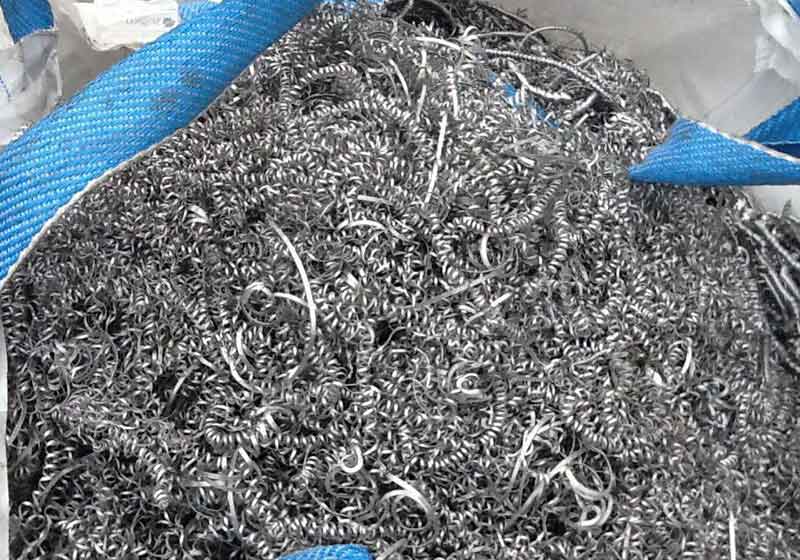
Steel Shavings
Steel shavings are long, curled machining residues that interlock into bulky nests and retain cutting fluid. DILOYA can compress foldable shavings directly into rectangular transport bales, or shred long tangled nests into short uniform feed before hydraulic briquetting. Process selection depends on shaving geometry, fluid content, required density and downstream furnace specifications.
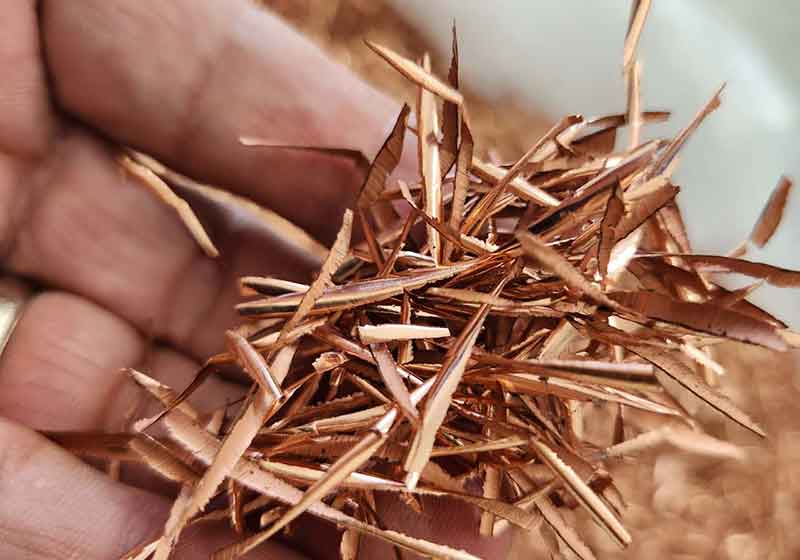
Copper Chips
Copper chips from turning, milling and drilling are valuable but bulky, oily and easy to lose during handling. DILOYA hydraulic briquetting presses compact separated copper machining chips into dense binder-free cylinders while recovering part of the retained fluid for efficient storage, shipment and remelting. This Copper&Brass Scrap application is intended for briquetting only.
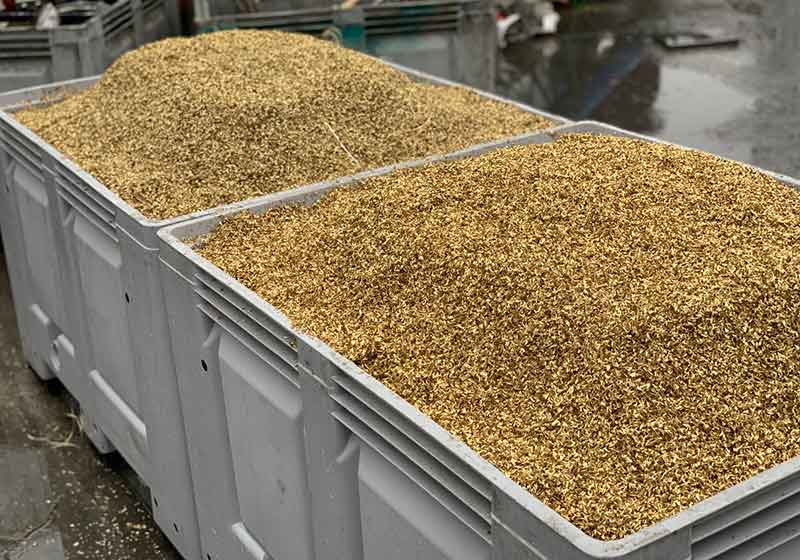
Brass Chips
Brass chips from machining valves, fittings and alloy components are loose, oily and difficult to transport efficiently. DILOYA hydraulic briquetting presses compress sorted brass swarf into dense binder-free cylinders, recovering part of the retained cutting fluid while improving grade control, storage, shipment and furnace charging. This Copper&Brass Scrap application is intended for briquetting only.
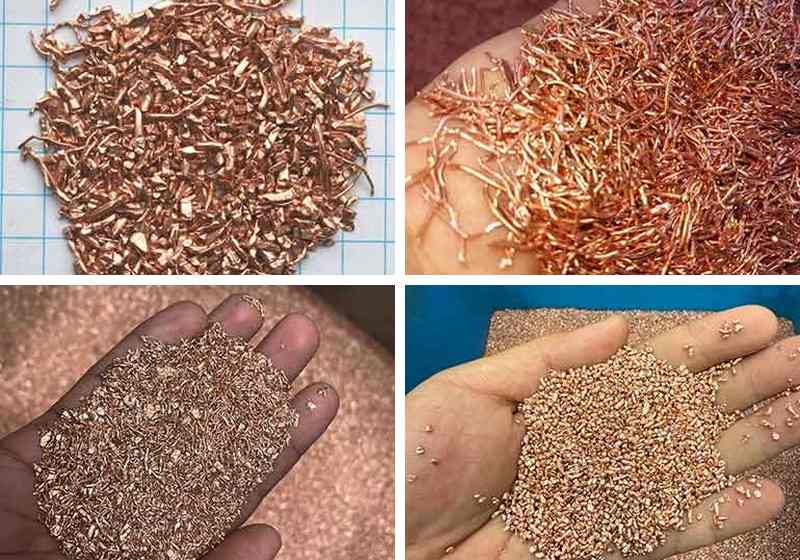
Copper Granules
Copper granules recovered from cable processing and wire chopping are valuable but easy to spill, oxidize and lose during handling. DILOYA hydraulic briquetting presses compact clean copper particles into dense binder-free cylinders for secure storage, efficient shipment, accurate weighing and controlled furnace charging. This Copper&Brass Scrap application is intended for briquetting only.
FAQ
When is a horizontal briquetting press suitable?+
A horizontal press can suit a particular feeding, compression and discharge requirement, but orientation alone does not establish capacity or density. Evaluate Horizontal Briquetting Press against the real chips and working envelope. Big Output Horizontal Briquetting Line is a Russian iron-chip project example; its reported figures are not ratings for every horizontal installation.
Orientation alone does not establish capacity. Compare working chamber, feeding consistency, hydraulic duty and collection method under equivalent material conditions. Include maintenance access and usable floor space in the layout rather than considering the press footprint only.
Which metals can be considered for briquetting?+
Assess the alloy and the chip form together. Aluminium curls, copper granules and cast-iron chips are all metallic feed, but can differ in filling behaviour and pressing duty. Copper Cloves Briquetting Solutions illustrates one copper project; its reported density cannot be transferred to other alloys or interpreted as a universal press specification.
Provide alloy, chip size, bulk density and fluid condition. Hardness, spring-back and contamination affect the required preparation and pressing duty. Separate assessments may be needed when changing between substantially different materials.
Why use a large screw buffer hopper?+
A screw buffer is valuable when it creates a usable working reserve between intermittent replenishment and press consumption. Its geometric volume is not its useful stored mass, especially with fluffy chips. Storage Screw Hopper should be sized around material flow and a realistic refill interval, not used to conceal a permanent shortage of upstream capacity.
Planning relationship: usable buffer mass depends on usable hopper volume and the actual loose bulk density. The same hopper therefore stores different masses of fluffy aluminium swarf and denser short chips.
Estimate the replenishment interval from that working reserve and the press's measured consumption. Leave the operating allowance specified for material flow and control rather than treating the geometric hopper volume as fully usable storage.
The usable volume, material flow and feed rate must match the actual chips. A buffer cannot compensate indefinitely if average upstream output is below press demand. Long tangled material may require preparation before entering the screw hopper.
How do briquettes per minute relate to tonnes per hour?+
Convert pieces per minute to mass output using the measured average mass of accepted briquettes. Then account for the production time represented by that piece rate. A fast cycle producing light briquettes may deliver less mass than a slower cycle with heavier accepted units; catalogue piece rates are not interchangeable with tonnes per hour.
Illustrative calculation: 5 completed briquettes/minute × 2 kg/briquette × 60 minutes = 600 kg/hour while that rate is sustained. If the average mass or accepted running time changes, the hourly result changes as well.
The example explains the units; it is not a rating for a particular DILOYA press. Use measured mass and an agreed production period for acceptance.
A statement such as 5–6 briquettes per minute is incomplete without the material, briquette weight and sustained running conditions. Clarify whether the count is total machine output or per outlet, and distinguish trial rate from accepted sustained production.
What should a metal-chip briquetting trial measure?+
A useful briquetting trial links the incoming chips to the accepted result. Record alloy, chip form, fluid condition and preparation along with sustained output, briquette measurements and collection performance. Aluminium Chips Briquetting Machine illustrates why project figures should be attributed to their own feed rather than adopted as universal targets.
Record the complete trial
- Metal, alloy, chip shape and bulk density.
- Incoming liquid condition and any preparation stages.
- Actual accepted briquette mass and dimensions.
- Timed operating period and included handling tasks.
- Fluid results using the agreed method, if required.
- Interruptions, rejects and finished-product acceptance.
Inspect the finished blocks against the receiving specification and include realistic feeding conditions. A useful trial explains both product quality and sustained production, not only peak piece rate. Agree acceptance criteria before relying on a demonstration sample.
Related products
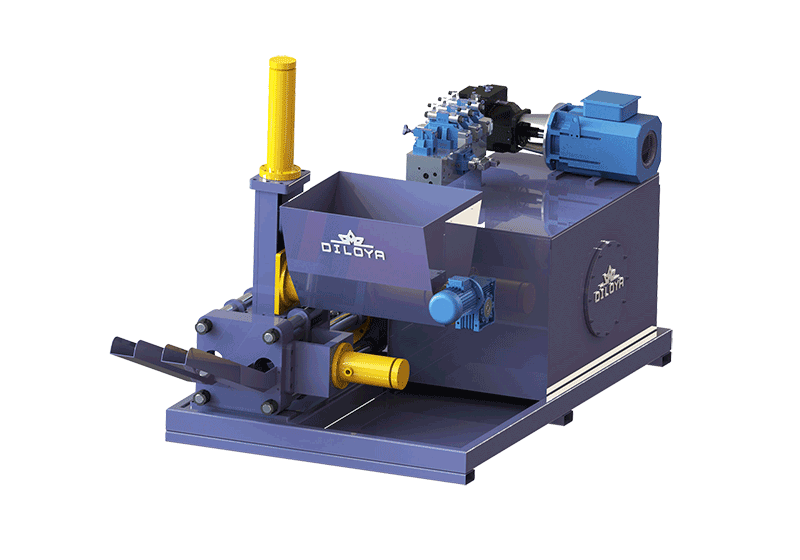
Double Outlet Briquetting Press
The DILOYA Double Outlet Briquetting Press cold-compresses suitable metal chips into dense briquettes and uses two discharge outlets to support a planned collection flow. It is configured for recycling operations that need steady feeding and efficient removal of finished blocks.
View details +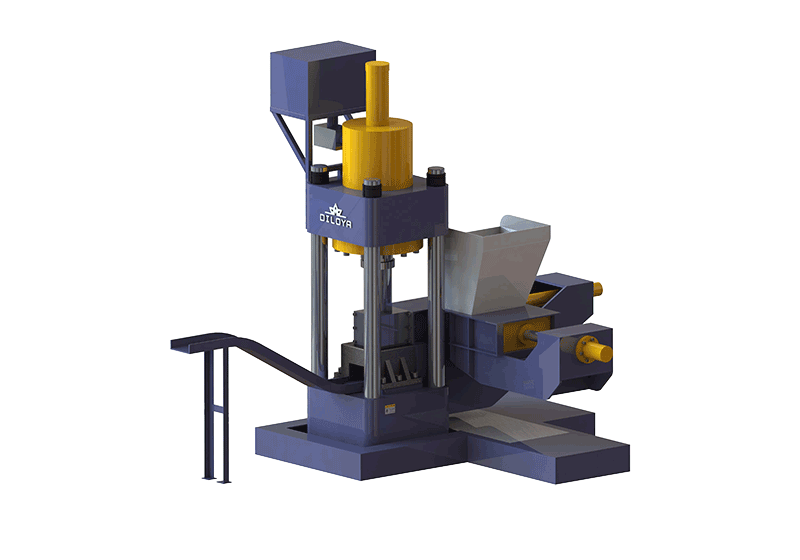
Vertical Pre-Press Briquette Press
The DILOYA Vertical Pre-Press Briquette Press adds a pre-compression stage before final vertical hydraulic pressing. It is designed to control bulky or springy, prepared metal chips and form consistent briquettes for handling and recycling.
View details +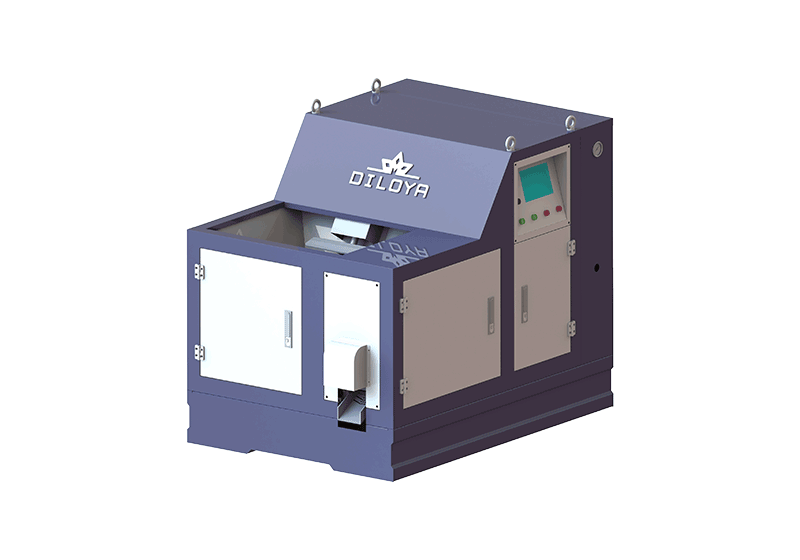
Small Briquetting Press
The DILOYA Small Briquetting Press cold-compresses loose metal chips into compact briquettes without melting. Designed for machining centers and workshops, it can process suitable aluminium, copper, brass and iron chips while occupying relatively little floor space and using a power system sized for small-scale chip recovery.
View details +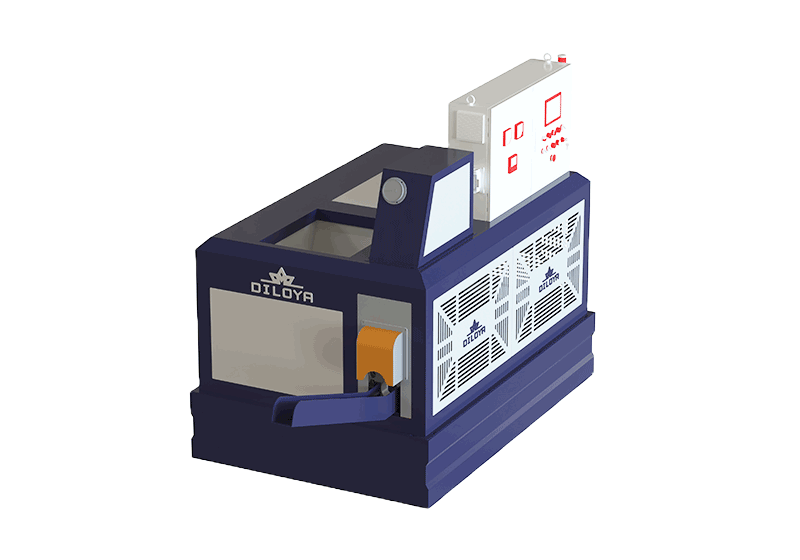
Integrated Briquetting Press
The DILOYA Integrated Briquetting Press combines chip feeding, hydraulic compaction, briquette discharge and coordinated controls in one metal-chip recovery system. It turns sorted aluminium, copper, brass, cast-iron and other suitable machining chips into compact briquettes for easier handling and recycling.
View details +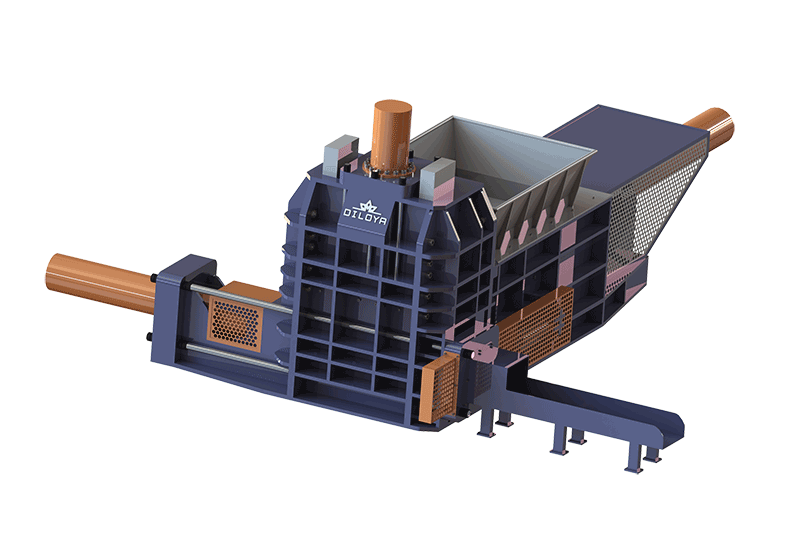
Three Rams Shear Baler
The DILOYA Three Rams Shear Baler combines staged hydraulic compression, shearing and bale discharge to turn loose metal scrap into compact, uniform bales for recycling, storage and transport.
View details +Customer Cases
View all cases + Big Output Horizontal Briquetting Line
A Russian iron chip briquetting project with a reported output of 4,000–6,000 kg/hour and briquette density of 5,000 kg/m³, supporting organised handling, storage and recycling.
View case + Double Outlet Aluminium Chip Briquetting Press In Greece
A Greek customer requires 600–800 kg/hour aluminium chip processing. The recommended double-outlet press uses PLC automation, with a stated rate of 5–6 briquettes/minute.
View case + Aluminium Chips Briquetting Machine
A Thai customer's 6061 aluminium chip briquetting project with reported output of 1,000–1,500 kg/hour, density above 2,000 kg/m³ and industrial oil cooling.
View case +Leave A Message
Let's Figure Out The Best Solutions!
Tell us what you need.
Share your material, target hour capacity and other requirements. Our engineering team will reply with a suitable solutions.