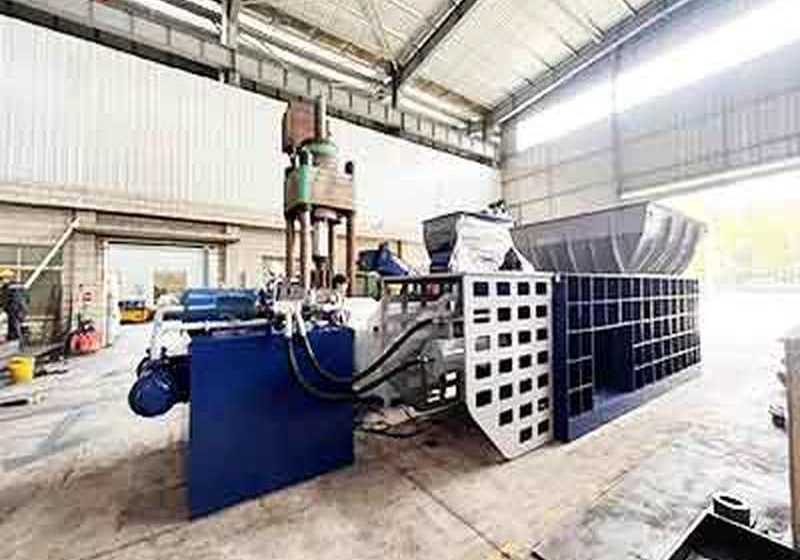
Horizontal Grid Shear
High-Throughput Grid Shear for Waste Plastic Film
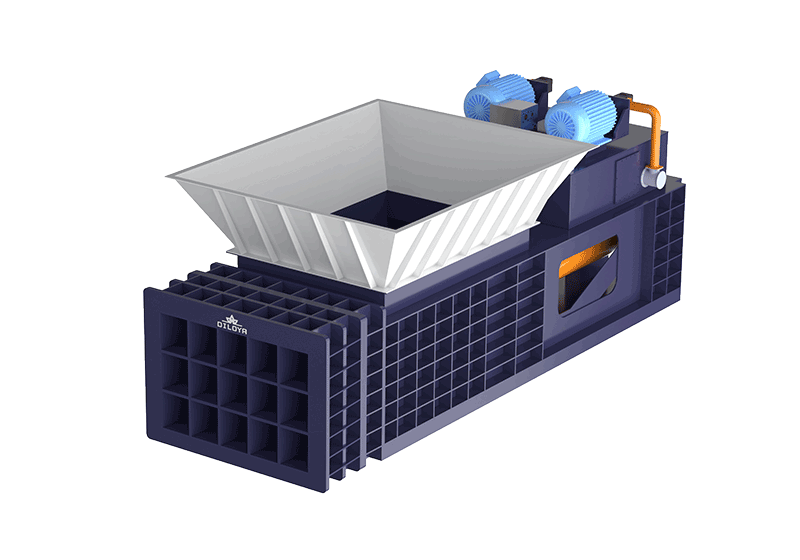
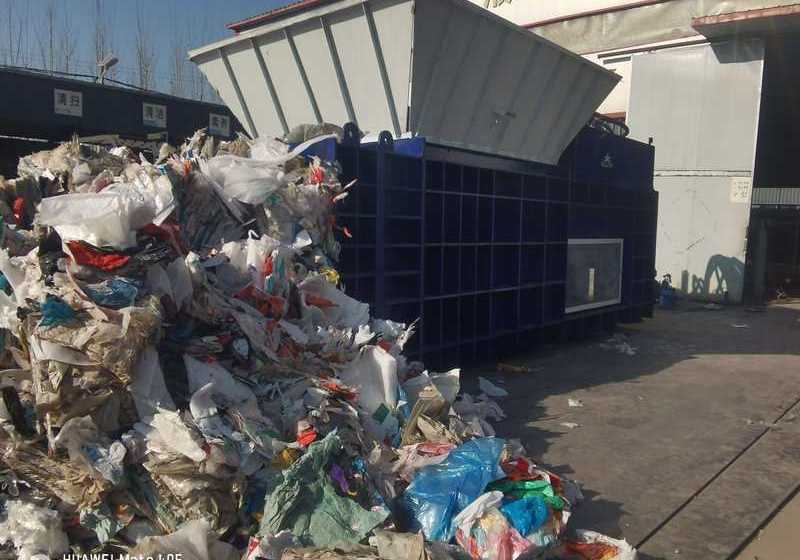
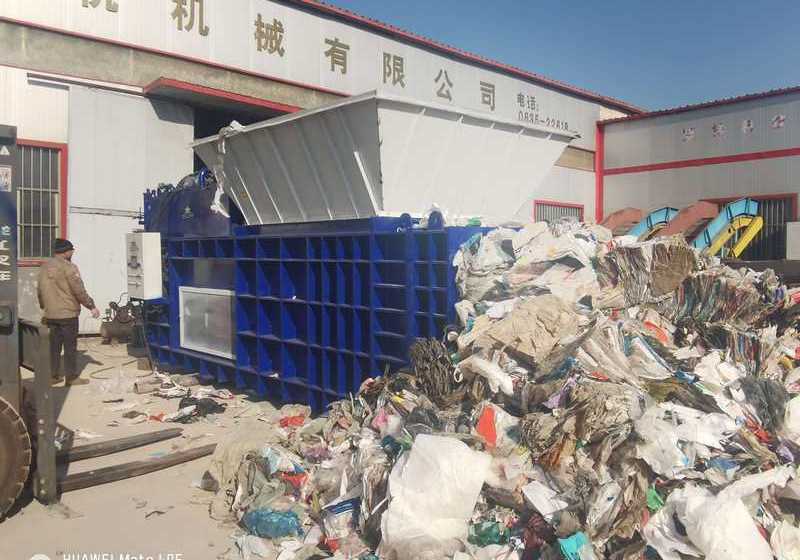
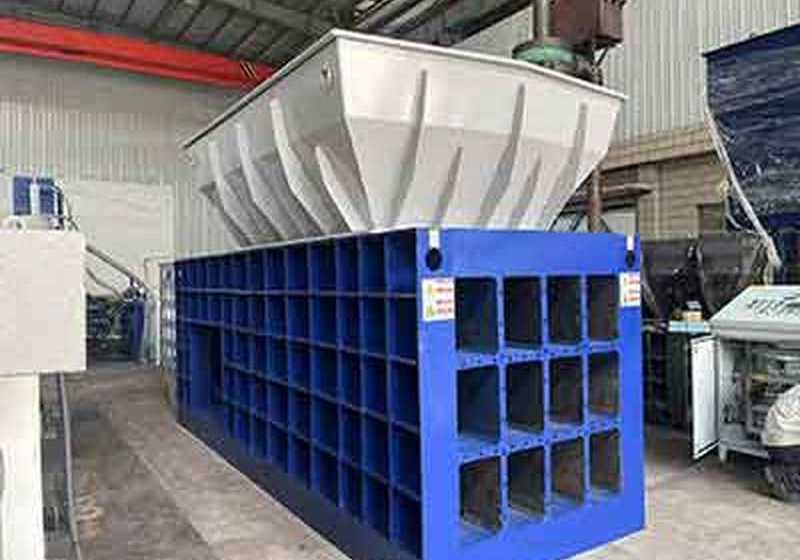
The DILOYA Horizontal Grid Shear is designed to cut bulky waste plastic film and agricultural mulch film into pieces suitable for the next recycling step. Its grid-style cutting arrangement supports high-volume processing of lightweight, flexible feedstock. Output size and hourly throughput depend on film type, contamination, feeding consistency and the chosen machine configuration; this is not a heavy steel scrap shear.
- Design
- Horizontal Design
- Output Capacity
- 5-20tons Per Hour
- Application
- Waste Plastic Films
- Control
- PLC automatic control
- Power supply
- Customized
- Motor Power
- 22-90kw
Description
The DILOYA Horizontal Grid Shear is a cutting machine for lightweight, flexible plastic feedstock, particularly post-use film and agricultural mulch film. Such materials can be bulky, tangled or difficult to meter into a downstream line. The horizontal feed path and grid-style cutting section reduce the film to a more manageable piece size for the next processing stage. It is designed around film behavior, not around the heavy metal scrap handled by the other Hydraulic Shear products.
1> Role in a Film-Recycling Line
Prepared film is fed at a controlled rate, enters the cutting zone and exits in pieces sized for the specified downstream equipment. The next step may be sorting, washing, drying, size reduction or another recycling operation, depending on the plant design. The target cut size should be agreed with the downstream process rather than assumed from a generic machine setting.
2> Feedstock and Output
Waste packaging film and agricultural ground-cover film can vary in thickness, moisture, dirt, soil, crop residue and degree of entanglement. These factors affect feeding, wear, cut consistency and actual throughput. The machine can be engineered for substantial hourly production, but a specific tonnes-per-hour figure must be verified from material samples, feed preparation, motor power and the complete line design.
3> Specify the Line
DILOYA should assess film type, bulk density, contamination, desired output dimensions, target hourly volume, loading method and downstream machine requirements. Grid geometry, blade arrangement, drive, controls, wear protection and maintenance access can then be selected for the application. Guards, dust control and safe cleaning procedures should be included in the plant plan.
Advantage
> Film-specific cutting: designed for flexible plastic and agricultural mulch film rather than heavy steel.
> Downstream-ready size: grid cutting can prepare pieces for a defined next process.
> High-throughput potential: feed and cutting systems can be sized for large film streams.
> Controlled horizontal feeding: supports a planned material flow through the cutting zone.
> Configurable output: grid and blade choices can be matched to film condition and target piece size.
> Line integration: can be specified with suitable upstream handling and downstream sorting or washing equipment.
Parameter
Please find below specification of different models:
| Model | HAS150 | HAS200 | HAS250 | HAS300 |
|---|---|---|---|---|
| Chamber Size | 1600x900x900mm | 1800x1200x900mm | 2000x1200x1200mm | 2500x1500x1200mm |
| Hopper Size | 2200x1400mm | 2600x1800mm | 2800x1800mm | 3200x2400mm |
| Cutting Force | 1500kn | 2000kn | 2500kn | 3000kn |
| Motor Power | 30kw | 2x22kw | 2x30kw | 2x37kw |
| Control | PLC Control | PLC Control | PLC Control | PLC Control |
| Cooling System | Oil Chiller/Water Cooling | Oil Chiller/Water Cooling | Oil Chiller/Water Cooling | Oil Chiller/Water Cooling |
We can customize the baler machine according to your special requirements.
Application
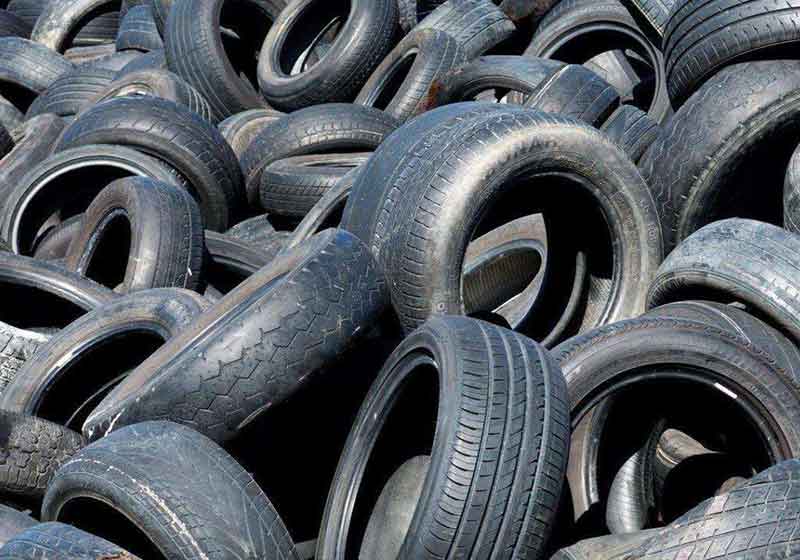
The DILOYA HAS Series Horizontal gid cutter mainly cut below materials:
FAQ
How do I choose the right recycling process for my material?+
The right process is the one that produces a material your next customer or production stage can use. Bulky offcuts intended for transport need a different route from oily machining chips intended for remelting. Define that destination first, then work backwards through sorting, size reduction and compaction. How to Choose a Metal Chip Briquetting Line for a Small CNC Machine Shop illustrates why the upstream chip condition matters as much as the final press.
Baling, shearing, shredding and briquetting solve different handling problems. Send representative photos or samples and the buyer's acceptance requirements so the proposed process can be matched to both the incoming waste and its next use.
How should I calculate the capacity my operation needs?+
Calculate demand from accepted processed mass divided by genuinely available production time. Then check peak accumulation separately: a line may meet the daily average yet fall behind during the busiest shift. Do not add an arbitrary safety margin before finding whether feeding, preparation or discharge is the real constraint. For chip-processing projects, How to Choose a Metal Chip Briquetting Line for a Small CNC Machine Shop explains the whole-line approach.
Example: processing 8 tonnes in 8 genuinely available production hours requires an average of 1 tonne/hour. If only 6 hours remain after the necessary tasks and interruptions, the required average during those hours is higher. These values illustrate planning, not a machine rating.
Use realistic measured availability and identify whether the proposed capacity includes all required handling stages.
Also consider the complete line. A fast press cannot compensate for an undersized shredder, slow bag placement or restricted discharge. State both average demand and peak accumulation so working buffers and sustained capacity can be selected sensibly.
What does automatic operation include?+
“Automatic” should describe a defined sequence, not suggest that nobody needs to supervise the equipment. Ask what happens from arrival of the raw material to removal of the finished package, including what the operator must do between cycles. The strongest comparison is a task-by-task sequence with clear handover signals and recovery procedures, not simply the presence of a PLC.
- Material arrival: who loads the trolley, hopper or conveyor?
- Processing: which machine cycles run automatically?
- Packaging: are weighing, bag placement, tying and closing included?
- Removal: who clears the finished package?
- Exceptions: who handles material changes and alarms?
Request a sequence description identifying operator actions and equipment interfaces. Sensors, interlocks, conveyors and upstream or downstream controls should be listed in the agreed scope. Automation reduces selected repetitive tasks but does not remove the need for trained supervision and maintenance.
Can wet or contaminated material be processed?+
Wet or contaminated feed must be assessed by its actual composition and intended destination. Surface coolant, rainwater and abrasive dirt create different problems, even if all three are described as “dirty material”. Compaction does not by itself clean the feed. Where machining-fluid removal is needed, Centrifugal Dryer is a relevant stage to evaluate rather than assuming the press performs full separation.
A separation, drying or sorting stage may be appropriate, but should be selected for an identified problem. Do not assume baling or briquetting removes all contaminants or makes material acceptable to a buyer without checking the final specification.
Can new equipment be connected to an existing production line?+
Connecting equipment requires matching real operating interfaces, not just catalogue capacities. Check feed condition, transfer heights, available buffering and what each machine does when the next stage is unavailable. Storage Screw Hopper is relevant when intermittent upstream delivery must be buffered, but a hopper cannot correct a permanent capacity mismatch.
Responsibility for interfaces should be clear. The agreed design must identify conveyors, buffers, sensors and control changes needed for coordinated operation. Retrofitting should not compromise existing protective functions or assume an unverified machine can accept a new feed condition.
Related products
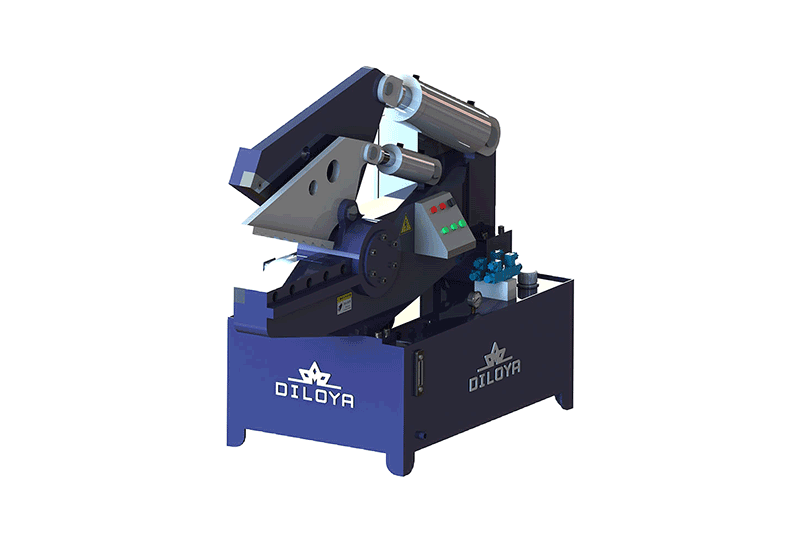
Integrated Alligator Shear
The DILOYA Integrated Alligator Shear refines the conventional alligator-shear arrangement into a more compact, coordinated machine package. It cuts suitable scrap bars, profiles, tubes and production offcuts while reducing the installation space and external component layout required by a traditional setup. The exact integrated functions and cutting range depend on the selected model.
View details +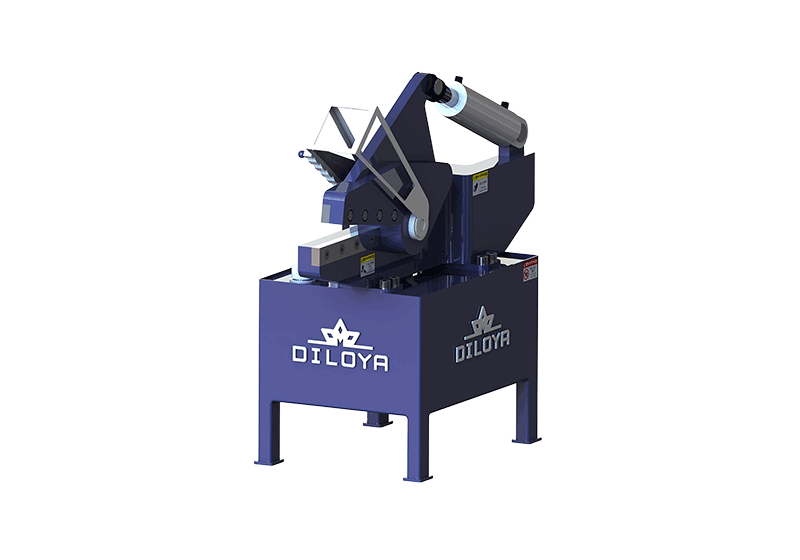
Mini Alligator Shear
The DILOYA Mini Alligator Shear is a compact, movable hydraulic cutting machine for light and relatively thin scrap. It helps workshops and collection points cut small-diameter cable and wire, aluminium profiles, copper tube and other suitable non-ferrous offcuts into manageable lengths. The machine is selected according to material cross-section, wall thickness and cutting-force requirements.
View details +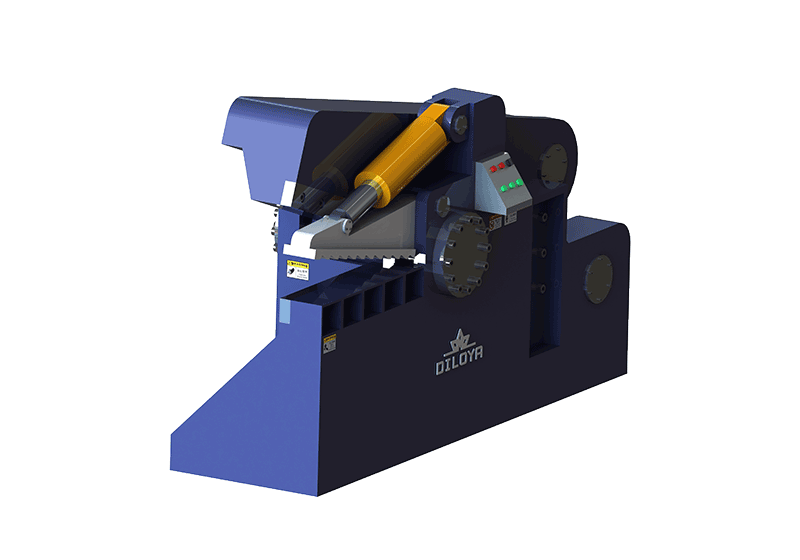
Alligator Shear
The DILOYA Alligator Shear is a conventional hydraulic pivot-jaw scrap cutter built for stable, repeatable cutting of suitable metal sections. Its robust frame and straightforward cutting arrangement serve scrap yards, fabrication shops and recycling operations preparing bars, pipes, profiles and offcuts for the next handling or processing stage.
View details +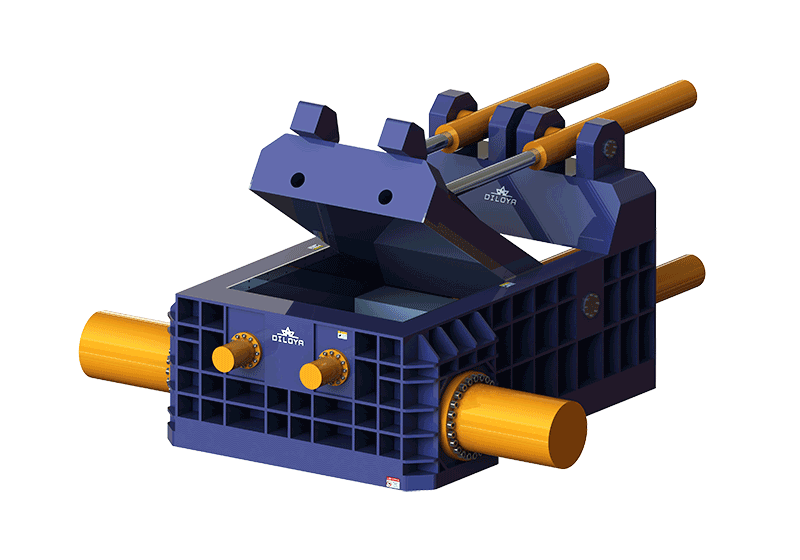
Heavy Duty Metal Baler
The DILOYA Heavy Duty Metal Baler uses two main hydraulic cylinders to compact bulky scrap metal into dense, rectangular bales. Finished bales are removed by grab for storage, loading and downstream recycling.
View details +Customer Cases
View all cases + Alligator Shear For Aluminium Ingot Cutting In South Africa
A South African customer uses a conventional Alligator Shear for aluminium ingots, with reported output of 800–1,000 kg/hour and 8–12 cutting strokes/minute.
View case + Double Outlet Aluminium Chip Briquetting Press In Greece
A Greek customer requires 600–800 kg/hour aluminium chip processing. The recommended double-outlet press uses PLC automation, with a stated rate of 5–6 briquettes/minute.
View case + Wood Shavings Animal Bedding Bagging Baler In Estonia
Estonian customer uses a PLC-controlled bagging baler for wood shavings and alfalfa hay, with stated output of 200 bags per hour for bedding and forage packaging.
View case +Leave A Message
Let's Figure Out The Best Solutions!
Tell us what you need.
Share your material, target hour capacity and other requirements. Our engineering team will reply with a suitable solutions.