Hopper-Fed Can Baler
Explore hopper-fed can balers for collecting and compacting loose aluminium cans. Compare hopper loading, conveyor integration and discharge arrangements.
Related Applications
View all applications +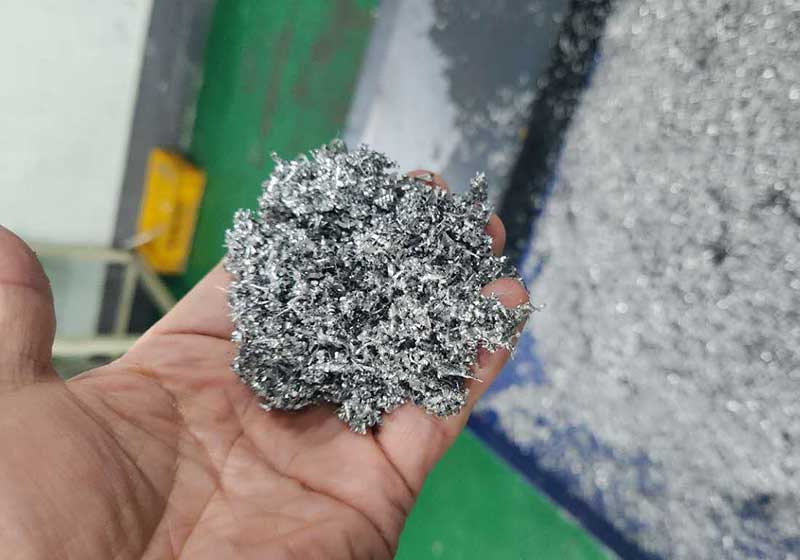 Aluminium Chips
 are precision-processed from pure aluminum and aluminum alloy via CNC turning and milling. Strictly sorted, cleaned and dried, these chips feature uniform shape, low oxidation and zero sundry impurities. As premium recycled aluminum raw materials, they deliver stable metallurgical and physical properties, ideal for aluminum smelting, alloy production, chemical processing and thermal conduction applications with high cost performance.
View application +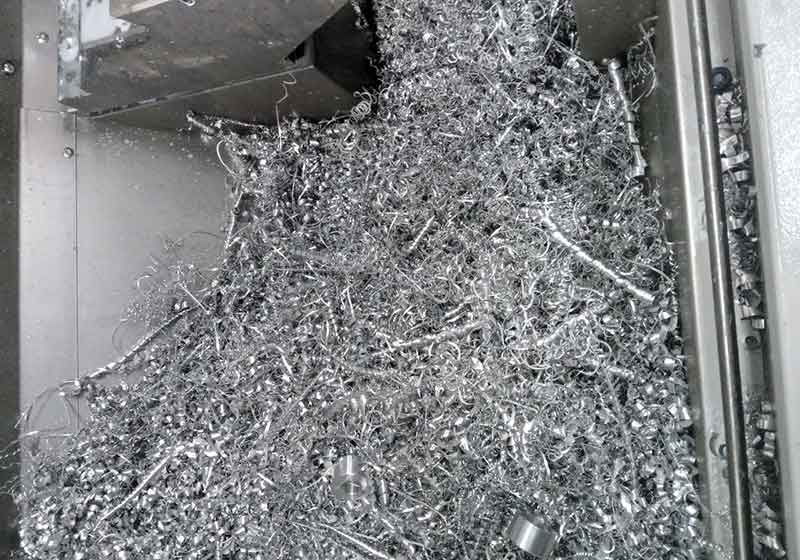 Aluminium Turnings
 are lightweight, spiral-shaped metal chips generated during machining, drilling and milling. DILOYA briquetting and baling systems compact loose turnings into dense, manageable blocks, helping reduce storage volume, improve transport efficiency and support aluminium recovery.
View application +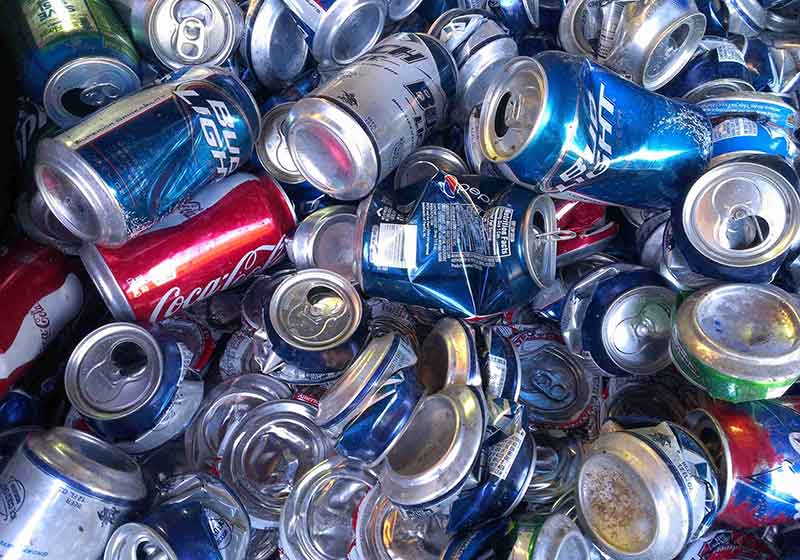 Aluminium UBC
 consists of lightweight used beverage cans collected from municipal, commercial and deposit-return streams. DILOYA hydraulic UBC balers compress sorted cans into dense, stable and stackable bales for efficient storage, economical transport and consistent delivery to aluminium can recycling and remelting plants.
View application +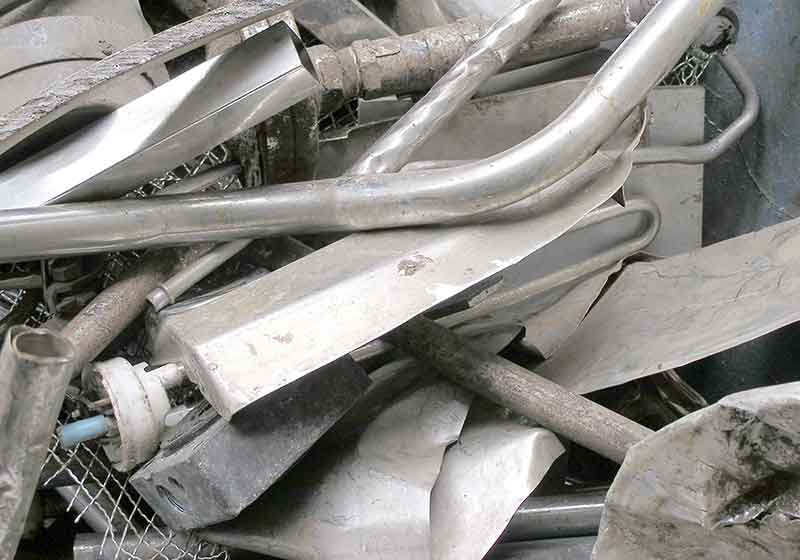 Stainless Steel Scrap
Stainless steel scrap includes sorted sheet offcuts, press skeletons, wire, mesh and light fabrication remnants. DILOYA hydraulic metal balers compress this valuable but bulky material into dense, stable bales while supporting grade separation, safer handling, compact storage and efficient shipment to stainless recyclers and melting plants. This application is intended for baling only.
View application +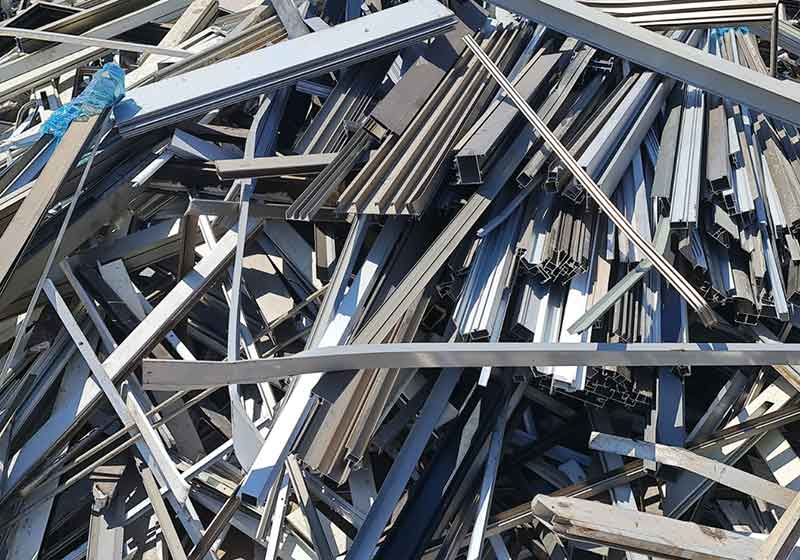 Aluminium Profiles
Aluminium profiles and extrusion offcuts are long, hollow and difficult to stack efficiently. DILOYA hydraulic metal balers compress window frames, structural sections and production offcuts into dense, stable bales for safer handling, lower storage and transport costs, and consistent delivery to aluminium recyclers and remelting plants.
View application +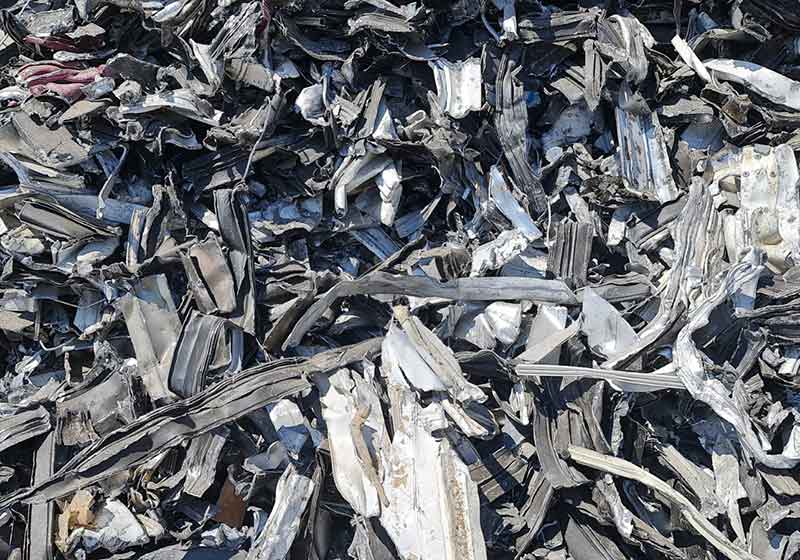 Aluminium Scrap
General aluminium scrap includes sheet offcuts, stampings, thin-gauge trimmings and mixed clean production pieces. DILOYA hydraulic aluminium scrap balers compress this loose material into dense, stable bales for efficient storage, safer handling, economical transport and consistent delivery to recycling and remelting plants.
View application +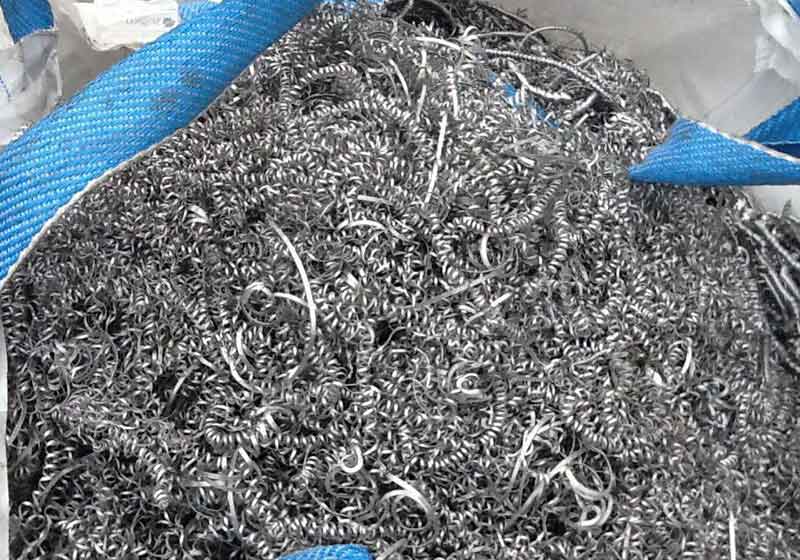 Steel Shavings
Steel shavings are long, curled machining residues that interlock into bulky nests and retain cutting fluid. DILOYA can compress foldable shavings directly into rectangular transport bales, or shred long tangled nests into short uniform feed before hydraulic briquetting. Process selection depends on shaving geometry, fluid content, required density and downstream furnace specifications.
View application +Customer Cases
View all cases + Automatic Aluminium UBC Shear Baler
A three-cylinder automatic shear baler for an Indonesian Aluminium UBC recycling customer, with a reported processing capacity of 900–1,100 kg/hour.
View case +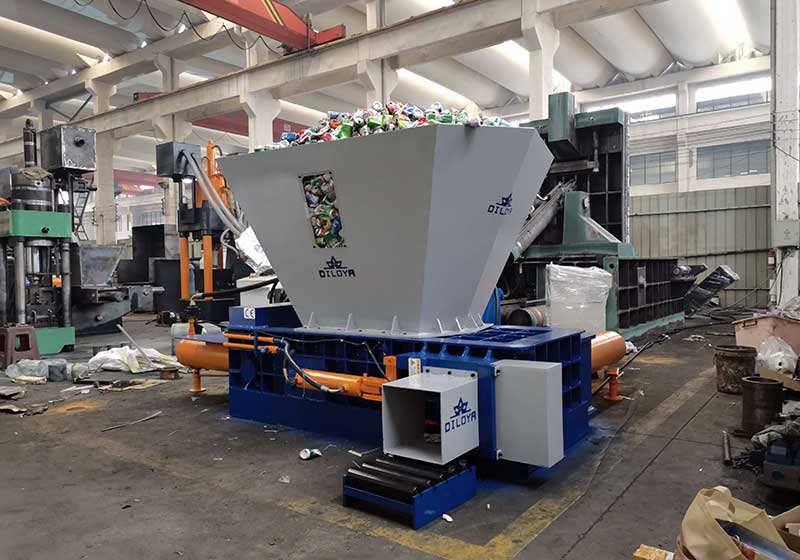 Aluminium Can Baler For Sale In Turkey
A Turkey-focused can baler procurement brief covering supply scope, buyer bale requirements and installed-cost comparison. Final project data are pending.
View case +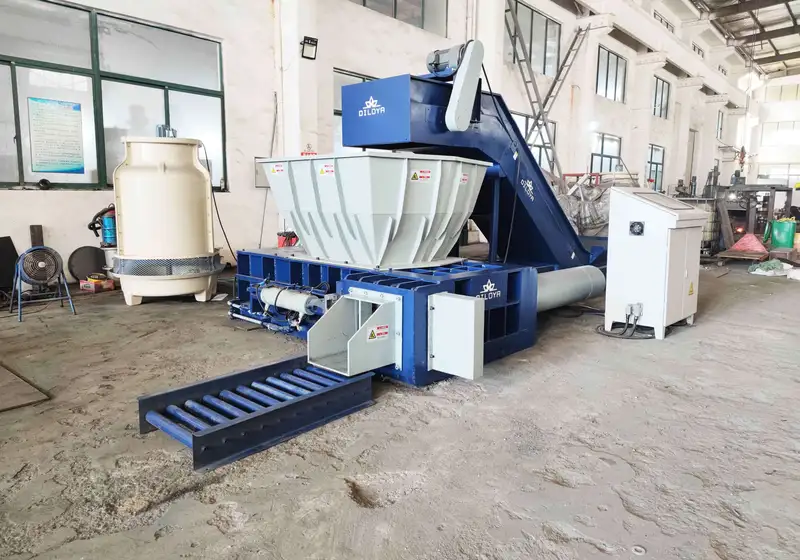 Aluminium Can Baling Machine For Recycling Plants In India
An India-focused aluminium can baling project brief covering batch collection, material preparation, feeding and bale acceptance. Project specifications are pending.
View case +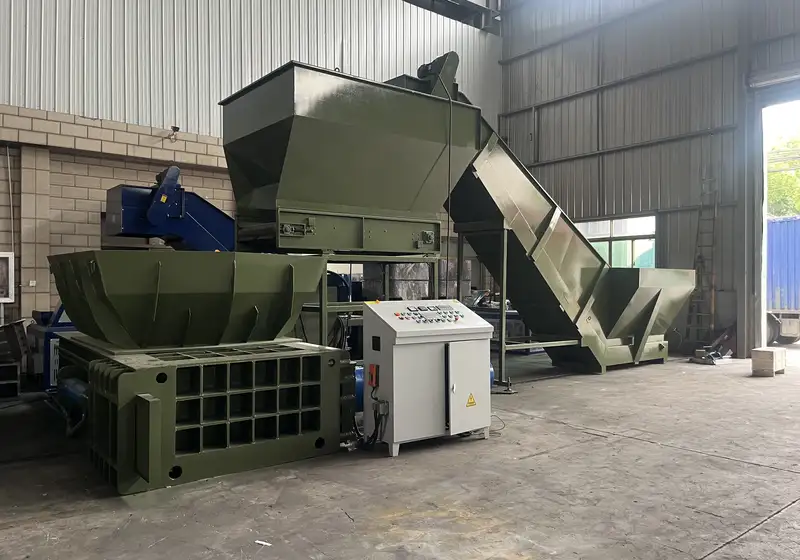 Aluminum UBC Baler For Recycling Operations In The United States
A United States UBC baler planning brief covering line integration, output acceptance and equipment interfaces. Model, capacity and customer photographs are pending.
View case +Solutions
View all solutions +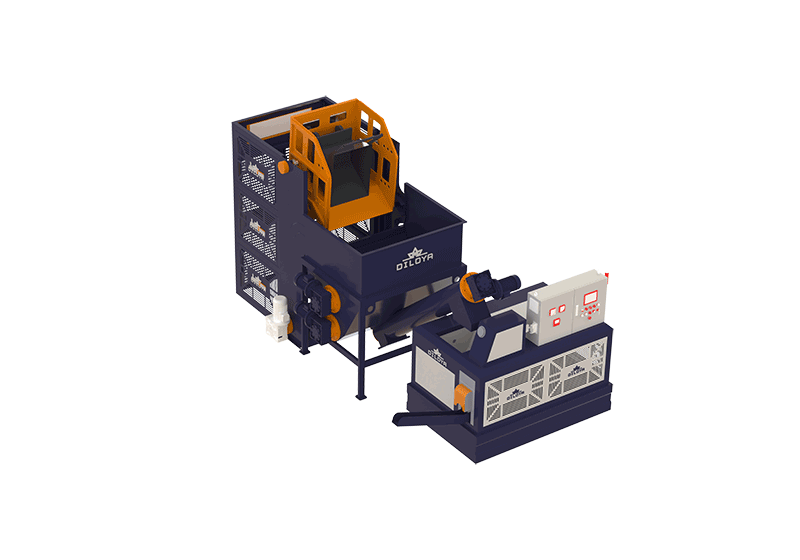 Integrated Auto Metal Chips Briquetting LineAn integrated metal chip briquetting line combining automatic trolley lifting and tipping, a large screw-equipped buffer hopper, screw conveying and hydraulic briquetting. Operators push a loaded chip trolley into the lifting station; the system tips the chips into the hopper and feeds them to the press. The compact, highly integrated layout reduces repeated manual handling and supports coordinated automatic operation.
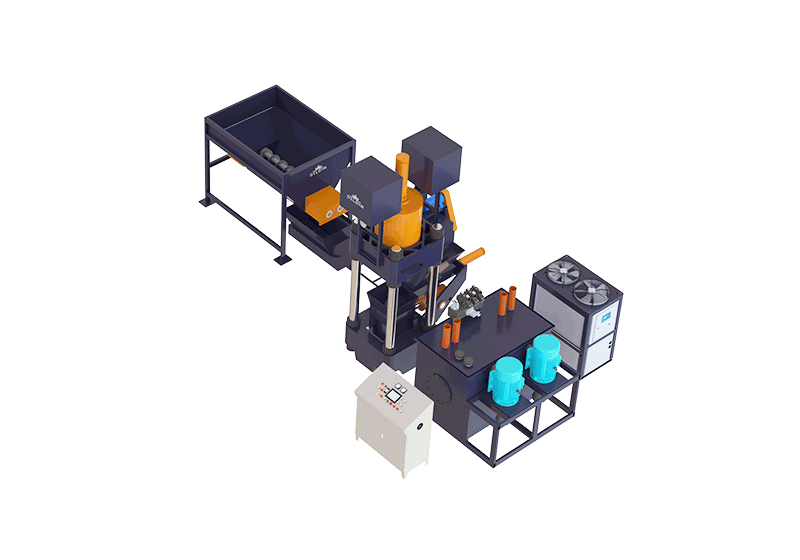 Short Metal Chips Briquetting SolutionAn automated briquetting line for free-flowing copper rice, copper granules, aluminum granules and suitable cast iron chips. A large screw-equipped buffer hopper reduces loading frequency and feeds the hydraulic briquetting machine through a coordinated screw system. With suitable material and a matched configuration, production capacity can reach 2–3 tonnes per hour.
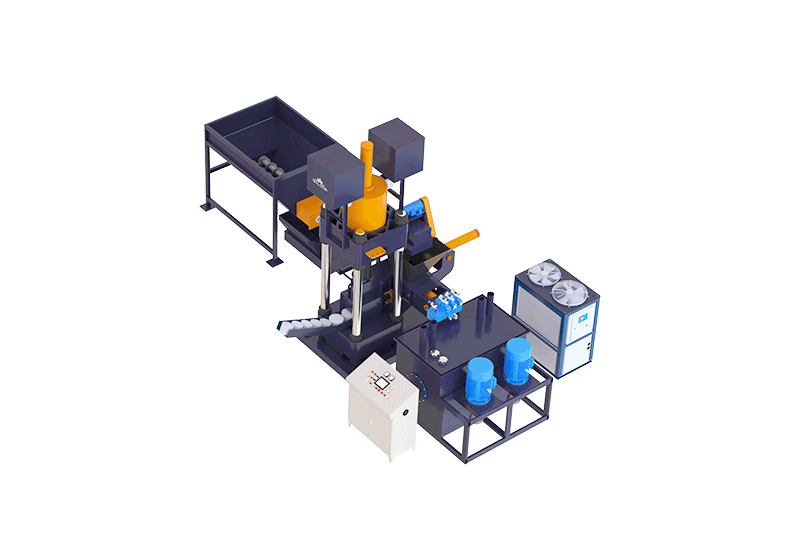 Aluminium Chips Briquetting LineA hopper-fed briquetting line for fluffy, low-bulk-density aluminium, copper and brass chips, as well as suitably shredded steel chips. The press incorporates pre-compression to accommodate a larger loose charge before final pressing, helping increase briquette weight and mass output. A large screw buffer hopper reduces loading frequency and supports coordinated automatic feeding.
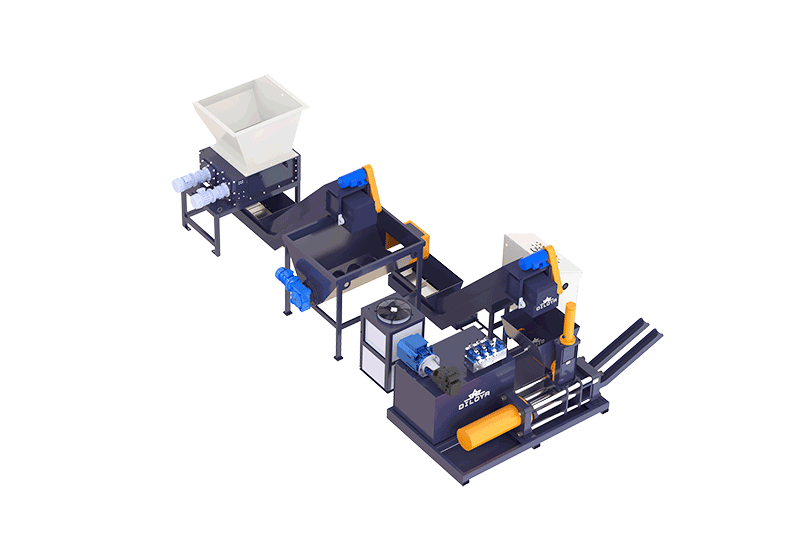 Auto Metal Shavings Shred-Briquetting LineAn automated metal-shavings line integrating four-shaft shredding, an optional sizing screen, a large screw buffer hopper and a servo-controlled dual-outlet briquetting press. The hopper buffers shredded material for coordinated feeding. The compact system supports high-output operation, with approximately 5–6 finished briquettes per minute in a suitable configuration and energy-conscious servo control.
FAQ
How do I select the charging-chamber size?+
Size the chamber around how the scrap actually arrives. A large sheet skeleton may bridge an opening even when its weight is low, whereas short offcuts may fill efficiently. Check the useful loading envelope, batch presentation and bale specification together. How to Match Material Size, Press Chamber Dimensions and Bale Requirements When Selecting a Metal Baler? develops this selection problem beyond nominal chamber dimensions.
- Largest normal scrap dimensions and awkward shapes.
- Loading-machine reach and batch size.
- Useful chamber volume for bulky material.
- Preparation needed for oversized pieces.
- Finished-bale dimensions and the pressing sequence.
Consider the loading machine, typical batch size and whether incoming pieces require preparation. A large chamber may reduce loading frequency, but it must be matched to pressing force, cycle time and the required bale. Send maximum dimensions as well as average feed size.
What should be considered for aluminium UBC baling?+
For aluminium UBC, define the can condition and the buyer's bale requirement before choosing automation or capacity. Loose cans create a high-volume feeding duty; residual liquid and mixed containers also affect the process. Automatic Aluminium UBC Shear Baler documents one Indonesian project, but its reported output is not a rating for every UBC stream.
The buyer may specify bale size, density, packaging and cleanliness. Match the baler and any conveyor to those requirements. A can-baling line does not replace upstream sorting, and mixed containers or unsuitable contaminants should not be assumed acceptable.
How should metal-baler throughput be measured?+
Metal-baler throughput is accepted bale mass divided by representative elapsed production time. State whether that time includes loading and collection, and retain information about interruptions. A fast ram stroke can coexist with low yard output if the chamber waits for scrap or finished bales cannot be removed.
- Record the actual incoming scrap and target bale.
- Time a representative production period.
- Weigh accepted completed bales.
- Include the loading and collection tasks agreed for the test.
- Report interruptions rather than deleting them from the result without explanation.
A short no-load cycle or peak ram speed does not represent sustained tonnes per hour. Mixed scrap, inconsistent loading and collection delays can change output. Agree the measurement boundary before comparing machine performance.
What is the role of a hopper-type shear baler?+
A hopper-type shear baler should be assessed as a particular feeding, cutting and compaction sequence. Its usefulness depends on how the scrap enters and what must happen before a stable package can be discharged. Hopper Type Shear Baler provides configuration context, not a general cutting permission for unknown solid sections.
Confirm the approved scrap size, cutting duty and finished-product requirement for the proposed model. Do not assume a shear-baler can cut every solid object or substitute for a heavy scrap shear regardless of section strength.
Which documents should be confirmed before shipment?+
Confirm documents against the supplied configuration before shipment. A generic brochure does not replace the model-specific manual, arrangement drawing, parts identification or agreed test records. If import or certification documents are required, state the destination and requirement explicitly, including language and format, so missing items can be resolved before dispatch.
If your project has certification or import-document requirements, identify them explicitly and have them checked for the destination. Do not infer a particular approval from a general website statement. The final document package should correspond to the actual supplied machine configuration.
Hopper-Fed Can Balers for Loose Can Processing
A hopper-fed can baler receives loose cans through a loading hopper before hydraulic compaction. The hopper provides an interface between can collection and the press; conveyors and upstream equipment must be selected to match the actual material flow. Hopper feeding describes the loading arrangement and does not, by itself, specify a guaranteed hourly output.
Match the hopper to the incoming material
Review the can size and condition, loose bulk density, contamination level, delivery batch size and peak incoming volume. Hopper geometry and the selected feeding method should help the material enter the chamber consistently. Operators must follow the machine manual for blockages and isolation; reaching into a live hopper is not an acceptable feeding method.
Review the existing Big Hopper Automatic UBC Shear Baler, Hopper Feed Aluminium Cans Baler and Hopper Type Shear Baler pages to compare available layouts. The cards above link to these original product records; they are not newly invented models.
Integrate loading, baling and collection
Confirm conveyor access, loading height, floor space, inspection access and the collection method for finished bales. Coordinate upstream supply with the press cycle and downstream handling instead of evaluating the hopper in isolation. For automatic UBC processing see Automatic UBC Baler; for a hydraulic-system comparison see Hydraulic Can Baler. Final capacity and bale properties depend on material and configuration and should be confirmed for the project.
Leave A Message
Tell us what you need.
Share your material, target hour capacity and other requirements. Our engineering team will reply with a suitable solutions.