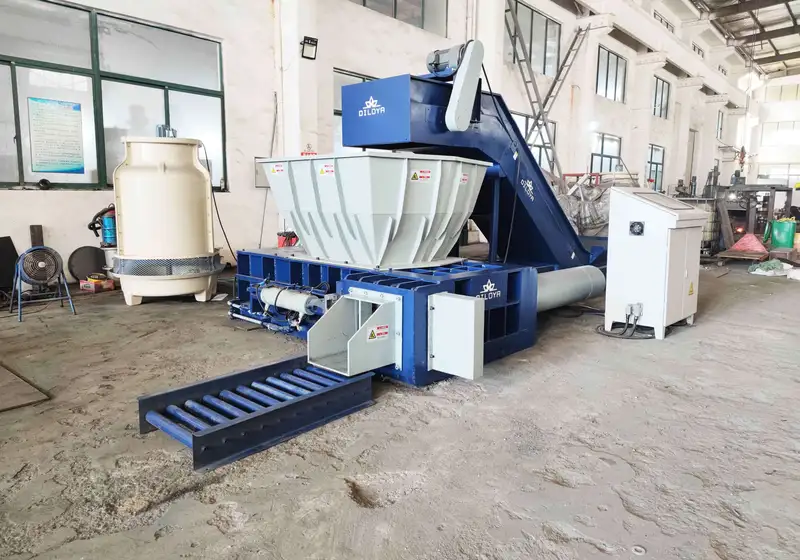
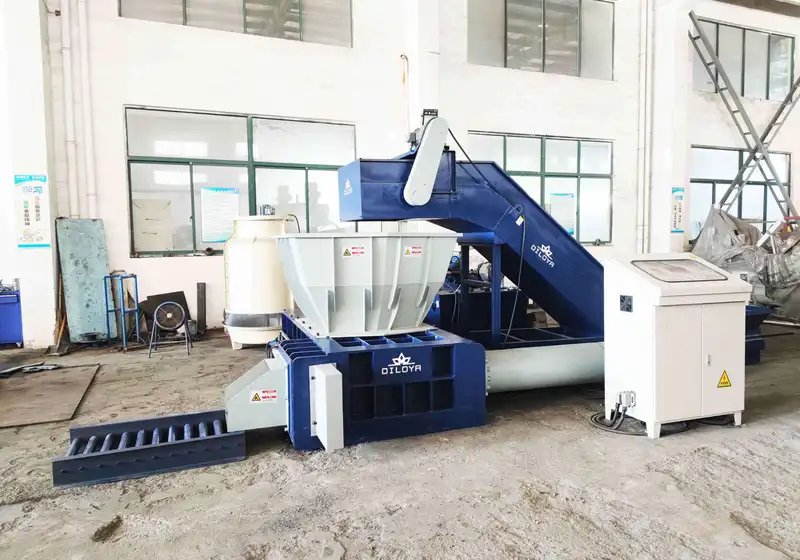
Hopper Feed Aluminium Cans Baler
Hopper-Fed Hydraulic Baling For Aluminium Used Beverage Cans
Hopper-fed hydraulic baler for compacting prepared aluminium beverage cans into manageable bales for organised recycling, storage and transport.
- Place of Origin
- China
- Brand
- Diloya
- Hydraulic Power
- 1250-4000kn
- Motor Power
- 37-110kw
- Bale Weight
- 40-300kg
- Warranty Time
- 1 Year
Description
Hopper-Fed Baling For Aluminium Beverage Cans
The DILOYA Hopper Feed Aluminium Cans Baler compacts prepared aluminium used beverage cans into manageable bales for recycling. Its hopper provides a receiving point between loose-can collection and hydraulic compression, helping connect incoming material with the baling process.
Loose cans are bulky and difficult to organise in their uncompressed form. Baling turns the prepared material into packages that can be collected, identified and moved through a planned storage and transport workflow. Finished-bale requirements should be agreed with the receiving recycler before selecting the machine configuration.
Match Feeding To The Working Cycle
Specify the hopper around actual can condition, loose bulk volume, routine delivery batches and loading access. Where conveyor feeding is required, the transfer height, delivery rate and control interface need to match the press and the available receiving space. A hopper alone does not establish continuous feeding or a guaranteed hourly output.
The complete workflow includes feed preparation, loading, compression, discharge and finished-bale removal. Representative material assessment helps determine whether the proposed arrangement suits the site's required production schedule.
Related UBC baling references include the Indonesian automatic aluminium UBC shear-baler project and the Colombian big-hopper UBC shear-baler project. These are related application examples, not confirmation that this product has the same configuration or performance.
Advantage
A Defined Receiving Point For Loose Cans
Hopper feeding provides an interface for introducing prepared cans into the press. Its usefulness depends on matching the receiving geometry and loading method to how material actually arrives, rather than selecting by hopper size alone.
Hydraulic Volume Reduction
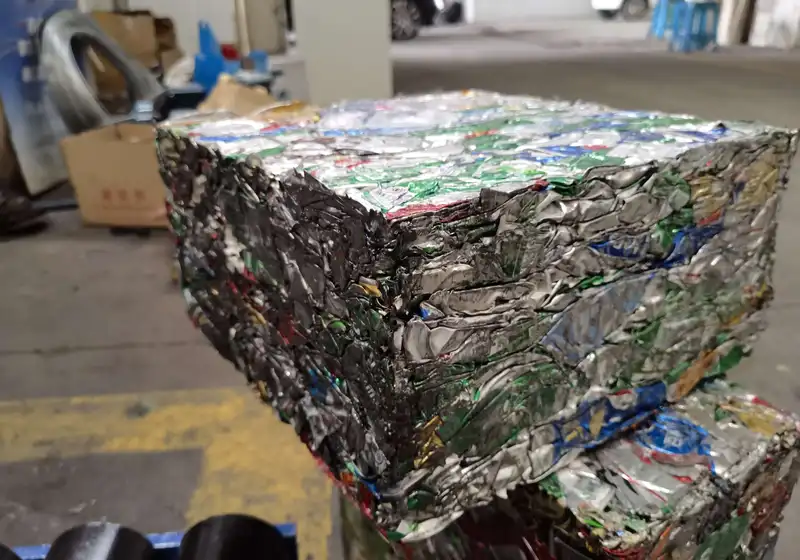
Hydraulic compression consolidates loose aluminium cans into defined packages. This supports organised bale handling and stock collection, with bale dimensions, weight and stability to be confirmed for the selected configuration and material.
Layout-Based Feeding Integration
The feeding arrangement can be evaluated alongside upstream collection or conveying equipment. Coordinating material delivery with hopper availability helps avoid overfeeding while allowing the press to receive the intended charge consistently.
Planned Discharge And Collection
Bale removal should be considered together with loading. Clear collection routes, suitable handling equipment and agreed weighing or identification steps help the complete operation work as a coordinated process.
Operation And Maintenance Access
Allow space for inspection, cleaning and servicing around the feed and discharge areas. Follow the supplied machine's guarding and energy-isolation procedures. Operators must not reach into a live hopper to clear bridged material or restore flow.
Parameter
Please find below specification of different models:
| Model | CMS125 | CMS160 | CMS200 | CMS250 |
|---|---|---|---|---|
| Chamber Size | 1400x700x300mm | 1500x1000x350mm | 1600x1200x400mm | 1800x1300x450mm |
| Bale Size | 300x300mm | 350x350mm | 400x400mm | 450x450mm |
| Bale Weight | Al:15-20kg Steel:20-40kg | Al:30-45kg Steel:75-100kg | Al:45-70kg Steel:115-150kg | Al:65-100kg Steel:150-200kg |
| Motor Power | 22kw | 37kw | 2x22kw | 2x37kw |
| Cycle Time | 60s | 60s | 60s | 60s |
| Control | PLC Control | PLC Control | PLC Control | PLC Control |
| Cooling System | Oil Chiller | Oil Chiller | Oil Chiller | Oil Chiller |
| Main Cylinder | 1250kn | 1600kn | 2000kn | 2500kn |
| Side Cylinder | 800kn | 1000kn | 1250kn | 1600kn |
| Lock Cylinder | 150kn | 150kn | 200kn | 200kn |
We can customize the baler machine according to your special requirements.
Application
The baler machine can press below materials:
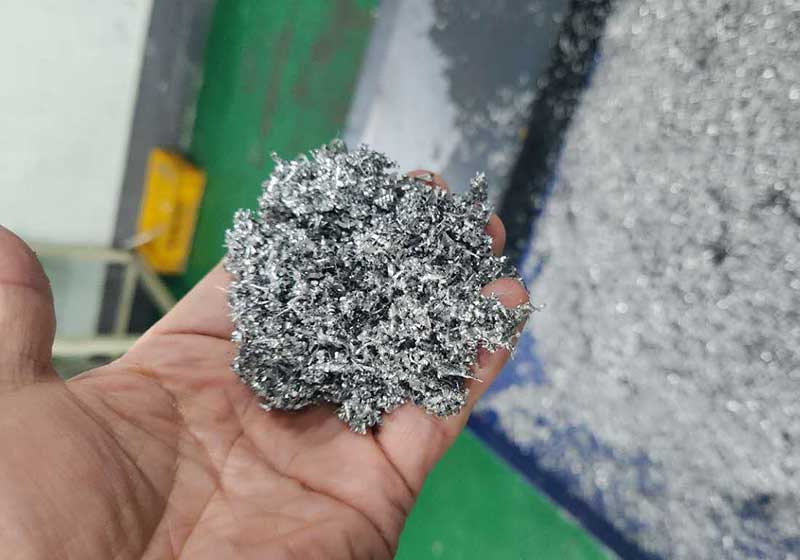
Aluminium Chips
Aluminium Chips are precision-processed from pure aluminum and aluminum alloy via CNC turning and milling. Strictly sorted, cleaned and dried, these chips feature uniform shape, low oxidation and zero sundry impurities. As premium recycled aluminum raw materials, they deliver stable metallurgical and physical properties, ideal for aluminum smelting, alloy production, chemical processing and thermal conduction applications with high cost performance.
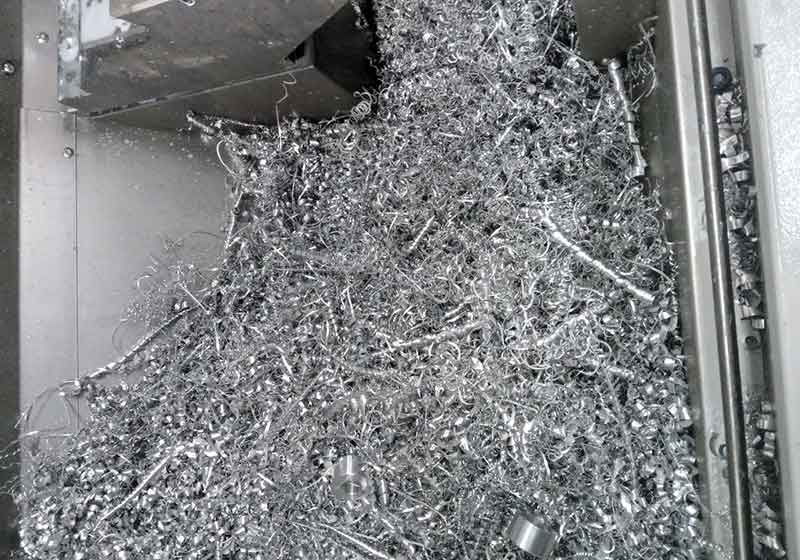
Aluminium Turnings
Aluminium Turnings are lightweight, spiral-shaped metal chips generated during machining, drilling and milling. DILOYA briquetting and baling systems compact loose turnings into dense, manageable blocks, helping reduce storage volume, improve transport efficiency and support aluminium recovery.
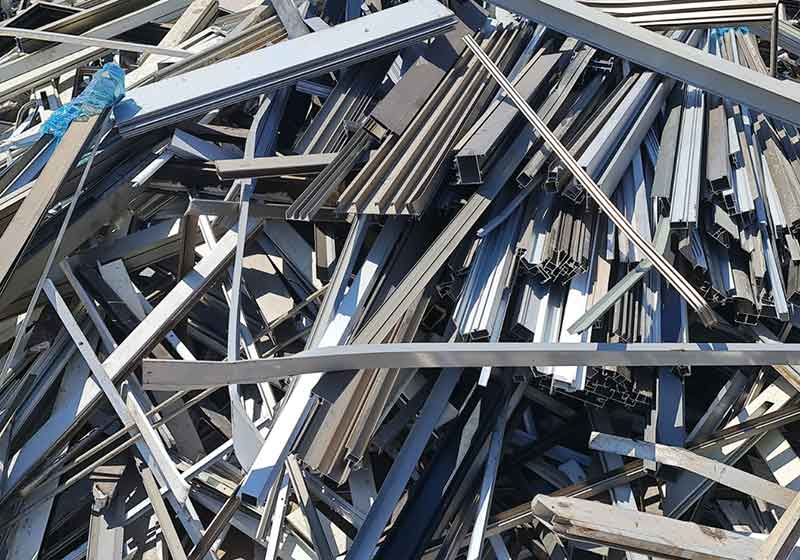
Aluminium Profiles
Aluminium profiles and extrusion offcuts are long, hollow and difficult to stack efficiently. DILOYA hydraulic metal balers compress window frames, structural sections and production offcuts into dense, stable bales for safer handling, lower storage and transport costs, and consistent delivery to aluminium recyclers and remelting plants.
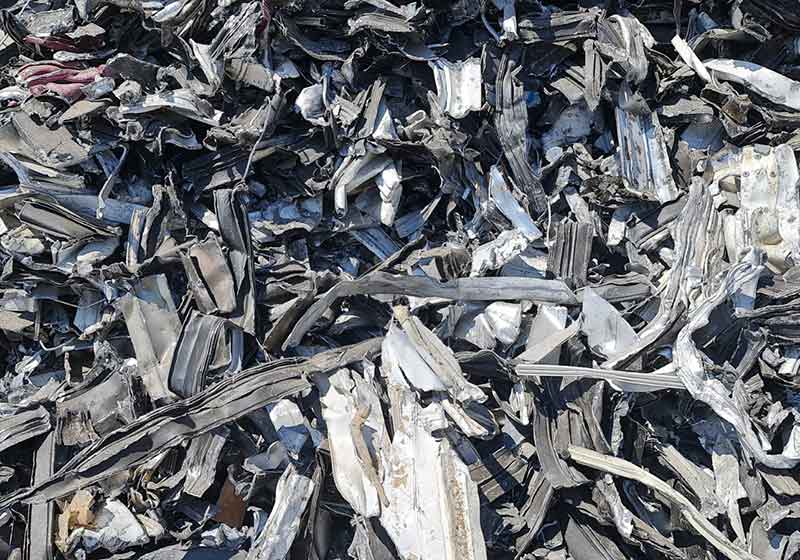
Aluminium Scrap
General aluminium scrap includes sheet offcuts, stampings, thin-gauge trimmings and mixed clean production pieces. DILOYA hydraulic aluminium scrap balers compress this loose material into dense, stable bales for efficient storage, safer handling, economical transport and consistent delivery to recycling and remelting plants.
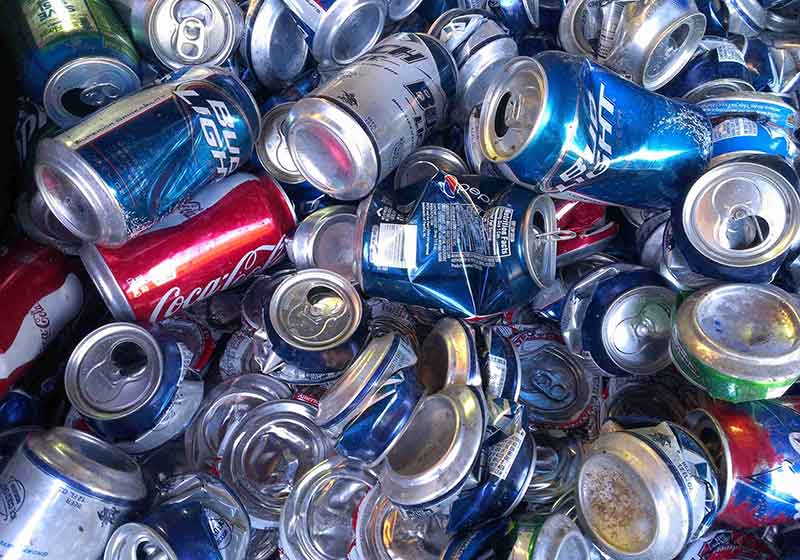
Aluminium UBC
Aluminium UBC consists of lightweight used beverage cans collected from municipal, commercial and deposit-return streams. DILOYA hydraulic UBC balers compress sorted cans into dense, stable and stackable bales for efficient storage, economical transport and consistent delivery to aluminium can recycling and remelting plants.
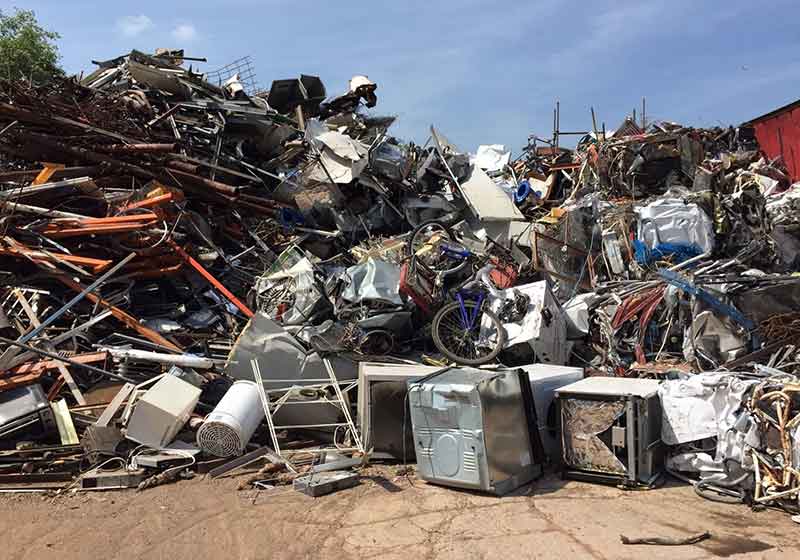
Light Scrap Metal
Light scrap metal includes thin-gauge steel sheet, press-shop offcuts, panels and other bulky ferrous pieces. DILOYA hydraulic metal balers compress this loose, springy material into dense rectangular bales for controlled storage, efficient loading and economical transport. This application is intended for baling only.
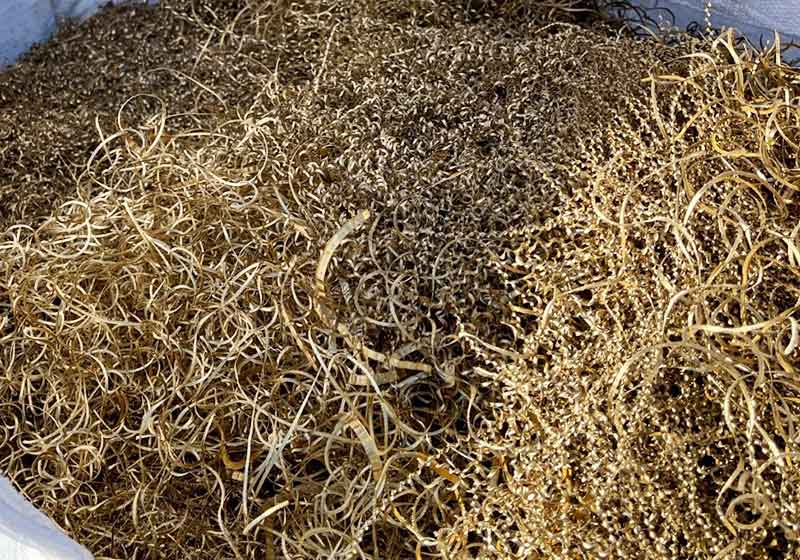
Brass Turnings
Brass turnings are long, curled machining residues that can form bulky, tangled bundles. DILOYA selects suitable preparation and hydraulic compaction for the material, including shredding before briquetting where required, with attention to alloy separation, retained fluid and the desired finished package.

Copper Turnings
Copper turnings are long, curled machining residues that form bulky, springy nests and may retain cutting fluid. DILOYA configures direct baling or shredding followed by hydraulic briquetting to produce manageable packages, with the process selected for the actual turning geometry, fluid condition and recycling requirements.
FAQ
When Is A Hopper-Fed Can Baler Suitable?+
A hopper-fed can baler is worth considering when cans arrive in repeatable loose-volume batches or through a conveyor and the process needs a receiving point between collection and compression. The hopper can provide a controlled interface, but its presence does not automatically make the line continuous or eliminate manual handling.
Size the receiving arrangement around the delivery pattern
Check the largest routine batch, loose bulk density, can condition and the intended loading method. A large hopper that receives material faster than the press can use it may overflow; an inconsistent supply can leave an otherwise capable press waiting. Hopper geometry and feeding behaviour should be assessed with representative cans rather than extrapolated from a nominal volume alone.
Compare Hopper-Fed Can Baler with the actual Big Hopper Automatic UBC Shear Baler and Hopper Feed Aluminium Cans Baler product pages. These references show different equipment options; final suitability still depends on material and layout. A small, irregular collection operation may instead prioritise simple batch loading, while another site may need a conveyor and coordinated controls.
Plan visibility, access control, spill management and maintenance space around the loading point. Never rely on workers entering or reaching into the hopper to keep material moving. If bridging or a blockage occurs, the response must follow the approved machine-specific isolation and clearing procedure.
What Conveyor Is Suitable For An Automatic UBC Baler?+
A suitable conveyor must deliver the required loose-can volume into the baler at a controllable rate. Belt width alone does not establish suitability. Assess can size, whether cans are loose or flattened, residual-liquid condition, contamination, delivery batches and the vertical and horizontal distance between collection and the receiving hopper.
Define the mechanical duty and the control interface
Conveyor type, surface, incline, side containment and any cleats should be selected for the actual material and route. The transfer point must avoid uncontrolled spillage and excessive drop-related disruption. Provide cleaning and inspection access, and confirm how liquids and loose debris will be managed rather than allowing them to accumulate beneath the line.
The feed rate needs coordination with the press cycle and available hopper space. Review the supplier’s level detection, start-stop logic, overload response and safeguarding interfaces. An upstream conveyor should not continue loading a stopped or full receiving point merely because the press itself has an automatic mode.
Compare Automatic UBC Baler and Hopper-Fed Can Baler when specifying the integrated arrangement. The Automatic Aluminium UBC Shear Baler case offers an example of a project application, not a universal conveyor specification. Ask for the proposed route drawing, design flow, drive and control scope, guarding boundaries and representative material-test results before approving the conveyor.
How To Choose An Aluminium Can Baling Machine?+
The best-fit aluminium can baling machine is the one that handles your actual material and produces an accepted bale within the available operating time. A larger press is not automatically a better choice if feeding, storage or bale collection remains the bottleneck.
- Material: identify aluminium beverage cans, steel cans or a mixed stream. Provide photographs, loose bulk density, residual-liquid condition and contamination information.
- Output: state the mass that must be processed and the realistic production hours, including loading and handling interruptions.
- Finished bale: obtain the buyer’s required dimensions, weight range, density measurement method, cleanliness and restraint requirements.
- Layout: allow for collection bins, conveyors, bale removal, maintenance access, electrical supply and any site engineering requirements.
Compare Aluminium Can Baling Machine for material-focused options, Hopper-Fed Can Baler for loading arrangements and Hydraulic Can Baler for press configurations. The guide How to Match Material Size, Press Chamber Dimensions and Bale Requirements When Selecting a Metal Baler? provides a more detailed basis for matching the material to the chamber and bale requirement.
When two models appear suitable, request a trial using representative material and define acceptance measures before purchasing. Confirm what the quotation includes: feeding equipment, guarding interfaces, discharge equipment, commissioning, documentation and wear parts. Do not compare machines solely by motor power or nominal cylinder force.
Do Aluminium Cans Need To Be Drained Before Baling?+
Residual liquid should be assessed and managed before aluminium cans enter the baling process. Empty-looking beverage cans can still release liquid when compressed. Whether the preparation needs a dedicated draining stage depends on the incoming condition, the machine design, environmental arrangements and the buyer’s material specification.
Uncontrolled liquid can make loading areas slippery, contaminate equipment, complicate housekeeping and distort the apparent metal weight of a bale. It can also create storage and transport issues. The baler should not be used as a disposal route for unidentified liquids, chemical residues or hazardous containers. Any liquid collection and treatment arrangement must be designed for the actual contents and site requirements.
Draining is not the same as thermal drying
Baling does not certify that scrap is dry or ready for direct furnace charging. Downstream metal processors must separately control moisture and contamination according to their process and safety requirements. Do not promise that pressing alone removes all liquid, oil or coatings.
The Aluminium UBC page is relevant to defining the incoming material. When reviewing Hopper-Fed Can Baler equipment, check how feed preparation, collection trays and cleanup access are incorporated into the proposed layout. For procurement, provide photographs of a representative batch and explain how cans are collected, stored and drained before delivery to the baler.
What Determines Aluminium Can Bale Size And Weight?+
Bale size and bale weight are related, but they are not interchangeable specifications. The chamber and forming arrangement establish the intended geometry, while the material charge, compression sequence and springback influence what is measured after discharge. Depending on the design, some dimensions may be fixed while another varies with the charge or control setting.
Bale weight is the net mass of material retained in the finished bale. Two equal-size bales can have different weights because their density, void content, can condition or contamination differs. Conversely, two bales of equal mass can occupy different volumes. Residual liquid should not be counted as useful recovered metal.
Start with the receiving operation
The recycler’s feed opening, unloading equipment, storage layout and material specification should guide the required bale envelope and mass range. Confirm whether the buyer specifies released dimensions, restrained dimensions or a particular density measurement method. Check the site’s handling-equipment ratings against the actual bale mass rather than a nominal catalogue number.
The guide How to Match Material Size, Press Chamber Dimensions and Bale Requirements When Selecting a Metal Baler? explains why material size, chamber dimensions and bale requirements must be considered together. Compare Hydraulic Can Baler configurations and request measurements from a representative material trial. Record several bales and their variability rather than treating one unusually heavy bale as the normal production result.
Related products
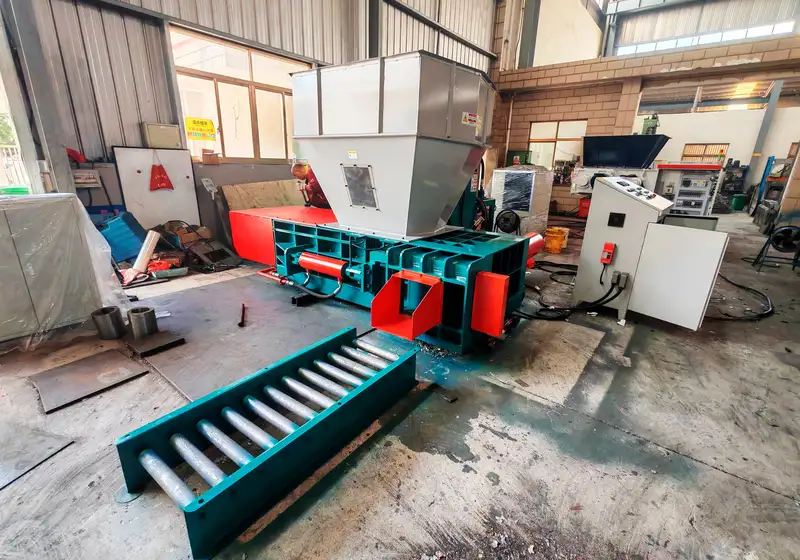
Automatic UBC Baler
Explore automatic UBC balers for used aluminium beverage cans. Compare feeding arrangements, hydraulic compression and bale handling for your recycling operation.
View details +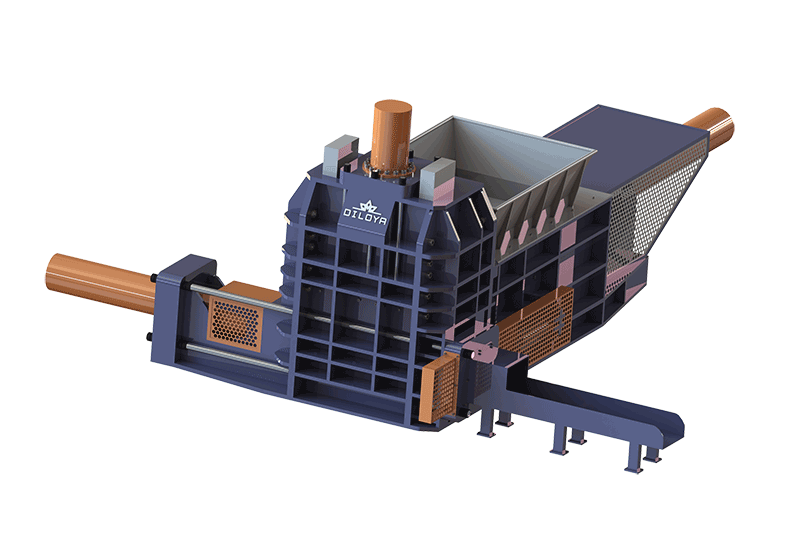
Three Rams Shear Baler
The DILOYA Three Rams Shear Baler combines staged hydraulic compression, shearing and bale discharge to turn loose metal scrap into compact, uniform bales for recycling, storage and transport.
View details +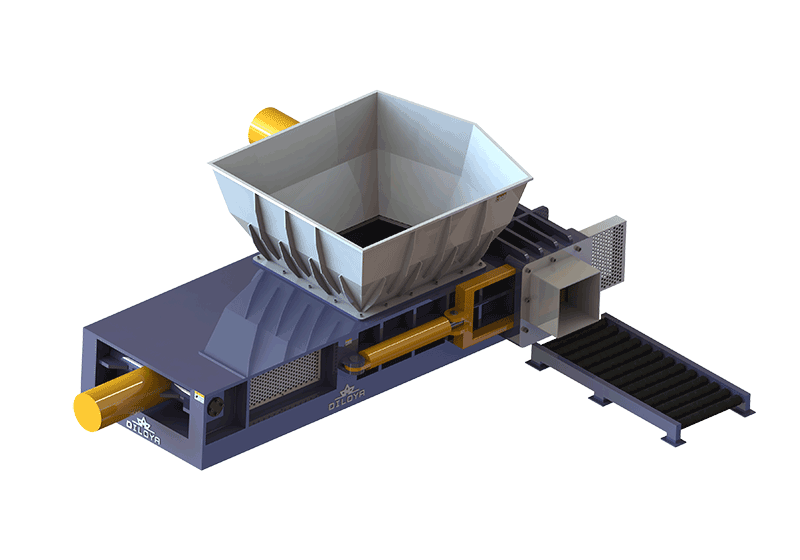
Hydraulic Can Baler
Compare hydraulic balers for aluminium beverage cans. Select chamber size, feeding method and bale discharge around your material stream and recycling workflow.
View details +Hopper Type Shear Baler
The Hopper Type Shear Baler is a heavy-duty hydraulic scrap processing machine designed for efficient shearing, compacting, and recycling of various metal scraps, aluminium tins cans, Scrap steel, light metal, sheet metal, profiles, pipes, and other bulky materials can be continuously loaded into the hopper and compressed before cutting.
View details +Customer Cases
View all cases + Automatic Aluminium UBC Shear Baler
A three-cylinder automatic shear baler for an Indonesian Aluminium UBC recycling customer, with a reported processing capacity of 900–1,100 kg/hour.
View case + High-Output Three-Ram Big-Hopper UBC Shear Baler In Colombia
Colombia customer case: three-direction compression for empty aluminium cans, PLC and remote control, with reported maxima of 90 bales/hour and 4,000 kg/hour.
View case +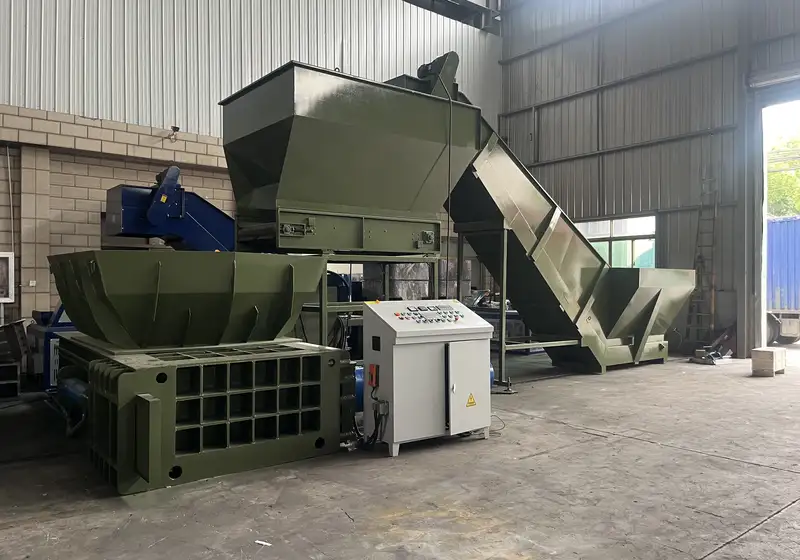 Aluminum UBC Baler For Recycling Operations In The United States
A United States UBC baler planning brief covering line integration, output acceptance and equipment interfaces. Model, capacity and customer photographs are pending.
View case + Big Output Horizontal Briquetting Line
A Russian iron chip briquetting project with a reported output of 4,000–6,000 kg/hour and briquette density of 5,000 kg/m³, supporting organised handling, storage and recycling.
View case +Leave A Message
Let's Figure Out The Best Solutions!
Tell us what you need.
Share your material, target hour capacity and other requirements. Our engineering team will reply with a suitable solutions.