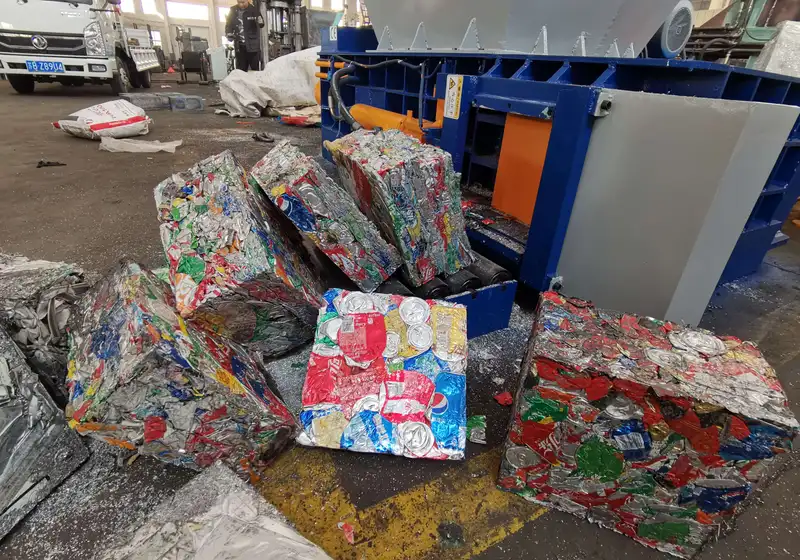
Project Objective And Available Information
This project brief describes the selection of a used beverage can baling machine for a recycling operation in the Netherlands. The objective is to produce an accepted, handleable bale from an identified can stream. Customer identity, selected machine, measured throughput, commissioned-site photographs and operating feedback are not yet confirmed, so no completed installation is claimed.
The material definition should distinguish aluminium beverage cans from steel cans and other metal containers. Collection origin, flattening, retained liquid and non-metal attachments can change how the material feeds and how the buyer values the output. The Aluminium UBC page supports this material-specific discussion without assuming that all collected containers belong in the same bale.
Prioritising Buyer Acceptance
Before selecting compression settings or chamber size, obtain the receiving buyer’s requirements for bale dimensions, mass, cleanliness and restraint. Agree how density will be measured and whether dimensions are checked immediately after discharge or after handling. These choices affect whether measurements from different trials can be meaningfully compared.
A visibly dense bale is not automatically the preferred product if its dimensions, contamination or integrity do not match the downstream process. The project should therefore define an acceptance checklist rather than target the highest possible pressure. Liquid and dirt should not be treated as useful recovered aluminium when assessing bale weight.
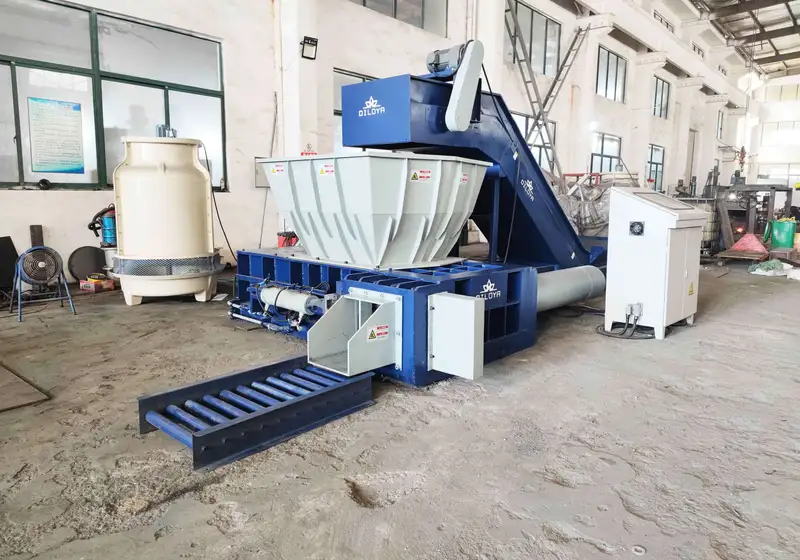
Hopper-feed can-baler reference for discussing material charging and equipment layout. Equipment reference image only; not a photograph of a confirmed installation in the named country.
Machine And Feed Configuration
Use Aluminium Can Baling Machine to compare the relevant equipment family and Hydraulic Can Baler to examine alternative press arrangements. Hopper Feed Aluminium Cans Baler is a product reference for a hopper-feeding layout. The correct combination depends on the actual batch volume, available working time and intended handling equipment, none of which is inferred solely from the country.
The layout review should include receiving containers, transfer points, operator access, liquid collection and the route for finished bales. Where feed is irregular, evaluate whether a controlled buffer or batch-loading arrangement is more suitable than increasing conveyor speed. Coordinate the feed system with the full press and discharge cycle.
Traceable Testing And Quality Records
A useful trial begins with representative material and a documented preparation condition. Record net material mass, loose volume, elapsed production time, normal interruptions and the measurements of several released bales. Check consistency and handling integrity as well as average output. Avoid presenting one unusually heavy bale as normal production.
Keep the material description with the results so later changes in source or contamination are not mistaken for machine performance changes. The capacity field is intentionally blank pending a confirmed configuration and test basis. The guide How to Match Material Size, Press Chamber Dimensions and Bale Requirements When Selecting a Metal Baler? is relevant when matching those requirements to the chamber and machine layout.
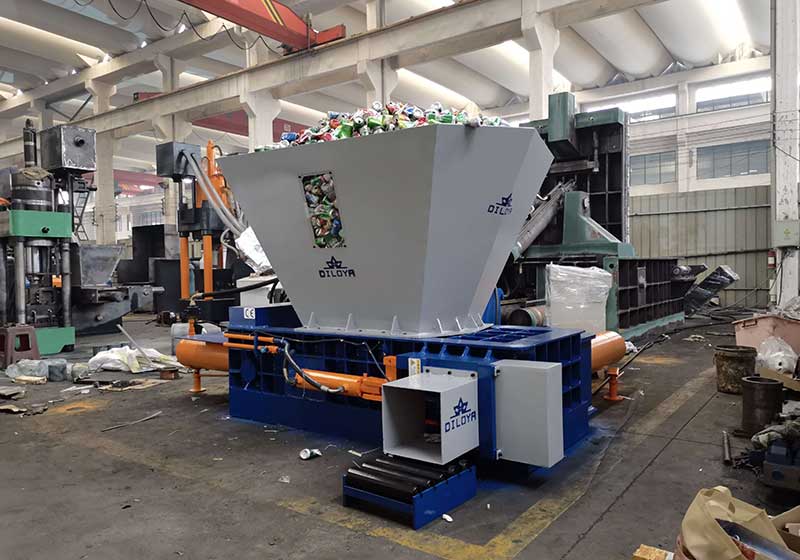
UBC baler reference showing the receiving hopper and enclosed compression chamber. Equipment reference image only; not a photograph of a confirmed installation in the named country.
Transport Planning And Completion Of The Case
Assess transport and storage using the actual bale envelope and collection method. Reducing loose-can volume can support better handling, but the financial result depends on vehicle payload, loading arrangement, collection frequency and the storage layout. No fixed saving, environmental performance claim or local regulatory approval is asserted in this brief.
Complete the case with customer-approved main and body images, the final equipment specification, verified output, bale measurements and supported feedback. Record any measured change in storage area or vehicle loading on an equivalent material basis. Existing equipment photographs below are reference illustrations only, not Netherlands installation evidence.