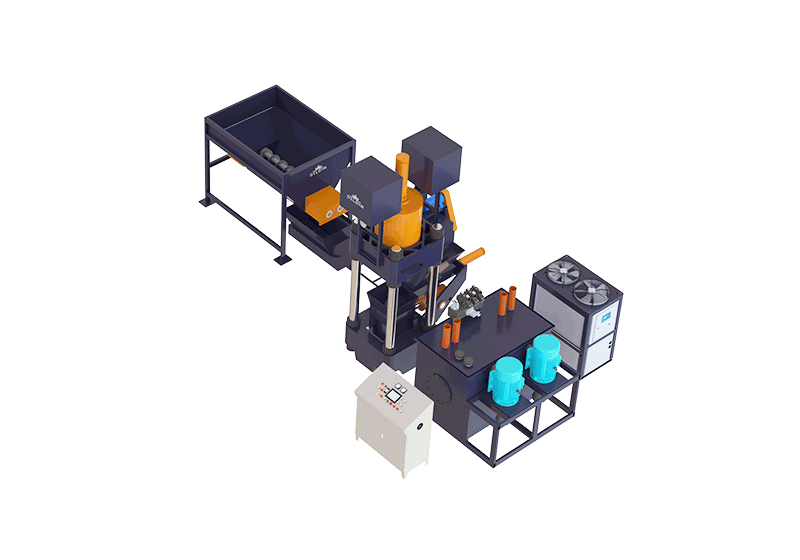
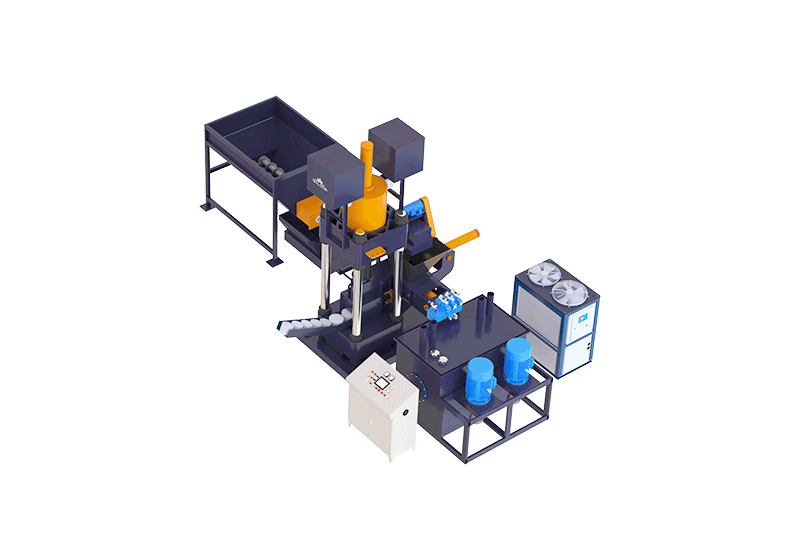
Briquette Press

Briquetting systems that convert metal chips and swarf into dense, manageable blocks.

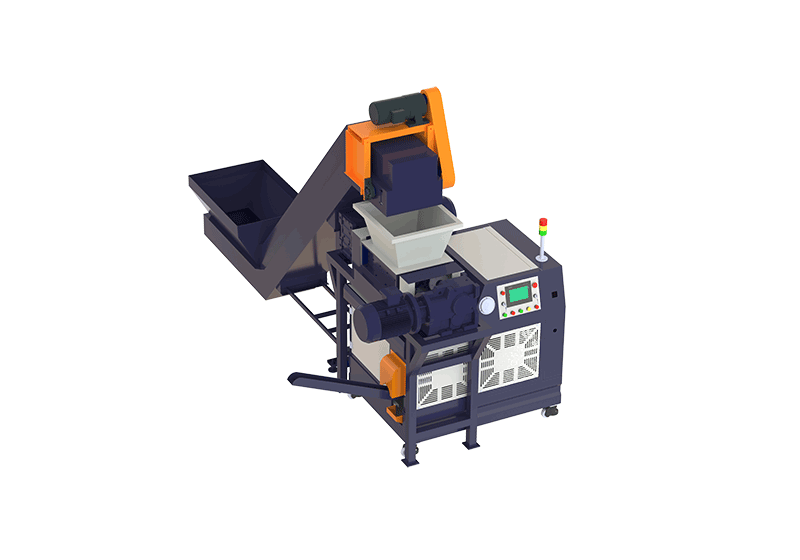
Small enclosed briquetting press illustration with access door and operator controls

Small Briquetting Press

The DILOYA Small Briquetting Press cold-compresses loose metal chips into compact briquettes without melting. Designed for machining centers and workshops, it can process suitable aluminium, copper, brass and iron chips while occupying relatively little floor space and using a power system sized for small-scale chip recovery.

View product details +
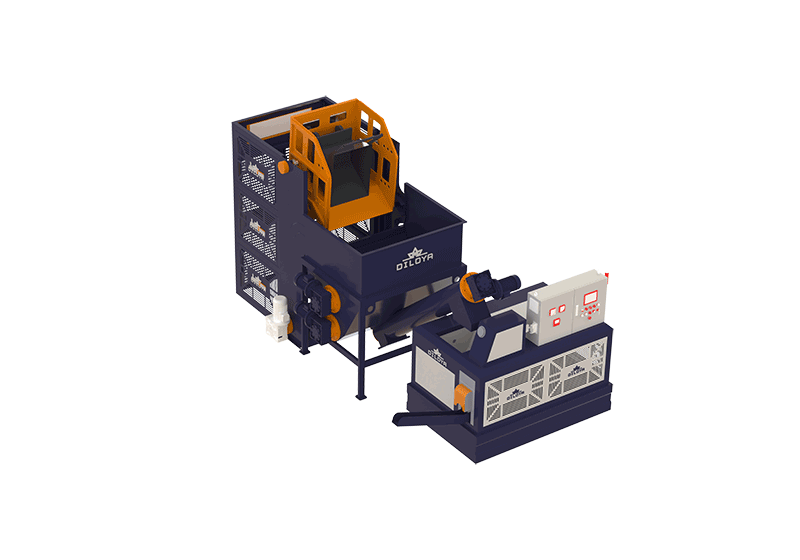
Integrated briquetting press illustration with enclosed cabinet and control panel

Integrated Briquetting Press

The DILOYA Integrated Briquetting Press combines chip feeding, hydraulic compaction, briquette discharge and coordinated controls in one metal-chip recovery system. It turns sorted aluminium, copper, brass, cast-iron and other suitable machining chips into compact briquettes for easier handling and recycling.

View product details +
Double-outlet briquette press illustration with horizontal and vertical cylinders

Double Outlet Briquetting Press

The DILOYA Double Outlet Briquetting Press cold-compresses suitable metal chips into dense briquettes and uses two discharge outlets to support a planned collection flow. It is configured for recycling operations that need steady feeding and efficient removal of finished blocks.

View product details +
Vertical metal chip briquette press illustration with feed hopper and outfeed conveyor

Vertical Briquetting Press

The DILOYA Vertical Briquetting Press uses a vertical hydraulic ram to cold-compress sorted aluminium, copper, brass, cast-iron and other suitable machining chips into dense briquettes. Its upright press layout supports organized chip recovery at workshops and recycling plants.

View product details +
Vertical pre-press briquetting machine illustration with feeding and compaction stages

Vertical Pre-Press Briquette Press

The DILOYA Vertical Pre-Press Briquette Press adds a pre-compression stage before final vertical hydraulic pressing. It is designed to control bulky or springy, prepared metal chips and form consistent briquettes for handling and recycling.

View product details +
Horizontal briquette press illustration showing the main cylinder and upper feed hopper

Horizontal Briquetting Press

The DILOYA Horizontal Briquetting Press uses horizontal hydraulic compression to turn sorted machining chips and swarf into dense, manageable briquettes. It can be configured with controlled feeding, discharge and optional chip preparation for metalworking or recycling lines.

View product details +

Applications

View all applications +
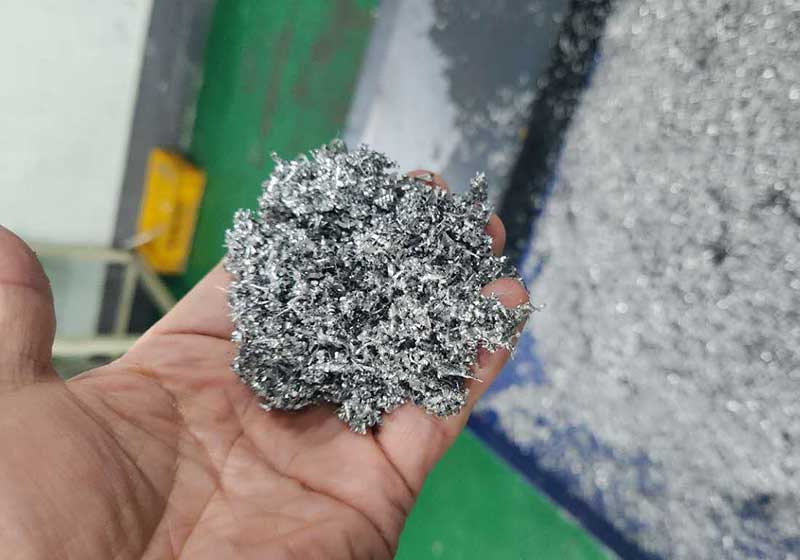
Hand holding loose aluminium machining chipsAluminium Chips

Aluminium Chips are precision-processed from pure aluminum and aluminum alloy via CNC turning and milling. Strictly sorted, cleaned and dried, these chips feature uniform shape, low oxidation and zero sundry impurities. As premium recycled aluminum raw materials, they deliver stable metallurgical and physical properties, ideal for aluminum smelting, alloy production, chemical processing and thermal conduction applications with high cost performance.

View application +
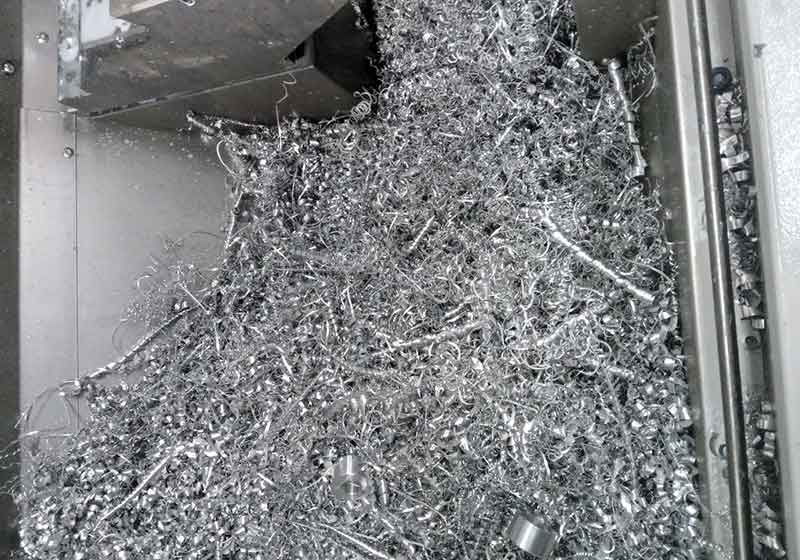
Loose curled aluminium turnings collected in a containerAluminium Turnings

Aluminium Turnings are lightweight, spiral-shaped metal chips generated during machining, drilling and milling. DILOYA briquetting and baling systems compact loose turnings into dense, manageable blocks, helping reduce storage volume, improve transport efficiency and support aluminium recovery.

View application +
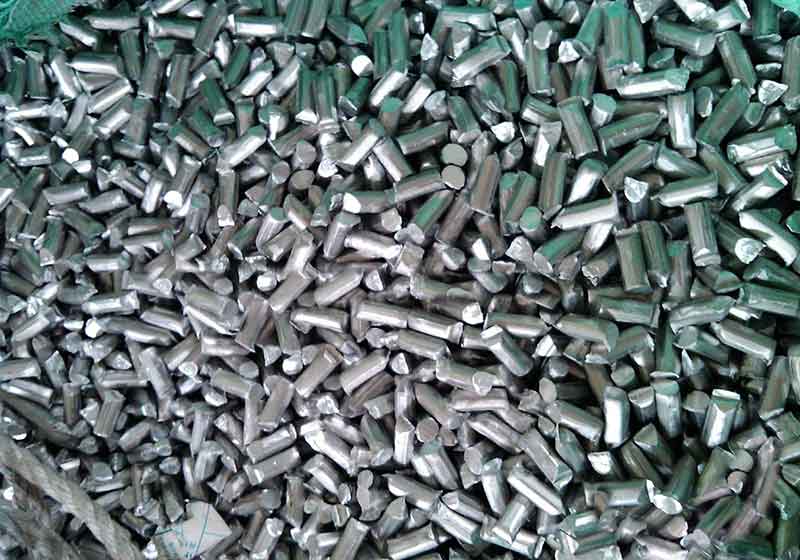
Loose chopped aluminium granules in a collection binAluminium Granules

Aluminium granules are small, flowable particles produced by shredding, screening or size reduction. DILOYA aluminium granule briquetting machines compress this loose material into dense, consistent cylindrical blocks for cleaner handling, compact storage, economical transport and controlled furnace feeding.

View application +
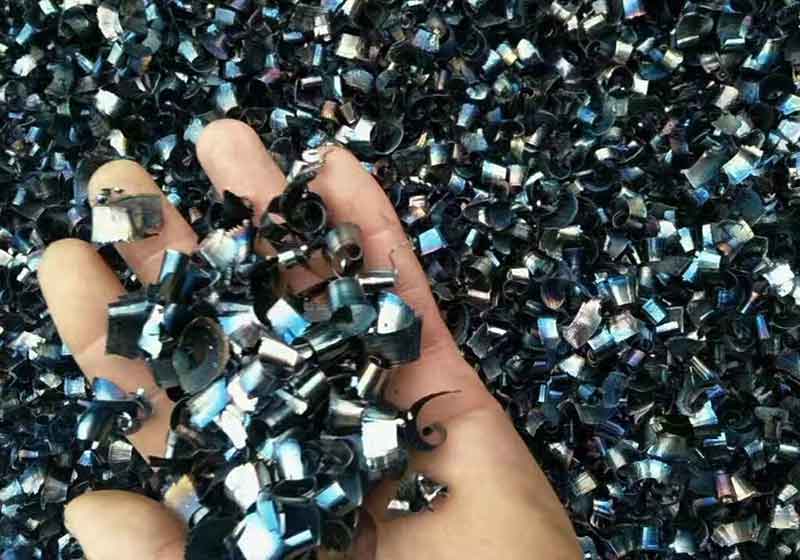
Hand holding curled steel machining chipsSteel Chips

Steel chips from turning, milling, drilling and sawing are loose, oily and difficult to handle efficiently. DILOYA hydraulic briquetting presses compress carbon-steel, cast-iron and alloy-steel swarf into dense cylindrical briquettes, recovering part of the retained cutting fluid while improving storage, transport and furnace feeding. This application is intended for briquetting only.

View application +
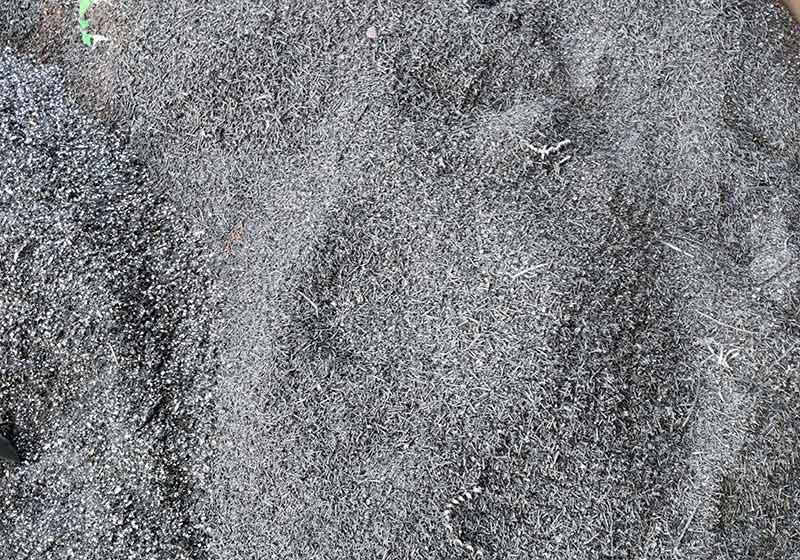
Loose fine cast iron machining chipsCast Iron Chips

Cast iron chips are fine, brittle machining residues that are abrasive, dusty and difficult to store or charge in loose form. DILOYA hydraulic briquetting presses compress grey-iron and ductile-iron swarf into dense cylindrical briquettes while recovering part of the retained cutting fluid for cleaner handling, efficient transport and controlled foundry feeding. This application is intended for briquetting only.

View application +
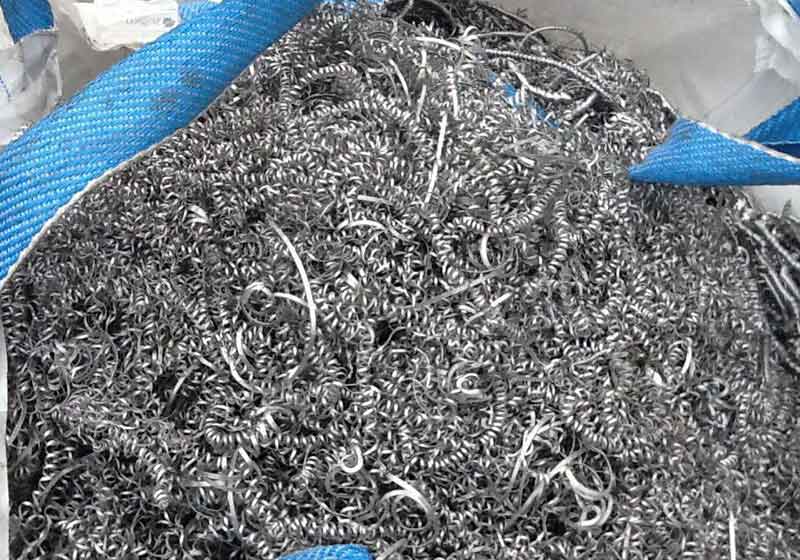
Loose curled steel shavings collected in a bulk bagSteel Shavings

Steel shavings are long, curled machining residues that interlock into bulky nests and retain cutting fluid. DILOYA can compress foldable shavings directly into rectangular transport bales, or shred long tangled nests into short uniform feed before hydraulic briquetting. Process selection depends on shaving geometry, fluid content, required density and downstream furnace specifications.

View application +
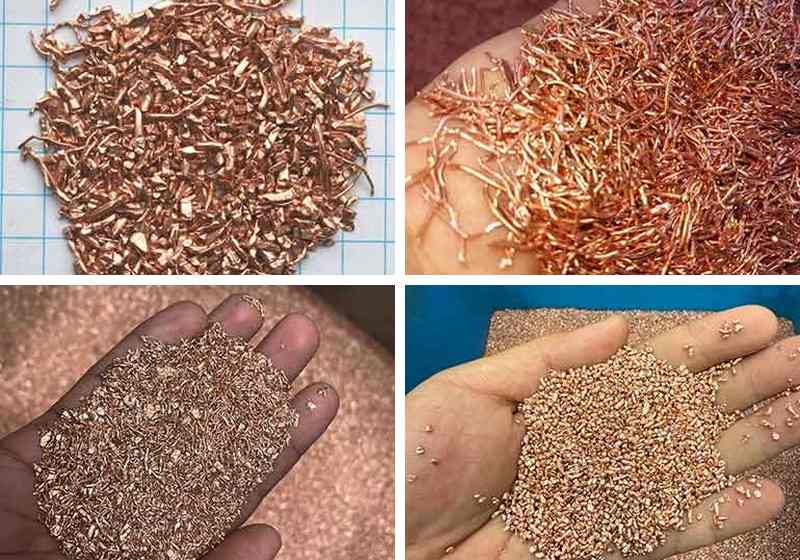
Examples of loose copper granules and chopped copper particlesCopper Granules

Copper granules recovered from cable processing and wire chopping are valuable but easy to spill, oxidize and lose during handling. DILOYA hydraulic briquetting presses compact clean copper particles into dense binder-free cylinders for secure storage, efficient shipment, accurate weighing and controlled furnace charging. This Copper&Brass Scrap application is intended for briquetting only.

View application +
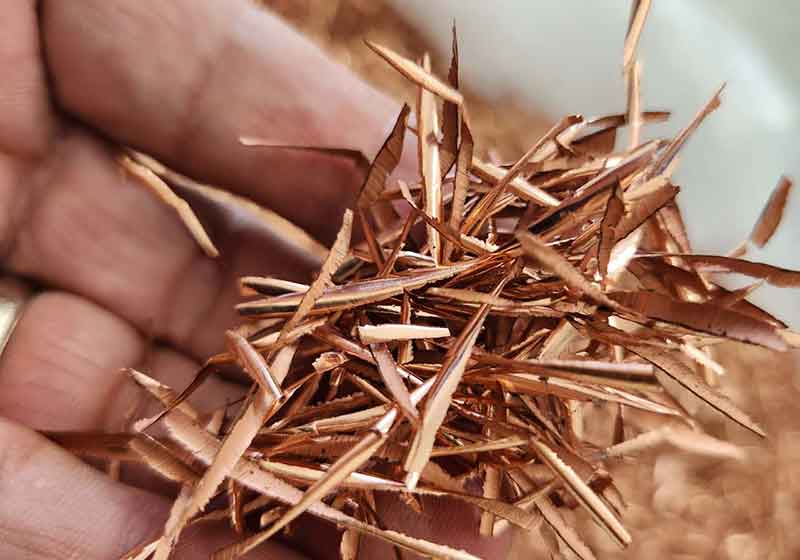
Hand holding loose copper machining chipsCopper Chips

Copper chips from turning, milling and drilling are valuable but bulky, oily and easy to lose during handling. DILOYA hydraulic briquetting presses compact separated copper machining chips into dense binder-free cylinders while recovering part of the retained fluid for efficient storage, shipment and remelting. This Copper&Brass Scrap application is intended for briquetting only.

View application +
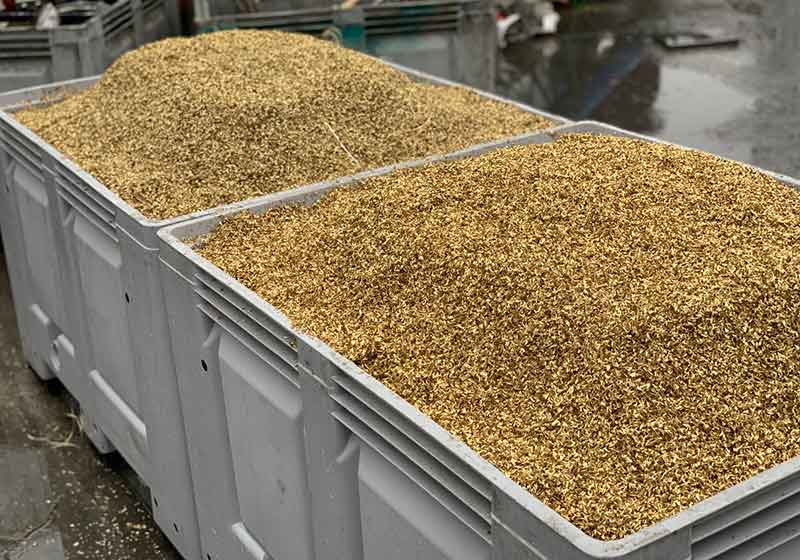
Brass machining chips collected in a large binBrass Chips

Brass chips from machining valves, fittings and alloy components are loose, oily and difficult to transport efficiently. DILOYA hydraulic briquetting presses compress sorted brass swarf into dense binder-free cylinders, recovering part of the retained cutting fluid while improving grade control, storage, shipment and furnace charging. This Copper&Brass Scrap application is intended for briquetting only.

View application +
Loose curled copper turnings collected below processing equipmentCopper Turnings

Copper turnings are long, curled machining residues that form bulky, springy nests and may retain cutting fluid. DILOYA configures direct baling or shredding followed by hydraulic briquetting to produce manageable packages, with the process selected for the actual turning geometry, fluid condition and recycling requirements.

View application +
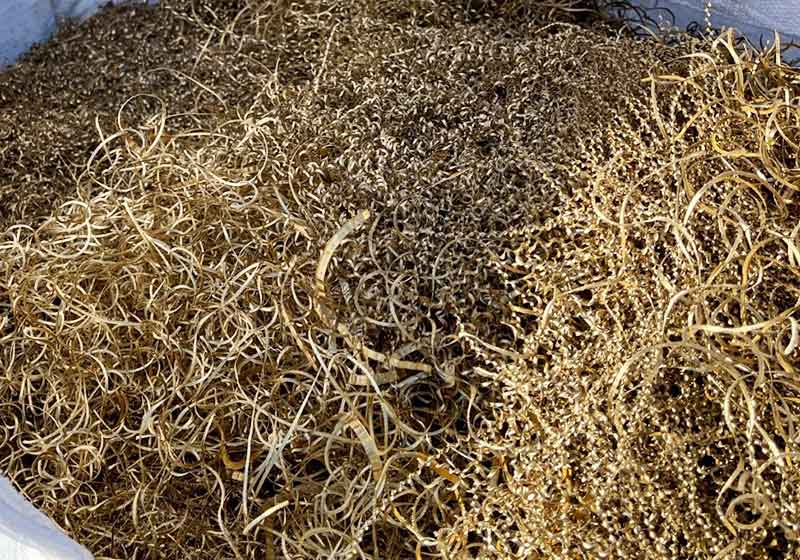
Loose brass turnings and curled machining swarfBrass Turnings

Brass turnings are long, curled machining residues that can form bulky, tangled bundles. DILOYA selects suitable preparation and hydraulic compaction for the material, including shredding before briquetting where required, with attention to alloy separation, retained fluid and the desired finished package.

View application +

Customer Cases

View all cases +
Integrated aluminium chip briquetting line with inclined conveyor and control panelAluminium Die Cast Chips Briquetting Line in Korea

An integrated briquetting line for a Korean customer's ADC12 aluminium die-cast chips, with a reported capacity of 200–300 kg/hour and a compact layout for limited production space.

View case +
Finished copper granule briquettes from the India customer projectCopper Cloves Briquetting Solutions

An Indian copper cloves briquetting project with a reported capacity of 2,000–2,500 kg/hour and briquette density up to 7.8 ton/m³ for organised handling, storage and recycling.

View case +
Rows of finished iron chip briquettes from the Russia customer projectBig Output Horizontal Briquetting Line

A Russian iron chip briquetting project with a reported output of 4,000–6,000 kg/hour and briquette density of 5,000 kg/m³, supporting organised handling, storage and recycling.

View case +
Aluminium chip briquetting installation and finished briquettes for the Thailand customer projectAluminium Chips Briquetting Machine

A Thai customer's 6061 aluminium chip briquetting project with reported output of 1,000–1,500 kg/hour, density above 2,000 kg/m³ and industrial oil cooling.

View case +

Solutions

View all solutions +
Compact metal-turnings shredder and briquetting press layoutSmall Metal Turnings Shred-Briquetting LineA compact metal-turnings shredding and briquetting line for CNC machining centers and small machining workshops. Aluminum, steel or iron, and copper turnings are shredded first, then fed into a hydraulic briquetting press to form compact briquettes. Designed for limited floor space and lower-volume chip handling, with the configuration matched to the material and production schedule.Trolley-tipping, chip preparation and briquetting equipment in an integrated line layoutIntegrated Auto Metal Chips Briquetting LineAn integrated metal chip briquetting line combining automatic trolley lifting and tipping, a large screw-equipped buffer hopper, screw conveying and hydraulic briquetting. Operators push a loaded chip trolley into the lifting station; the system tips the chips into the hopper and feeds them to the press. The compact, highly integrated layout reduces repeated manual handling and supports coordinated automatic operation.Short metal chip briquetting line with storage hopper, conveyors and hydraulic pressShort Metal Chips Briquetting SolutionAn automated briquetting line for free-flowing copper rice, copper granules, aluminum granules and suitable cast iron chips. A large screw-equipped buffer hopper reduces loading frequency and feeds the hydraulic briquetting machine through a coordinated screw system. With suitable material and a matched configuration, production capacity can reach 2–3 tonnes per hour.Aluminium chip briquetting line with buffer hopper, feed conveyor and hydraulic pressAluminium Chips Briquetting LineA hopper-fed briquetting line for fluffy, low-bulk-density aluminium, copper and brass chips, as well as suitably shredded steel chips. The press incorporates pre-compression to accommodate a larger loose charge before final pressing, helping increase briquette weight and mass output. A large screw buffer hopper reduces loading frequency and supports coordinated automatic feeding.

FAQ

View all FAQs +
Why use a large screw buffer hopper?+

A screw buffer is valuable when it creates a usable working reserve between intermittent replenishment and press consumption. Its geometric volume is not its useful stored mass, especially with fluffy chips. Storage Screw Hopper should be sized around material flow and a realistic refill interval, not used to conceal a permanent shortage of upstream capacity.

Planning relationship: usable buffer mass depends on usable hopper volume and the actual loose bulk density. The same hopper therefore stores different masses of fluffy aluminium swarf and denser short chips.

Estimate the replenishment interval from that working reserve and the press's measured consumption. Leave the operating allowance specified for material flow and control rather than treating the geometric hopper volume as fully usable storage.

The usable volume, material flow and feed rate must match the actual chips. A buffer cannot compensate indefinitely if average upstream output is below press demand. Long tangled material may require preparation before entering the screw hopper.

What does a lift-flipping device add to a briquetting line?+

Lift-and-tip equipment can connect the collection trolley to an elevated receiving point while reducing repeated manual transfer. Its usefulness depends on the compatible loaded trolley and discharge arrangement. Lift-Flipping Device should be evaluated with the receiving hopper and the operator's remaining tasks, not treated as automatic transport throughout the workshop.

Trolley dimensions, complete loaded weight, retention method and discharge height must be matched. Automatic tipping does not necessarily include automatic trolley delivery or removal. Define the operator tasks and receiving-hopper capacity as part of the complete loading sequence.

What does servo control change in a briquetting system?+

Servo control is a control-system choice whose benefit depends on how the hydraulic and operating cycle are designed. It does not by itself establish a specific energy saving or throughput increase. Compare measured results under equivalent feed, output and process boundaries, including idle time and the rest of the line.

Also describe idle and waiting time. A drive feature may be valuable for one production pattern without producing the same benefit on a continuously loaded or differently configured system.

Do not assume a fixed energy-saving percentage from the word servo. Compare measured energy per accepted mass output under equivalent material and production conditions, including preparation equipment and cooling where these are part of the line.

Can different alloys be briquetted together?+

Keep alloy compatibility and commercial grade value separate from the question of whether material can be compressed. A mixed briquette can be mechanically sound yet unsuitable for the buyer's chemistry requirement. Specify sorting and changeover before pressing; briquetting does not undo an unwanted alloy mixture.

Define the material streams and plan collection, changeover and cleaning accordingly. Mixed grades can change the value or usability of the briquettes. Do not treat compaction as a way to correct contamination or restore alloy purity.

Which parts influence briquetting wear and maintenance?+

Briquetting maintenance depends on the tooling, guides, hydraulic system and the abrasiveness and consistency of the feed. A change in product quality can reflect material variation as well as wear. How to Maintain an Aluminium Chips Briquetting Machine? explains a preventive approach: preserve operating records and investigate before compensating with unauthorised settings.

Use the model-specific maintenance and spare-parts instructions. Unexpected wear can indicate unsuitable feed or a technical issue rather than a need for unauthorised pressure changes. Plan approved replacements and record their condition to support reliable operation.

Leave A Message

Let's Figure Out The Best Solutions!

Tell us what you need.

Share your material, target hour capacity and other requirements. Our engineering team will reply with a suitable solutions.

01Call DILOYA+86 152 2134 765002Email our teaminfo@diloya.com
We use your details to respond to this enquiry. Read our Privacy Policy.