Video
CMS series reference demonstration. Machine configuration and material conditions vary by project.
CMS100 Hydraulic Baler for Used Beverage Can Recycling
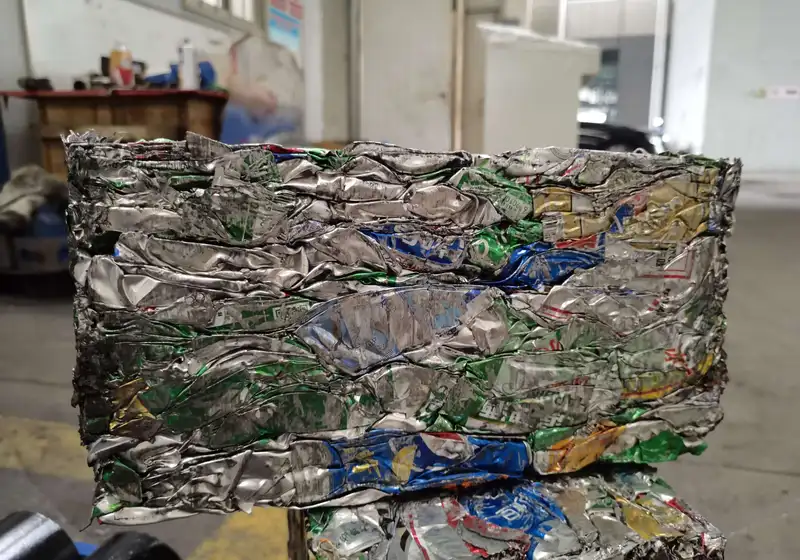
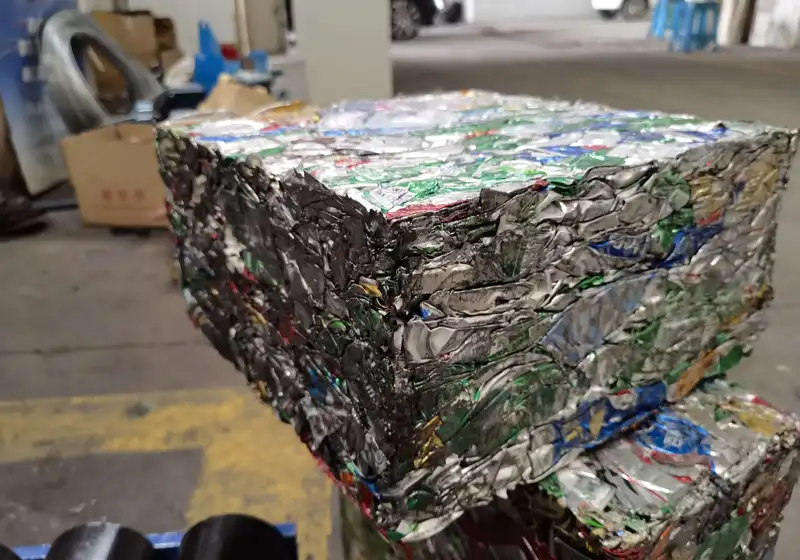
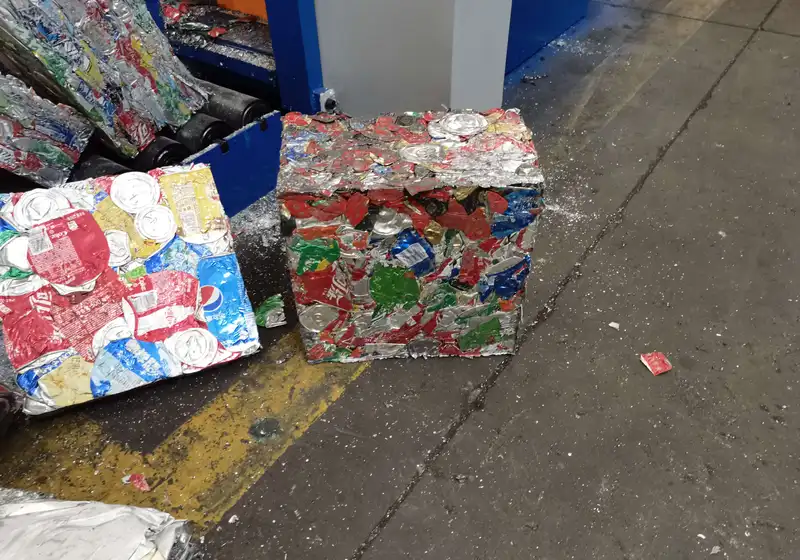
The DILOYA CMS100 Aluminium Scrap Can Baler compresses sorted used beverage cans into compact rectangular bales for recycling, storage and transport. Hydraulic compression and a configurable feeding arrangement help recycling centres manage loose UBC scrap. Final output and bale weight depend on material condition and the selected configuration.
CMS series reference demonstration. Machine configuration and material conditions vary by project.
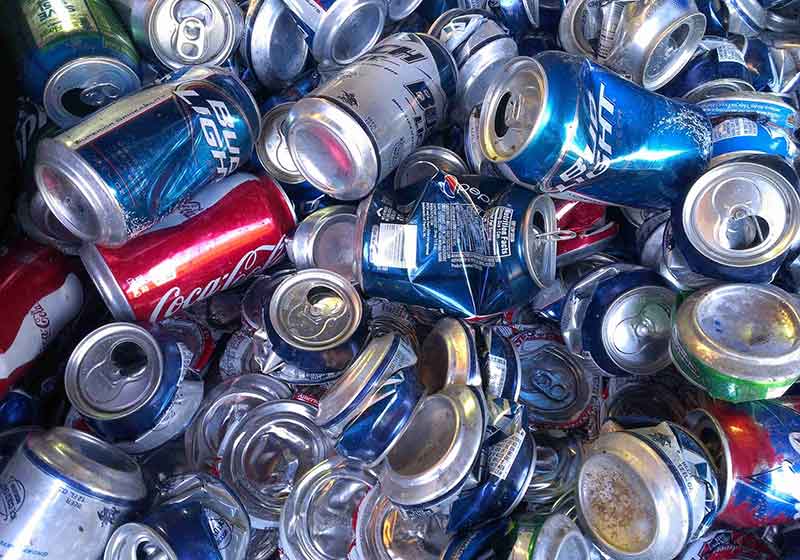
The DILOYA CMS100 Aluminium Scrap Can Baler is designed to compact sorted aluminium beverage cans into manageable rectangular bales. Loose used beverage cans occupy considerable collection and storage space. Hydraulic baling converts this lightweight feed into packages that are easier to handle, stack and prepare for shipment to aluminium recyclers.
Collected cans should be sorted and drained before loading. Remove incompatible waste and assess contamination before feeding the machine. A suitable hopper or conveyor arrangement can be selected to match the collection process, available floor space and required operating pattern. During baling, the hydraulic system compresses the material inside the chamber and forms a compact package for discharge and subsequent handling.
This product listing identifies model CMS100. The parameter section also presents selected CMS series models for comparison, using the existing Hopper Type Shear Baler reference table. Compare the CMS100 column when evaluating this model; larger chamber dimensions, motor ratings and bale weights shown for other columns are not CMS100 specifications. Final dimensions, configuration and performance should be confirmed in the project quotation.
Suitable applications include beverage-can collection operations, recycling centres and facilities preparing sorted UBC material for onward processing. The correct machine depends on the volume and bulk density of incoming cans, feeding frequency, desired bale dimensions and the receiving recycler's acceptance requirements. A conveyor-fed arrangement can connect collection and compression stages where the selected installation supports it. Refer to our Automatic UBC Baler range for alternative feeding and automation arrangements.
Do not treat a catalogue cycle time as guaranteed hourly throughput. Actual production depends on the incoming material, loading continuity, bale specification, discharge and downstream handling. Keep aluminium and other grades separate where required by the buyer. Closed containers, batteries and pressurised items must be excluded. Mixed steel cans or other scrap should only be introduced after checking suitability for the selected configuration.
Send DILOYA photographs of the loose cans, the available daily quantity, target operating hours, preferred bale size and weight, feeding method, installation space and local electrical supply. These details help determine whether CMS100 is suitable or another machine in the Aluminium Can Baling Machine range is a better match. Request a quotation with the confirmed specification, scope of supply and handling arrangement.
Less loose-can storage: compression turns bulky beverage cans into compact packages for organised collection and stacking.
Hydraulic compression: the hydraulic drive applies controlled force during bale formation; settings and material preparation must match the selected model.
Practical handling: rectangular bales are easier to arrange for weighing, storage and transport than loose cans. Final bale stability depends on material and specification.
Feeding options: hopper and conveyor arrangements can be evaluated against collection volume, layout and operator requirements.
Series comparison: CMS100 can be assessed alongside selected larger CMS models without confusing their individual chamber, motor and cylinder specifications.
Selection support: DILOYA can review material photographs, buyer bale requirements and site conditions before confirming the equipment scope.
Performance and supplied options are subject to the agreed model and project specification.
This listing is for CMS100. The table compares selected models from the existing Hopper Type Shear Baler parameter table. Read the CMS100 column for this product. Final specifications are subject to confirmation.
| Model | CMS100 | CMS125 | CMS200 | CMS315 |
|---|---|---|---|---|
| Chamber Size | 1200 × 700 × 400 mm | 1400 × 700 × 300 mm | 1600 × 1200 × 400 mm | 2000 × 1400 × 500 mm |
| Bale Size | 400 × 250 mm | 300 × 300 mm | 400 × 400 mm | 500 × 500 mm |
| Bale Weight — Aluminium | 15–20 kg | 15–20 kg | 45–70 kg | 90–120 kg |
| Bale Weight — Steel (reference) | 20–40 kg | 20–40 kg | 115–150 kg | 225–300 kg |
| Motor Power | 18.5 kW | 22 kW | 2 × 22 kW | 2 × 45 kW |
| Cycle Time | 60 s | 60 s | 60 s | 60 s |
| Control | PLC Control | PLC Control | PLC Control | PLC Control |
| Cooling System | Oil Chiller | Oil Chiller | Oil Chiller | Oil Chiller |
| Main Cylinder | 1000 kN | 1250 kN | 2000 kN | 3150 kN |
| Side Cylinder | 630 kN | 800 kN | 1250 kN | 2000 kN |
| Lock Cylinder | 100 kN | 150 kN | 200 kN | 250 kN |
Aluminium and steel bale weights refer to their respective materials and must not be interchanged. Cycle time is a reference cycle, not a guaranteed hourly output. Bale results vary with material condition, feeding and operating settings. Confirm steel-can suitability before processing mixed material.
Use this aluminium scrap can baler to prepare collected UBC material for compact storage, organised handling and shipment to recycling facilities. Typical settings include beverage-can collection centres, scrap collection yards and aluminium recycling operations.
Used beverage cans: sort and drain the material before compression; remove incompatible items.
Collection and transfer: match feeding intervals and bale handling to the site's daily material flow.
Recycler supply: confirm bale dimensions, weight, cleanliness and grade separation with the receiving buyer.
See the linked Aluminium UBC application for material preparation guidance. Related customer cases illustrate other installations and are not performance guarantees for CMS100.
Baling aluminium cans means compressing a prepared can stream into bales that meet the receiving recycler’s requirements. A reliable process begins with the incoming material and the finished-bale specification, not simply with maximum hydraulic pressure. UBC means used beverage cans; the Aluminium UBC page explains the material application.
For machine comparison, use Aluminium Can Baling Machine and Automatic UBC Baler. The Automatic Aluminium UBC Shear Baler case documents one particular installation, not a universal capacity or density guarantee. Operate only with the specified guards, controls and handling arrangements; material bridging or a jam requires the approved isolation procedure rather than reaching into the hopper.
An aluminium can baler applies hydraulic force inside a chamber to collapse the cans and compact the charge into a bale. The hydraulic power unit supplies the cylinders, while the chamber and compression sequence determine how the material is confined and formed. The exact arrangement differs between vertical, horizontal and multi-stage machines.
Prepared cans enter through the specified loading opening or hopper. A controlled quantity is admitted before the compression stroke; some layouts use several compression stages, while a shear-baler design may include an additional cutting action. Once the configured sequence is complete, the machine releases or ejects the bale through its designed discharge arrangement. Tying, if required by that machine and buyer specification, is a separate feature to confirm.
The Hydraulic Can Baler category focuses on hydraulic-system and layout choices. Hopper Type Shear Baler illustrates a design combining hopper loading, compression and shearing. Neither description means that every can baler shears, ties automatically or operates without supervision.
The useful cycle includes charging, compression, return, discharge and any handling delay. A short pressing stroke alone does not establish tonnes per hour. Compare the Automatic UBC Baler options using representative cans, consistent feed conditions and measured finished bales. Automation coordinates the sequence; it does not replace sorting, guarding, trained operators or a properly designed upstream supply.
The best-fit aluminium can baling machine is the one that handles your actual material and produces an accepted bale within the available operating time. A larger press is not automatically a better choice if feeding, storage or bale collection remains the bottleneck.
Compare Aluminium Can Baling Machine for material-focused options, Hopper-Fed Can Baler for loading arrangements and Hydraulic Can Baler for press configurations. The guide How to Match Material Size, Press Chamber Dimensions and Bale Requirements When Selecting a Metal Baler? provides a more detailed basis for matching the material to the chamber and bale requirement.
When two models appear suitable, request a trial using representative material and define acceptance measures before purchasing. Confirm what the quotation includes: feeding equipment, guarding interfaces, discharge equipment, commissioning, documentation and wear parts. Do not compare machines solely by motor power or nominal cylinder force.
Residual liquid should be assessed and managed before aluminium cans enter the baling process. Empty-looking beverage cans can still release liquid when compressed. Whether the preparation needs a dedicated draining stage depends on the incoming condition, the machine design, environmental arrangements and the buyer’s material specification.
Uncontrolled liquid can make loading areas slippery, contaminate equipment, complicate housekeeping and distort the apparent metal weight of a bale. It can also create storage and transport issues. The baler should not be used as a disposal route for unidentified liquids, chemical residues or hazardous containers. Any liquid collection and treatment arrangement must be designed for the actual contents and site requirements.
Baling does not certify that scrap is dry or ready for direct furnace charging. Downstream metal processors must separately control moisture and contamination according to their process and safety requirements. Do not promise that pressing alone removes all liquid, oil or coatings.
The Aluminium UBC page is relevant to defining the incoming material. When reviewing Hopper-Fed Can Baler equipment, check how feed preparation, collection trays and cleanup access are incorporated into the proposed layout. For procurement, provide photographs of a representative batch and explain how cans are collected, stored and drained before delivery to the baler.
Bale size and bale weight are related, but they are not interchangeable specifications. The chamber and forming arrangement establish the intended geometry, while the material charge, compression sequence and springback influence what is measured after discharge. Depending on the design, some dimensions may be fixed while another varies with the charge or control setting.
Bale weight is the net mass of material retained in the finished bale. Two equal-size bales can have different weights because their density, void content, can condition or contamination differs. Conversely, two bales of equal mass can occupy different volumes. Residual liquid should not be counted as useful recovered metal.
The recycler’s feed opening, unloading equipment, storage layout and material specification should guide the required bale envelope and mass range. Confirm whether the buyer specifies released dimensions, restrained dimensions or a particular density measurement method. Check the site’s handling-equipment ratings against the actual bale mass rather than a nominal catalogue number.
The guide How to Match Material Size, Press Chamber Dimensions and Bale Requirements When Selecting a Metal Baler? explains why material size, chamber dimensions and bale requirements must be considered together. Compare Hydraulic Can Baler configurations and request measurements from a representative material trial. Record several bales and their variability rather than treating one unusually heavy bale as the normal production result.
Maintenance should follow the manual and service schedule for the exact hydraulic aluminium can baler and its installed feeding equipment. Do not copy oil grades, replacement intervals, pressure settings or tightening values from another model. Record operating hours, material changes, alarms, leaks and changes in the full production cycle so faults can be investigated before they become repeated stoppages.
Only authorised personnel should service the equipment. Electrical isolation alone may not control stored hydraulic pressure, gravity-loaded components or movement from connected conveyors. Follow the approved lockout/tagout and stored-energy-control procedure, including verification before access. An emergency-stop button is not a substitute for energy isolation. General background is available in OSHA: Control of Hazardous Energy (Lockout/Tagout); the applicable local requirements and machine-specific procedure still govern the work.
The Hydraulic Can Baler category and Hopper Type Shear Baler page help identify the relevant equipment family. Request the model-specific maintenance documents, spare-part list and support procedure rather than increasing pressure to disguise declining performance.
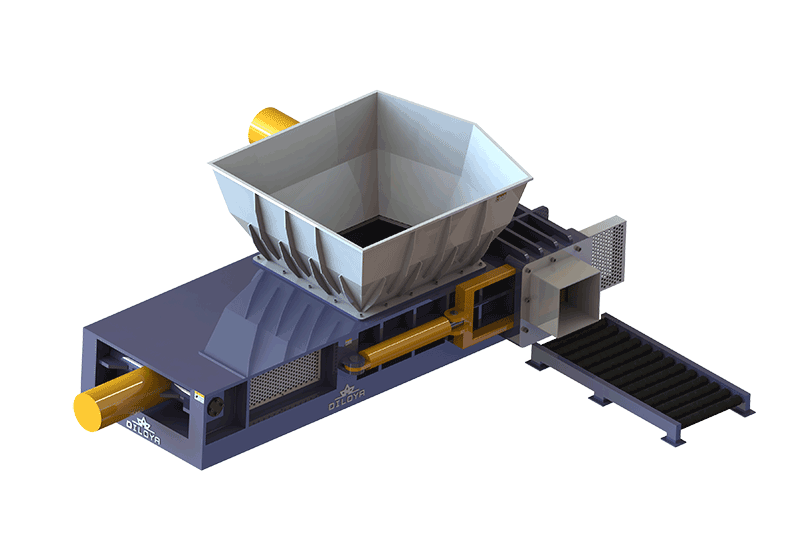
The Hopper Type Shear Baler is a heavy-duty hydraulic scrap processing machine designed for efficient shearing, compacting, and recycling of various metal scraps, aluminium tins cans, Scrap steel, light metal, sheet metal, profiles, pipes, and other bulky materials can be continuously loaded into the hopper and compressed before cutting.
View details +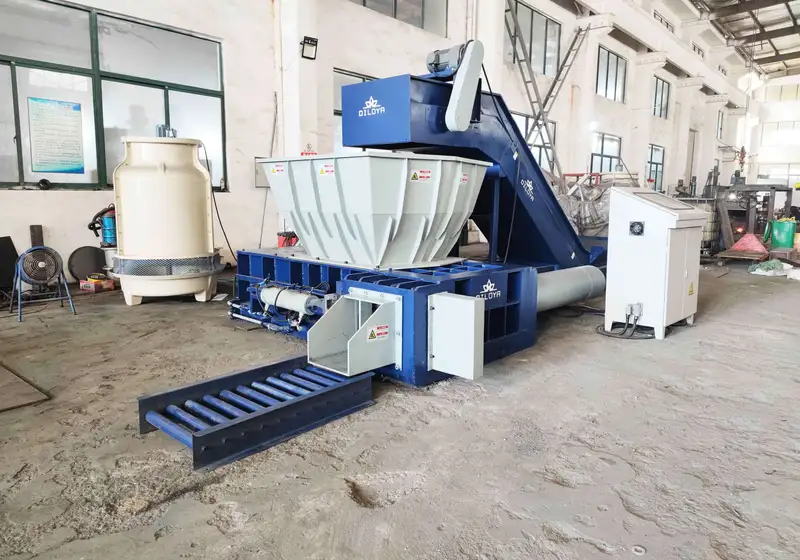
Hopper-fed hydraulic baler for compacting prepared aluminium beverage cans into manageable bales for organised recycling, storage and transport.
View details +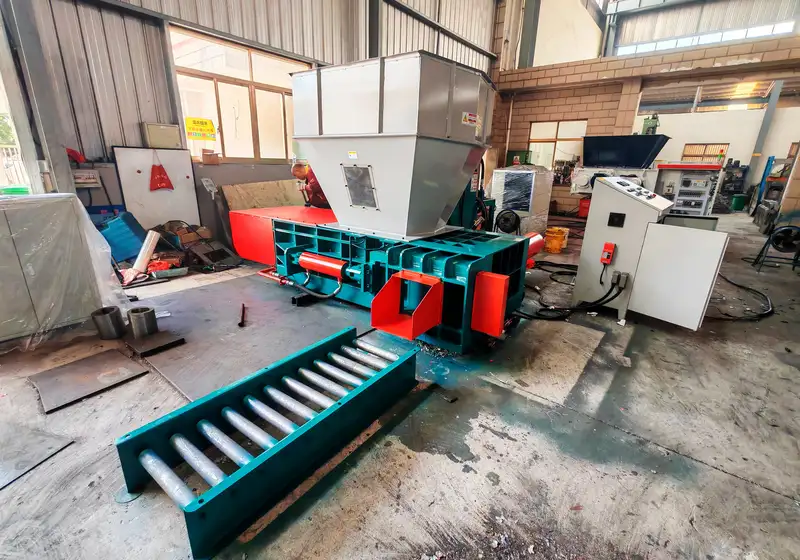
Explore automatic UBC balers for used aluminium beverage cans. Compare feeding arrangements, hydraulic compression and bale handling for your recycling operation.
View details +Share your material, target hour capacity and other requirements. Our engineering team will reply with a suitable solutions.