Video
CMS series reference demonstration. Confirm the equipment configuration and material conditions for your project.
Aluminium Cans Recycling Machine
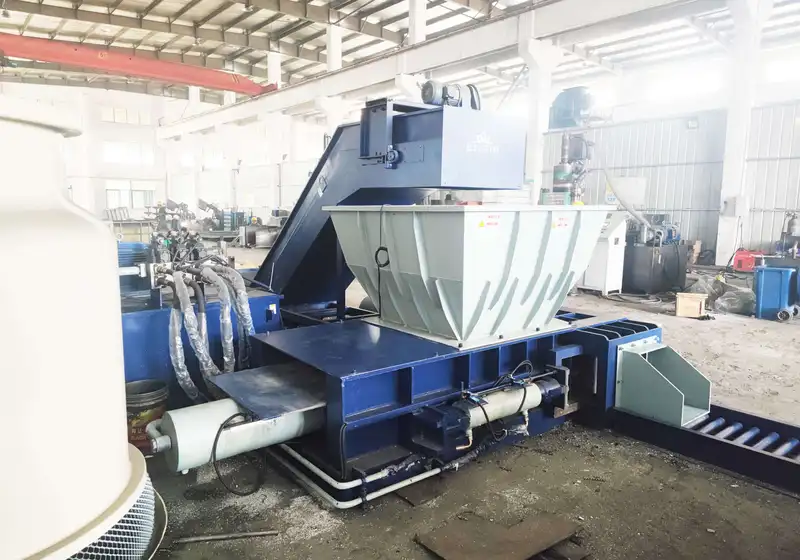
The DILOYA CMS125 Fully Automatic UBC Baler is offered for coordinated feeding, hydraulic compression and bale discharge in aluminium can recycling. Match the automation scope to the site’s material supply and downstream handling; final output depends on loading continuity and bale requirements.
CMS series reference demonstration. Confirm the equipment configuration and material conditions for your project.
Automatic UBC baling is most useful when collection, feeding, compression and discharge are planned as one workflow. This CMS125 product focuses on the interfaces between those stages rather than treating an automatic compression cycle as an entire unattended recycling plant.
Prepare sorted and drained aluminium cans before feeding. Define how the conveyor or hopper supplies the chamber, how the controls coordinate the compression cycle and how discharged bales are removed. Confirm the included automation, sensors and operator duties in the agreed scope of supply.
The product model in this listing is CMS125. Compare that column in the parameter table when assessing chamber size, motor power and hydraulic cylinder ratings. Other columns are selected CMS series references, not additional specifications of this machine. See the Hopper Type Shear Baler range for the wider equipment family.
Confirm the receiving recycler’s required bale dimensions, weight, cleanliness and grade separation before selecting the final configuration. Actual output depends on the bulk density and condition of the incoming cans, loading continuity, compression settings and bale removal. A catalogue cycle time is not a guaranteed hourly production rate.
Check the available loading and maintenance space, local electrical supply, ambient conditions and downstream handling equipment. Keep incompatible waste, sealed containers, batteries and pressurised items out of the feed. Steel cans and other materials require a separate suitability review; do not assume that a machine selected for aluminium UBC is suitable for every scrap grade.
Send DILOYA material photographs, daily tonnage, planned working hours, target bale dimensions, preferred feeding method and site layout. The team can review CMS125 against these requirements and confirm the specification and scope of supply. Compare other options in the Aluminium Can Baling Machine and Automatic UBC Baler ranges.
Coordinated working sequence: PLC-controlled compression helps coordinate configured hydraulic movements.
Feeding integration: Conveyor and buffer arrangements can be assessed against the site layout.
Defined operator duties: A clear feeding and discharge plan supports a repeatable recycling workflow.
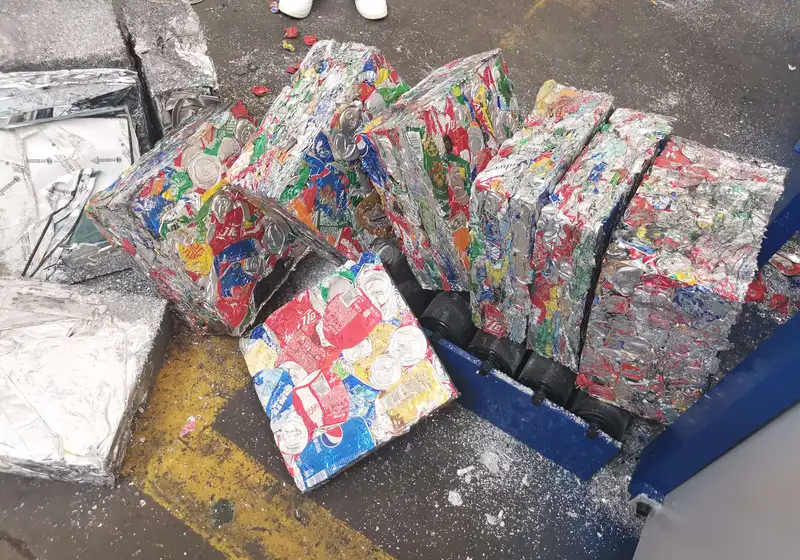
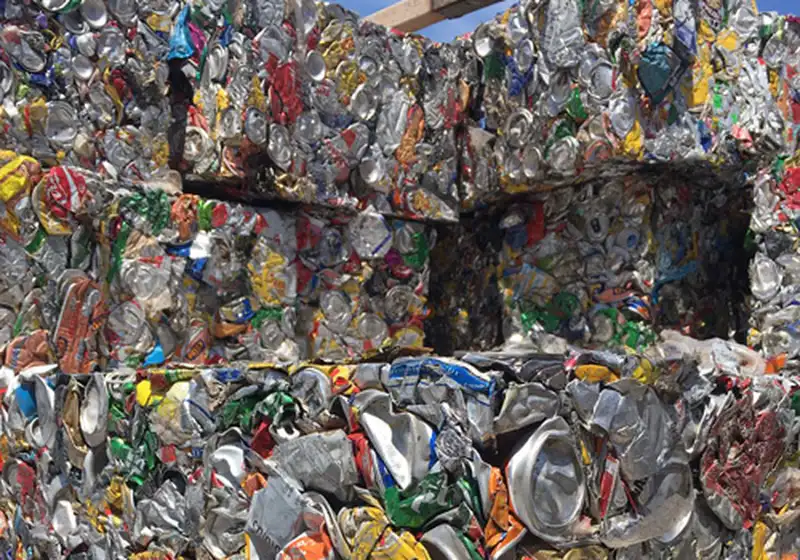
Hydraulic drive: controlled compression forms rectangular packages from prepared aluminium cans.
Project-specific selection: feeding, cooling and handling arrangements can be evaluated against the intended installation.
Technical support: material information and buyer bale requirements can be reviewed before confirming the machine.
Supplied features and performance are subject to the agreed model, configuration and operating conditions.
| Model | CMS125 | CMS160 | CMS250 | CMS315 |
|---|---|---|---|---|
| Chamber Size | 1400 × 700 × 300 mm | 1500 × 1000 × 350 mm | 1800 × 1300 × 450 mm | 2000 × 1400 × 500 mm |
| Bale Size | 300 × 300 mm | 350 × 350 mm | 450 × 450 mm | 500 × 500 mm |
| Bale Weight — Aluminium | 15–20 kg | 30–45 kg | 65–100 kg | 90–120 kg |
| Motor Power | 22 kW | 37 kW | 2 × 37 kW | 2 × 45 kW |
| Cycle Time | 60 s | 60 s | 60 s | 60 s |
| Control | PLC Control | PLC Control | PLC Control | PLC Control |
| Cooling System | Oil Chiller | Oil Chiller | Oil Chiller | Oil Chiller |
| Main Cylinder | 1250 kN | 1600 kN | 2500 kN | 3150 kN |
| Side Cylinder | 800 kN | 1000 kN | 1600 kN | 2000 kN |
| Lock Cylinder | 150 kN | 150 kN | 200 kN | 250 kN |
Bale weights refer to prepared aluminium material. Actual results depend on feed condition, settings and the agreed bale specification. Cycle time is not guaranteed hourly output.
The DILOYA CMS125 Fully Automatic UBC Baler is offered for coordinated feeding, hydraulic compression and bale discharge in aluminium can recycling. Match the automation scope to the site’s material supply and downstream handling; final output depends on loading continuity and bale requirements.
Suitable planning scenarios include sorted beverage-can collection, recycling centres and transfer operations preparing UBC bales for onward processing. Evaluate the actual feed, contamination, moisture and buyer acceptance requirements before ordering.
See the linked Aluminium UBC application for material guidance. Related customer cases show separate installations and do not guarantee the same performance for CMS125.
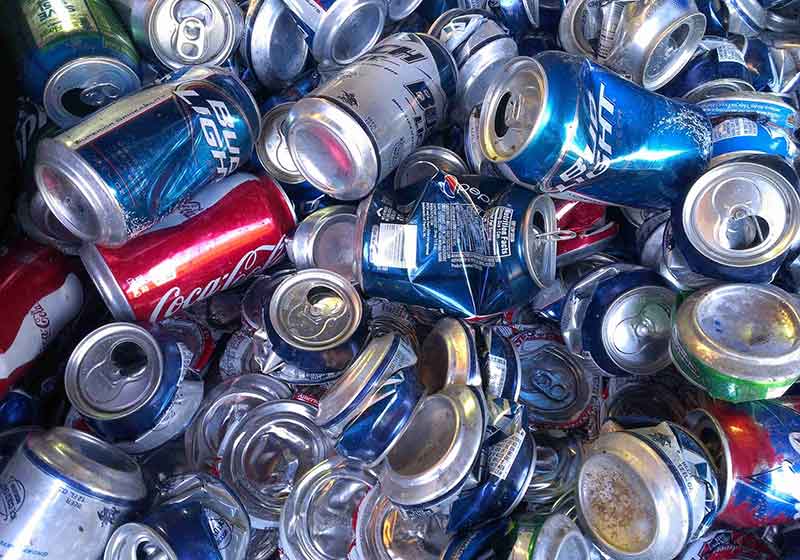
Aluminium UBC consists of lightweight used beverage cans collected from municipal, commercial and deposit-return streams. DILOYA hydraulic UBC balers compress sorted cans into dense, stable and stackable bales for efficient storage, economical transport and consistent delivery to aluminium can recycling and remelting plants.
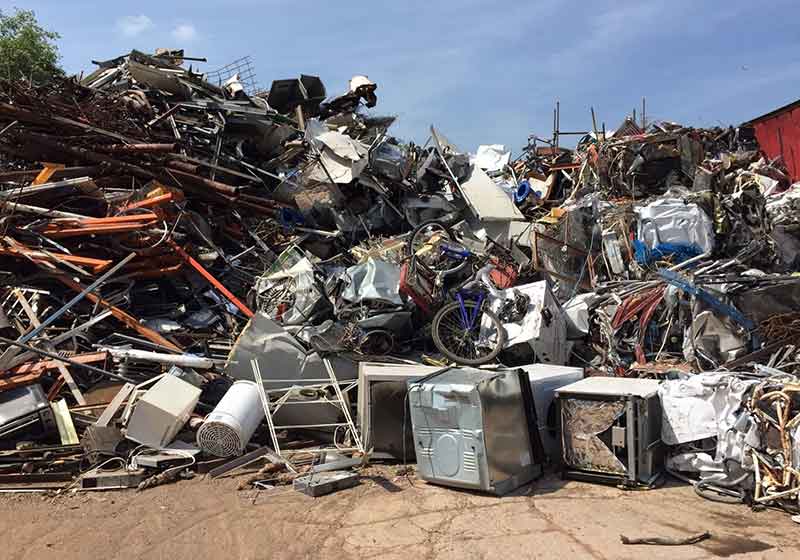
Light scrap metal includes thin-gauge steel sheet, press-shop offcuts, panels and other bulky ferrous pieces. DILOYA hydraulic metal balers compress this loose, springy material into dense rectangular bales for controlled storage, efficient loading and economical transport. This application is intended for baling only.
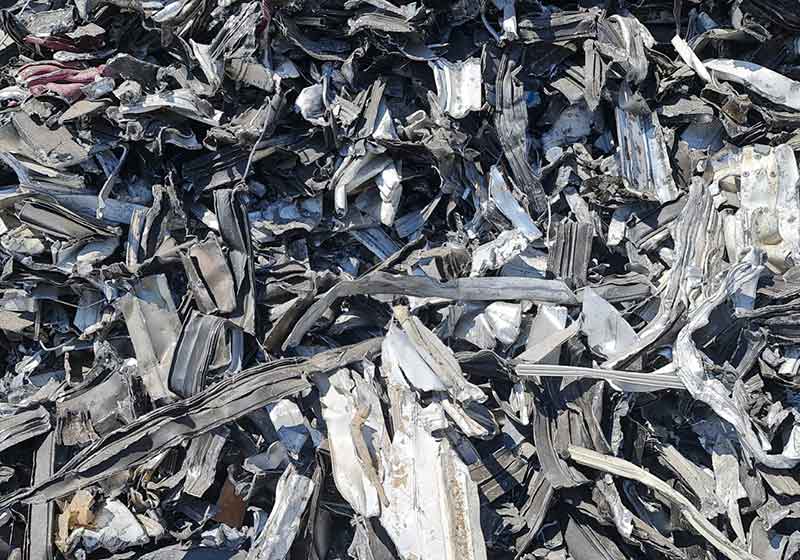
General aluminium scrap includes sheet offcuts, stampings, thin-gauge trimmings and mixed clean production pieces. DILOYA hydraulic aluminium scrap balers compress this loose material into dense, stable bales for efficient storage, safer handling, economical transport and consistent delivery to recycling and remelting plants.
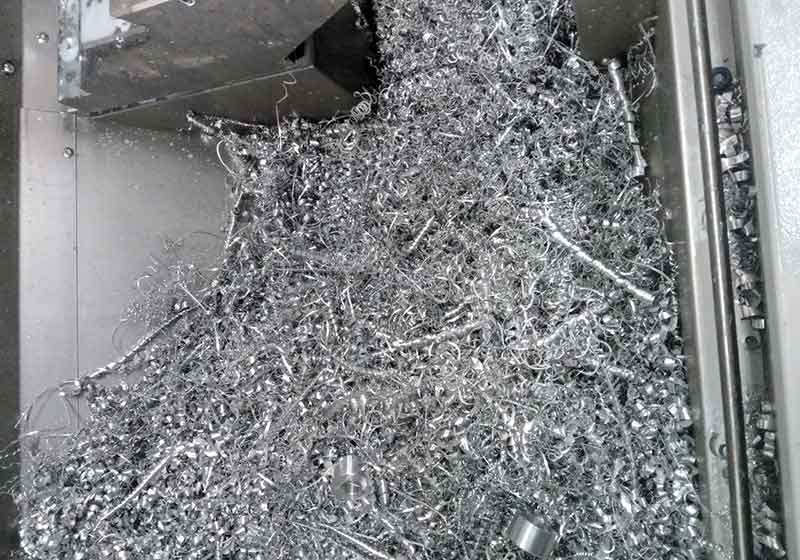
Aluminium Turnings are lightweight, spiral-shaped metal chips generated during machining, drilling and milling. DILOYA briquetting and baling systems compact loose turnings into dense, manageable blocks, helping reduce storage volume, improve transport efficiency and support aluminium recovery.
Start with the material mass that must be processed and the hours actually available for baling. Required average mass throughput equals incoming mass divided by usable production time. Distinguish the hours available on the shift from the shorter period during which the line can actually receive and process cans.
Illustrative calculation, not a machine rating: if an operation must bale 4,000 kg in five usable production hours, its required average output is 800 kg/hour. Allowing for a higher incoming peak, maintenance or upstream interruptions is a separate design decision; do not silently convert an average requirement into a guaranteed machine specification.
A conveyor moves a large volume of loose cans before they become dense bales. Its required volumetric feed can be estimated by dividing the required mass flow by measured loose bulk density, using consistent units. This is why a press with enough nominal force can still be starved by an undersized feed system.
For a trial, weigh accepted output over a representative elapsed period that includes normal feeding, compression and discharge. Do not count repeatedly pressing an already filled chamber as sustained production. Use Automatic UBC Baler to compare automatic arrangements and Hopper-Fed Can Baler to assess feed interfaces. Confirm the test material and operating assumptions with the supplier before treating a capacity figure as an acceptance condition.
The best-fit aluminium can baling machine is the one that handles your actual material and produces an accepted bale within the available operating time. A larger press is not automatically a better choice if feeding, storage or bale collection remains the bottleneck.
Compare Aluminium Can Baling Machine for material-focused options, Hopper-Fed Can Baler for loading arrangements and Hydraulic Can Baler for press configurations. The guide How to Match Material Size, Press Chamber Dimensions and Bale Requirements When Selecting a Metal Baler? provides a more detailed basis for matching the material to the chamber and bale requirement.
When two models appear suitable, request a trial using representative material and define acceptance measures before purchasing. Confirm what the quotation includes: feeding equipment, guarding interfaces, discharge equipment, commissioning, documentation and wear parts. Do not compare machines solely by motor power or nominal cylinder force.
A metal-baler proposal needs both the largest normal scrap and the required finished bale. Give maximum section information as well as average volume, then explain loading and collection. How to Match Material Size, Press Chamber Dimensions and Bale Requirements When Selecting a Metal Baler? is a useful reference when defining that brief; final material limits and the basis of capacity should appear in the written specification.
Include floor space, discharge direction, power supply, operating hours and buyer requirements. This information helps select the chamber, hydraulic duty and handling arrangement as one system. Final material limits and capacity conditions should be written into the proposal.
Installation space means the complete working envelope: the machine, material movements, servicing and safe access. A layout that fits the press but prevents opening a service door or collecting a bale is not workable. Check the largest incoming container and the heaviest finished package on the arrangement drawing before choosing between compact equipment and a larger integrated layout.
Provide a dimensioned layout with columns, access routes and nearby equipment. Confirm the working envelope in an approved arrangement drawing before installation. A compact machine may still need substantial handling space if incoming containers or finished packages are large.
A machine can be specified for a particular electrical supply only after its voltage, frequency, phase arrangement and available capacity are confirmed. A plug change does not make different supplies equivalent. Include the destination and a verified site-supply specification in the enquiry, then identify who is responsible for connection, protection and installation checks.
The final specification should identify motor ratings, control requirements and site electrical responsibilities. Qualified personnel should check the installation and protective arrangements. Changing supply conditions after order confirmation may require engineering changes, so the approved configuration should match the intended destination.
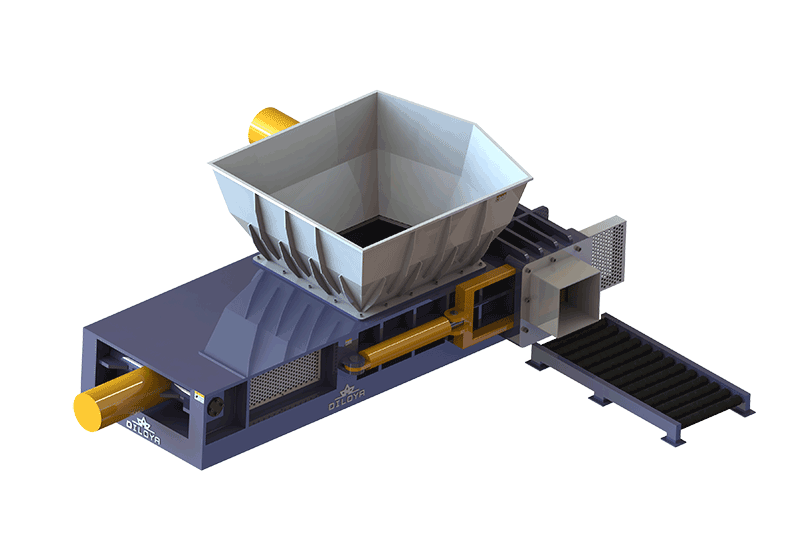
The Hopper Type Shear Baler is a heavy-duty hydraulic scrap processing machine designed for efficient shearing, compacting, and recycling of various metal scraps, aluminium tins cans, Scrap steel, light metal, sheet metal, profiles, pipes, and other bulky materials can be continuously loaded into the hopper and compressed before cutting.
View details +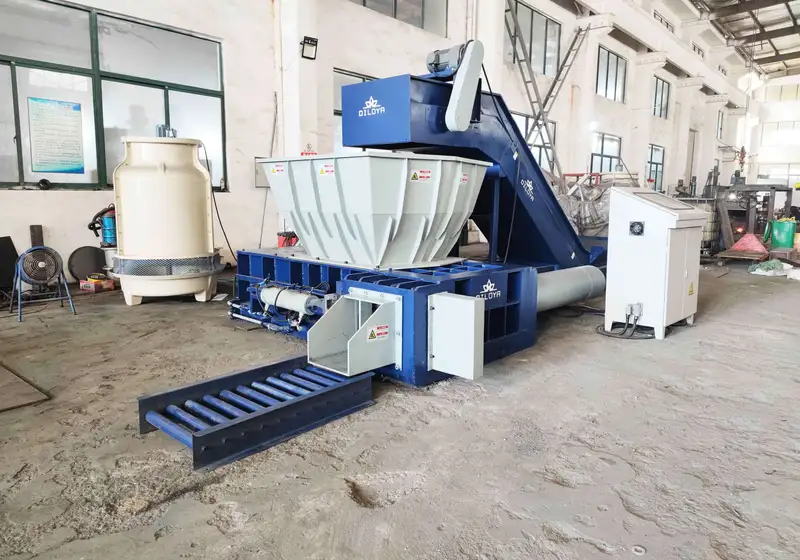
Hopper-fed hydraulic baler for compacting prepared aluminium beverage cans into manageable bales for organised recycling, storage and transport.
View details +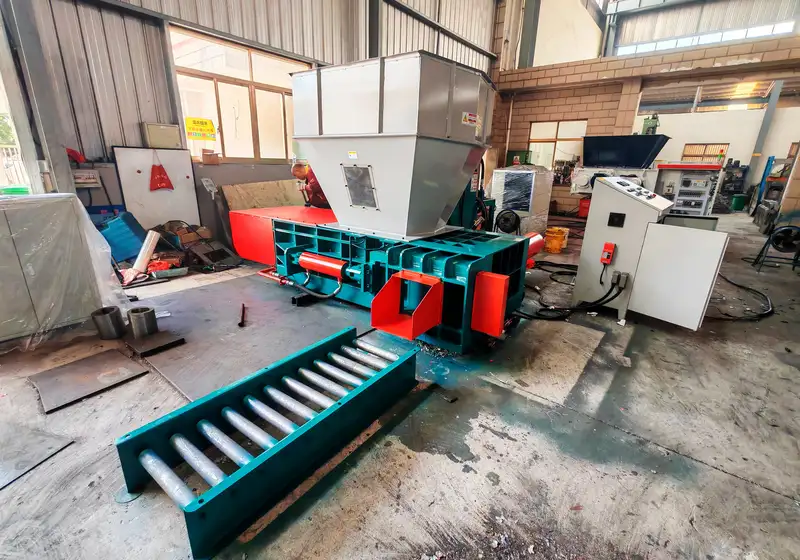
Explore automatic UBC balers for used aluminium beverage cans. Compare feeding arrangements, hydraulic compression and bale handling for your recycling operation.
View details +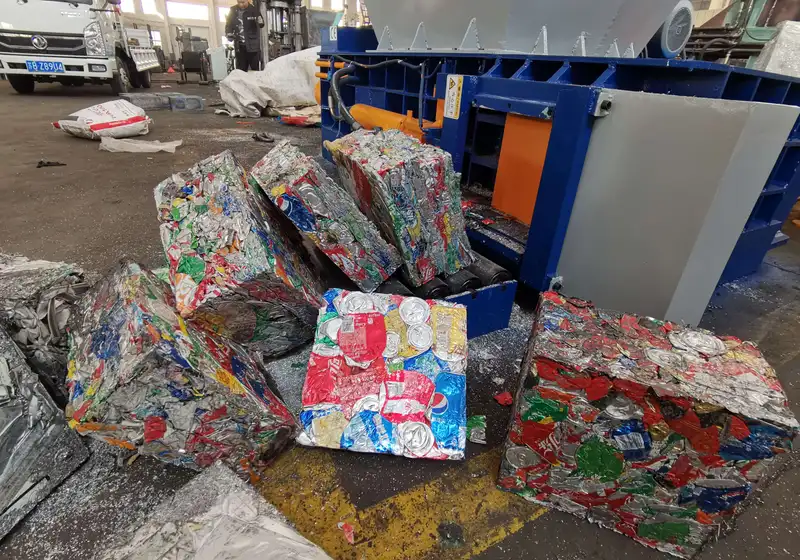
The DILOYA CMS125 Aluminium Can Recycling Baler compacts sorted used beverage cans into rectangular packages for collection, storage and transport. Select the loading arrangement and bale specification around daily material volumes and the receiving recycler’s requirements.
View details +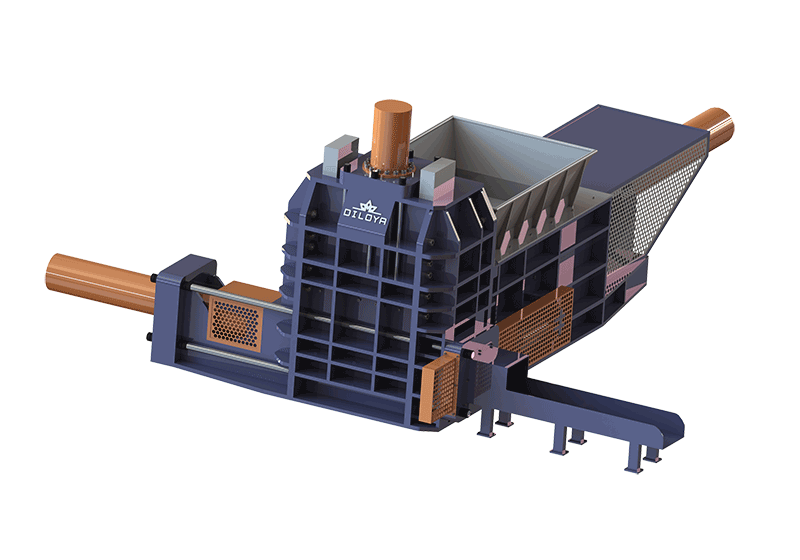
The DILOYA Three Rams Shear Baler combines staged hydraulic compression, shearing and bale discharge to turn loose metal scrap into compact, uniform bales for recycling, storage and transport.
View details + 250-Ton Side-Discharge Scrap Metal Baler In North Macedonia
North Macedonia customer case: a 250-ton side-discharge scrap baler with a 500 × 500 mm bale cross-section, 250–400 kg bales and reported output of 4–6 t/hour.
View case + 160-Ton Forward-Out Aluminium Profile Baler In Japan
A Japanese customer uses a 160-ton forward-out baler for aluminium profiles, with reported output of 800–1,200 kg/hour and a defined front bale collection path.
View case +Used Beverage Can Baling Machine For Recycling In The NetherlandsA Netherlands UBC baling brief centred on material grade, buyer bale acceptance, traceable trials and handling quality. Final project data are pending.
View case +Share your material, target hour capacity and other requirements. Our engineering team will reply with a suitable solutions.